The equine industry, long rooted in tradition and hands-on expertise, is experiencing a significant technological transformation. From the meticulous management of health records to the cutting-edge application of virtual reality in training, horse business owners are increasingly embracing digital tools to enhance efficiency, improve animal welfare, and streamline client interactions. This shift, driven by advancements in connectivity and data management, promises to reshape the landscape of equestrian enterprises, making them more accessible, data-driven, and ultimately, more profitable.
Embracing Digital Record-Keeping: A Foundation for Efficiency
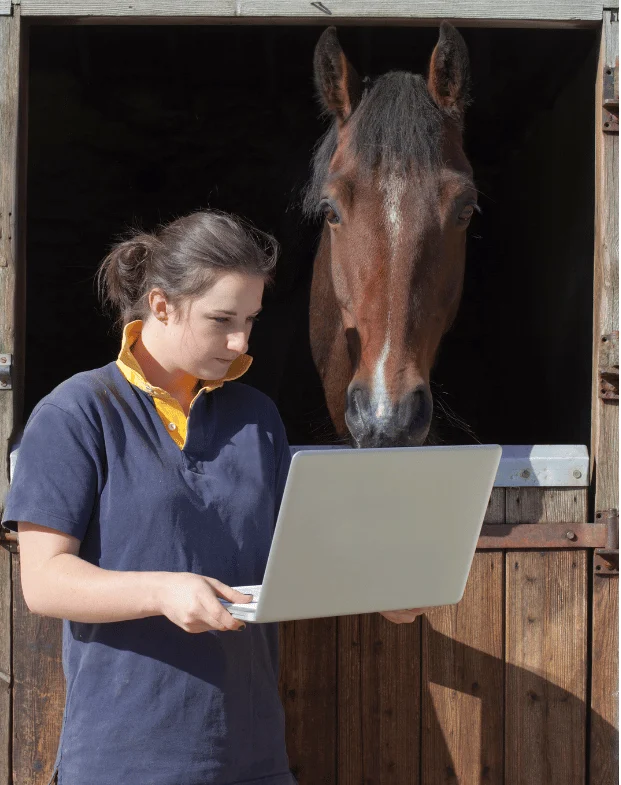
One of the most immediate and impactful technological integrations for equine businesses lies in the digitization of records. For decades, the industry has relied on stacks of physical paperwork detailing everything from a horse’s vaccination history and veterinary treatments to training logs, farrier appointments, and breeding records. This manual system, while familiar, is prone to loss, damage, and the inherent inefficiencies of manual retrieval and organization.
The transition to digital record-keeping offers a paradigm shift. Cloud-based platforms and specialized equine management software allow owners and managers to store and access comprehensive horse profiles at their fingertips. These systems can consolidate health information, track treatment responses, manage feeding schedules, and even monitor performance metrics. Crucially, they often incorporate automated reminder systems for essential tasks such as vaccinations, deworming, and routine veterinary check-ups.
The implications of this digital transition are far-reaching. For veterinarians and farriers, access to a horse’s complete medical history can lead to more informed diagnostic and treatment decisions. For owners, it provides peace of mind and ensures that crucial health interventions are never missed. The ability to quickly generate reports for insurance claims, sales, or regulatory purposes also significantly reduces administrative burdens. Industry analysts suggest that the adoption of digital record-keeping can reduce administrative overhead by as much as 20-30%, freeing up valuable time and resources that can be reinvested in animal care and business development.
The Rise of Equine Wearables: Monitoring Health with Precision
The burgeoning field of wearable technology, which has revolutionized human fitness tracking, is now making significant inroads into the equine world. These devices, designed to be safely attached to a horse’s tack or integrated into specialized boots or halters, are providing unprecedented insights into animal physiology and well-being.
These "horse wearables" can range from simple activity monitors that track movement and rest patterns to sophisticated devices capable of measuring heart rate, respiration, temperature, and even gait analysis. For high-performance athletes, these tools offer a powerful means of monitoring training intensity, detecting early signs of fatigue or injury, and optimizing recovery protocols. Data collected can inform training adjustments, prevent overexertion, and contribute to a longer, healthier athletic career for the horse.
Beyond athletic performance, wearables are also proving invaluable for general horse health management. Continuous monitoring can help identify subtle changes in behavior or vital signs that might otherwise go unnoticed, potentially flagging illnesses or discomfort in their nascent stages. This proactive approach to health management can lead to earlier interventions, improved treatment outcomes, and a reduction in costly emergency veterinary care. While the widespread adoption of equine wearables is still in its early stages, the market is projected to grow significantly in the coming years, driven by increasing awareness of animal welfare and the demand for data-driven insights.
Virtual and Augmented Reality: Transforming Training and Education
The immersive capabilities of Virtual Reality (VR) and Augmented Reality (AR) are no longer confined to the gaming and entertainment sectors; they are emerging as powerful tools for equestrian training and education. VR, by creating simulated environments, offers a safe and controlled space for riders to develop their skills and build confidence.
For instance, aspiring jockeys or riders preparing for competitive events can utilize VR simulations to practice race day scenarios, navigate complex courses, or refine their riding posture and technique without the physical risks associated with real-world practice. These simulations can be programmed with varying levels of difficulty and environmental conditions, allowing for progressive skill development.
Augmented Reality, which overlays digital information onto the real world, offers a different but equally valuable set of applications. AR can be used to provide riders with real-time feedback on their position, balance, and the effectiveness of their aids. Imagine a rider wearing AR-enabled goggles that display visual cues indicating if their heels are down, their back is straight, or their reins are correctly adjusted. This instant, objective feedback can accelerate the learning curve and foster a deeper understanding of riding principles. Furthermore, AR can be utilized for educational purposes, overlaying anatomical information onto a horse’s body during demonstrations or providing interactive guides for equipment assembly and maintenance. The integration of VR and AR into equestrian training programs holds the potential to democratize access to high-level instruction and accelerate skill acquisition for riders of all levels.
Modernizing Payments: Streamlining Transactions and Enhancing Security
In today’s digital economy, the ability to accept modern payment methods is not just a convenience but a necessity for businesses of all sizes, including those in the equine sector. Moving beyond traditional cash and check transactions, equine businesses are increasingly adopting point-of-sale (POS) systems that accept card payments, including chip-enabled EMV (Europay, Mastercard, and Visa) transactions.

The distinction between being EMV-capable and EMV-enabled is critical. EMV-capable means a business possesses the necessary hardware to process chip cards, while EMV-enabled signifies that the system is actively configured and functioning to accept these secure transactions. This technological upgrade offers several significant benefits. Firstly, it dramatically reduces the risk of fraud associated with magnetic stripe cards. Secondly, it provides clients with a more convenient and secure payment experience, which can be particularly important for boarding stables, lesson providers, and event organizers who often handle a high volume of transactions.
The implications of embracing EMV-enabled payment systems extend to reducing the likelihood of costly chargebacks. By adhering to industry-standard security protocols, businesses can mitigate disputes and protect their revenue streams. Furthermore, integrating these systems can often lead to more streamlined accounting and reconciliation processes, contributing to overall financial efficiency. As consumer expectations for seamless digital payments continue to rise, equine businesses that fail to adapt risk alienating potential clients and incurring unnecessary financial risks.
Revolutionizing Bookings: The Convenience of Online Reservations
The era of relying solely on phone calls and manual appointment books for booking services is rapidly becoming a relic of the past. The equine industry is embracing online booking systems, a trend that mirrors the broader shift in customer service expectations across all sectors.
From booking riding lessons and stable vacancies to scheduling farrier appointments or trail rides, online reservation platforms offer a user-friendly and efficient solution. These systems allow clients to view available time slots, select desired services, and confirm bookings 24/7, without the need for direct interaction during business hours. This not only enhances customer convenience but also significantly reduces the administrative burden on business owners and staff, freeing them from constant phone management.
The integration of online booking often comes with additional features, such as automated confirmation emails and text messages, payment processing integration, and the ability to manage client information and service history. For businesses offering recurring services, such as weekly lessons or monthly board, recurring booking functionalities can further streamline operations. The adoption of online booking systems is a key indicator of a business’s commitment to modern customer service and operational efficiency, contributing to client satisfaction and repeat business.
Drones in Equine Operations: An Elevated Perspective
The aerial capabilities of drones are opening up new and innovative applications within the equine business landscape. Initially known for aerial photography and videography, drones are proving to be versatile tools for a variety of operational needs.
For equestrian centers and large farms, drones can provide a bird’s-eye view of the entire property. This perspective is invaluable for monitoring livestock, inspecting fences and infrastructure, and assessing the condition of pastures. Scouting new trail routes for riding excursions or identifying areas requiring maintenance can be done more efficiently from the air.
Beyond operational assessments, drones are transforming marketing and promotional efforts. Capturing stunning aerial footage of horses in action, the sprawling landscapes of equestrian facilities, or the scenic beauty of riding trails can create compelling marketing materials. These high-quality visuals can be used for websites, social media campaigns, and promotional videos, attracting new clients and enhancing brand image. As drone technology becomes more accessible and user-friendly, its integration into routine equine business operations is expected to become increasingly commonplace.
The Proliferation of Equine-Specific Apps: A Digital Ecosystem
The mobile application landscape has expanded to encompass specialized tools designed to cater to the unique needs of the equine world. These applications are creating a digital ecosystem that supports various aspects of horse ownership, care, and business management.
Horse management apps can assist with a multitude of tasks. Owners can meticulously track their horse’s diet, exercise routines, and medical history, receiving reminders for appointments and medications. Specialized apps can help users locate nearby equine professionals, such as veterinarians, farriers, or trainers, based on their geographic location and service requirements. Others focus on connecting riders with equestrian events, competitions, or social groups.
Furthermore, these apps foster a sense of community among horse enthusiasts. Forums and social networking features within these applications allow users to share advice, discuss challenges, and connect with fellow riders from around the globe. This digital connectivity extends beyond individual horse care to encompass business operations. Some apps are designed for stable management, offering features for booking, invoicing, and client communication. The continuous development of these specialized equine apps signifies a growing reliance on digital solutions to enhance the overall experience of owning, caring for, and operating within the horse world.
The integration of these technological advancements into the equine industry is not merely a trend; it represents a strategic evolution. By embracing digital record-keeping, wearable technology, immersive training tools, modern payment solutions, online booking platforms, drone capabilities, and specialized mobile applications, equine businesses are positioning themselves for greater efficiency, enhanced animal welfare, improved client satisfaction, and ultimately, sustainable growth in an increasingly digital world. This synergy between tradition and innovation promises a brighter and more technologically adept future for all involved in the equestrian sphere.