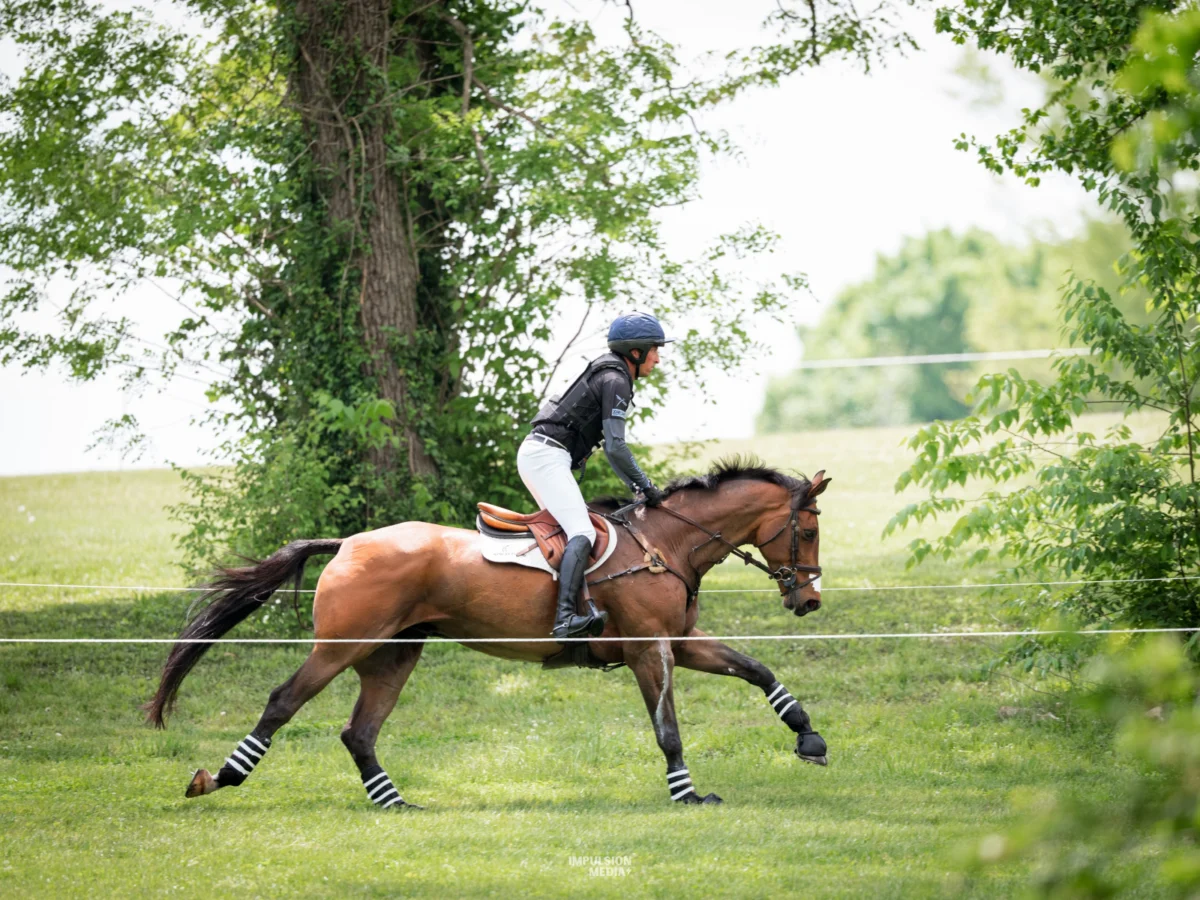
A significant debate has erupted within the equestrian community following the British Showjumping (BS) organization’s announcement that children under 13 years of age will be barred from competing in certain major events starting in 2029. This directive, stemming from an independent safeguarding review, has drawn a strong reaction from parents, riders, and stakeholders concerned about the potential impact on youth development and participation in the sport.
The proposed changes, as reported by Horse & Hound, are a direct consequence of a comprehensive safeguarding review commissioned by BS. The review was conducted by Lime Culture, a specialist consultancy firm renowned for its work in promoting safe and positive environments across various sectors. The findings and subsequent recommendations from this review have initiated a wave of policy adjustments designed to enhance the welfare and safety of young participants within British showjumping.
Background and the Safeguarding Review
The decision to commission an independent safeguarding review was not made in a vacuum. It is understood to be part of a broader commitment by British Showjumping to align with best practices in child protection and to proactively address any potential risks or concerns within the sport. The equestrian world, like many competitive environments involving young people, is increasingly scrutinized for its adherence to safeguarding standards. The review’s mandate was to examine current practices, identify areas for improvement, and provide actionable recommendations to ensure a safe and nurturing environment for all participants, particularly the youngest members.
Lime Culture, the firm tasked with this critical review, has a well-established reputation for conducting thorough and objective assessments. Their work typically involves extensive consultation with stakeholders, analysis of existing policies and procedures, and the development of strategies to mitigate risks and promote positive behavioral standards. The findings of their review, therefore, are expected to carry significant weight and inform the strategic direction of British Showjumping for years to come.
Timeline of Developments and Proposed Changes

While the specific timeline leading up to the announcement is not fully detailed, the process typically involves several stages:
- Commissioning of the Review: British Showjumping would have identified the need for a safeguarding review and appointed Lime Culture to undertake the task. This likely involved defining the scope of the review and setting key objectives.
- Data Gathering and Analysis: Lime Culture would have engaged in extensive data collection, including interviews with riders, parents, coaches, officials, and administrators. They would also have reviewed existing policies, incident reports, and any relevant statistical data pertaining to youth participation and welfare.
- Report and Recommendations: Upon completion of their analysis, Lime Culture would have presented a comprehensive report to British Showjumping, outlining their findings and providing specific recommendations for policy and practice changes.
- Internal Consultation and Decision-Making: British Showjumping’s board and relevant committees would have reviewed the report and recommendations. This stage would involve internal discussions, consultations with key stakeholders, and the formulation of a strategic response to the review’s findings.
- Announcement of Policy Changes: The announcement of the proposed age restrictions is the culmination of this process, signaling the organization’s intent to implement changes based on the safeguarding review. The specified start date of 2029 allows for a phased implementation and ample time for affected parties to adapt.
The core of the controversy lies in the proposed exclusion of children under 13 from certain "major events." This phrasing suggests that the restrictions might not apply to all levels of competition, but rather to those events deemed to have a higher profile, greater competitive intensity, or potentially longer durations, which might pose specific challenges for younger participants. The exact definition of "major events" will be crucial in understanding the full scope of the proposed changes.
Community Reactions and Concerns
The announcement has predictably ignited a firestorm of debate across social media platforms, equestrian forums, and within riding clubs. Many parents and junior riders express dismay and a sense of unfairness.
- Impact on Grassroots Development: A primary concern is that restricting access to major events at such a formative age could hinder the development of young talent. Competitions, even at lower levels, provide invaluable experience in handling pressure, learning from mistakes, and progressing through the ranks. Early exposure to varied competitive environments is often seen as crucial for building confidence and skill.
- "Nurturing Environment" vs. Exclusion: While the intention is undoubtedly to protect young individuals, some argue that the proposed blanket restriction is an overcorrection. They contend that many children under 13 are already competing successfully and safely at various levels, often with strong parental and coaching support. The concern is that these children will be denied opportunities to test themselves and grow in a controlled, albeit competitive, environment.
- The Role of Parents and Coaches: Many within the sport emphasize the vital role of parents and qualified coaches in ensuring the welfare of young riders. They argue that rather than imposing age restrictions, BS should focus on strengthening education and enforcement of existing safeguarding policies for adults involved in training and accompanying young competitors.
- Definition of "Major Events": The ambiguity surrounding "major events" has also been a point of contention. Parents and riders are seeking clarity on which specific competitions will be affected, as this will determine the practical implications of the new rules. For instance, are national championships included? What about regional qualifiers?
Potential Data Supporting Safeguarding Initiatives
While specific data points from the Lime Culture review have not been publicly released, safeguarding initiatives in sports often draw upon broader trends and research. Globally, there is increasing awareness of the psychological and physical demands placed on young athletes. Factors that might have informed the BS review could include:
- Increased Competitive Pressures: As showjumping events gain prestige and prize money, the competitive intensity can escalate. This can create undue stress for younger children who may not yet possess the emotional maturity to cope with high-stakes competition, intense training regimes, or the disappointment of failure.
- Longer Event Schedules: Major shows often involve multiple days of competition, travel, and early mornings. For younger children, extended periods away from home and routine, coupled with the physical demands of riding, could lead to fatigue, burnout, or increased susceptibility to injury.
- Potential for Exploitation or Inappropriate Behavior: Although rare, safeguarding reviews in any youth-oriented activity consider the potential for inappropriate adult behavior or exploitation. Stricter age limits at certain events can be a preventative measure, ensuring that younger children are not exposed to environments where they might be more vulnerable.
- Mental Health and Well-being: Growing attention is being paid to the mental health of young athletes. Overemphasis on winning, intense parental pressure, or a lack of appropriate support can negatively impact a child’s self-esteem and overall well-being. Safeguarding measures aim to prioritize a child’s holistic development over purely competitive outcomes.
British Showjumping’s Stated Rationale and Future Steps

British Showjumping has stated that the decision to implement these changes is a proactive measure to uphold the highest standards of welfare for its younger members. While specific quotes from BS officials directly addressing the backlash were not present in the initial report, their official statements are likely to reiterate the organization’s commitment to safeguarding.
The organization’s approach is likely to be framed around the principle of "child-first" decision-making. This means prioritizing the long-term well-being and development of children over immediate competitive opportunities. The phased introduction of the policy by 2029 suggests a desire to allow for a smooth transition and to provide stakeholders with adequate time to adjust their strategies and training plans.
Broader Impact and Implications for the Sport
The repercussions of this policy shift could be far-reaching:
- Talent Pipeline: If not managed carefully, restricting early access to major events could inadvertently affect the pipeline of future elite riders. However, BS may argue that a more robust and well-supported foundation at younger ages will ultimately lead to a stronger, more resilient cohort of riders entering the senior ranks.
- Parental Investment and Coaching Strategies: Parents may need to re-evaluate their investment in their children’s showjumping careers, potentially focusing more on local and regional events until their children reach the eligible age for major competitions. Coaches may also need to adapt their training programs to ensure progression is still fostered effectively.
- International Comparisons: It will be important to observe how other national equestrian federations approach similar safeguarding concerns. A divergence in policies could create complexities for international competition and talent identification.
- The "Post-13" Landscape: The period between the ages of 13 and 18 is crucial for competitive development. BS will likely need to ensure that the pathway into senior competition after the age of 13 is well-defined and adequately supported, with ample opportunities for progression and development.
The debate highlights the ongoing challenge for sports organizations to balance the drive for competitive excellence with the paramount responsibility of protecting young participants. British Showjumping’s decision, while potentially controversial, underscores a growing global trend towards prioritizing child welfare in all aspects of organized sport. The coming years will reveal how effectively this policy is implemented and what its ultimate impact will be on the landscape of British youth showjumping. Further engagement and clarification from British Showjumping regarding the specifics of "major events" and the support mechanisms for young riders will be crucial in shaping the community’s response and ensuring a positive future for the sport.