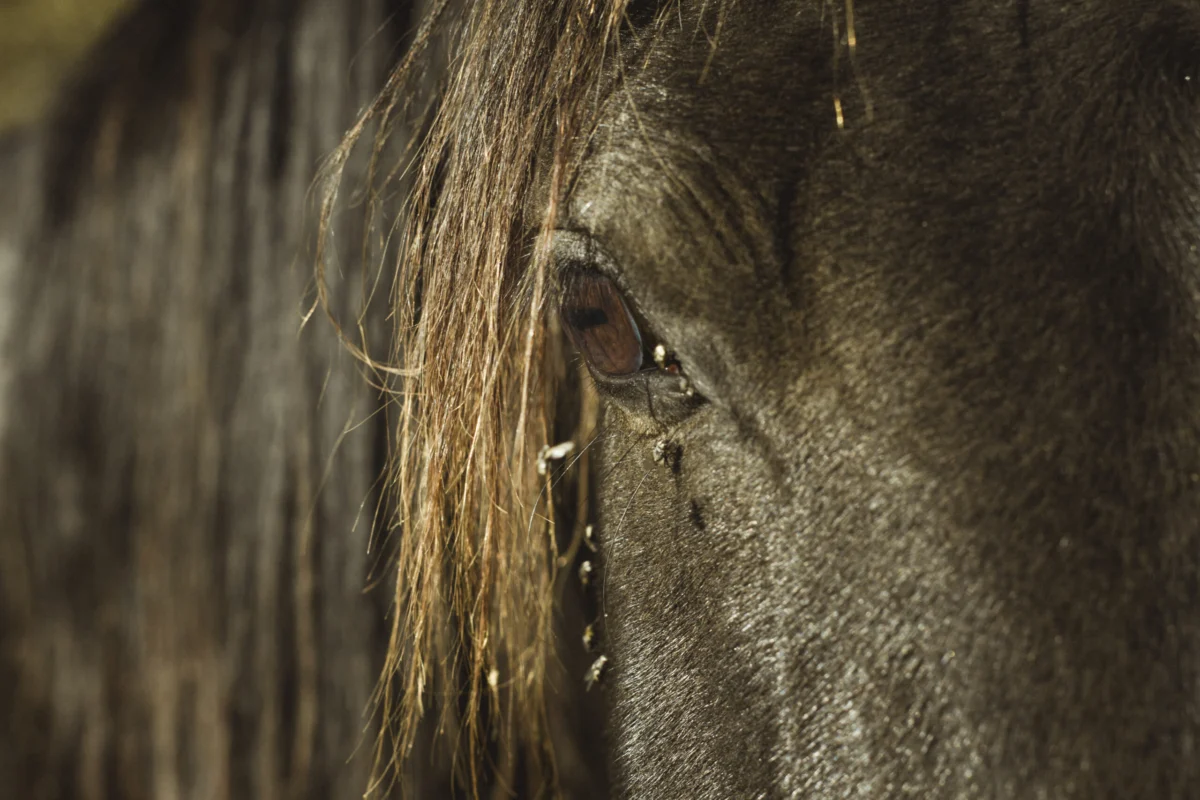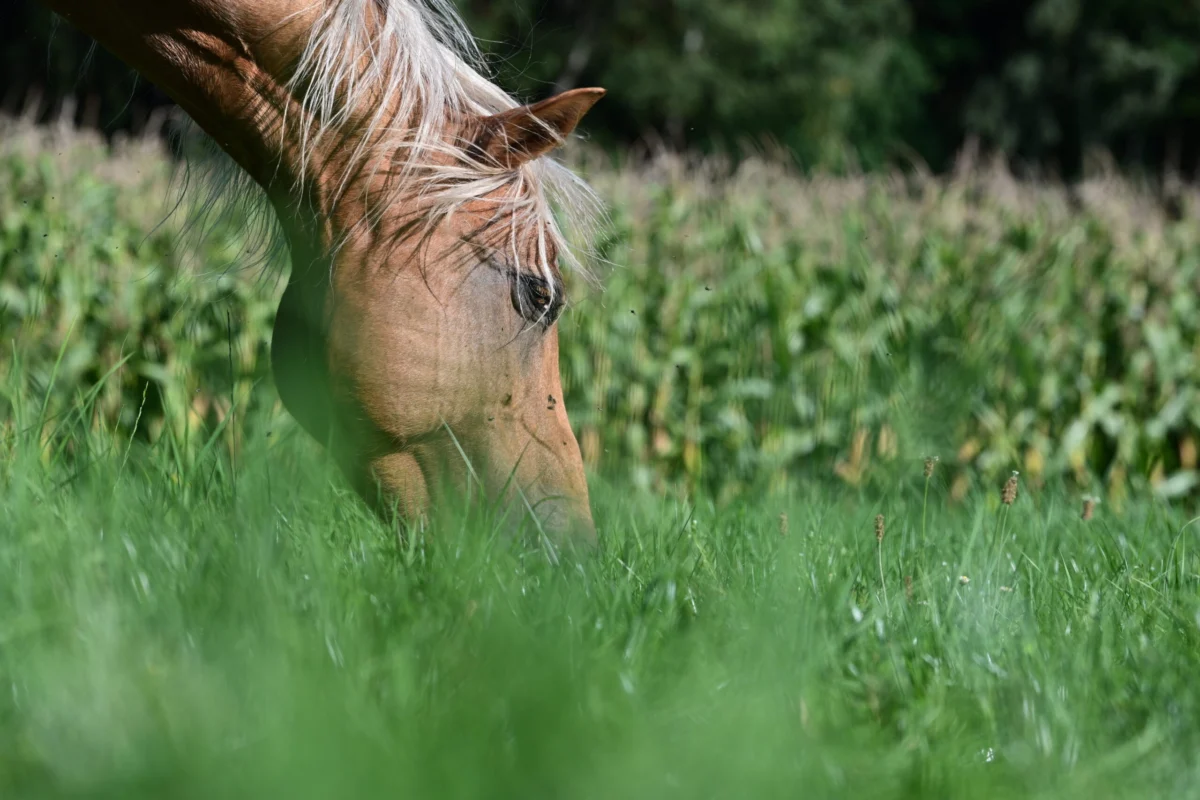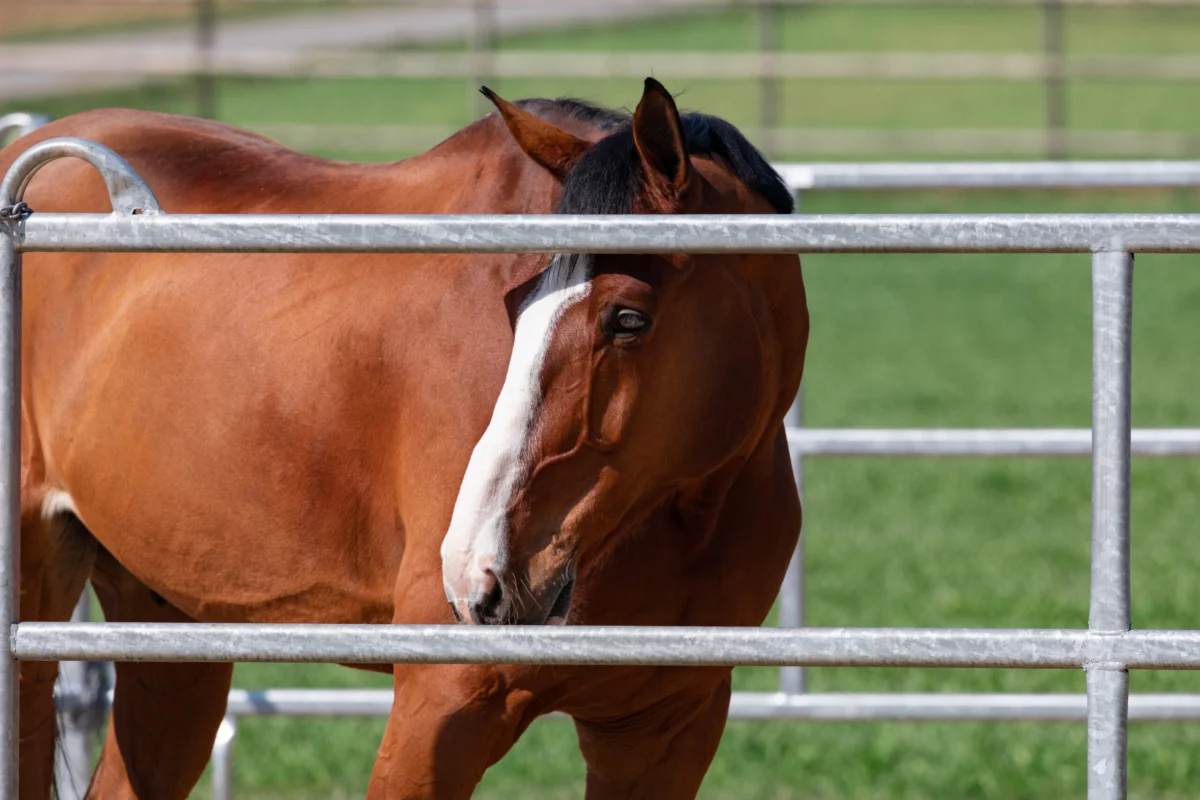
A four-year-old Quarter Horse gelding in Rocky View County, Alberta, tested positive for Potomac Horse Fever (PHF) on October 7, marking a significant event for the provincial equine community. The horse, which began exhibiting clinical signs including inappetence, dullness, and diarrhea on September 30, is currently recovering, according to reports from the Equine Disease Communication Center (EDCC). This confirmed case, occurring later than the typical peak season for PHF, underscores the ongoing need for vigilance among horse owners and veterinarians regarding this potentially severe equine disease.
Chronology of the Case and Regional Context
The initial onset of symptoms on September 30 immediately prompted concern, leading to veterinary consultation and subsequent diagnostic testing. The positive confirmation on October 7 solidified the diagnosis of Potomac Horse Fever. Rocky View County, a region renowned for its vibrant agricultural sector and significant equine population, ranging from competitive sport horses to working ranch animals and pleasure mounts, makes the occurrence of such a disease particularly impactful. The county’s diverse landscape, featuring numerous creeks, rivers, and wetlands, provides an environment conducive to the life cycle of the organisms responsible for PHF, even as the calendar turns towards autumn. While most PHF cases are typically reported between July and September, an October diagnosis, though less common, serves as a critical reminder that environmental factors and insect activity can extend the risk period beyond traditionally recognized windows, particularly in years with prolonged warm weather. The prompt identification and reporting of this case highlight the effectiveness of local veterinary networks and disease surveillance systems in Alberta.
Understanding Potomac Horse Fever: Etiology and Epidemiology
Potomac Horse Fever, also known as equine monocytic ehrlichiosis, is caused by Neorickettsia risticii, an intracellular bacterium. Unlike many bacterial infections, N. risticii does not directly infect horses through typical bacterial transmission routes. Instead, it has a complex life cycle involving a series of hosts. The bacterium first infects trematodes, commonly known as flukes or flatworms, which are parasitic organisms. These infected flukes then inhabit various species of freshwater snails, particularly those from the Oxytrema genus.
The crucial link in the transmission to horses involves aquatic insects. As part of their life cycle, these infected flukes are released from snails into the water, where they are ingested by a wide array of aquatic insects during their larval stages. Common insect vectors include caddisflies, mayflies, damselflies, and dragonflies. When these insects mature and emerge from the water, they can be inadvertently consumed by horses. This ingestion can occur directly while horses are grazing near water sources, through contaminated feed or water troughs where insects may have drowned, or even by horses consuming pasture grasses where dead insects have fallen. The incubation period for PHF typically ranges from one to three weeks post-ingestion, making it challenging to pinpoint the exact moment of infection.
Geographically, PHF was initially identified in the Potomac River valley in Maryland in the late 1970s, hence its name. However, the disease has since been reported across much of North America, including many states in the United States and various provinces in Canada, as well as in parts of South America and Europe. Its prevalence is intrinsically linked to the presence of freshwater bodies and the specific aquatic insect populations that facilitate the pathogen’s life cycle. Areas with creeks, rivers, ponds, and wetlands, especially those with warmer climates during summer and early autumn, are considered higher-risk environments. The seasonal nature of PHF, with peak incidence during warmer months, directly correlates with the reproductive cycles and emergence patterns of these aquatic insects.
Clinical Manifestations and Diagnosis
The clinical signs of Potomac Horse Fever can vary in severity, making early diagnosis critical but sometimes challenging. The initial symptoms observed in the Rocky View County gelding—inappetence, dullness, and diarrhea—are classic indicators. A more comprehensive list of potential clinical signs includes:
- Fever: Often biphasic, meaning two distinct periods of elevated temperature, which can range from 102°F (38.9°C) to 107°F (41.7°C).
- Depression and Lethargy: A general lack of energy and responsiveness.
- Anorexia: Refusal to eat.
- Diarrhea: Ranging from mild to severe and watery, potentially leading to dehydration and electrolyte imbalances. In some cases, diarrhea may be absent or precede other signs.
- Colic: Abdominal pain, which can be mild to severe, often associated with gastrointestinal inflammation.
- Laminitis: A severe and debilitating inflammation of the laminae within the hoof, which can lead to permanent lameness or euthanasia. Laminitis is a significant complication of PHF, occurring in approximately 20-30% of affected horses and contributing significantly to the disease’s high morbidity and potential mortality.
- Edema: Swelling of the limbs or ventral abdomen in some cases.
- Abortion: Pregnant mares infected with PHF can experience abortion, typically in the last trimester.
- Decreased Gut Motility: Reduced movement of the intestines.
Diagnosis of PHF relies on a combination of clinical signs, epidemiological factors (such as exposure to high-risk environments), and laboratory testing. The most common diagnostic method is Polymerase Chain Reaction (PCR) testing, which detects N. risticii DNA in blood or fecal samples. Blood samples are generally preferred in the acute phase of the disease when the organism is circulating systemically. Serological tests, such as the Indirect Fluorescent Antibody (IFA) test, can detect antibodies to N. risticii, indicating exposure, but may not be conclusive for an active infection, especially in vaccinated horses or those with past exposure. Early and accurate diagnosis is paramount for initiating timely treatment and improving the prognosis.
Treatment and Prognosis
The cornerstone of PHF treatment is the administration of oxytetracycline, an antibiotic that is highly effective against N. risticii. Treatment typically involves intravenous administration for several days, followed by oral antibiotics. Response to oxytetracycline is often rapid, with a decrease in fever and improvement in clinical signs usually observed within 12-24 hours of the first dose.
Beyond antibiotic therapy, supportive care is crucial. This includes:
- Intravenous Fluids: To combat dehydration and electrolyte imbalances resulting from fever and diarrhea.
- Non-Steroidal Anti-Inflammatory Drugs (NSAIDs): Such as flunixin meglumine, to reduce fever, inflammation, and pain associated with colic or laminitis.
- Laminitis Prevention/Treatment: Aggressive measures to prevent or manage laminitis are vital. This may involve ice boots, therapeutic shoeing, and pain management.
- Gastrointestinal Protectants: To soothe the irritated digestive tract.
- Nutritional Support: Ensuring the horse maintains adequate caloric intake as recovery progresses.
Despite effective treatment, PHF carries a mortality rate of up to 30%. The prognosis significantly improves with early diagnosis and aggressive supportive care, especially in preventing or mitigating the onset of laminitis. Horses that develop severe laminitis face a much poorer prognosis, often leading to euthanasia due to intractable pain and permanent lameness. The recovering gelding in Rocky View County is a positive outcome, underscoring the success of timely veterinary intervention.
Prevention Strategies and Biosecurity
Preventing PHF primarily revolves around reducing a horse’s exposure to the infected aquatic insects and contaminated water or feed. Several key strategies are recommended:
- Vaccination: While vaccines against PHF are available, it is crucial for horse owners to understand their limitations. No vaccine offers 100% protection against PHF, and protection may not cover all strains of N. risticii. However, vaccinated horses tend to experience fewer and less severe clinical signs if they do contract the disease, significantly improving their chances of survival and reducing the severity of complications like laminitis. Vaccination is highly recommended for horses living in or traveling to endemic areas, or those with access to pastures near freshwater bodies. Annual booster vaccinations are typically advised, with the primary series administered several weeks before the anticipated peak PHF season. Consulting with a veterinarian to determine the appropriate vaccination schedule based on individual risk factors is essential.
- Environmental Management:
- Minimize Access to Water Sources: If possible, restrict horses’ access to creeks, rivers, ponds, and stagnant water bodies, especially during peak insect emergence periods.
- Clean Water Supply: Provide fresh, clean drinking water from wells or municipal sources in troughs that are regularly cleaned to prevent insect accumulation.
- Lighting Control: Turn off barn lights at night or use yellow "bug lights" to reduce the attraction of aquatic insects, which are often drawn to white light.
- Pasture Management: Mow pastures regularly and avoid grazing horses near marshy areas or wetlands, particularly during late summer and early fall.
- Feed Management:
- Secure Feed Storage: Store hay and grain in secure, insect-proof containers to prevent contamination by dead insects.
- Inspect Feed: Visually inspect hay and feed for dead insects before offering them to horses.
- Feed Away from Water: Avoid feeding horses near water sources where insect activity might be higher.
Implications for Alberta’s Equine Community
The confirmed PHF case in Rocky View County serves as a critical reminder for Alberta’s extensive equine community. With an estimated 300,000 horses, Alberta has one of the largest equine populations in Canada. The presence of PHF, particularly outside its typical seasonal window, necessitates a heightened state of awareness.
- Enhanced Surveillance: Local veterinarians and provincial agricultural authorities will likely encourage increased vigilance and prompt reporting of any suspicious clinical signs. This proactive approach is vital for early detection and containment, preventing potential clusters of cases.
- Economic Impact: A single case of PHF can incur significant costs for horse owners, including veterinary diagnostic fees, prolonged treatment regimens, and potential for permanent laminitis or loss of the animal. For the broader equine industry, outbreaks can impact horse sales, show schedules, and travel, although PHF is not a reportable disease that typically leads to widespread movement restrictions.
- Educational Outreach: Organizations like the Alberta Veterinary Medical Association (ABVMA) and various provincial equine associations will likely intensify their educational efforts, emphasizing the importance of understanding PHF, its symptoms, prevention, and the benefits of vaccination.
- Biosecurity Practices: The incident reinforces the need for robust biosecurity measures on farms and stables, particularly those with environmental risk factors. This includes not only insect control but also careful management of feed and water sources.
The Indispensable Role of the Equine Disease Communication Center (EDCC)
The notification of this PHF case originated from the EDCC Health Watch, a program designed to disseminate verified equine disease reports. The Equine Disease Communication Center (EDCC) itself is an independent nonprofit organization, generously supported by industry donations, dedicated to providing open access to critical infectious disease information for the equine industry. The EDCC plays a pivotal role in national and regional equine health by:
- Centralized Reporting: Acting as a central hub for reporting confirmed infectious disease outbreaks, ensuring timely and accurate information sharing among veterinarians, horse owners, and state/provincial animal health officials.
- Rapid Dissemination: Utilizing various channels, including its website, social media, and partner programs like EDCC Health Watch, to quickly inform the equine community about potential threats. This rapid communication allows horse owners to take proactive measures, consult their veterinarians, and implement biosecurity protocols.
- Promoting Awareness: Educating the public about various equine diseases, their symptoms, transmission, and prevention, thereby empowering horse owners to make informed decisions regarding their animals’ health.
- Facilitating Research and Prevention: By tracking disease incidence and geographical spread, the EDCC provides valuable data that can inform research efforts, vaccine development, and targeted prevention strategies.
The EDCC’s transparent and timely reporting mechanism is fundamental in managing equine health crises, transforming isolated disease incidents into actionable information that protects the wider equine population. The case in Rocky View County underscores the continued importance of their mission.
In conclusion, while the four-year-old Quarter Horse gelding in Rocky View County is recovering, the positive diagnosis of Potomac Horse Fever serves as a potent reminder of the disease’s persistent threat. Horse owners in Alberta and across regions with similar environmental characteristics are urged to remain vigilant, consult with their veterinarians regarding appropriate vaccination protocols, implement stringent biosecurity measures, and promptly report any suspicious clinical signs. Proactive management and robust communication, facilitated by organizations like the EDCC, are essential pillars in safeguarding the health and well-being of the equine population.