The Oregon State Department of Agriculture (OSDA) has recently confirmed new cases of equine pigeon fever, officially known as ulcerative lymphangitis, impacting horse populations in Deschutes and Morrow counties. This development underscores the persistent challenge posed by the bacterial infection Corynebacterium pseudotuberculosis within the state’s equine community. In Deschutes County, a single horse has tested positive for the disease, with an additional two horses currently under suspicion for infection, pending further diagnostic confirmation. Concurrently, Morrow County has reported two confirmed positive cases, alongside one horse identified as having been exposed to the pathogen, indicating a potential for further spread within localized populations. These recent detections highlight the critical need for heightened vigilance, robust biosecurity measures, and prompt veterinary intervention among horse owners and equine facility managers across Oregon. The information regarding these cases has been disseminated through the Equine Disease Communication Center (EDCC) Health Watch program, a crucial initiative of the Equine Network designed to provide verified reports on infectious equine diseases.
Understanding Pigeon Fever: The Disease and Its Pathogen
Pigeon fever, or Corynebacterium pseudotuberculosis infection, is a bacterial disease primarily affecting horses, but also known to impact cattle and, less commonly, other species. The bacterium is a gram-positive, facultative intracellular pathogen known for its ability to survive in various environmental conditions, particularly in soil, making eradication challenging. The disease derives its common name from the characteristic large abscesses that frequently form on the horse’s pectoral region, giving the appearance of a pigeon’s puffed-out chest. However, these abscesses can manifest in numerous locations across the body, most commonly on the chest, ventral abdomen, and limbs. Beyond these external manifestations, the disease can present in more severe forms, including internal abscesses affecting organs such as the liver, spleen, kidneys, and lungs, or a debilitating condition known as ulcerative lymphangitis, which involves inflammation of the lymphatic vessels in the limbs.
Horses typically become infected when the bacteria enters the body through compromised skin barriers, such as small scrapes, cuts, insect bites, or other wounds. The bacterium thrives in warm, dry climates, and the peak season for new infections in endemic regions generally spans from late summer through fall, aligning with periods of increased insect activity and environmental exposure. The incubation period for pigeon fever can vary widely, from a few days to several weeks, depending on the route and dose of infection, as well as individual host factors.
The economic impact of pigeon fever on horse owners and the equine industry can be substantial. Treatment costs, which often involve prolonged courses of antibiotics, surgical drainage of abscesses, and supportive care, can range from hundreds to several thousands of dollars per horse, particularly in cases involving internal abscesses or complicated lymphangitis. Beyond direct veterinary expenses, owners may incur costs related to lost training time, inability to compete, and potential decreased market value for affected animals.
Clinical Manifestations and Transmission Pathways
The most common form of pigeon fever, external abscesses, presents as firm, painful swellings that gradually enlarge and often rupture, discharging thick, yellowish-green pus. These can be singular or multiple. The more severe internal form is harder to diagnose and can lead to non-specific signs such as fever, weight loss, lethargy, and poor performance. Ulcerative lymphangitis, characterized by severe swelling, lameness, and multiple draining tracts on the limbs, is another serious manifestation that can lead to chronic lameness and disfigurement.
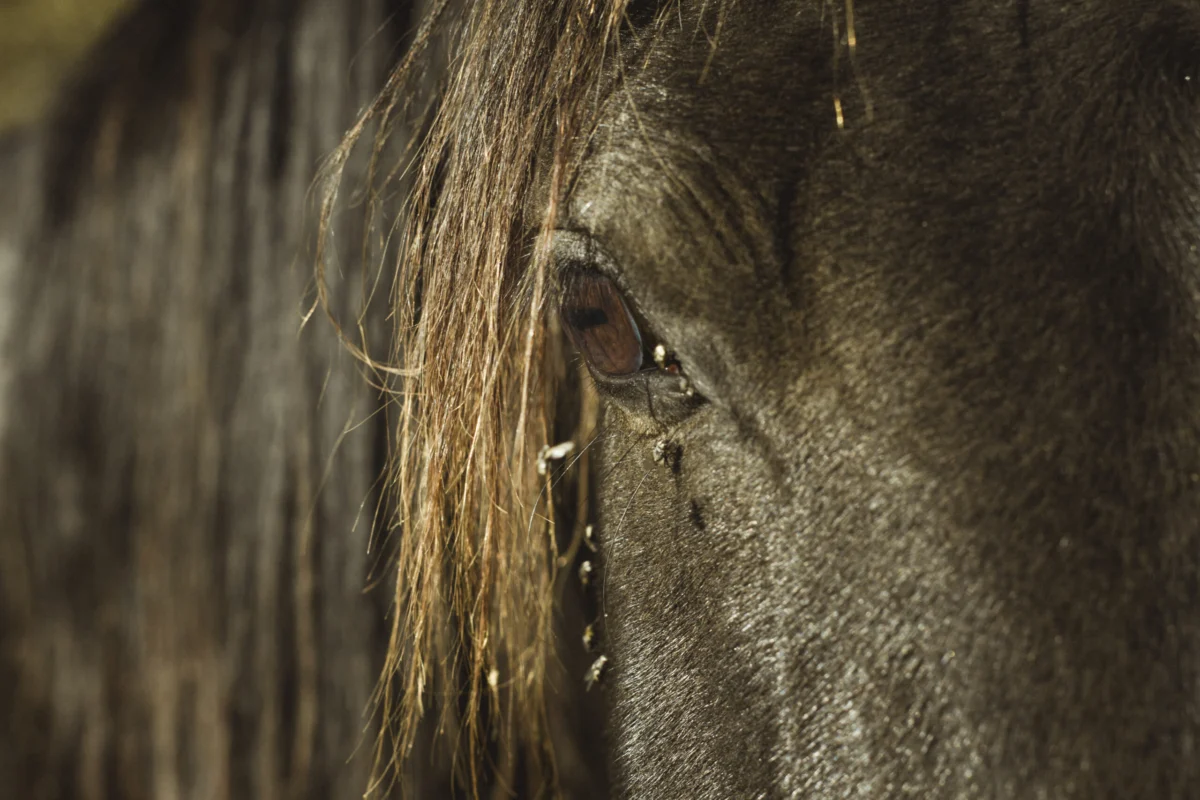
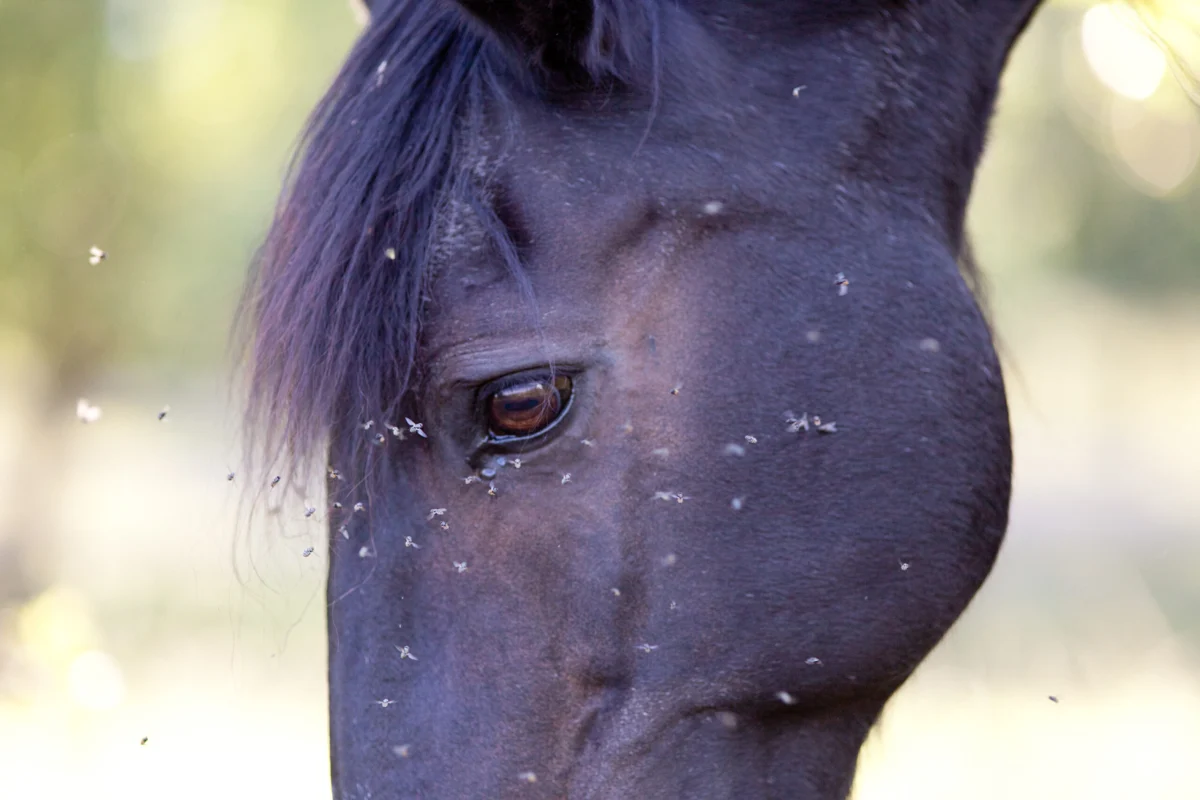
Transmission of C. pseudotuberculosis is primarily direct contact with contaminated soil or pus from draining abscesses. Fomites, such as grooming tools, tack, stalls, and shared equipment, can also play a role in indirect transmission. Importantly, flies, particularly stable flies and horn flies, are considered significant mechanical vectors, capable of picking up the bacteria from exudates and transferring it to open wounds on other horses. This vector-borne transmission is a key factor in the seasonal clustering of cases and the potential for rapid spread within a herd or region. The bacteria’s ability to survive for extended periods in the environment, especially in soil and manure, further complicates disease control efforts and underscores the importance of environmental management in prevention.
The Role of the Oregon State Department of Agriculture
The Oregon State Department of Agriculture plays a pivotal role in safeguarding animal health, agricultural interests, and public welfare across the state. Within its broader mandate, the OSDA’s Animal Health Program is responsible for monitoring, controlling, and preventing the spread of infectious diseases in livestock, including equids. This involves a range of activities, from conducting surveillance and diagnostic testing to implementing disease control protocols, issuing quarantines, and providing educational resources to animal owners and veterinarians.
In the context of diseases like pigeon fever, the OSDA acts as a central authority for confirming cases, tracking their geographical distribution, and advising on appropriate management strategies to limit further transmission. Their swift identification and reporting of these new cases in Deschutes and Morrow counties are crucial for activating local response efforts and informing the broader equine community about potential risks. This proactive approach helps to mitigate the economic impact of disease outbreaks and maintain the health and welfare of Oregon’s diverse equine population.
The Equine Disease Communication Center: A Vital Information Hub
The Equine Disease Communication Center (EDCC) is an independent nonprofit organization that serves as a vital clearinghouse for information on infectious equine diseases in the United States. Supported by industry donations, the EDCC provides open access to timely, verified disease reports, enabling horse owners, veterinarians, and equine industry stakeholders to stay informed about disease outbreaks. The EDCC Health Watch program, specifically referenced in the original report, is a marketing initiative of the Equine Network that leverages EDCC data to disseminate these critical health advisories.
The EDCC’s role is particularly significant for diseases like pigeon fever, which can spread rapidly and have considerable economic implications. By centralizing reporting from state veterinarians and diagnostic laboratories across the country, the EDCC facilitates rapid communication, allowing for early warning and coordinated responses. This transparency is invaluable for horse owners making decisions about travel, participation in events, or implementing enhanced biosecurity measures on their properties. The system relies on the voluntary reporting of confirmed cases by state animal health officials, ensuring that the information provided is accurate and actionable.
Chronology of Detection and Response
While specific dates for the recent Oregon detections are not provided, the general chronology of a pigeon fever outbreak typically follows a pattern. Initial signs are often observed by a horse owner or caretaker – perhaps a new swelling or an animal exhibiting lameness or general malaise. A local veterinarian is then consulted, who collects samples (e.g., pus from an abscess, blood for serology) and sends them to a diagnostic laboratory for bacterial culture or PCR testing. Upon confirmation of Corynebacterium pseudotuberculosis, the case is reported to the state animal health official, in this instance, the Oregon State Veterinarian’s office within the OSDA. The OSDA then verifies the information and officially reports the cases, which are subsequently shared with the EDCC for broader dissemination.
Given that pigeon fever’s peak season is late summer through fall, these recent detections in Oregon are timely reminders as the state approaches or enters this higher-risk period. The identification of "exposed" and "suspected" cases alongside confirmed positives suggests an ongoing investigative process, where veterinary professionals are actively monitoring at-risk animals and gathering further diagnostic evidence. This proactive surveillance is essential for understanding the true scope of the current outbreak and preventing wider dissemination.
Prevention and Biosecurity Measures
Effective prevention and control of pigeon fever rely heavily on diligent biosecurity practices and environmental management. Key strategies include:
- Fly Control: Given the role of flies as mechanical vectors, comprehensive fly control programs are paramount. This includes manure management (prompt removal and composting), use of fly repellents, fly masks and sheets, and potentially insecticidal sprays or feed-through larvicides.
- Wound Care: Meticulous attention to wound management is critical. All cuts, scrapes, and insect bites should be cleaned promptly and treated appropriately to prevent bacterial entry.
- Quarantine: New horses introduced to a facility should ideally be quarantined for a period of 2-3 weeks to monitor for any signs of illness before being integrated into the general herd. Similarly, horses confirmed or suspected of having pigeon fever should be isolated to prevent contact with healthy animals.
- Disinfection: Stalls, equipment (grooming tools, buckets, feeders, tack), and anything that has come into contact with an infected horse or its exudates should be thoroughly cleaned and disinfected. The bacterium can survive for extended periods in contaminated environments.
- Environmental Management: Areas where infected horses have been kept or where abscesses have ruptured should be cleaned of contaminated bedding and soil. Limiting access to muddy or wet areas where bacteria might persist can also be beneficial.
- Vaccination: A vaccine for C. pseudotuberculosis is available in some regions. While it may reduce the severity of disease and the number of abscesses, it is not 100% protective against infection and should be considered as part of a comprehensive biosecurity plan, not a standalone solution. Its efficacy can vary, and consultation with a veterinarian is essential to determine its suitability for a specific herd.
- Prompt Veterinary Consultation: If a horse owner suspects their animal is affected by pigeon fever, or observes any unusual swellings, lameness, or signs of illness, they should contact their veterinarian immediately. Early diagnosis and treatment can significantly improve outcomes and help prevent spread.
Diagnosis and Treatment Protocols
Diagnosis of pigeon fever typically involves a combination of clinical signs, physical examination, and laboratory testing. For external abscesses, a bacterial culture of the pus is the gold standard for confirming the presence of C. pseudotuberculosis. Blood tests (serology) can detect antibodies to the bacteria, indicating exposure, but may not differentiate between active infection and past exposure. For suspected internal abscesses, advanced diagnostics such as ultrasound or radiography may be necessary to visualize the lesions, followed by aspiration and culture of fluid samples.
Treatment primarily focuses on managing the abscesses and eliminating the bacteria. External abscesses are often lanced and drained once they are mature, allowing for the release of pus and promoting healing. Surgical drainage must be performed carefully to avoid contaminating the environment or other horses. Following drainage, the abscess cavity is typically flushed and cleaned. Antibiotics, often penicillin or trimethoprim-sulfamethoxazole, are prescribed, especially for internal abscesses or cases of ulcerative lymphangitis, which require prolonged courses (weeks to months) due to the intracellular nature of the bacteria and the chronic inflammatory response. Supportive care, including pain management and anti-inflammatory drugs, is also crucial for the comfort and recovery of the horse. The protracted nature of treatment underscores the importance of early detection and veterinary guidance.
Implications for Oregon’s Equine Community
The confirmed cases in Deschutes and Morrow counties carry several implications for Oregon’s equine community. Firstly, they serve as a critical reminder for horse owners across the state to review and reinforce their biosecurity protocols. Even properties not directly affected should increase their vigilance, particularly regarding fly control and wound management. Secondly, there is a potential for localized movement restrictions or increased scrutiny for horses traveling to and from affected areas, especially for competitions, shows, or breeding purposes. While not a federally reportable disease, individual event organizers or states may implement their own requirements to mitigate risk.
Veterinarians in Oregon will likely experience an increased number of inquiries and diagnostic submissions related to pigeon fever, necessitating a heightened awareness and readiness to diagnose and treat cases. Equine associations and industry groups may also amplify their educational efforts, disseminating information on prevention and control to their members. The economic burden on individual owners whose horses become infected can be substantial, leading to financial strain and potential emotional distress.
Broader Context and Zoonotic Potential
Pigeon fever is endemic in several regions of the United States, most notably California, Texas, and other arid states, where thousands of cases are reported annually. Its increasing prevalence in states like Oregon suggests a geographical expansion, potentially driven by factors such as climate change, increased horse movement, and persistent environmental reservoirs of the bacteria. Understanding these broader trends is vital for developing long-term disease management strategies.
While primarily an equine disease, it is important to note the low but present zoonotic potential of Corynebacterium pseudotuberculosis. Though rare, human infections have been reported, primarily in individuals with compromised immune systems or those who have had direct contact with infected animals or their abscess exudates through breaks in their own skin. Symptoms in humans can include skin lesions or, in very rare instances, more severe systemic infections. This low zoonotic risk emphasizes the importance of basic hygiene, such as wearing gloves when handling infected animals or their wounds, and thorough handwashing, particularly for those working closely with affected horses.
Call to Action and Future Outlook
The recent identification of equine pigeon fever cases in Oregon serves as a clear call to action for the state’s equine stakeholders. Prompt reporting of suspicious cases to veterinarians is paramount. Veterinarians, in turn, should work closely with the OSDA to ensure accurate diagnosis and reporting. Horse owners must commit to rigorous biosecurity measures, focusing on fly control, meticulous wound care, and isolation of affected animals. Education and awareness campaigns from organizations like the EDCC and local equine associations will continue to be crucial in empowering owners with the knowledge to protect their herds.
The OSDA will maintain its surveillance efforts, working collaboratively with private practitioners and horse owners to monitor the disease’s trajectory. By fostering a collective approach to disease management, Oregon can effectively mitigate the impact of pigeon fever and safeguard the health and well-being of its cherished equine population for the foreseeable future.