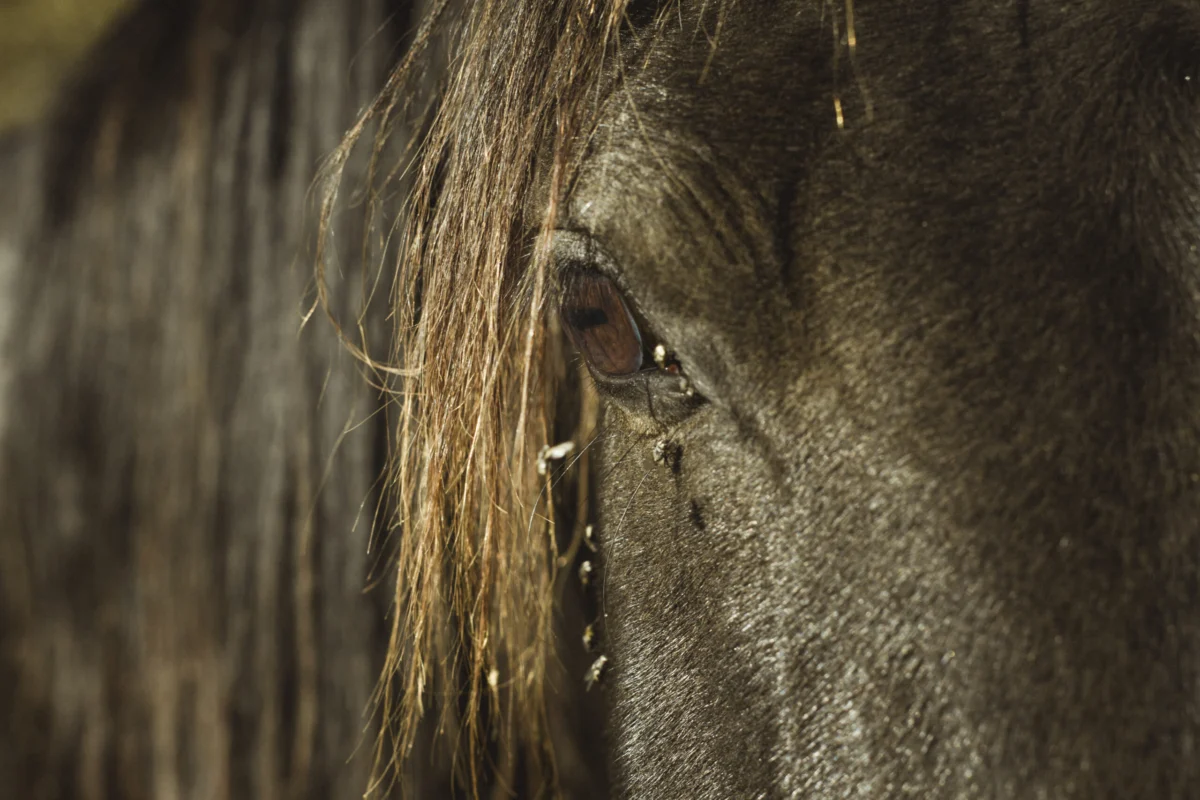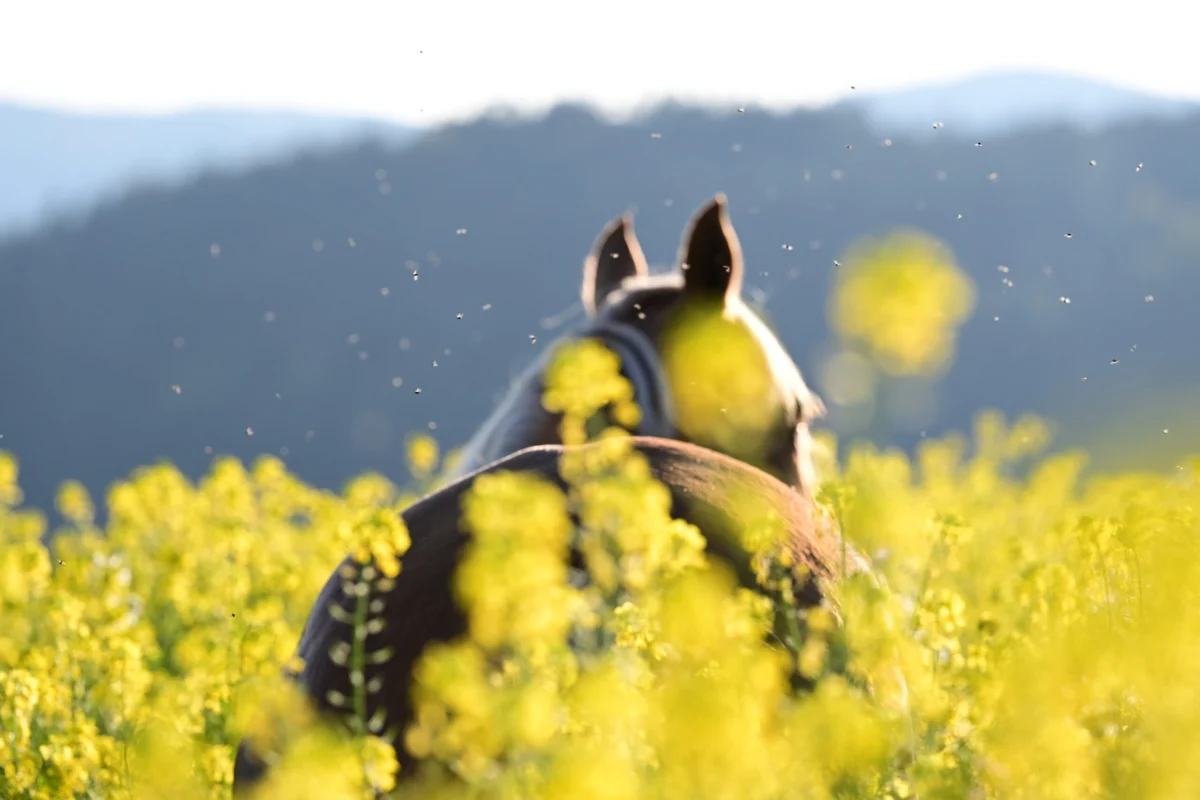
On September 30, 2023, a 24-year-old Quarter Horse mare in Grand County, Colorado, was confirmed positive for West Nile Virus (WNV), leading to her subsequent euthanasia. The mare, reportedly vaccinated against the arbovirus, developed severe neurological symptoms just six days prior to the official diagnosis, underscoring the persistent threat of WNV to equine populations, even in the late stages of mosquito season. This unfortunate incident serves as a stark reminder to horse owners across the region and beyond regarding the critical importance of comprehensive preventative measures, including timely vaccination and robust mosquito abatement strategies. The case has been meticulously documented by the Equine Disease Communication Center (EDCC), an independent nonprofit organization vital for disseminating verified equine disease reports and promoting industry-wide awareness.
Chronology of a Tragic Case
The timeline of the mare’s illness unfolded rapidly, illustrating the aggressive nature of West Nile Virus in susceptible equids. Clinical signs first appeared on September 24, indicating a swift progression from exposure to severe neurological impairment. The mare exhibited a range of distressing symptoms, including profound weakness, severe ataxia (incoordination), involuntary teeth grinding, and abnormal mentation, which is indicative of neurological compromise. Critically, her condition deteriorated to the point where she was unable to rise, a common and often grave sign in equine WNV cases. Despite the mare’s reported vaccination history, the rapid onset and severity of her symptoms ultimately necessitated the difficult decision of euthanasia on September 30, following the positive diagnostic confirmation. This particular case highlights the potential for breakthrough infections, even in vaccinated animals, emphasizing that while vaccines are highly effective, they do not offer absolute, impenetrable immunity in every instance.
Understanding West Nile Virus: A Persistent Equine Threat
West Nile Virus is a mosquito-borne zoonotic arbovirus that primarily cycles between birds and mosquitoes, with horses and humans acting as incidental, dead-end hosts. This means that while horses can contract the virus and become ill, they do not produce enough viremia (virus in the blood) to transmit the disease back to mosquitoes, thus not contributing to the further spread of the virus. The virus was first detected in North America in New York in 1999 and has since spread rapidly across the continental United States, establishing itself as an endemic threat in many regions, including Colorado.
Colorado, with its diverse ecosystems ranging from high plains to mountainous regions, provides ample breeding grounds for various mosquito species, particularly during warmer months. The presence of migratory bird populations further facilitates the introduction and spread of WNV throughout the state annually. The peak season for WNV activity typically spans from late summer through early fall, aligning with increased mosquito populations and sustained viral circulation. While September often marks a transition towards cooler weather, mosquito activity can persist, especially in areas with suitable microclimates, as evidenced by this late-season Grand County case. The virus thrives in humid conditions and stagnant water, making areas prone to irrigation or natural water bodies particularly vulnerable.
Clinical Manifestations and Prognosis in Equine Cases
Not all horses infected with WNV develop clinical signs; it is estimated that only about 10% of infected horses will exhibit symptoms. However, for those that do, the disease can be severe and life-threatening, primarily affecting the central nervous system. The clinical signs observed in the Grand County mare – weakness, ataxia, teeth grinding, abnormal mentation, and inability to rise – are classic indicators of neurological involvement. Other common symptoms include fever, muscle tremors (especially of the muzzle and face), hyperesthesia (increased sensitivity to touch), depression, anorexia, colic, and in severe cases, recumbency (inability to stand) and seizures. The neurological damage results from the virus replicating within the neurons of the brain and spinal cord, leading to inflammation and cellular dysfunction.
There is currently no specific antiviral cure for West Nile Virus in horses. Treatment is primarily supportive and aims to manage symptoms and provide comfort while the horse’s immune system attempts to fight off the infection. This supportive care can include intravenous fluids to maintain hydration, anti-inflammatory medications to reduce brain swelling, anticonvulsants for seizures, and nursing care to prevent complications in recumbent animals. Despite aggressive supportive care, the prognosis for horses that develop severe neurological signs, especially those unable to stand, is guarded. Equine mortality rates associated with WNV can range from 30% to 40%, and even among survivors, some may experience long-term neurological deficits such as persistent weakness, ataxia, or behavioral changes. The age of the Grand County mare (24 years old) may have also been a contributing factor to the severity of her illness, as older horses, like very young foals, can sometimes have a less robust immune response or underlying health conditions that complicate recovery.
Vaccination: The Cornerstone of Prevention
Vaccination remains the most critical and effective tool for preventing West Nile Virus infection and mitigating disease severity in horses. Studies have consistently demonstrated that WNV vaccines are highly effective in protecting horses from clinical disease, significantly reducing the risk of illness and death. These vaccines are considered "core" vaccines for horses in the United States, meaning they are recommended for all equids regardless of geographic location or lifestyle due to the widespread nature and severe consequences of the disease.
For horses previously vaccinated against WNV, an annual booster shot is typically recommended to maintain protective immunity. However, in regions with prolonged mosquito seasons, such as parts of Colorado, or during years of particularly high WNV activity, veterinarians may recommend administering two boosters annually – one in the spring before the peak mosquito season begins and another in the fall to provide sustained protection. For previously unvaccinated horses, a primary vaccination series consisting of two shots administered three to six weeks apart is required to establish initial immunity. It is crucial to understand that it takes several weeks for horses to develop a protective immune response following the completion of the primary series or booster administration. Therefore, vaccination efforts should be timed strategically to ensure horses are protected before mosquito populations reach their peak.
The case of the vaccinated mare in Grand County, while tragic, underscores several important considerations regarding vaccine efficacy. No vaccine provides 100% protection in all individuals. Factors that can influence vaccine effectiveness include:
- Timing of Vaccination: If the mare was vaccinated early in the year, her immunity might have waned by late September, especially if only a single annual booster was given and the mosquito season extended.
- Individual Immune Response: Every horse’s immune system responds differently. Some horses may not mount a sufficiently robust protective response even after proper vaccination.
- Vaccine Storage and Administration: Improper handling or administration of vaccines can compromise their efficacy.
- Viral Strain Virulence: While WNV strains are generally consistent, variations in virulence could theoretically play a role, though this is less common.
- Overwhelming Viral Load: In cases of extremely high exposure to infected mosquitoes, even a vaccinated horse could potentially be overwhelmed by a massive viral dose.
These factors highlight the importance of consulting with a veterinarian to establish a tailored vaccination schedule based on regional risk, individual horse health, and vaccine product recommendations.
Integrated Mosquito Control: Beyond Vaccination
While vaccination is paramount, it should be part of a comprehensive WNV prevention strategy that also includes aggressive mosquito control measures. Reducing mosquito populations and limiting horses’ exposure to these vectors significantly lowers the risk of infection. Horse owners can implement several strategies:
- Eliminate Standing Water: Mosquitoes lay their eggs in stagnant water. Regularly inspect and empty any containers that can hold water, such as old tires, buckets, wheelbarrows, and bird baths. Clean and refresh water troughs at least twice a week. Ensure proper drainage in pastures and around barns to prevent water accumulation.
- Larvicides: For unavoidable standing water sources (e.g., ponds, drainage ditches), consider using larvicides that target mosquito larvae without harming other animals. Products containing Bacillus thuringiensis israelensis (Bti) are environmentally friendly options.
- Barn Management: Install screens on barn windows and doors to prevent mosquitoes from entering. Use high-powered fans in stalls, as mosquitoes are weak fliers and struggle against air currents.
- Repellents: Apply approved equine mosquito repellents containing permethrin, pyrethrin, or other effective ingredients, especially during peak mosquito activity hours.
- Timing of Turnout: Limit turnout during dawn and dusk, which are prime feeding times for many mosquito species. Stable horses overnight if possible, particularly during high-risk periods.
- Fly Sheets and Masks: Utilize fly sheets and fly masks impregnated with permethrin or designed to physically block mosquitoes, offering an additional layer of protection for horses turned out.
- Community Efforts: Encourage community-wide mosquito control programs, which can include surveillance, larviciding, and adulticiding (fogging) in areas with high mosquito populations or WNV activity.
Official Response and Surveillance
The reporting of the Grand County WNV case through the Equine Disease Communication Center (EDCC) exemplifies the critical role of robust surveillance systems in managing equine infectious diseases. The EDCC acts as a central hub for collecting and disseminating verified disease information from state animal health officials, veterinary diagnostic laboratories, and other sources. This rapid communication allows horse owners, veterinarians, and industry stakeholders to stay informed about disease outbreaks in real-time, enabling them to take timely preventive actions.
Upon confirmation of a WNV case, state veterinary officials in Colorado typically issue alerts and provide guidance to local veterinarians and horse owners. This guidance often reinforces the importance of vaccination, mosquito control, and prompt reporting of any suspicious neurological symptoms in horses. Public health officials also monitor WNV activity in both equine and human populations, as equine cases can serve as sentinels for increased viral circulation and potential risk to humans. Collaboration between equine veterinarians, state animal health agencies, and human public health departments is crucial for a coordinated response to arboviral threats.
Broader Implications for Equine Owners
The Grand County WNV case carries significant implications for equine owners not only in Colorado but across any region where the virus is endemic. Firstly, it serves as a powerful reminder that WNV is an ongoing, year-round concern, with risks extending well into the fall season. Owners should not become complacent as summer transitions to autumn. Secondly, the economic impact of WNV on horse owners can be substantial, encompassing veterinary examination fees, diagnostic testing, intensive supportive care, and potentially the emotional and financial loss of an animal. Proactive prevention, though it requires consistent effort and expense (vaccination, repellents, environmental management), is invariably more cost-effective and humane than treating a full-blown WNV infection.
Furthermore, this incident underscores the concept of "herd immunity" and collective responsibility. When a significant portion of the equine population is vaccinated, it reduces the overall viral load in the environment, indirectly protecting unvaccinated or immunocompromised horses. While horses are dead-end hosts for WNV, the presence of equine cases signals that the virus is actively circulating in the local mosquito population, which can also pose a risk to humans. Therefore, effective equine WNV prevention strategies contribute to broader public health efforts.
In conclusion, the confirmed West Nile Virus case in Grand County, Colorado, is a somber reminder of the enduring threat posed by this mosquito-borne disease. While the euthanasia of the mare is a tragic outcome, it provides invaluable data that reinforces the critical need for horse owners to remain vigilant. Adherence to recommended vaccination protocols, meticulous mosquito control, and prompt veterinary consultation for any neurological symptoms are indispensable practices for safeguarding equine health and well-being against the persistent menace of West Nile Virus. Continued education and proactive measures are the best defense against this formidable pathogen.