rifanmuazin
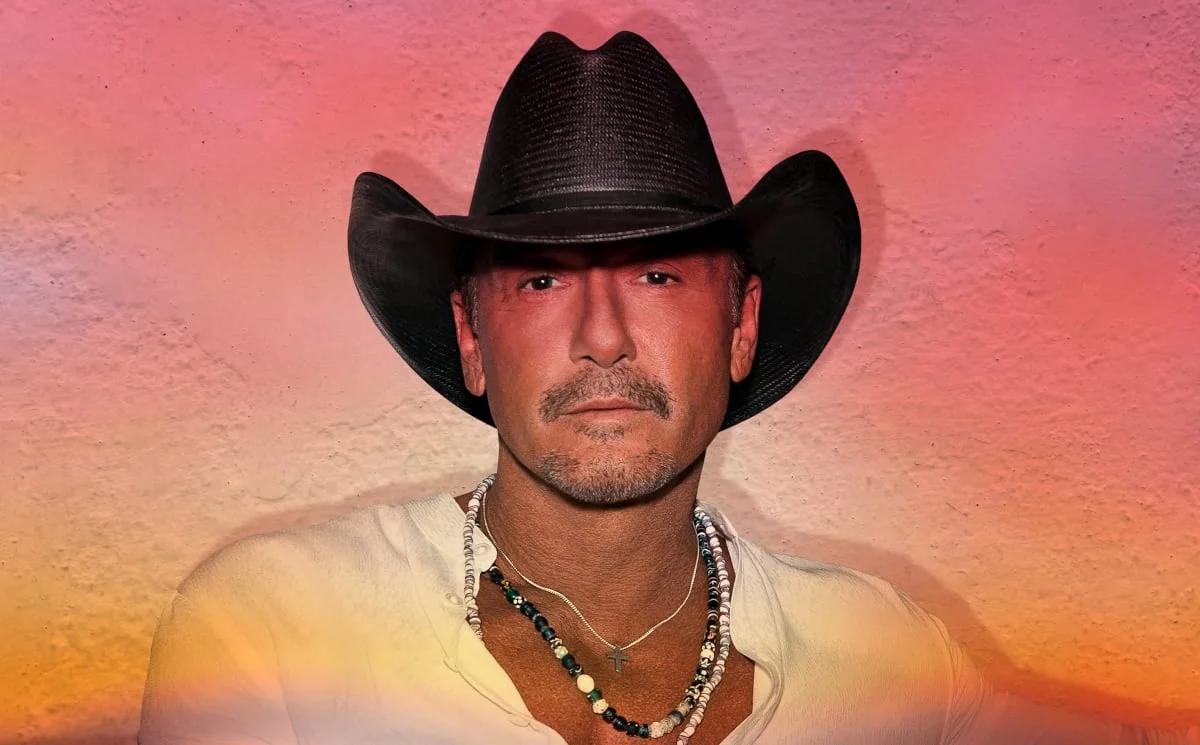
The Country Music Hall of Fame and Museum officially welcomed its 2026 class of inductees on Sunday, October 18, 2026, during the annual Medallion Ceremony held at the CMA Theater in Nashville, Tennessee. The prestigious event saw the formal induction of modern-era superstar Tim McGraw, bluegrass pioneers the Stanley Brothers, and prolific songwriter Paul Overstreet. While the ceremony represents the highest honor achievable in the country music genre, the event’s continued exclusivity and the lack of a public broadcast have sparked renewed debate regarding the institution’s transparency and its methods of engaging with the global fan base.
The Medallion Ceremony is the culmination of a months-long process that begins with the announcement of the inductees in the spring. As per tradition, the event is a private, black-tie affair intended to provide a dignified atmosphere for the inductees, their families, and existing Hall of Fame members. However, the limited capacity of the venue and the absence of real-time media coverage have led to criticism that the ceremony remains disconnected from the very public that sustains the industry.
The 2026 Inductees: Legacies of Innovation and Tradition
The 2026 class represents three distinct pillars of the country music narrative: the commercial heights of the modern era, the foundational roots of the veteran era, and the behind-the-scenes craftsmanship of the songwriting community.
Tim McGraw: Modern Era Inductee
Tim McGraw’s induction as the Modern Era artist honors a career that has spanned over three decades and redefined the commercial boundaries of the genre. Since his breakthrough in the early 1990s, McGraw has secured 45 number-one singles and sold more than 80 million records worldwide. His influence extends beyond music into film and television, but his contribution to the "90s Country" explosion remains his primary legacy. During the ceremony, McGraw was celebrated not only for his vocal prowess but for his ability to curate songs that resonate with the American experience.
The Stanley Brothers: Veteran Era Inductees
The induction of the Stanley Brothers—Carter and Ralph Stanley—addresses a significant historical chapter in the Veteran Era category. While Ralph Stanley was previously inducted as a solo artist in 2000, the 2026 induction recognizes the duo’s foundational work in the 1940s and 50s. The Stanley Brothers were instrumental in the development of bluegrass, introducing a "mountain soul" sound characterized by haunting harmonies and Ralph’s distinctive banjo style. Carter Stanley, who passed away in 1966, was posthumously honored for his songwriting and lead vocals, which served as a blueprint for generations of acoustic musicians.
Paul Overstreet: Songwriter Category
Paul Overstreet was inducted in the revolving category, which rotates every three years between songwriters, musicians, and non-performers. Overstreet’s catalog includes some of the most recognizable hits in country music history, such as Randy Travis’s "Forever and Ever, Amen" and Keith Whitley’s "When You Say Nothing at All." His work in the 1980s and 90s helped steer the genre toward a more melodic, family-oriented traditionalism that bridged the gap between the outlaw era and the modern pop-country transition.
Ceremony Highlights and Musical Tributes
The Medallion Ceremony is characterized by "tribute performances," where current stars and peers perform the works of the inductees. The 2026 ceremony featured a diverse lineup of talent reflecting the broad reach of the honorees.
For the Stanley Brothers, the tribute took on a bluegrass-heavy tone. Performances included collaborations between Patty Loveless, Billy Strings, Ricky Skaggs, Vince Gill, Molly Tuttle, Sierra Hull, and Alison Brown. The inclusion of younger artists like Strings and Tuttle highlighted the enduring relevance of the Stanley Brothers’ catalog in the contemporary Americana and bluegrass scenes.
Paul Overstreet was honored by Dean Dillon, Jamey Johnson, and Blake Shelton. These performances emphasized Overstreet’s dual success as both a songwriter and a recording artist, noting his ability to craft lyrics that possess both simplicity and profound emotional depth.
The tribute to Tim McGraw featured contemporary stars Parker McCollum, Lady A, and Lainey Wilson. Reports from inside the room indicated that the performances were high-energy, reflecting McGraw’s stadium-filling career. However, the emotional peak of the evening was McGraw’s own induction speech. Attendees noted that the singer became visibly moved when speaking about his wife, Faith Hill, and their three daughters, illustrating the personal sacrifices and familial support behind his professional longevity.
The Architecture of Exclusivity: Venue and Access Constraints
Despite the significance of these inductions, the Medallion Ceremony remains one of the most difficult events to witness in the music industry. The ceremony is held in the CMA Theater, which has a maximum seating capacity of 776. A secondary, smaller venue within the museum, the Ford Theater, provides an additional 213 seats for an overflow audience via a closed-circuit simulcast.
With a total of fewer than 1,000 seats available, the vast majority of tickets are reserved for Hall of Fame members, inductee guests, and high-level donors. This leaves little to no room for the general public or a broad contingent of the press. Critics point out that this "closed-door" policy stands in stark contrast to other major halls of fame. For example, the Rock & Roll Hall of Fame holds its induction ceremonies in large arenas or public theaters and broadcasts the edited highlights on major streaming platforms or cable networks.
The lack of space has led to logistical friction in the past. Industry veterans often cite the incident where the widow of the late Charlie Daniels was reportedly turned away from a ceremony due to capacity issues, despite her husband’s status as a Hall of Fame member. In 2026, the scarcity of media credentials meant that information regarding the induction of the Stanley Brothers and Paul Overstreet was filtered through social media snippets rather than comprehensive professional reporting.
The Digital Void and the "Tan" Controversy
The consequences of the Hall of Fame’s restrictive media policy became evident in the immediate aftermath of the 2026 ceremony. Because no official high-definition video of the full speeches or performances was released to the public, the digital narrative was hijacked by peripheral observations.
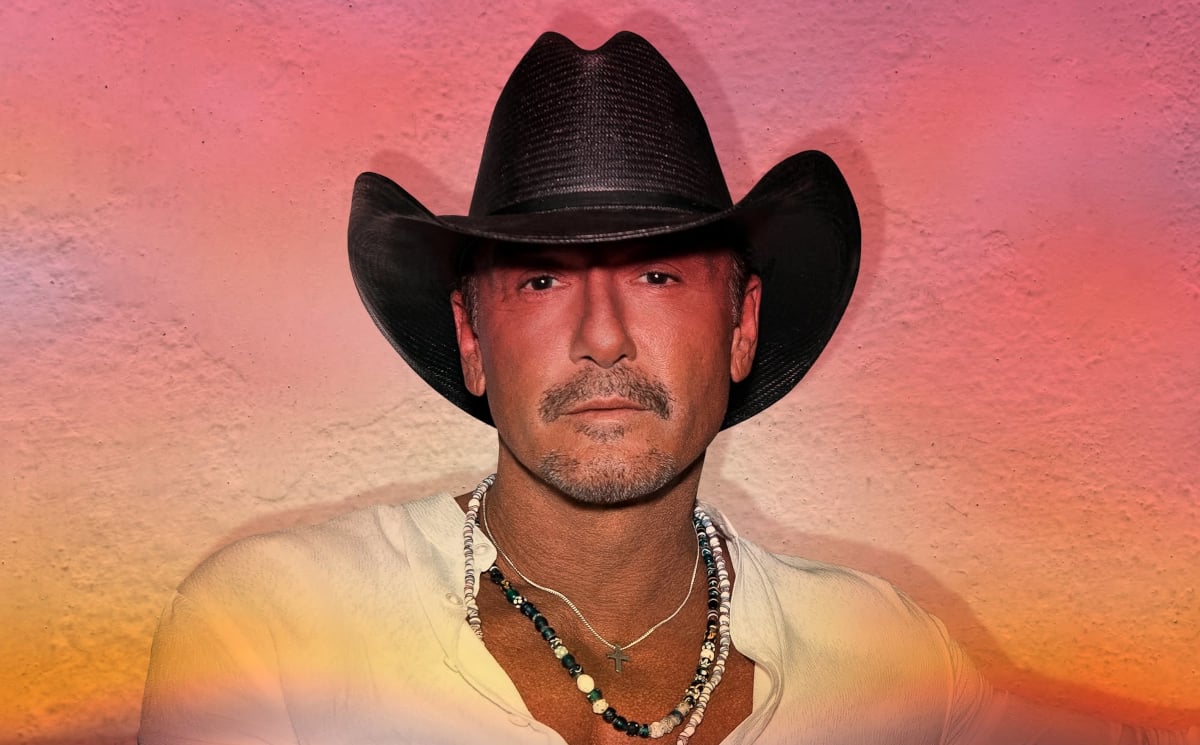
On Monday, October 19, social media platforms and tabloid outlets like the Daily Mail and The Daily Beast focused almost exclusively on Tim McGraw’s physical appearance. Photos from the red carpet and the ceremony showed McGraw with a deep, luminous tan that contrasted sharply with his hands and the lighting of the venue. In the absence of being able to hear his "impassioned and emotional" speech, the public discourse devolved into memes and comparisons to pop culture figures, ranging from Oompa Loompas to political figures.
This phenomenon highlights a growing concern for the Country Music Hall of Fame: when the institution does not provide the primary content (the music and the speeches), the vacuum is filled by superficial commentary. Industry analysts argue that by failing to broadcast the ceremony, the Hall of Fame is squandering its most potent tool for brand building and historical education.
Analysis of Institutional Impact and Future Implications
The Country Music Hall of Fame and Museum operates as a 501(c)(3) non-profit institution. Its mission is to preserve the evolving history of country music and to educate a diverse audience. However, the current structure of the Medallion Ceremony suggests a prioritization of "prestige" over "accessibility."
Fundraising vs. Public Engagement
The exclusivity of the event is partly a fundraising strategy. Access to the ceremony is a primary perk for the museum’s highest-tier donors. While this generates essential revenue for the museum’s archival and educational programs, it creates a "pay-to-play" barrier that excludes the core demographic of country music fans.
The Ryman Alternative
One proposed solution frequently discussed among Nashville insiders is moving the Medallion Ceremony to the Ryman Auditorium. Located just blocks from the Hall of Fame, the "Mother Church of Country Music" offers a seating capacity of approximately 2,362—nearly triple that of the CMA Theater. Moving the event to the Ryman would allow for a limited number of public tickets to be sold, increasing transparency and allowing fans to witness the induction of their heroes in a historically significant setting.
The Necessity of a Media Partner
Furthermore, the lack of a broadcast partner in 2026 is seen as a missed opportunity for the genre. At a time when country music is experiencing a global resurgence in popularity, a televised or live-streamed Medallion Ceremony could serve as a "Grammy-level" event for the industry. Such a broadcast would provide a platform for veteran artists (like the Stanley Brothers) to be introduced to younger audiences who may only be familiar with modern stars like Tim McGraw.
Conclusion
The 2026 Country Music Hall of Fame Medallion Ceremony successfully honored three deserving entities who have shaped the sound of American music. Tim McGraw, the Stanley Brothers, and Paul Overstreet now hold the genre’s highest distinction. However, the event also served as a reminder of the growing friction between traditional institutional practices and the modern demand for digital transparency.
As the Hall of Fame moves toward its 2027 cycle, the pressure to evolve the Medallion Ceremony into a more inclusive public event continues to mount. For an institution dedicated to "saving" country music and its history, the next step may involve opening its doors—both physical and digital—to the millions of fans who keep that history alive. Until then, the greatest moments in country music history will continue to happen behind closed doors, leaving the public to focus on the trivial rather than the monumental.