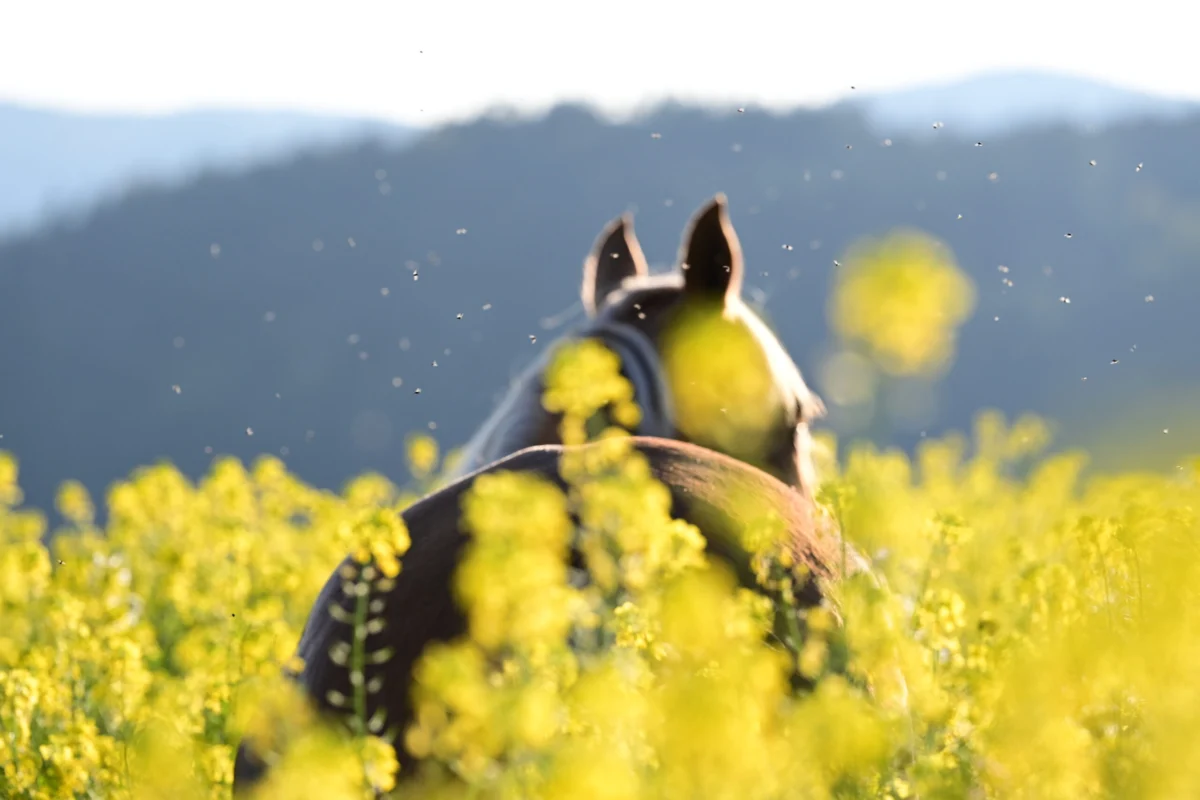
Four new equine West Nile virus (WNV) cases have been reported to the Equine Disease Communication Center (EDCC), underscoring the persistent threat this mosquito-borne disease poses to horse populations across the United States. The confirmed cases span three states – Kansas, Tennessee, and Kentucky – serving as a critical reminder for horse owners to remain vigilant and ensure their animals are adequately protected, particularly as mosquito activity remains prevalent in many regions. These recent detections highlight the ongoing necessity for robust vaccination programs and comprehensive environmental management strategies to mitigate the spread of WNV, a disease with significant health and economic implications for the equine industry.
Understanding West Nile Virus in Equines
West Nile virus is a formidable pathogen, belonging to the Flaviviridae family, and is primarily transmitted to horses through the bite of infected mosquitoes. While WNV is well-known for its zoonotic potential, affecting both humans and a wide range of animals, horses are considered "dead-end hosts." This means that while they can become severely ill and even die from the infection, the viral load in their bloodstream is typically too low to infect feeding mosquitoes, thus preventing direct horse-to-horse or horse-to-human transmission. Understanding the intricate life cycle of WNV is crucial for appreciating the preventative measures required.
Pathogenesis and Transmission
The transmission cycle of WNV primarily involves birds as amplifying hosts and mosquitoes, particularly species within the Culex genus, as vectors. Infected mosquitoes acquire the virus by feeding on infected birds, which can circulate high levels of the virus in their blood for several days. After an extrinsic incubation period within the mosquito, the virus replicates and migrates to the mosquito’s salivary glands, making it capable of transmitting the virus to new hosts during subsequent blood meals. When an infected mosquito bites a horse, the virus is introduced into the horse’s bloodstream. The virus then replicates and can travel to the central nervous system, where it can cause inflammation of the brain (encephalitis) and spinal cord (myelitis), leading to the neurological signs characteristic of the disease. The prevalence of WNV typically peaks during late summer and early fall, coinciding with periods of high mosquito populations and environmental conditions favorable for their breeding.
Clinical Manifestations in Horses
One of the challenging aspects of WNV infection in horses is that not all infected animals will display clinical signs. It is estimated that a significant proportion of infected horses remain asymptomatic or show only mild, transient signs that may go unnoticed. However, for those horses that do develop clinical disease, the symptoms can range from subtle to severe and life-threatening. The incubation period typically ranges from 3 to 15 days following exposure.
Common clinical signs of equine WNV infection, which reflect neurological impairment, include:
- Ataxia: Incoordination, stumbling, or an unsteady gait, often most noticeable in the hind limbs.
- Muscle Tremors: Shivering or twitching, particularly around the muzzle, face, and neck.
- Hyperesthesia: An abnormal increase in sensitivity to sensory stimuli, making the horse jumpy or easily startled.
- Weakness: Generalized weakness or partial paralysis, especially in the hind limbs, which can lead to difficulty standing or recumbency.
- Proprioceptive Deficits: Difficulty knowing where their feet are in space.
- Behavioral Changes: Lethargy, depression, apprehension, or changes in temperament.
- Head Pressing: Compulsively pressing their head against a wall or other stationary object.
- Convulsions/Seizures: In severe cases, leading to collapse.
- Recumbency: Inability to stand, which often carries a grave prognosis.
- Dysphagia: Difficulty swallowing.
The severity of clinical signs and the ultimate outcome can be influenced by several factors, including the horse’s age, immune status, prior vaccination history, and the specific strain of the virus. Foals, geriatric horses, and immunocompromised individuals are often more susceptible to severe disease.
Diagnosis and Treatment
Diagnosing WNV in horses typically involves a combination of clinical evaluation and laboratory testing. Definitive diagnosis is often achieved through serological tests that detect antibodies against the virus, such as IgM capture ELISA, which indicates recent infection, or through Polymerase Chain Reaction (PCR) tests that detect viral genetic material in blood or cerebrospinal fluid (CSF). Post-mortem examination of brain tissue can also confirm the diagnosis.
Unfortunately, there is no specific antiviral cure for West Nile virus in horses. Treatment is entirely supportive and aimed at managing clinical signs and improving the horse’s comfort and chances of recovery. This often includes:
- Anti-inflammatory medications: Such as NSAIDs (non-steroidal anti-inflammatory drugs) like flunixin meglumine, to reduce brain and spinal cord inflammation and alleviate pain.
- Fluid therapy: To maintain hydration and electrolyte balance, especially if the horse has difficulty eating or drinking.
- Nutritional support: Ensuring the horse receives adequate nutrition, sometimes requiring hand-feeding or assisted feeding.
- Sling support: For recumbent horses, to prevent pressure sores and aid in standing.
- Nursing care: Providing a safe, quiet environment, protecting from self-injury, and turning recumbent horses to prevent complications.
Despite intensive supportive care, the prognosis for horses with severe neurological signs can be guarded. Equine mortality rates associated with WNV can reach a staggering 30-40%, underscoring the devastating potential of the disease and the critical importance of prevention. Even among survivors, some horses may experience residual neurological deficits, impacting their athletic ability or quality of life.
Geographical Context and Chronology of Outbreaks
The confirmation of WNV cases in Kansas, Tennessee, and Kentucky is consistent with the historical epidemiology of the virus in the United States. WNV first arrived in the Western Hemisphere in 1999, detected in New York City, and rapidly spread across the continental U.S. within a few years. Since its introduction, WNV has become endemic in many parts of the country, with annual outbreaks occurring during warmer months when mosquito populations are active.
Historical Perspective of WNV in the U.S.
The initial spread of WNV across the U.S. was swift and alarming, causing significant equine morbidity and mortality. Public health and veterinary agencies quickly mobilized to understand and combat the disease. Over two decades later, WNV remains a significant public health and animal health concern, with thousands of equine cases reported annually nationwide. The geographical distribution of WNV is broad, with virtually all states having reported cases at some point. The highest incidence typically occurs in states with climates conducive to large mosquito populations and widespread avian reservoirs.
Specifics for Kansas, Tennessee, Kentucky
Kansas, Tennessee, and Kentucky are all states where WNV is considered endemic, meaning the virus is regularly detected and circulates within local bird and mosquito populations. These states, particularly Tennessee and Kentucky with their humid subtropical climates, provide ample opportunities for mosquito breeding, especially following periods of rainfall that create standing water. The reported cases likely represent the ongoing seasonal activity of WNV, which typically begins to manifest in late spring or early summer, peaks in late summer, and subsides with the first hard frosts of autumn. The EDCC’s alert serves as a timely reminder that while WNV activity may vary year to year, the threat is ever-present during mosquito season in these regions. Specific details regarding the exact locations within these states or the precise dates of onset were not immediately available, but their inclusion in the EDCC report indicates verified diagnoses that warrant broader awareness.
The Critical Role of Vaccination
Vaccination stands as the cornerstone of WNV prevention in horses, proven to be highly effective in reducing the risk of clinical disease and mortality. The American Association of Equine Practitioners (AAEP) designates WNV as a "core" vaccine, meaning it is recommended for all horses annually, regardless of their geographical location or lifestyle, due to the widespread nature of the virus and the severity of the disease.
Core Vaccination Status
The classification of WNV as a core vaccine underscores its importance in equine health management. Veterinarians universally recommend WNV vaccination as part of a comprehensive preventative health program. Horse owners should consult with their veterinarian to develop an individualized vaccination schedule tailored to their horse’s age, health status, and regional risk factors. This consultation ensures that horses receive the appropriate vaccine at the correct intervals to maintain optimal immunity.
Vaccination Protocols and Efficacy
For previously vaccinated horses, an annual booster shot is essential to maintain protective immunity. This booster is typically administered in the spring, well in advance of the peak mosquito season, to ensure horses have robust protection when the risk of exposure is highest. In areas with prolonged mosquito seasons, such as many southern states including Tennessee and Kentucky, veterinarians might recommend two boosters annually – one in the spring and another in the fall. This strategy provides extended protection throughout an extended period of mosquito activity.
For previously unvaccinated horses, a two-shot vaccination series is required. These two doses are typically administered three to six weeks apart. It is crucial to understand that it takes several weeks following the completion of the initial vaccination series or a booster administration for horses to develop full protective immunity against the disease. This lag time emphasizes the importance of planning vaccinations well before the onset of mosquito season. There are several types of WNV vaccines available, including inactivated virus vaccines and recombinant canarypox vector vaccines, both of which have demonstrated high efficacy in stimulating an immune response that protects against clinical disease. Studies consistently show that vaccinated horses are significantly less likely to develop WNV encephalitis and have a much higher survival rate if they do become infected compared to unvaccinated horses.
Comprehensive Mosquito Control Strategies
While vaccination is paramount, it is not a standalone solution. A multi-pronged approach that combines vaccination with robust mosquito control strategies significantly enhances protection against WNV. Horse owners must actively work to reduce mosquito populations and limit their horses’ exposure to these vectors.
Environmental Management
Reducing mosquito breeding areas is the first line of defense in environmental management. Mosquitoes lay their eggs in standing water, so eliminating these habitats is critical:
- Eliminate Standing Water: Regularly empty and clean water buckets, troughs, and bird baths. Remove old tires, tarps, and any containers that can collect water.
- Maintain Drainage: Ensure pastures and paddocks have proper drainage to prevent water accumulation after rainfall. Fill in low-lying areas that collect water.
- Repair Leaks: Fix leaky faucets, hoses, and irrigation systems that can create puddles.
- Clean Gutters: Keep rain gutters clean and free of debris to prevent water from pooling.
- Larvicides: For larger bodies of water that cannot be eliminated, such as ponds, drainage ditches, or infrequently used septic tanks, consider using mosquito dunks or larvicides containing Bacillus thuringiensis israelensis (Bti). Bti is a naturally occurring bacterium that is toxic to mosquito larvae but safe for other wildlife, pets, and humans. Always follow product instructions carefully.
Individual Horse Protection
In addition to managing the environment, specific measures can be taken to limit individual horses’ exposure to mosquitoes:
- Insect Repellents: Use equine-specific insect repellents that are effective against mosquitoes. Apply them according to product instructions, particularly before turnout during peak mosquito activity.
- Stall During Peak Hours: Mosquitoes are most active during dawn and dusk. Stabling horses in barns during these times can significantly reduce their exposure.
- Fans in Stalls: Use large fans in stalls to create air currents that deter mosquitoes, as they are weak fliers.
- Screens on Barns: Install screens on barn windows and doors to prevent mosquitoes from entering.
- Fly Sheets and Masks: Utilize fly sheets, boots, and masks designed to provide a physical barrier against insect bites, especially for sensitive horses.
- Stable Hygiene: Regular removal of manure and soiled bedding can also help reduce attraction for some mosquito species, though this is more critical for fly control.
The Equine Disease Communication Center (EDCC) and Industry Response
The Equine Disease Communication Center (EDCC) plays an indispensable role in safeguarding equine health across the nation. As an independent nonprofit organization, the EDCC is primarily supported by industry donations, allowing it to fulfill its mission of providing open access to accurate and timely information on infectious equine diseases.
EDCC’s Mission and Function
The EDCC acts as a central hub for collecting, verifying, and disseminating reports of infectious equine diseases. Its primary function is to facilitate rapid communication between veterinarians, horse owners, and state animal health officials, enabling quick responses to disease outbreaks. When cases like these WNV infections are reported, the EDCC verifies the information and then publishes alerts through platforms such as the EDCC Health Watch, which is an Equine Network marketing program. This rapid dissemination of verified reports is crucial for several reasons:
- Early Warning System: Alerts horse owners and veterinarians in affected and neighboring regions to increase vigilance.
- Informed Decision-Making: Allows owners to make informed decisions about horse travel, event participation, and enhanced biosecurity measures.
- Disease Surveillance: Contributes to a national understanding of disease prevalence, geographical spread, and seasonal patterns.
- Promotes Prevention: Reinforces the importance of vaccination and other preventative strategies.
The EDCC’s commitment to providing open access to this critical information is a testament to the collaborative spirit within the equine industry to protect horses from infectious threats.
Industry Collaboration and Preparedness
The ongoing threat of WNV and other infectious diseases necessitates a strong collaborative effort across the equine industry. Veterinarians are on the front lines, diagnosing cases and advising clients. State animal health officials implement surveillance programs and provide guidance on disease control. Horse owners are crucial partners, responsible for implementing biosecurity protocols, ensuring vaccination compliance, and promptly reporting any suspicious signs to their veterinarians. Organizations like the EDCC provide the vital communication infrastructure.
These WNV alerts have broader implications for the equine industry. Event organizers may need to review their biosecurity plans for shows and competitions. Equine transport companies may need to advise clients on specific preventative measures for horses traveling through affected areas. Insurance providers may adjust policies or recommendations based on disease prevalence. The collective preparedness of the industry, fueled by accurate information from sources like the EDCC, is vital for minimizing the impact of outbreaks.
Broader Implications and Public Health Context
The detection of WNV in horses extends beyond equine health, carrying significant public health implications and economic consequences for the broader agricultural sector.
Zoonotic Nature and Human Health
West Nile virus is a zoonotic pathogen, meaning it can be transmitted from animals to humans, although horses are dead-end hosts. While horses do not directly transmit WNV to humans, equine cases serve as an important sentinel event. When WNV is detected in horses, it indicates that the virus is actively circulating in the local mosquito population, increasing the risk of human exposure and infection. Public health agencies closely monitor equine WNV cases as an early warning system to anticipate potential human outbreaks.
Most people infected with WNV (about 80%) remain asymptomatic. Approximately 20% develop West Nile fever, characterized by symptoms such as fever, headache, body aches, joint pain, vomiting, diarrhea, or rash. A small percentage (less than 1%) develop severe neuroinvasive disease, which can include West Nile encephalitis (inflammation of the brain), meningitis (inflammation of the membranes surrounding the brain and spinal cord), or acute flaccid paralysis. These severe forms can result in long-term neurological deficits or even death. Therefore, an increase in equine WNV cases often prompts public health advisories for human populations, emphasizing personal protective measures against mosquito bites.
Economic Impact on the Equine Industry
The economic impact of WNV on the equine industry can be substantial. Direct costs include veterinary treatment expenses, which can be extensive for horses requiring intensive supportive care. The potential loss of valuable horses, including breeding stock, performance animals, or beloved companions, represents a significant financial and emotional toll. Outbreaks can also lead to:
- Disruptions to Events: Cancellations or postponements of horse shows, races, and other equine events to prevent further disease spread, resulting in lost revenue for organizers and participants.
- Reduced Horse Travel: Owners may be reluctant to transport horses, impacting sales, breeding services, and training opportunities.
- Increased Prevention Costs: Higher expenditure on vaccines, repellents, and mosquito control measures.
- Insurance Implications: Potential increases in insurance premiums or changes in coverage for WNV-related illnesses.
The economic burden underscores the cost-effectiveness of preventative measures, particularly vaccination, which is a relatively inexpensive investment compared to the potential costs of treating an infected horse or the financial losses associated with disease-related disruptions.
Future Outlook and Climate Change
The ongoing presence of WNV raises questions about its future trajectory, particularly in the context of global climate change. Warmer winters, earlier springs, and extended periods of summer heat can lead to longer mosquito seasons and increased viral replication rates within mosquito vectors. Altered rainfall patterns, leading to more frequent flooding or prolonged drought followed by heavy rains, can create ideal breeding grounds for mosquitoes. These environmental shifts could potentially expand the geographical range of WNV and increase the intensity and duration of annual outbreaks. This necessitates a proactive and adaptive approach to WNV surveillance and control, with ongoing research into vaccine improvements and mosquito management strategies.
Call to Action and Resources
The recent WNV confirmations in Kansas, Tennessee, and Kentucky are a stark reminder that West Nile virus remains an active and serious threat to equine health. Horse owners are strongly urged to take proactive steps to protect their animals.
- Consult Your Veterinarian: Ensure your horses are up-to-date on their WNV vaccinations. Discuss a tailored vaccination schedule, especially if you reside in an area with a prolonged mosquito season or if your horse has never been vaccinated.
- Implement Mosquito Control: Diligently eliminate standing water sources on your property, use approved equine insect repellents, and stable horses during peak mosquito activity (dawn and dusk).
- Monitor Your Horses: Be vigilant for any signs of neurological illness and contact your veterinarian immediately if you observe suspicious symptoms. Early diagnosis and supportive care can improve outcomes.
- Stay Informed: Utilize resources like the Equine Disease Communication Center (EDCC) for the latest verified disease reports and expert advice. The EDCC website (equinediseasecc.org) provides invaluable information and alerts.
By adhering to these preventative measures and maintaining close communication with veterinary professionals, horse owners can significantly reduce the risk of WNV infection and protect the health and well-being of their equine companions. The collective efforts of individual owners, veterinarians, and animal health organizations are crucial in managing this persistent public health and animal health challenge.