The Oregon State Department of Agriculture (OSDA) has officially confirmed new cases of pigeon fever, a debilitating bacterial infection, affecting four horses across two distinct regions of the state. Three of the newly identified cases are situated in Deschutes County, a central Oregon hub known for its equestrian community, while one additional case has been confirmed in Morrow County, located in the state’s northeastern agricultural heartland. These confirmations follow a period of heightened vigilance among equine health officials and underscore the persistent threat posed by Corynebacterium pseudotuberculosis, the causative agent of the disease. Multiple other horses have been identified as having been exposed to the pathogen, necessitating immediate and stringent containment protocols. In response to these developments, all sick horses have been placed under official quarantine, a critical step to prevent further dissemination of the infection within and between equine populations.
This recent cluster of cases falls within the typical seasonal peak for pigeon fever, which historically spans from late summer through the fall months. The bacterium thrives in specific environmental conditions, often exacerbated by dry, dusty environments and soil disturbance, making this period particularly susceptible to outbreaks. The OSDA’s swift action in identifying and quarantining affected animals is a testament to ongoing surveillance efforts designed to safeguard Oregon’s significant equine industry and recreational horse populations.
Chronology of the Current Outbreak and Historical Context
The recent confirmations in Deschutes and Morrow Counties mark a critical juncture in Oregon’s ongoing battle against equine infectious diseases. While specific dates for the onset of symptoms or initial veterinary consultations leading to these confirmations are not publicly detailed, the OSDA’s announcement reflects a rapid response to emerging health threats. Historically, pigeon fever, also known as dryland distemper or breast bone fever, has been an endemic concern in the Western and Southwestern United States, with a notable prevalence in states like California, Texas, and Arizona. Oregon, situated within this broader geographical range, experiences periodic outbreaks, particularly when environmental conditions align with the bacteria’s favored survival and transmission patterns.
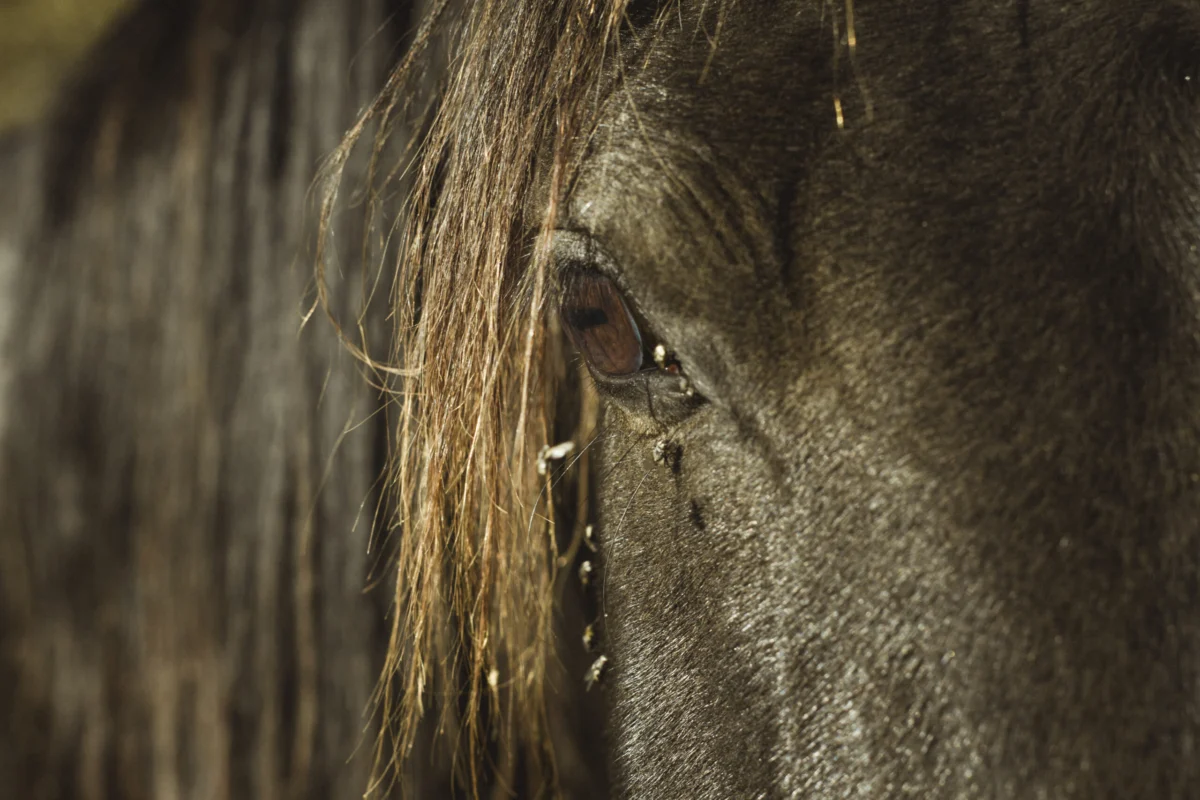
In previous years, Oregon has observed sporadic cases and localized outbreaks, often linked to the movement of horses or environmental factors. The current cluster in two distinct counties suggests either multiple independent introductions or a wider environmental presence of the bacterium. The late summer and early fall period is notoriously challenging for equine health management due to increased insect activity and often drier conditions. Insect vectors, particularly flies (including stable flies, horn flies, and horse flies), play a significant role in the mechanical transmission of the bacteria by feeding on exudates from existing abscesses and then landing on fresh wounds or abrasions on healthy horses. This chronological alignment with the "peak season" for infection highlights the predictable nature of the disease’s epidemiology and the ongoing need for vigilance during these months.
Understanding Pigeon Fever: A Deeper Dive into the Disease
Pigeon fever is a bacterial infection primarily affecting horses and cattle, though it can occasionally manifest in other species. The disease is caused by Corynebacterium pseudotuberculosis, a gram-positive, facultative intracellular bacterium that is ubiquitous in soil, particularly in arid and semi-arid regions. This soil-borne nature makes environmental control a significant challenge in preventing its spread.
The hallmark of pigeon fever in horses is the development of large, painful abscesses. These typically form in the pectoral region (chest), giving the condition its common name "pigeon fever" due to the characteristic swelling resembling a pigeon’s breast. However, abscesses can also develop in other areas, including the ventral abdomen, groin, sheath, udder, and limbs. In less common but more severe instances, internal abscesses can form in organs such as the liver, spleen, or lungs. These internal forms are much harder to diagnose and treat, carrying a significantly poorer prognosis.
Horses become infected when the bacteria gain entry into the body through compromised skin. This can occur via small scrapes, cuts, puncture wounds, insect bites (especially from flies), or even through areas of skin irritation. Once the bacteria enter, they proliferate, triggering an inflammatory response that leads to the formation of purulent (pus-filled) abscesses. The incubation period typically ranges from one to four weeks, meaning a horse can be infected and asymptomatic for a considerable time before clinical signs become apparent.
Clinical signs of pigeon fever extend beyond the visible abscesses. Affected horses may exhibit lameness if abscesses are on limbs or near joints, fever, lethargy, anorexia, and weight loss, especially with internal forms of the disease. Diagnosis is primarily achieved through a combination of clinical examination, culture of pus from an abscess, and sometimes serological tests to detect antibodies against the bacteria.
Treatment for external abscesses involves surgical lancing and drainage of the pus, followed by flushing with antiseptic solutions. Systemic antibiotics are often prescribed, though their efficacy can be limited if the abscesses are well-encapsulated, and careful consideration must be given to the specific antibiotic, duration of treatment, and potential for antibiotic resistance. For internal abscesses, treatment is more challenging and often requires prolonged antibiotic therapy, with a guarded prognosis. Complete recovery can take several weeks to months, depending on the number and location of the abscesses and the horse’s overall health.
Official Responses and Expert Recommendations
The Oregon State Department of Agriculture (OSDA) plays a pivotal role in managing and containing outbreaks of reportable equine diseases like pigeon fever. Following the confirmation of these new cases, the OSDA’s actions align with standard protocols for infectious disease control. This includes placing affected animals under official quarantine, which restricts their movement and the movement of equipment and personnel that may have come into contact with them. Such quarantines are crucial for preventing the disease from spreading to other premises.
While direct statements from OSDA officials regarding these specific cases are often reserved during active investigations, their general posture emphasizes vigilance, owner responsibility, and adherence to biosecurity guidelines. Logically inferred statements from the OSDA would include strong recommendations for horse owners to:
- Monitor their horses closely: Any signs of swelling, lameness, or general malaise should prompt immediate veterinary consultation.
- Implement strict biosecurity: This includes isolating new horses, using separate equipment for each animal, and thorough cleaning and disinfection.
- Report suspected cases: Early reporting allows for rapid response and containment efforts.
- Cooperate with official directives: Adherence to quarantine orders and veterinary advice is paramount.
The Equine Disease Communication Center (EDCC) is highlighted in this context as a critical, independent nonprofit organization. The EDCC operates as a central hub for verified equine disease reports, disseminating crucial information to horse owners, veterinarians, and industry stakeholders. Supported entirely by industry donations, the EDCC’s mission is to provide open access to timely and accurate information about infectious diseases, empowering the equine community to make informed decisions regarding disease prevention and control. Programs like "EDCC Health Watch," an Equine Network marketing initiative, leverage this vital information to broaden its reach, ensuring that alerts about diseases such as pigeon fever are widely distributed. The EDCC’s role underscores the collaborative effort required between state agencies, veterinary practitioners, and the equine community to maintain equine health.
Veterinarians are at the forefront of managing these cases, offering diagnosis, treatment, and preventive advice. Their recommendations consistently emphasize:
- Early Detection: Prompt identification of suspicious lesions or symptoms.
- Professional Veterinary Care: Self-treatment or delayed treatment can worsen outcomes and prolong the infection.
- Biosecurity Audits: Regular review and enhancement of farm biosecurity plans.
Broader Impact and Implications for the Equine Community
The confirmation of pigeon fever cases in multiple Oregon counties carries significant implications, extending beyond the immediate health of the affected horses. The disease poses a multifaceted challenge with potential impacts on individual horse owners, the broader equine industry, and even, albeit rarely, public health considerations.
For individual horse owners, the implications are direct and often substantial. The financial burden of treating pigeon fever can be considerable, involving veterinary fees for diagnosis, lancing, drainage, and potentially extended courses of antibiotics. Furthermore, an infected horse requires dedicated care, often involving daily wound management, which demands significant time and effort. Beyond direct costs, there is the potential loss of use: a sick horse cannot be ridden, trained, or competed, leading to disruptions in training schedules, missed events, and potential financial losses for professional riders or breeders. The emotional toll on owners witnessing their animals suffer and the anxiety of potential spread to other horses on their property are also significant.
The equine industry in Oregon, which includes breeding farms, training facilities, boarding stables, and event venues, faces broader ramifications. Outbreaks of infectious diseases can lead to temporary closures of facilities, cancellation of events, and restrictions on horse movement. While pigeon fever is not typically subject to the same strict interstate movement regulations as highly contagious diseases like Equine Herpesvirus (EHV-1), local quarantines and voluntary restrictions can still disrupt activities. The reputation of specific regions or facilities can also be affected, potentially impacting equestrian tourism and horse sales. Maintaining a healthy equine population is crucial for the economic vitality of this sector.
Biosecurity measures are paramount in mitigating these impacts. The empty list in the original source regarding prevention practices needs comprehensive expansion:
- Prompt Isolation: Immediately separate any horse showing suspicious symptoms from the rest of the herd to prevent direct contact and shared environmental contamination.
- Strict Hygiene: Implement rigorous handwashing protocols for all personnel, and ensure thorough cleaning and disinfection of stalls, equipment (brushes, buckets, tack), and any areas contaminated with pus or exudates.
- Effective Fly Control: As flies are known mechanical vectors, comprehensive fly control programs are essential. This includes manure management, using fly repellents, installing fly traps, and considering fly sheets for horses.
- Wound Care: Diligent management of all skin abrasions, cuts, and insect bites is critical. Prompt cleaning and disinfection of any broken skin can prevent bacterial entry.
- Environmental Management: Minimize dusty conditions, as C. pseudotuberculosis is soil-borne. Ensure good drainage in paddocks and arenas to reduce muddy areas where bacteria can thrive.
- Veterinarian Consultation: Contact a veterinarian immediately if pigeon fever is suspected. Early diagnosis and intervention are key to successful treatment and preventing spread.
- Restricted Movement: Limit the movement of horses from affected premises and avoid introducing new horses into a potentially contaminated environment without a proper quarantine period.
- Disposal of Contaminated Materials: Safely dispose of soiled bedding, bandages, and other materials that may contain bacteria to prevent environmental contamination.
Regarding public health, it is important to note that Corynebacterium pseudotuberculosis is considered a zoonotic pathogen, meaning it can, in rare instances, be transmitted from animals to humans. However, human infections are extremely uncommon and typically occur through direct contact with pus from abscesses, especially in individuals with compromised immune systems or those who have open wounds on their hands. Symptoms in humans can range from skin lesions to more severe systemic infections. While the risk to the general public is very low, it underscores the importance of proper hygiene, such as wearing gloves when handling infected animals or contaminated materials, and thorough handwashing after any contact.
In conclusion, the confirmed pigeon fever cases in Deschutes and Morrow Counties serve as a potent reminder of the constant vigilance required in equine health management. The Oregon State Department of Agriculture, in conjunction with the vital support of organizations like the EDCC and the proactive efforts of the veterinary community, is working to contain these outbreaks. The long-term success in mitigating the impact of pigeon fever hinges significantly on the active participation of horse owners in implementing robust biosecurity measures, seeking prompt veterinary care, and cooperating with official health directives. By adhering to these practices, the equine community can collectively safeguard the health and well-being of Oregon’s horses and ensure the continued vibrancy of its equestrian activities.