

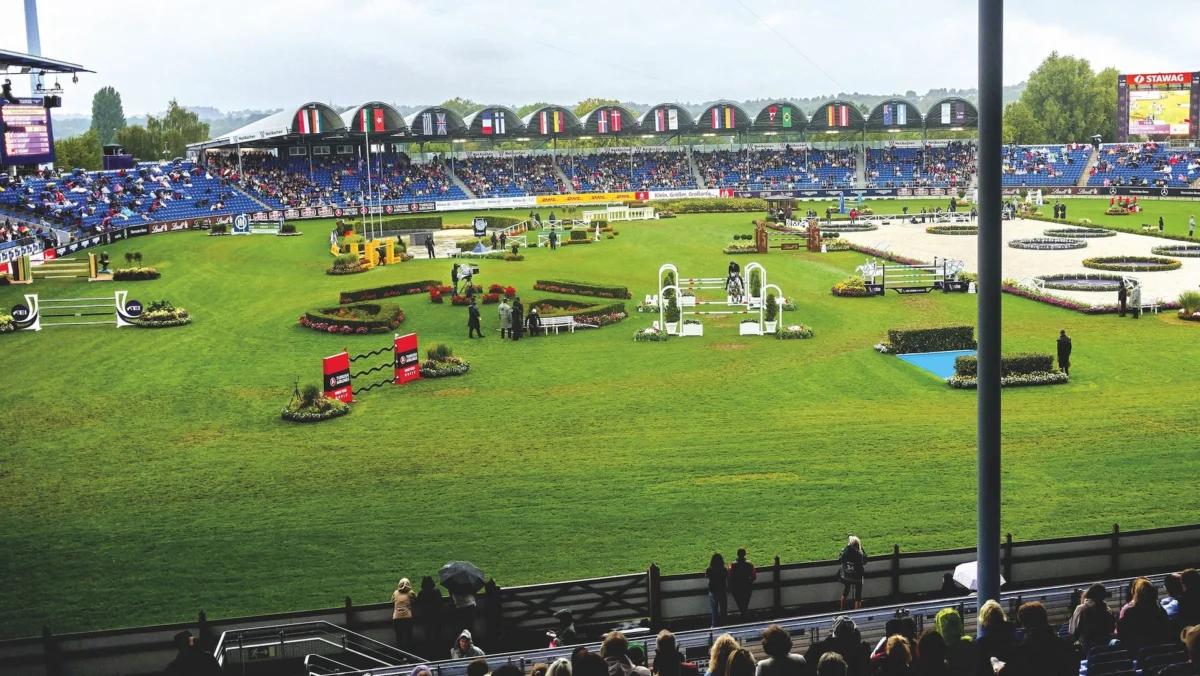
The International Federation for Equestrian Sports (FEI) and ClipMyHorse.TV have publicly articulated their strategic vision to significantly expand the reach and engagement of equestrian sports among a global audience. This initiative, however, is encountering a series of complex challenges that are shaping the accessibility and consumption of major equestrian events. The recent 2026 World Championships in Aachen, held from August 11th to 23rd, serves as a salient case study, with its broadcast exclusively available through ClipMyHorse.TV, a subscription-based platform, highlighting the delicate balance between commercial viability and widespread fan access.
The Aachen World Championships: A Bellwether for Broadcast Strategy
The 2026 World Championships in Aachen, a prestigious event in the equestrian calendar, offered a compelling showcase of the sport’s elite talent across various disciplines. For enthusiasts in the United Kingdom, the entire competition was streamed via ClipMyHorse.TV, a move that has sparked discussions within the equestrian community regarding broadcast rights and fan accessibility. This decision underscores a broader trend in sports broadcasting, where exclusive streaming deals are becoming increasingly common, driven by the need to monetize content and provide specialized viewing experiences.
Aachen, a city steeped in equestrian history, has a long-standing tradition of hosting world-class events. The Aachener Soers, the main arena, is a legendary venue that has witnessed countless historic moments in equestrian sport. The 2026 World Championships were no exception, drawing top athletes and a considerable international audience. However, the exclusive nature of the broadcast raised questions about how effectively this audience could be reached, particularly for casual fans or those in regions with limited access to subscription services.
Strategic Imperatives: Reaching a Wider Audience
The FEI, as the global governing body for equestrian sports, has a mandate to promote and develop the sport worldwide. A key component of this mission involves increasing its visibility and appeal to a broader demographic, moving beyond the core enthusiast base. In an era dominated by digital media and the increasing demand for live sports content, effective broadcast strategies are crucial.
ClipMyHorse.TV, a prominent platform for equestrian video content, has positioned itself as a key partner in this endeavor. The service offers a comprehensive library of live streams, on-demand replays, and documentary content, catering to a dedicated equestrian audience. Their partnership with the FEI aims to leverage technology and digital distribution to bring the excitement of equestrian events to fans’ homes.
The ambition, as articulated by both organizations, is to "market horse sport to as many fans as possible." This objective necessitates a multi-faceted approach that considers various audience segments, from seasoned aficionados to newcomers to the sport. The challenge lies in identifying and implementing broadcast models that can achieve this expansive reach without compromising the financial sustainability required to produce and deliver high-quality content.

Navigating the Landscape of Sports Broadcasting
The modern sports broadcasting landscape is characterized by several key trends:
- The Rise of Digital Streaming: Over-the-top (OTT) platforms like ClipMyHorse.TV have become increasingly influential, offering flexibility and specialized content that traditional broadcasters may not provide.
- Exclusive Rights Deals: Major sporting events are often secured by a single broadcaster or streaming service, creating a competitive market for rights and influencing fan access.
- Subscription Models: The prevalence of subscription services allows rights holders to generate recurring revenue, but can also create barriers to entry for some viewers.
- Data Analytics and Fan Engagement: Broadcasters are increasingly using data to understand audience behavior and tailor content to enhance fan engagement.
In this context, the FEI and ClipMyHorse.TV are operating within a dynamic environment. Their strategy likely involves a careful assessment of audience demographics, viewing habits, and the economic realities of sports broadcasting. The decision to make the Aachen World Championships a subscription-only event on ClipMyHorse.TV suggests a strategic prioritization of revenue generation and a targeted approach to reaching a committed audience segment.
The Barriers to Broad Reach
Despite the stated ambition, several factors can impede the widespread marketing of horse sport:
- Cost of Subscription Services: For many potential fans, particularly those who are not already deeply invested in the sport, the cost of a subscription service can be a significant deterrent. This is especially true when compared to free-to-air sports coverage or sports with more widely accessible broadcast deals.
- Niche Appeal: While equestrian sports are popular, they may not possess the same broad, mainstream appeal as sports like football or basketball in many regions. This can make it harder to justify extensive broadcast rights acquisitions for free-to-air channels.
- Complexity of Disciplines: The various disciplines within equestrian sport (show jumping, dressage, eventing, etc.) can have different levels of understanding and appeal among the general public. Effectively communicating the excitement and nuances of each discipline to a new audience is a challenge.
- Geographic Distribution of Fans: Equestrian sport has a global following, but fan bases can be geographically dispersed, making it complex to establish a unified broadcasting strategy that satisfies all markets.
- Production Costs: High-quality live sports broadcasting, including equestrian events, involves significant production costs, from camera crews and commentary teams to sophisticated broadcast infrastructure. These costs need to be recouped, often through broadcasting rights fees and advertising.
The exclusive broadcast of the Aachen World Championships on ClipMyHorse.TV highlights the tension between the desire for maximum audience reach and the economic realities of sports media rights. While ClipMyHorse.TV aims to provide a premium experience for dedicated fans, it inevitably limits access for a broader, more casual audience who might be drawn to the sport if it were more readily available.
Contextualizing the FEI’s Role and Ambitions
The FEI’s overarching mission extends beyond mere event organization. It encompasses the promotion of equestrian values, the development of grassroots participation, and the elevation of the sport’s profile on the global stage. To achieve these aims, strategic partnerships with media entities like ClipMyHorse.TV are essential.
Historically, equestrian sports have often been broadcast on niche sports channels or through limited free-to-air coverage. The shift towards digital platforms and subscription models represents a significant evolution, driven by the need to adapt to changing media consumption habits and to secure funding for the sport’s development.
The FEI’s involvement in such broadcast decisions is crucial. They are tasked with ensuring that these partnerships align with their long-term vision for the sport. This includes considering the impact on athlete visibility, sponsor engagement, and the overall growth of equestrianism. The challenge is to strike a balance that allows for commercial success while simultaneously fostering a growing and engaged fan base.

ClipMyHorse.TV: A Dedicated Platform for Equestrian Enthusiasts
ClipMyHorse.TV has established itself as a leading provider of equestrian content, offering a comprehensive suite of services. Their platform is designed to cater to the specific needs and interests of horse sport enthusiasts, providing live coverage of major international competitions, a vast archive of past events, and a variety of documentary and educational programming.
For dedicated fans, the platform offers an unparalleled viewing experience, allowing them to follow their favorite athletes and events in detail. The subscription model ensures that the platform can continue to invest in high-quality production and secure broadcast rights for premier events.
However, the exclusivity of major events on such platforms presents a dilemma. While it guarantees a high-quality experience for paying subscribers, it can alienately those who are not willing or able to pay for a subscription. This is a common challenge across many sports, where the most coveted content is increasingly locked behind paywalls.
The Broader Implications for Equestrian Sport
The strategy employed for the Aachen World Championships has wider implications for the future of equestrian sport’s media coverage.
- Audience Segmentation: The approach suggests a deliberate strategy of segmenting the audience. Dedicated fans are served through a premium subscription, while the broader appeal may be targeted through other means, such as social media highlights, news coverage, and potentially future, more widely accessible events.
- Commercial Viability: The focus on subscription revenue highlights the FEI’s and ClipMyHorse.TV’s commitment to ensuring the commercial viability of broadcasting equestrian sports. This is essential for reinvestment into the sport itself, from athlete development to event infrastructure.
- Global Reach vs. Local Access: The challenge of providing global reach while ensuring localized access remains a significant hurdle. Different markets have varying economic conditions and media consumption habits, requiring flexible and adaptable broadcast strategies.
- Potential for Growth: While the current model may limit immediate broad reach, it can cultivate a loyal and financially supportive core fan base. This dedicated audience is invaluable for the sport’s long-term sustainability. Future strategies might involve exploring tiered access, free highlights packages, or partnerships with free-to-air broadcasters for specific events or regions.
Looking Ahead: Towards a Balanced Broadcast Ecosystem
The partnership between the FEI and ClipMyHorse.TV represents a forward-thinking approach to sports broadcasting in the digital age. Their stated ambition to expand the reach of horse sport is commendable and essential for its continued growth. However, achieving this goal requires a nuanced understanding of the barriers to access and a willingness to explore diverse broadcast models.
The success of such initiatives will ultimately be measured by their ability to engage not only the dedicated equestrian community but also to attract and retain new fans, fostering a broader appreciation for the athleticism, skill, and dedication that define equestrian sports. The dialogue between the FEI and ClipMyHorse.TV is ongoing, and their future strategies will undoubtedly be shaped by the evolving landscape of global sports media and the persistent pursuit of making horse sport accessible to an ever-wider audience. The insights gained from events like the Aachen World Championships will be crucial in refining these strategies to ensure that equestrian sport can thrive and captivate audiences worldwide. The commitment to innovation in broadcast delivery is clear, and the challenge now lies in harmonizing this with the fundamental goal of democratizing access to the sport’s most exciting moments.







