Utah, often dubbed the "Beehive State" in homage to the industrious spirit of its early pioneers, lives up to its moniker with a landscape that is as dynamic and ambitious as its history. The state’s geography, characterized by dramatic contrasts, offers an unparalleled canvas for autumnal exploration. From the iconic red-rock formations of its "Mighty 5" national parks—where geological wonders like hoodoos captivate visitors—to its 28 designated scenic byways, Utah presents a continuous spectacle of otherworldly deserts, towering sandstone canyons, and majestic mountain peaks. These diverse topographies provide countless opportunities for awe-inspiring vistas, whether viewed from a vehicle or explored on foot.
The Allure of Utah’s Autumnal Landscape
Autumn in Utah transforms the already stunning scenery into a vibrant tapestry of color, making it a prime destination for fall foliage enthusiasts. While many states boast impressive displays, Utah’s unique blend of high desert and alpine environments creates a distinct and varied palette. The cool, crisp air of fall signals a dramatic change in the state’s deciduous forests, particularly the vast groves of quaking aspens, known locally as "quakies." These iconic trees, with their shimmering leaves, turn brilliant shades of gold, amber, and sometimes fiery red, creating breathtaking contrasts against the deep greens of conifer forests and the muted tones of the desert floor.
The state’s commitment to showcasing its natural beauty is evident in its extensive network of scenic byways. These routes are meticulously maintained and strategically located to guide travelers through the most picturesque regions. For residents and visitors alike, the proximity of these scenic drives to major urban centers like Salt Lake City makes spontaneous excursions easily accessible, offering a quick escape into nature’s grandeur. The experience of navigating these roads is often described as transformative, a journey that blends natural wonder with a deep sense of tranquility and discovery.

Guardsman Pass: A Historical and Scenic Marvel
Among Utah’s many scenic routes, Guardsman Pass stands out as a premier destination for autumn leaf-peeping and mountain driving. This 24.2-mile scenic byway offers a spectacular connection between the popular resort town of Park City, the picturesque Heber Valley, and the dramatic Big Cottonwood Canyon, before ultimately descending into the Salt Lake City metropolitan area. The pass is not merely a route; it is a journey through diverse ecosystems and a testament to human ingenuity in traversing challenging terrain.
Historically, Guardsman Pass played a crucial role in connecting the once-thriving mining communities of Park City and Alta. The genesis of this road dates back to the 1950s when engineering battalions of the Utah National Guard undertook the ambitious project of carving a route through the rugged peaks of Summit and Wasatch counties. This challenging endeavor, which saw the road constructed at elevations exceeding 9,000 feet, largely followed the primitive paths and trails initially blazed by miners during Park City’s silver boom of the 1860s. For decades, the road remained a mix of dirt and gravel, embodying its rustic, frontier origins. A significant milestone occurred in 2018 when the final stretch of the pass was paved, enhancing accessibility and comfort for motorists while preserving its scenic integrity. Today, Guardsman Pass is celebrated as one of Utah’s most spectacular drives, drawing recreationists, cyclists, and tourists seeking an immersive natural experience.
Engineering Feat: The Road’s Genesis and Evolution
The construction of Guardsman Pass in the 1950s was a formidable engineering challenge, reflecting the ingenuity and perseverance of the Utah National Guard. The mountainous terrain, characterized by steep grades, rocky outcrops, and seasonal weather extremes, required extensive planning and heavy machinery. The primary objective was to establish a vital link between the burgeoning ski resorts and the mining towns, which were transitioning into recreational hubs. The engineers had to navigate treacherous geological formations and ensure the road’s stability against erosion and landslides, a common concern in high-altitude environments.

Before its full paving in 2018, Guardsman Pass was a testament to raw, untamed mountain driving. The gravel sections, while challenging, offered an authentic sense of adventure, appealing to those seeking a more rugged experience. The decision to pave the final segment was met with mixed reactions; while it significantly improved safety and accessibility for a wider range of vehicles and drivers, some purists lamented the loss of its primitive character. However, the paving project was executed with careful consideration for the surrounding environment, aiming to minimize ecological impact while enhancing the visitor experience. This modernization has allowed for a smoother flow of traffic, particularly during peak fall foliage season, and has contributed to the pass’s growing popularity as a recreational corridor.
A Journey Through Diverse Landscapes
The drive over Guardsman Pass typically commences from Park City, an elevation of approximately 7,000 feet. The route quickly ascends, winding past the upscale ski slopes of Deer Valley before reaching the apex of the pass. At this altitude, the road offers expansive views of the surrounding peaks, with the scenery becoming increasingly dramatic with each mile. Travelers often find themselves curving along the backside of Park City Mountain, revealing a vast wilderness that feels far removed from the bustling resorts below.
For those seeking to extend their exploration beyond the vehicle, numerous opportunities for hiking and nature observation abound. The Bloods Lake trailhead, for instance, provides access to a serene alpine lake, offering a refreshing break from driving. Alternatively, the Guardsman Pass Overlook parking lot serves as an ideal spot for panoramic views. Here, visitors can pull over, stretch their legs, and absorb the breathtaking vistas, perhaps enjoying a picnic amidst the splendor of the Wasatch Range. These overlooks are critical points for photographers, allowing them to capture the sweeping landscapes and the vibrant autumnal hues.
Seasonal Splendor: The Science of Fall Foliage

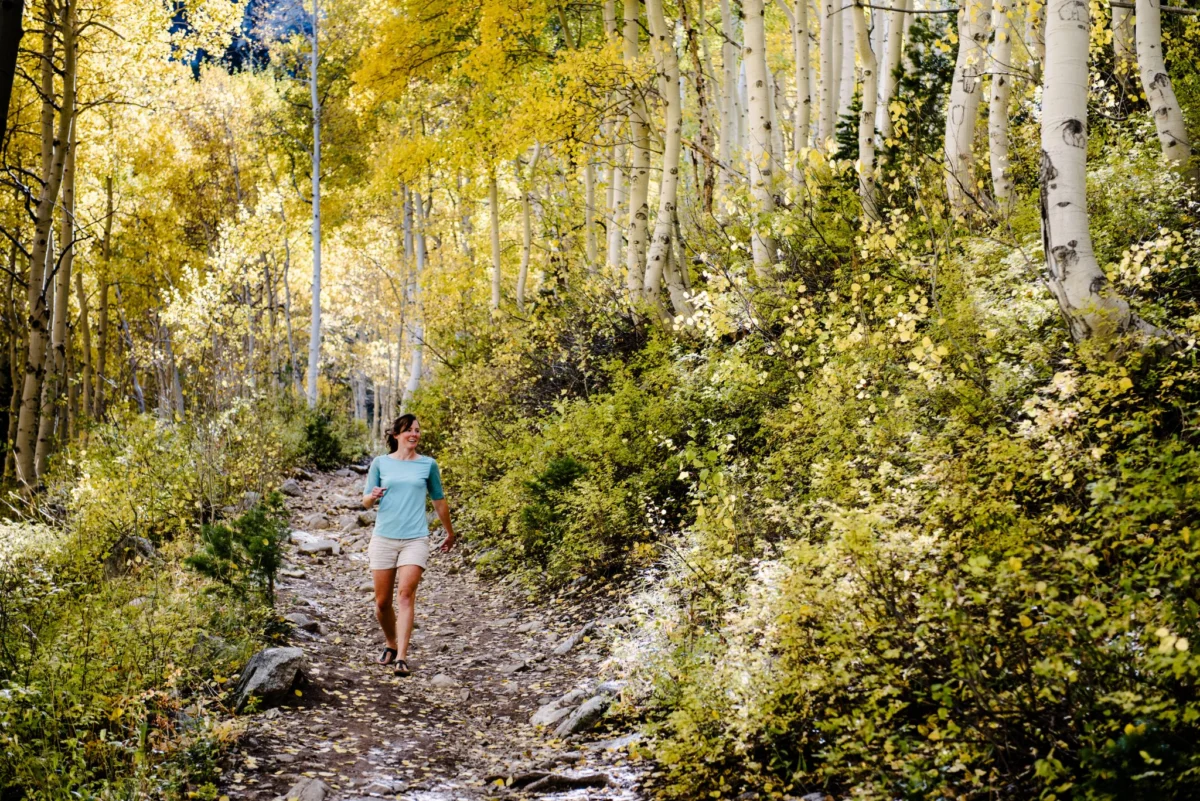
The transformation of Guardsman Pass into a premier leaf-peeping destination each fall is primarily due to the massive groves of quaking aspens (Populus tremuloides). These trees, known for their distinctive white bark and shimmering leaves, blanket the mountainsides in an astonishing display of golden brilliance. The phenomenon of fall foliage is a complex biological process. As daylight hours shorten and temperatures drop, chlorophyll—the green pigment responsible for photosynthesis—breaks down. This allows other pigments, such as carotenoids (which produce yellows and oranges) and anthocyanins (which create reds and purples), to become visible. Aspens are particularly rich in carotenoids, leading to their characteristic brilliant yellow and gold colors.
Beyond the aspens, the drive through Big Cottonwood Canyon introduces an even more dramatic landscape. Here, towering Wasatch peaks rise majestically, often drawing comparisons to the European Alps, such as those near Berchtesgaden, Germany. The mix of blue spruce, fir, and other evergreen forests provides a deep green backdrop that further accentuates the flashes of golden aspens around nearly every bend. The experience is multisensory: the cool mountain air, the scent of pine, and the rustling of leaves create an immersive natural symphony. Rolling down the windows is an almost irresistible impulse, allowing travelers to fully engage with the canyon’s awe-inspiring beauty during the winding descent.
Beyond the Drive: Recreational Opportunities
Guardsman Pass and its surrounding areas offer a wealth of recreational activities that extend beyond scenic driving. Cycling is a highly popular activity, with challenging climbs and exhilarating descents attracting riders from across the region. The paved surface, particularly after the 2018 improvements, has made it a favorite for road cyclists, while numerous off-road trails cater to mountain bikers.
Hiking opportunities range from leisurely strolls to strenuous climbs. In addition to Bloods Lake, trails leading to peaks like Scott’s Peak or through the scenic meadows offer varying levels of difficulty and stunning rewards. During the summer and early fall, these trails are frequented by nature enthusiasts, bird watchers, and photographers. The proximity to Brighton and Solitude ski resorts also means that the area is a hub for winter sports, though the pass itself closes to vehicular traffic during the snowiest months. This multi-season appeal underscores the region’s importance as a year-round outdoor recreation destination.

Economic and Environmental Considerations
The popularity of Guardsman Pass and Utah’s scenic byways carries significant economic benefits for local communities. Park City, Heber Valley, and the various towns along the route experience increased tourism revenue from lodging, dining, retail, and recreational services. The influx of visitors during peak fall foliage season supports local businesses and contributes to job creation, making tourism a vital component of the regional economy. The Utah Office of Tourism actively promotes these scenic drives, highlighting their contribution to the state’s overall appeal as a travel destination.
However, increased tourism also brings environmental responsibilities. The delicate alpine ecosystems of the Wasatch Range are susceptible to human impact. Efforts by local authorities and environmental organizations focus on promoting sustainable tourism practices, such as "Leave No Trace" principles, proper waste disposal, and staying on marked trails. Education campaigns are crucial to ensuring that the natural beauty of Guardsman Pass is preserved for future generations. Managing traffic flow, maintaining infrastructure, and monitoring ecological health are ongoing challenges that require collaborative efforts from government agencies, local communities, and visitors.
Planning Your Visit: Practical Information
For those planning a trip over Guardsman Pass, timing is crucial. The pass is generally open from late spring (typically mid-May) through early to mid-fall (usually closing in November), before winter snows render it impassable. Exact opening and closing dates can vary depending on snow accumulation and weather conditions, so checking local road conditions and forecasts before embarking on the journey is highly recommended. The optimal window for fall foliage viewing typically occurs from late September to mid-October, when the aspens are at their peak golden brilliance.

Travelers are advised to prepare for mountain driving conditions, which can include steep grades, sharp curves, and varying weather. Ensuring a full tank of gas, carrying emergency supplies, and dressing in layers are prudent precautions. While the drive is accessible to most vehicles, larger RVs or trailers might find certain sections challenging due to the narrow and winding nature of the road. Cell service can be intermittent in some areas, so downloading maps offline is a good practice. Embracing the journey with a sense of adventure, a well-packed picnic, and a good cup of coffee can elevate the experience into one of true transcendence, offering fresh mountain air, alpine landscapes, and a captivating journey through Western history.
The enduring appeal of Guardsman Pass lies in its remarkable combination of natural beauty, historical significance, and accessibility. It serves as a microcosm of Utah’s broader geographical and cultural narrative, inviting all who traverse its winding path to witness the profound artistry of the Beehive State’s autumnal spectacle.
PHOTOGRAPHY (All images): Courtesy Utah Office of Tourism. Credit: Austen Diamond Photography.
From our October/November 2026 issue.