

For super-scenic mountain driving this fall, it is hard to beat a caffeinated cruise over Guardsman Pass, a journey that encapsulates the very essence of Utah’s majestic and diverse landscapes. In the Beehive State, the promise of a scenic byway is rarely far from any given starting point, offering travelers unparalleled access to its dramatic topography. Autumn, in particular, transforms Utah into a spectacle of vibrant foliage, complementing the state’s already "overambitious geography"—a fitting descriptor for a region celebrated for its hard work, cooperation, and industry, as much as for its otherworldly natural wonders. From the iconic "Mighty 5" national parks—where one can truly comprehend the geological marvel of a hoodoo—to its extensive network of 28 designated scenic byways, Utah proudly displays red-rock deserts, towering sandstone canyons, and alpine peaks that compel awe and admiration from every vantage point.
Utah’s commitment to showcasing its natural splendor is evident in its well-maintained scenic routes, with Guardsman Pass standing out as a prime example. This 24.2-mile scenic byway serves as a vital artery connecting the vibrant resort town of Park City, the serene Heber Valley, and the dramatic Big Cottonwood Canyon, before gracefully descending towards the metropolitan hub of Salt Lake City. The pass is not merely a route; it is a historical narrative carved into the mountainside, a testament to both human ingenuity and the enduring power of nature.
A Legacy of Engineering: The History of Guardsman Pass

The construction of Guardsman Pass dates back to the 1950s, a significant undertaking by the Utah National Guard, from which the pass derives its distinctive name. The Guard’s engineering battalions were instrumental in forging this road through the rugged terrain of Summit and Wasatch counties. This challenging project involved carving a route through mountains that soar above 9,000 feet, often following and expanding upon the rudimentary paths and trails first established by miners during Park City’s booming silver rush of the 1860s. The original purpose of the road was to link the once-thriving mining communities of Park City and Alta, facilitating trade and movement across the high country.
For decades, Guardsman Pass remained largely a dirt and gravel road, a rugged passage reflecting its utilitarian origins. However, recognizing its increasing recreational value and the demand for improved access, the final leg of the pass underwent a significant transformation, culminating in its full paving in 2018. This modernization project enhanced safety and accessibility, solidifying Guardsman Pass’s status as one of Utah’s most spectacular scenic drives. Today, it is a favored route for a diverse array of users, including avid recreationists, cyclists seeking challenging climbs, and motorists simply desiring a tranquil, beautiful journey through the high Uintas. The paving project was a strategic investment, improving the visitor experience and reinforcing the region’s appeal as a premier outdoor destination.
Utah’s Geographic Tapestry: Beyond the Pass
The allure of Guardsman Pass is intrinsically linked to the broader geographical marvel that is Utah. The state’s nickname, the "Beehive State," originally honored the industry and cooperative spirit of its early pioneers. However, it equally applies to the "overambitious geography" that defines its diverse ecosystems. From the red-rock majesty of Zion and Bryce Canyon National Parks, where gravity-defying hoodoos sculpt the landscape, to the expansive arches of Arches National Park and the intricate canyons of Canyonlands, Utah offers an unparalleled spectrum of natural beauty. Capitol Reef National Park, often considered a hidden gem, further exemplifies the state’s geological richness with its unique Waterpocket Fold.

This geological diversity is a cornerstone of Utah’s robust tourism industry. The state’s 28 designated scenic byways, including Guardsman Pass, are carefully curated routes designed to immerse visitors in these varied landscapes. These byways provide access to everything from desert vistas and ancient Native American sites to dense pine forests and shimmering alpine lakes, making Utah a year-round destination for adventurers and nature enthusiasts alike. The Utah Office of Tourism consistently promotes these routes, highlighting their role in distributing tourism benefits across the state and offering varied experiences beyond the well-trodden national park circuits.
The Autumnal Masterpiece: Guardsman Pass in Fall
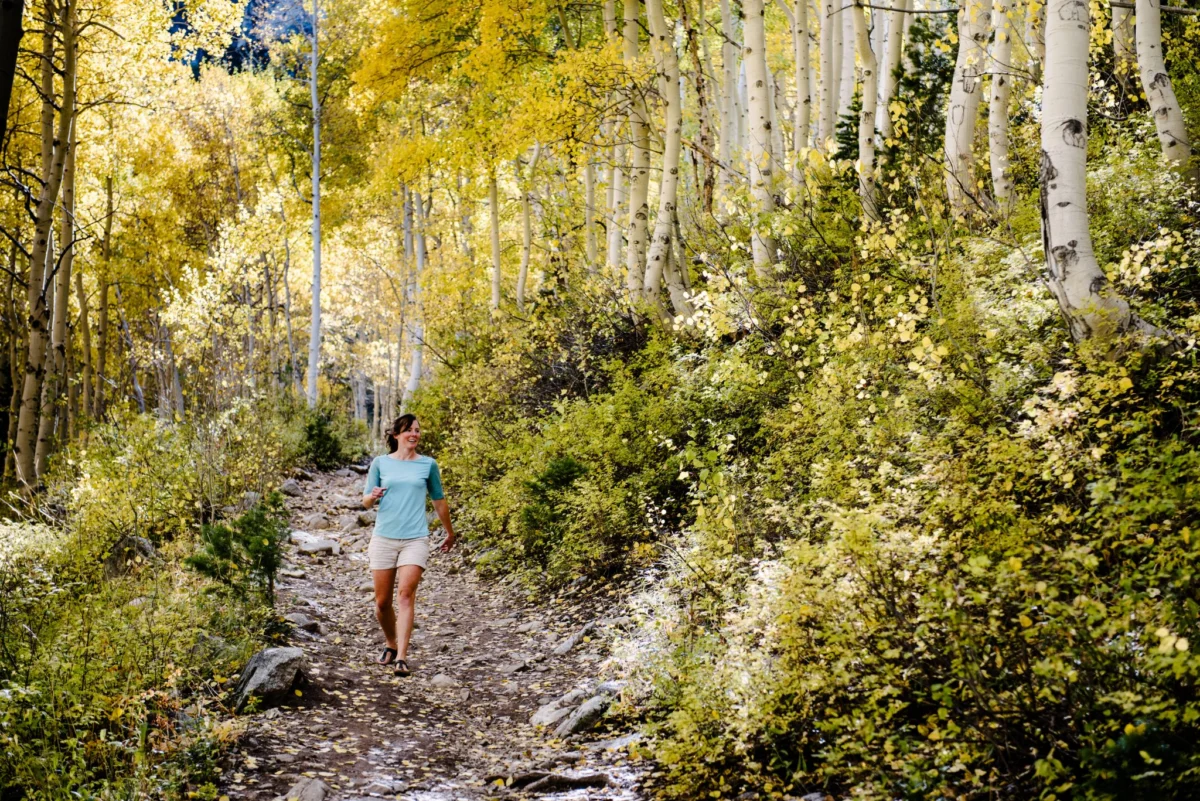
As autumn descends upon the Wasatch Mountains, Guardsman Pass transforms into one of Utah’s most celebrated leaf-peeping destinations. The landscape erupts in a symphony of colors, dominated by vast groves of quaking aspens, affectionately known as "quakies" by many Utahns. These Populus tremuloides are renowned for their brilliant golden hues, which shimmer and "quake" in the slightest breeze, creating a dynamic and almost ethereal visual display. Unlike the mixed deciduous forests of the East, where maples and oaks contribute a broader palette of reds and oranges, Utah’s fall is largely defined by the resplendent gold of the aspens, often contrasted against the deep greens of conifers and the stark grays of granite peaks.
The experience of driving Guardsman Pass in fall is designed for immersion. Starting at approximately 7,000 feet in Park City, the road gently climbs above the luxurious Deer Valley resort, gaining elevation steadily before reaching the pass itself. Beyond Deer Valley, the terrain opens into a vast expanse of peaks, where the scenery intensifies with every curve, winding along the backside of Park City Mountain. For those inclined to extend their exploration, numerous opportunities exist for hiking, such as the popular trek to Bloods Lake via its namesake trailhead, offering intimate encounters with the autumn landscape. Alternatively, the Guardsman Pass Overlook parking lot provides easily accessible, unforgettable panoramic views—an ideal spot for a planned picnic amidst the golden splendor.

The journey continues as the pass weaves westward into Big Cottonwood Canyon, where the landscape takes on an even more dramatic character. Here, the tiered, towering Wasatch peaks evoke comparisons to the majestic Alps, such as those surrounding Berchtesgaden in Bavaria, Germany. This sudden shift from rolling alpine meadows to steep, granite-faced canyons is a hallmark of the Wasatch Front’s dramatic topography. The descent into Big Cottonwood Canyon is a testament to the raw power and beauty of these mountains. The road, while winding and demanding, rewards drivers and passengers with constant visual stimuli. Blue spruce, fir, and evergreen forests line the roadway, punctuated by dazzling flashes of golden aspens around nearly every bend. The cool, crisp mountain air invites travelers to roll down their windows, breathe deeply, and allow the canyon’s profound beauty to wash over them.
Tourism and Economic Impact: A Vital Corridor
Guardsman Pass and its surrounding areas play a significant role in Utah’s robust tourism economy. The state recorded over 20 million visitors in 2022, generating billions in economic activity and supporting thousands of jobs. Scenic drives, particularly during the shoulder seasons like fall, help to diversify tourism flows and extend visitor stays. Park City, a world-renowned ski destination, leverages its accessibility via Guardsman Pass to attract summer and fall visitors, complementing its winter appeal. Heber Valley, too, benefits from its connection to the pass, drawing visitors interested in its more rural charm and outdoor recreation opportunities.
The accessibility offered by routes like Guardsman Pass is crucial for local businesses. Restaurants, hotels, outdoor gear retailers, and tour operators in Park City, Heber Valley, and the communities along the Wasatch Front all benefit from the influx of travelers seeking to experience Utah’s natural beauty. The 2018 paving project, while improving visitor experience, also symbolized an ongoing commitment to infrastructure investment that supports this vital economic sector. Furthermore, the promotion of scenic byways encourages responsible tourism, guiding visitors to designated areas and viewpoints, which helps manage environmental impacts.

Conservation and Seasonal Considerations
The pristine beauty of Guardsman Pass and the surrounding Wasatch-Cache National Forest necessitates ongoing conservation efforts. The influx of visitors, while economically beneficial, also presents challenges related to trail maintenance, waste management, and the preservation of delicate ecosystems. Local authorities and environmental groups work in conjunction with the U.S. Forest Service to educate visitors on Leave No Trace principles, encouraging responsible recreation to protect the natural habitat and wildlife.
A critical aspect of Guardsman Pass’s management is its seasonal closure. Typically, the pass is open from late spring through early-to-mid fall, generally from May through October or early November, depending on snowpack and weather conditions. It then closes for the winter, usually from November through mid-May, becoming a favored route for backcountry skiing and snowshoeing, but impassable by vehicle. This seasonal closure is not merely for safety but also serves an important ecological function, allowing the natural environment to recover from human activity and providing critical wildlife corridors during winter months. This responsible stewardship ensures the pass remains a breathtaking destination for generations to come.
A Transcendent Experience

The journey over Guardsman Pass, particularly in the autumn, offers a unique blend of history, natural grandeur, and accessible adventure. It is a drive that transcends mere transportation, offering moments of profound connection with the environment. The fresh mountain air, the kaleidoscope of alpine landscapes, the historical echoes of miners and engineers, and the sheer abundance of overlooks all combine to create an experience that is both invigorating and deeply reflective. Whether sharing the magic with a loved one or simply reveling in solitary contemplation, the pass delivers a powerful sense of place and an unforgettable encounter with Utah’s wild heart. Just ensure that, if accompanied by a beverage, the driver practices responsible consumption, appreciating the view with the vehicle safely in park.
Guardsman Pass stands as a testament to Utah’s dedication to preserving and presenting its natural heritage. It is a corridor of unparalleled beauty, a vital economic artery, and a perennial favorite that continues to draw visitors into the heart of the Wasatch Mountains, year after year.









