AURORA, Colo. (Oct. 9, 2026) — New groundbreaking research emanating from the University of Colorado Anschutz Medical Campus offers compelling evidence that engaging in therapeutic horseback riding can substantially mitigate hyperactivity and foster improvements in a range of other behavioral and emotional challenges faced by children diagnosed with autism spectrum disorder (ASD) and co-occurring psychiatric conditions. The comprehensive study, supported by the National Institutes of Health, was recently published in the esteemed journal Pediatrics, marking a significant advancement in understanding non-pharmacological interventions for this vulnerable population.
The Genesis of the Research: Building on Prior Success
This latest investigation by the University of Colorado Anschutz team represents a critical expansion of earlier findings that had previously indicated the benefits of therapeutic horseback riding (THR) over an 8-to-10-week period for children with autism. The primary objectives of the current study were twofold: first, to determine if these positive outcomes could be consistently replicated across different therapeutic riding centers, thus establishing greater generalizability; and second, to ascertain whether merely learning about horses and engaging in horse-related activities—without direct physical interaction or riding—could yield comparable therapeutic advantages. This differentiation was crucial for understanding the specific mechanisms at play and for broadening the accessibility of equine-assisted interventions.
The initial research, conducted at Hearts & Horses, a prominent therapeutic riding center in Colorado, had laid a strong foundation, suggesting the potential for equine interaction to address core symptoms of ASD. However, scientific rigor demands replication to confirm efficacy and eliminate the possibility of site-specific or population-specific biases. This new study meticulously designed an experiment to address these vital questions, moving beyond preliminary observations to a more robust, multi-site validation.
A Deeper Dive into the Study Design and Participants
The study cohort was carefully selected, focusing specifically on children diagnosed with autism spectrum disorder who also presented with co-occurring psychiatric diagnoses. This demographic is often considered a higher-intervention risk group, frequently experiencing more severe and complex behavioral and emotional dysregulation, making effective therapeutic strategies particularly imperative. Such co-occurring conditions can include attention-deficit/hyperactivity disorder (ADHD), anxiety disorders, mood disorders, and disruptive behavior disorders, which can significantly amplify the challenges associated with ASD.
Participants were divided into three distinct groups:
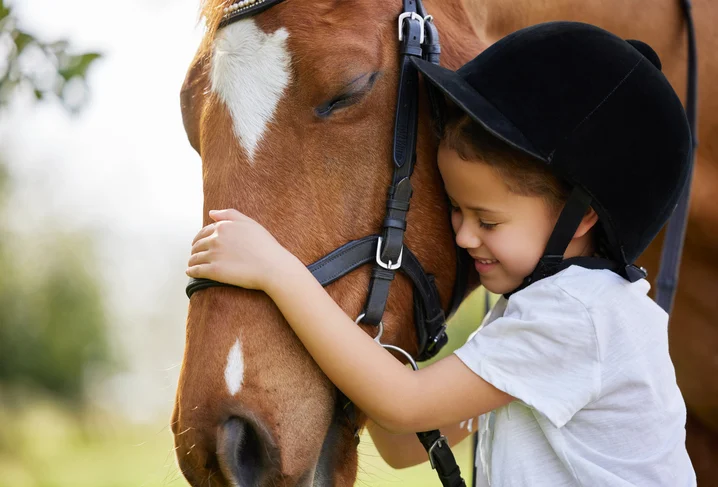
- Horse Riding Group: Children in this group engaged in direct therapeutic horseback riding sessions, involving physical interaction with horses and riding activities under the guidance of trained therapists and equine specialists.
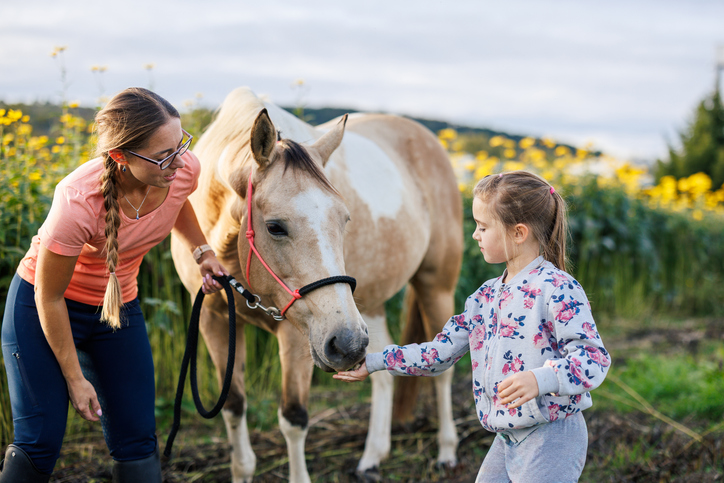
- Horse-Related Barn Activities Group: This intervention group participated in activities at the riding center focused on learning about horses, their care, and their behavior. Crucially, these activities did not involve direct physical contact with live horses or riding. This component was designed to isolate the effects of the sensory and educational aspects of the barn environment and interaction with horse-related concepts (e.g., grooming a life-sized stuffed toy horse).
- Waitlist Control Group: Children assigned to this group did not receive any equine-assisted intervention during the study period but were offered the opportunity to participate in a program afterward. This group served as a crucial baseline for comparison, allowing researchers to account for natural developmental changes or improvements unrelated to the intervention.
The study was meticulously conducted at Riding to the Top, a therapeutic riding center located near Windham, Maine, chosen specifically because it presented a different operational scale and geographical context compared to the larger Hearts & Horses center in Colorado where the initial research took place. This strategic choice was fundamental to assessing the generalizability of the findings across diverse settings.
Key Findings: Hyperactivity and Beyond
The results of the study were highly encouraging and shed light on the differential impacts of various equine-assisted interventions:
- Significant Reduction in Hyperactivity: The most striking finding was the significant improvement in hyperactivity observed exclusively within the horse riding group when compared to both the barn activities group and the waitlist control group. This suggests that the dynamic, multi-sensory experience of riding itself—including rhythmic movement, balance, core engagement, and the necessity for focused attention—plays a unique and critical role in modulating hyperactive behaviors.
- Broad Benefits Across Equine Interventions: Beyond hyperactivity, both equine activity intervention groups (the riding group and the barn activities group) demonstrated notable improvements in several other crucial areas when compared to the waitlist control. These included:
- Irritability: A common and challenging symptom in children with ASD, irritability saw measurable reductions.
- Emotional Regulation: Participants showed enhanced ability to manage and express their emotions appropriately.
- Social Functioning: Improvements were noted in social interaction, communication, and engagement with others.
Dr. Robin Gabriels, PhD, a professor of psychiatry and a licensed clinical psychologist at CU Anschutz and Children’s Hospital Colorado, served as the study’s senior author and principal investigator. Reflecting on the findings, Dr. Gabriels emphasized the unique power of riding: "There is something about riding a horse that is particularly helpful for kids with hyperactivity. For kids with autism and hyperactivity, equine-assisted therapy might be a good way to augment existing treatments." She further highlighted the potential for THR to serve as an alternative or complementary approach to traditional pharmacological interventions, which often come with undesirable side effects, thereby offering a more holistic and potentially less invasive treatment pathway.
The Importance of Replication and Generalizability
The successful replication of positive outcomes at Riding to the Top in Maine, a center distinct from Hearts & Horses in Colorado, significantly strengthens the validity and generalizability of the research. As Dr. Gabriels noted, "The fact that we saw similar results at both centers is encouraging." This multi-site validation is crucial for moving these interventions from promising experimental treatments to widely recognized and potentially implemented therapeutic strategies. It suggests that the benefits are not contingent on a specific facility’s unique program or staff but are inherent to the interaction with horses within a structured therapeutic framework.
Beyond the Saddle: Exploring Non-Riding Equine Engagement
A particularly insightful aspect of the study was the inclusion of the "horse-related but no-horse-contact barn activities" group. This innovative approach aimed to dissect which elements of equine-assisted therapy contribute to specific outcomes. While this group did not show the same dramatic reduction in hyperactivity as the riding group, it still demonstrated significant improvements in areas like irritability, emotional regulation, and social functioning compared to the control group.
This finding carries significant implications for accessibility and readiness. For children who may be too young, physically unable, or initially apprehensive about riding a live horse, engaging in barn activities provides a valuable entry point into equine-assisted interventions. As Dr. Gabriels explained, "Horses are very accepting, and they respond to body language. That interaction can provide children with opportunities to practice communication, emotional regulation and other skills in a very different environment." The non-judgmental nature of horses, their capacity to mirror human emotions, and the need for clear, consistent communication make them powerful partners in therapeutic settings, even without direct riding. Activities such as grooming, leading, or even simply observing horses from a safe distance can foster a sense of connection, responsibility, and calm.
Addressing the Complexities of Co-occurring Diagnoses
The deliberate focus on children with ASD and co-occurring psychiatric diagnoses in this study is particularly salient. According to the Centers for Disease Control and Prevention (CDC), approximately 1 in 36 children in the United States has been identified with ASD. Furthermore, a substantial majority of individuals with ASD also experience at least one co-occurring mental health condition. For instance, ADHD symptoms are present in an estimated 30-50% of children with ASD, and anxiety disorders affect around 40% of this population. These additional diagnoses often complicate treatment, exacerbate core ASD symptoms, and significantly impact a child’s quality of life and family functioning.
By specifically targeting this higher-risk group, the research demonstrates the potential for THR to address complex presentations, suggesting that its benefits extend beyond foundational ASD symptoms to ameliorate the intertwined challenges of psychiatric comorbidity. While the researchers caution that not every child with autism will benefit from horseback riding, these findings strongly suggest that structured, horse-based activities should be considered as part of a comprehensive, individualized treatment plan for children facing significant behavioral and emotional challenges, especially those with hyperactivity.
The Landscape of Autism Spectrum Disorder and Treatment
Autism Spectrum Disorder is a neurodevelopmental condition characterized by difficulties with social communication and interaction, and restricted, repetitive patterns of behavior, interests, or activities. The spectrum nature of ASD means that its manifestations vary widely among individuals, from profound challenges requiring substantial support to milder forms that may allow for greater independence.
Current conventional treatments for ASD typically involve a multi-faceted approach, often including:
- Behavioral Therapies: Applied Behavior Analysis (ABA) is widely recognized and aims to teach new skills and reduce problematic behaviors.
- Speech and Language Therapy: Addresses communication deficits.
- Occupational Therapy: Helps with daily living skills, sensory integration, and motor development.
- Medication: While there are no medications that treat the core symptoms of ASD, pharmacological interventions are often used to manage co-occurring conditions like hyperactivity, anxiety, and aggression. However, these medications can have significant side effects, ranging from appetite changes and sleep disturbances to more severe neurological or cardiovascular impacts.
The emergence of evidence-based alternative therapies like THR offers a valuable addition to this treatment arsenal, potentially reducing reliance on medication or enhancing the efficacy of other therapies.
The Rise of Equine-Assisted Therapies: A Historical Perspective
Equine-Assisted Therapy (EAT) is not a new concept, but its scientific validation is a more recent development. The therapeutic use of horses dates back to ancient Greek times, with Hippocrates mentioning the benefits of riding for injured soldiers. In modern times, the formal integration of horses into therapy began in the mid-20th century, notably gaining traction after the Olympic equestrian Lis Hartel, who contracted polio, found riding invaluable in her rehabilitation. Organizations like the North American Riding for the Handicapped Association (now PATH International) were established in the 1960s and 70s, setting standards for safety and efficacy.
Initially, EAT was largely focused on physical rehabilitation for individuals with mobility impairments. Over time, its application expanded to address cognitive, emotional, and social challenges, leading to the development of various modalities, including therapeutic riding, equine-assisted psychotherapy, and equine-assisted learning. The current study by the University of Colorado Anschutz team represents a crucial step in rigorously evaluating and validating the specific benefits of THR for a distinct clinical population, moving the field forward with robust empirical data.
Implications for Clinical Practice and Future Research
The findings from this University of Colorado Anschutz study have significant implications for how clinicians and families approach the treatment of children with ASD and co-occurring psychiatric diagnoses.
- Integration into Treatment Plans: Therapeutic horseback riding could be formally integrated into individualized education programs (IEPs) or comprehensive treatment plans, particularly for children exhibiting high levels of hyperactivity or difficulties with emotional regulation and social interaction.
- Reduced Reliance on Medication: For some children, THR might offer a viable non-pharmacological alternative or adjunct to medication, potentially mitigating side effects and improving overall well-being.
- Accessibility and Cost: While promising, EAT programs can be costly and may not be readily available in all geographical areas. Future efforts will need to focus on increasing accessibility, advocating for insurance coverage, and exploring funding models to make these beneficial therapies more widespread.
- Holistic Development: The study underscores that horse-based programs provide benefits beyond traditional clinical settings. "Working with horses gives these kids a chance to do something active, social and engaging," Dr. Gabriels stated. "For some children, that may be a particularly effective way to help them develop skills that can be difficult to teach in a traditional clinical environment." The natural, outdoor environment, combined with the unique bond formed with an animal, creates a rich context for learning and growth.
Looking ahead, the research team plans to continue their investigations. Future studies will delve deeper into understanding the precise mechanisms by which horse-based activities exert their therapeutic effects. This includes exploring neurobiological changes, specific sensory inputs (e.g., rhythmic gait, warmth of the horse), the psychological impact of bond formation, and the role of communication and non-verbal cues in the human-equine interaction. Identifying these mechanisms will further refine interventions and allow for more targeted and personalized therapeutic approaches.
The University of Colorado Anschutz Medical Campus: A Hub of Innovation
The University of Colorado Anschutz Medical Campus, where this pivotal research originated, stands as a world-class academic medical institution at the forefront of transformative advances in science, medicine, education, and patient care. The campus is home to the University of Colorado’s health professional schools, encompassing over 60 centers and institutes dedicated to specialized research and clinical care. It also proudly hosts two nationally ranked independent hospitals: UCHealth University of Colorado Hospital and Children’s Hospital Colorado, collectively serving nearly three million adult and pediatric patient visits annually.
Characterized by its innovative, interconnected, and highly collaborative environment, CU Anschutz is committed to delivering life-changing treatments, providing exceptional patient care, and offering top-tier professional training. The campus boasts a robust research enterprise, supported by an impressive $890 million in funding, which includes $762 million in sponsored awards and an additional $128 million in philanthropic gifts specifically earmarked for research initiatives. The continuous output of high-impact studies like this one on therapeutic horseback riding exemplifies CU Anschutz’s dedication to pushing the boundaries of medical knowledge and improving human health.
For the latest news and developments from the University of Colorado Anschutz Medical Campus, the public can visit http://www.cuanschutztoday.org. The ongoing commitment of institutions like CU Anschutz to rigorous scientific inquiry is vital in expanding the repertoire of effective, evidence-based interventions for complex conditions like autism spectrum disorder, offering new hope and improved quality of life for countless children and their families.