

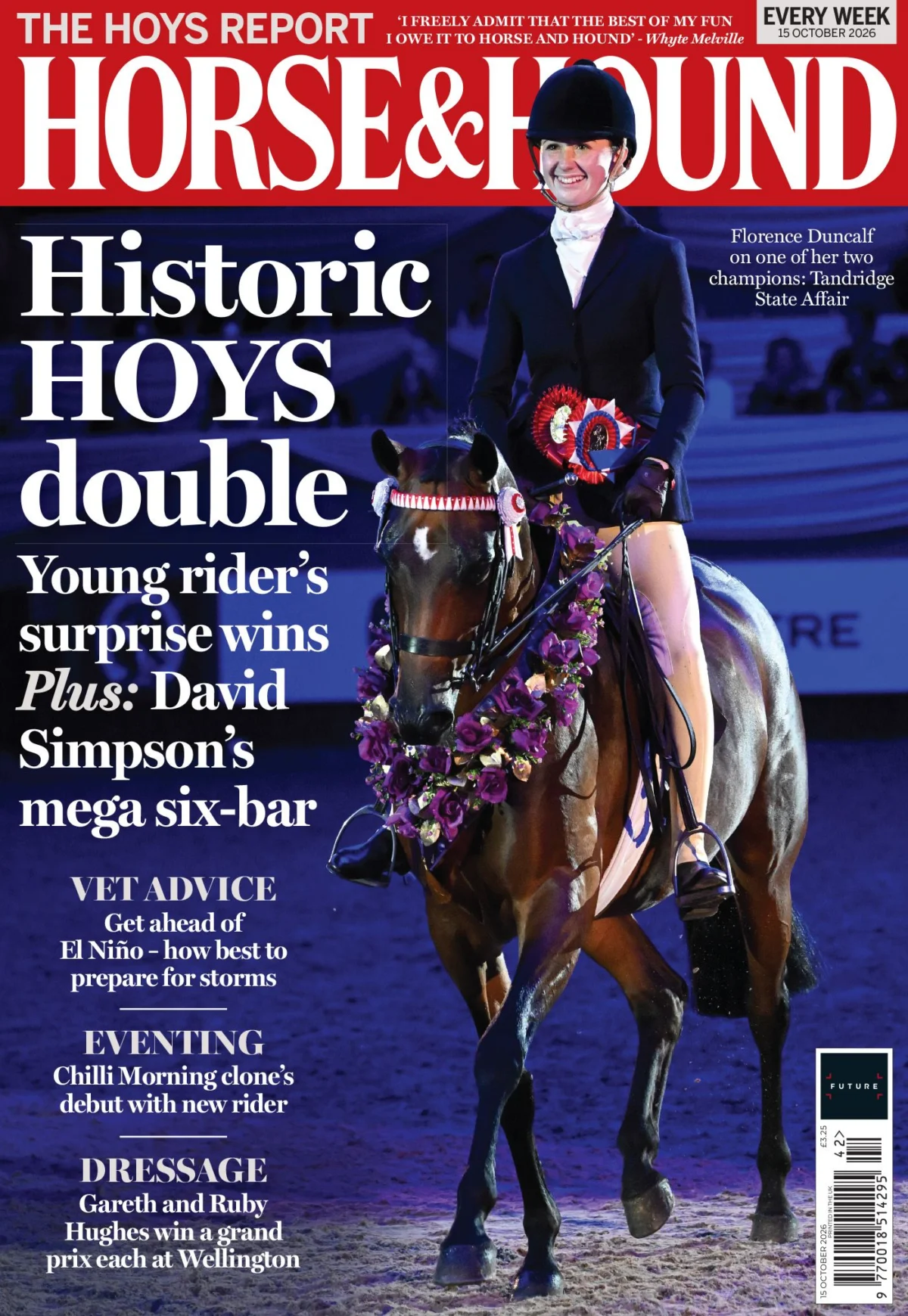
The latest edition of Horse & Hound magazine, hitting newsstands this Thursday, October 15th, delivers an exhaustive retrospective of the recent Horse of the Year Show (HOYS), offering readers a comprehensive look at the pinnacle of British equestrian competition. Beyond the glamour and triumph of HOYS, the issue delves into a contentious topic currently reverberating through the pony showjumping community: the decision to discontinue 128cm jumping finals at major calendar shows from 2029. Complementing these headline features, the magazine provides essential seasonal advice in its esteemed Vet Clinic section, focusing on preparing equines for the rigours of winter, alongside a practical review of essential gear, spotlighting the best "wonderful wellies" for the colder, wetter months ahead. This diverse content offering underscores Horse & Hound‘s commitment to serving every facet of the equestrian lifestyle, from elite competition to daily horse care and equipment needs.
Horse of the Year Show: A Deep Dive into Equestrian Excellence
The Horse of the Year Show, often hailed as "The World’s Most Famous Horse Show," stands as a monumental event in the global equestrian calendar, marking the grand finale of the British showing season and hosting a plethora of national showjumping championships. Held annually at the National Exhibition Centre (NEC) in Birmingham, typically in early October, HOYS brings together the finest horses, ponies, and riders from across the United Kingdom and beyond. The Horse & Hound issue dedicates extensive coverage to the event’s myriad disciplines, including comprehensive showjumping reports and detailed accounts from the showing rings.
For decades, HOYS has served as the ultimate proving ground, a stage where dreams are realised and legends are forged. Its origins trace back to 1949, when it was first held at Harringay Arena in London, conceived by Captain Tony Collings. Over the years, it has evolved, moving to Wembley Arena in 1959 and eventually to its current home at the NEC in 2002, allowing for greater spectator capacity and improved facilities. The show’s prestige is unparalleled, with countless hours of qualification required to earn a coveted spot. Competitors endure a gruelling season of regional and national qualifiers, each striving for that one golden ticket to Birmingham. The atmosphere at the NEC is electric, characterised by fervent spectator support, the thunder of hooves, and the meticulous presentation of equines.
The magazine’s reports meticulously detail the triumphs and challenges witnessed across the showjumping arenas. From the exhilarating puissance wall to the nail-biting Grand Prix, every jump-off and clear round is scrutinised, celebrating the athleticism of both horse and rider. The showing reports are equally thorough, capturing the elegance and precision required in classes ranging from native ponies to supreme hacks, hunters, and cobs. The image featured on the magazine’s cover, depicting Florence Duncalf astride the bay riding pony Tandridge State Affair, adorned with a champion rosette and garland, encapsulates the essence of HOYS success. This visual testament highlights the profound achievement of winning at such a prestigious event, representing countless hours of training, dedication, and meticulous preparation. For many young riders like Florence, securing a HOYS championship is a career-defining moment, often the culmination of years of aspiration and hard work, setting a benchmark for future equestrian endeavours. The magazine’s detailed coverage not only celebrates these victories but also provides valuable insights into the competitive strategies and training philosophies employed by the champions, offering inspiration and educational content to its wide readership.
The 128cm Jumping Finals Controversy: Shaping the Future of Youth Equestrianism
One of the most significant and debated news items in the current issue concerns the announcement that 128cm showjumping finals will no longer be held at the biggest shows in the calendar from 2029. This decision, emanating from governing bodies, has elicited a "mixed reaction" across the equestrian community, particularly among those involved in pony showjumping.
The 128cm class caters specifically to ponies measuring up to 128 centimetres (approximately 12.2 hands) and is primarily designed for young riders, typically up to the age of 12. For many aspiring showjumpers, this category serves as a crucial foundational stepping stone, allowing them to develop their skills, gain competitive experience, and progress through the ranks of British Showjumping. The opportunity to compete in a national final at prestigious venues like HOYS or the Royal International Horse Show (RIHS) has historically been a major incentive, providing invaluable big-arena experience and fostering ambition among junior riders.
The rationale behind the decision, as implicitly reported by Horse & Hound, likely stems from a broader review of rider development pathways and welfare considerations within British Showjumping. Arguments from proponents of the change often centre on the idea of streamlining the competitive structure, potentially aligning more closely with international junior showjumping standards which may prioritise larger pony or junior horse classes. There might also be a focus on reducing perceived pressure on very young riders and smaller ponies, encouraging a more gradual progression through the sport. Some might argue that removing the "final" element at the very biggest shows could shift the emphasis from intense, high-stakes competition at a young age towards broader skill development and enjoyment.
However, the "mixed reaction" underscores substantial opposition and concern. Parents, trainers, and the riders themselves have voiced apprehension regarding the implications of this change. For many, the aspiration to qualify for and compete in a HOYS 128cm final is a powerful motivator, driving engagement and dedication to the sport. The removal of this goal is seen by some as a demotion of the class, potentially diminishing its appeal and impact on grassroots participation. The financial implications for families who invest significantly in training, travel, and suitable ponies for this specific height category are also considerable. A sudden shift in policy could devalue these investments and disrupt established training programmes. Critics argue that this decision removes a vital platform for talent identification and development at a crucial age, potentially leading to a loss of enthusiasm among younger riders who might now perceive fewer tangible rewards for their efforts. The emotional impact on children who have dreamed of competing on the biggest stages cannot be overlooked.
The magazine’s analysis of these reactions will likely explore the tension between strategic long-term development plans from governing bodies and the immediate, tangible impacts on individual competitors and their support networks. It raises questions about the future structure of youth showjumping, the balance between elite competition and grassroots development, and the potential for alternative, equally prestigious opportunities to be created for 128cm riders in the future. This debate highlights the dynamic nature of equestrian sport governance and the constant need to balance tradition, progress, and the welfare of its participants.
Navigating Winter: Expert Veterinary Insights for Equine Health
As the equestrian world transitions from the bustling autumn competition season into the quieter, colder months, the Vet Clinic section in Horse & Hound offers indispensable guidance on "what to expect from the winter ahead." This feature is crucial for horse owners, providing proactive strategies to maintain equine health and well-being during a challenging period.
Winter in the UK presents a unique set of environmental stressors for horses. Decreased daylight hours, fluctuating temperatures, increased rainfall, and often muddy conditions demand careful management. The Vet Clinic typically addresses a range of common winter ailments and preventative measures. Respiratory issues, for instance, are a significant concern. Horses spending more time stabled in poorly ventilated environments can be susceptible to conditions like inflammatory airway disease (IAD) or recurrent airway obstruction (RAO), often exacerbated by dust from hay and bedding. The article likely advises on optimising stable ventilation, choosing low-dust forage and bedding, and monitoring for early signs of coughing or nasal discharge.
Another prevalent winter challenge is mud fever (pastern dermatitis), a bacterial infection of the skin, often on the lower legs, caused by prolonged exposure to wet and muddy conditions. The Vet Clinic would provide practical advice on prevention, such as maintaining clean, dry legs, using barrier creams, and managing muddy turnout areas. Similarly, thrush, a bacterial and fungal infection of the frog of the hoof, thrives in wet conditions, necessitating diligent hoof picking and proper farriery.
The article also delves into dietary adjustments. Horses’ energy requirements can increase in colder weather to maintain body temperature, prompting advice on increasing forage intake and potentially supplementing with concentrates. Hydration remains critical, with tips on preventing water buckets from freezing and encouraging water consumption. Exercise regimes also need adapting, with reduced turnout often leading to a decrease in overall activity. The Vet Clinic would likely stress the importance of maintaining a consistent, albeit modified, exercise schedule to prevent stiffness and behavioural issues. Rugging strategies are another key topic, offering guidance on choosing appropriate rug weights based on temperature, individual horse’s coat, and living conditions, ensuring horses are neither over-rugged nor under-rugged.
Beyond these common issues, the Vet Clinic feature often covers broader preventative health strategies applicable to winter, such as ensuring up-to-date vaccinations, routine dental checks, and effective worming programmes. By providing clear, actionable advice from experienced veterinary professionals, Horse & Hound empowers its readers to navigate the winter months confidently, ensuring their horses remain healthy, comfortable, and ready for the spring season. This proactive approach to equine care is a cornerstone of responsible horse ownership and a vital component of the magazine’s educational mission.
Essential Gear Guide: Conquering the Elements with "Wonderful Wellies"
The "kit pages" in this issue turn their attention to a perennial staple of the equestrian wardrobe: the wellington boot. Far from being a mere fashion statement, "wonderful wellies" are an indispensable piece of equipment for anyone involved with horses, offering protection, comfort, and durability against the elements encountered daily in yards and fields.
The article likely explores the evolution of the wellington boot, from its humble origins as practical footwear for military and agricultural use to its modern iterations that combine advanced materials with ergonomic designs. For equestrian enthusiasts, the demands on a welly are particularly stringent. They must be waterproof, robust enough to withstand constant exposure to mud, muck, and harsh terrains, and comfortable for long hours of wear, whether mucking out stables, leading horses, or walking through fields.
The "kit pages" would typically review a range of wellington boots, highlighting various features and materials. Traditional natural rubber boots are prized for their flexibility, durability, and excellent waterproofing, often favoured for their classic feel and repairability. More modern options might incorporate synthetic rubbers or PVC for lighter weight and often lower cost. Neoprene linings are a popular feature for winter wellies, providing superior insulation and warmth in freezing conditions, making them ideal for long periods spent outdoors. Other crucial features include robust, grippy outsoles designed to prevent slips on wet and uneven surfaces, steel toe caps for safety in environments with large animals, and adjustable calf fittings to accommodate different leg sizes and allow for tucking in trousers.
The Horse & Hound review would undoubtedly provide insights into factors influencing purchase decisions, such as brand reputation, price point, intended use (e.g., lightweight for occasional wear vs. heavy-duty for daily yard work), and specific features like arch support or ease of cleaning. The article might also touch upon sustainability, with some brands now offering eco-friendly materials or manufacturing processes. By offering a curated selection and expert evaluation of wellington boots, the magazine helps readers make informed choices, ensuring they are well-equipped to tackle the inevitable mud and wet of the British winter, keeping their feet dry, warm, and protected while tending to their equine companions. This practical advice underscores the magazine’s commitment to providing comprehensive support for the equestrian lifestyle, acknowledging that the right gear is as important as the right training or veterinary care.
Horse & Hound‘s Enduring Legacy and Editorial Excellence
The October 15th issue of Horse & Hound magazine stands as a testament to its enduring legacy and its position as the authoritative voice in the equestrian world. For over 130 years, since its inception in 1884, Horse & Hound has consistently delivered insightful, factual, and engaging content, establishing itself as an indispensable resource for riders, owners, breeders, and enthusiasts across all disciplines.
The magazine’s strength lies in its ability to blend comprehensive event reporting with in-depth analysis of industry news, practical advice, and human-interest stories. The detailed HOYS coverage exemplifies its commitment to celebrating top-tier competition, while the nuanced discussion around the 128cm jumping finals decision highlights its role in fostering crucial debates that shape the future of equestrian sport. Furthermore, its regular features like the Vet Clinic and kit reviews provide practical, actionable information that directly benefits its readership in their daily lives with horses.
The editorial team, comprised of seasoned equestrian journalists and experts, brings a wealth of knowledge and experience to every page. Bethany Stone, as Features Assistant, whose background includes over two decades of experience as a horse owner and rider, and extensive reporting from major British Riding Clubs and British Dressage championships, Badminton Horse Trials, and interviews with leading athletes, embodies the calibre of expertise that underpins the magazine’s credibility. Her contributions, and those of her colleagues, ensure that the content is not only accurate and informative but also resonates deeply with the experiences and concerns of the equestrian community. The magazine’s ability to navigate complex topics, provide reliable advice, and maintain a finger on the pulse of the equestrian world is what has sustained its relevance and appeal for generations.
In conclusion, the October 15th issue of Horse & Hound once again demonstrates the publication’s unwavering dedication to its readership. By meticulously covering major events like the Horse of the Year Show, fearlessly tackling challenging policy changes affecting youth sport, and providing invaluable seasonal advice on equine health and essential gear, the magazine continues to uphold its reputation as an essential weekly read. It serves not just as a news outlet, but as a vital community hub, fostering dialogue, celebrating achievements, and supporting the passionate individuals who make up the vibrant world of equestrianism.







