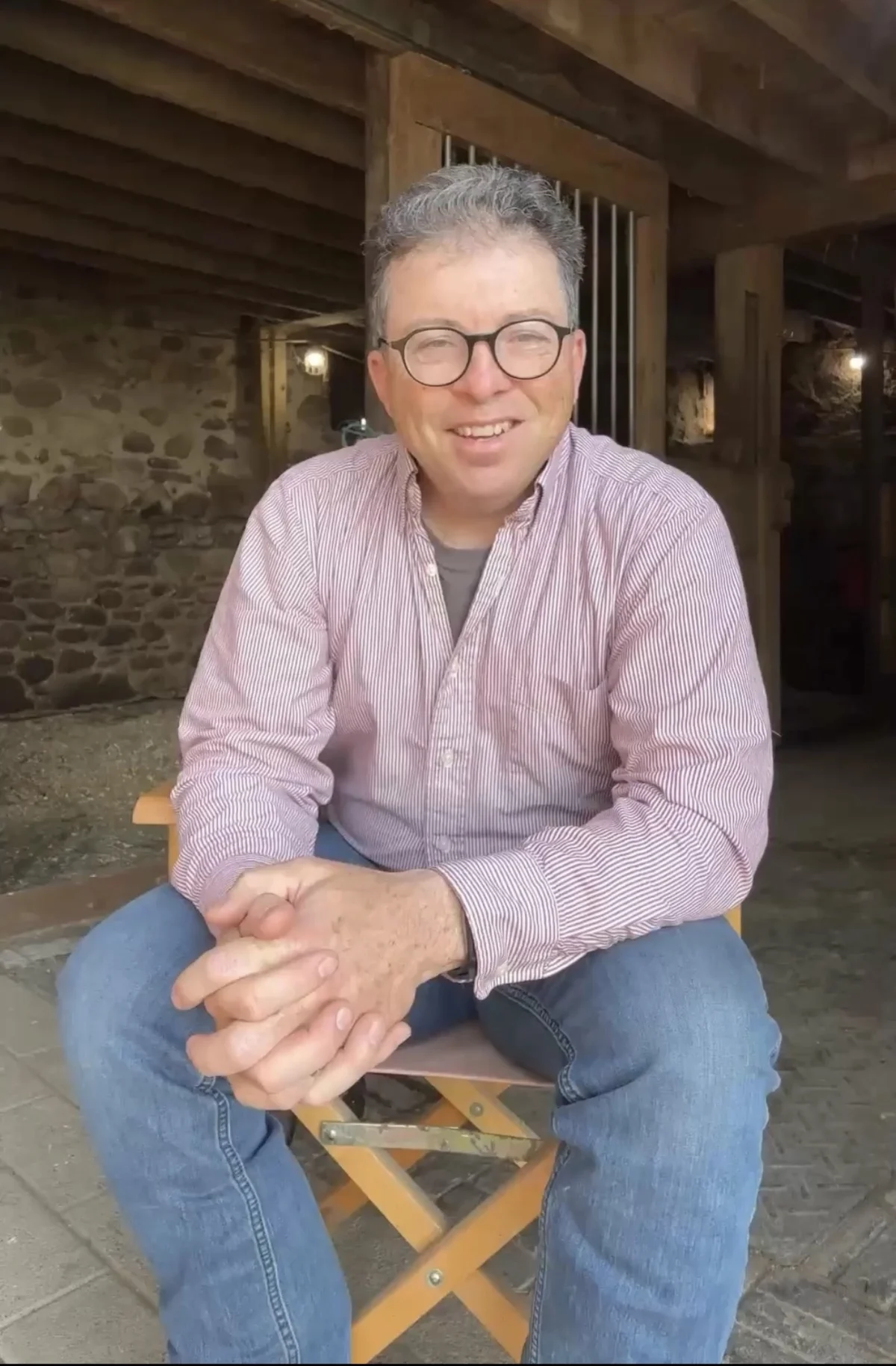
The Cornell Equine Hospital and Cornell Cooperative Extension collaboratively hosted a crucial installment of their esteemed Equine Seminar Series on Tuesday, October 20, 2020. The virtual event featured Ken Estes, MPS, presenting a highly anticipated talk titled, "Is My Horse Getting What It Needs? From Eyeball to Evidence in Feeding, Condition, and the Everyday Work of Horse Management." Delivered via Zoom at 6 p.m., the seminar aimed to equip horse owners and managers with objective, data-driven methods to optimize equine nutrition and health, moving beyond traditional, subjective assessments.
A Pillar of Equine Education: The Cornell Equine Seminar Series
The Equine Seminar Series, a joint initiative of the Cornell Equine Hospital, a part of Cornell University’s world-renowned College of Veterinary Medicine, and Cornell Cooperative Extension, stands as a testament to the institutions’ commitment to advancing equine welfare through education and outreach. These monthly virtual talks serve as a vital conduit for disseminating cutting-edge research, best practices, and practical management strategies directly from leading equine experts to the global horse community. In a period marked by unprecedented reliance on digital platforms, particularly during the 2020 global health crisis, the pivot to a virtual format significantly broadened the series’ reach, making expert knowledge accessible to a diverse audience regardless of geographical location. The seminars are consistently offered free of charge and open to the public, underscoring Cornell’s dedication to community engagement and lifelong learning for equine enthusiasts and professionals alike. Registration through a dedicated link is a prerequisite for attendance, ensuring organized participation and direct access to the virtual platform.
Bridging the Gap: From Intuition to Informed Decisions
For generations, horse management, particularly in areas of feeding and condition assessment, has often relied heavily on intuitive judgment. A quick glance at the hay, a visual appraisal of the horse’s physique, and a general "feel" for how things are progressing have historically guided critical decisions. However, as scientific understanding of equine physiology and nutrition has advanced, the limitations of such subjective approaches have become increasingly apparent. Ken Estes Jr.’s seminar directly addressed this paradigm, advocating for a shift from purely observational methods to a more structured, evidence-based framework. The core premise of his presentation revolved around the idea that while instinct is valuable, it can be significantly sharpened and made more reliable through the integration of scientific tools and consistent data collection. This transformation is not about replacing the experienced eye but rather enhancing it with quantifiable metrics and verifiable information, ultimately leading to more precise and effective management decisions.
Unpacking the Science of Equine Condition and Nutrition
Estes’ presentation delved into the fundamental drivers of a horse’s physical condition, providing a plain-language explanation of complex physiological processes. Factors such as metabolism, age, breed predispositions, workload, environmental stressors, and underlying health conditions all interact to influence a horse’s body condition. A central focus of the seminar was the Henneke Body Condition Scoring System, a widely accepted, standardized method for objectively assessing a horse’s fat reserves. Developed by Don R. Henneke and his colleagues at Texas A&M University in 1983, this 9-point scale evaluates fat deposition at six key anatomical sites: the neck, withers, loin, tailhead, ribs, and behind the shoulder. A score of 1 indicates extreme emaciation, while 9 signifies extreme obesity, with 5-6 generally considered ideal for most horses.
Estes meticulously explained the mechanics of the Henneke system, emphasizing its utility as a consistent diagnostic tool for veterinarians, nutritionists, and horse owners. Crucially, he also illuminated why this seemingly straightforward system is often misjudged. Common errors include mistaking muscle mass for fat, allowing a long winter coat to obscure true body contours, or failing to palpate the fat pads adequately. Understanding these pitfalls is essential for accurate scoring and for interpreting changes in a horse’s condition over time. The webinar provided practical guidance on how to avoid these common mistakes, empowering attendees to apply the system with greater precision and confidence.
Innovative Tools for Everyday Barn Management
A significant highlight of Estes’ seminar was the introduction of free, easy-to-use online tools he developed to integrate forage science and body condition scoring into daily barn routines. These tools represent a practical application of the "evidence-based" philosophy, translating complex scientific data into actionable insights for horse owners.
-
Forage Analysis and Hay Planning Tool: Estes elaborated on the critical role of forage (hay and pasture) as the cornerstone of a horse’s diet. He stressed that visually assessing hay quality can be misleading; chemical analysis is necessary to determine its precise nutritional content, including crude protein, digestible energy, fiber fractions (NDF, ADF), and mineral profiles. The online tool helps users interpret these laboratory analyses, which are often presented in technical terms. By inputting the forage analysis results, horse owners can understand the nutrient density of their hay and, in conjunction with their horse’s individual needs (based on age, weight, workload, and health status), plan a balanced feeding program. This proactive approach helps prevent common nutritional imbalances that can lead to issues such as obesity, laminitis, insulin dysregulation, developmental orthopedic diseases in young stock, or performance deficits in athletic horses. The tool assists in calculating appropriate hay rations, potentially reducing feed waste and optimizing feed costs while ensuring the horse’s nutritional requirements are met.
-
Consistent Body Condition Scoring Tool: Complementing the Henneke system explanation, Estes presented an online tool designed to facilitate consistent body condition scoring. This interactive resource guides users through the process, prompting them to assess each of the six key areas and record their findings. By standardizing the assessment process and providing a structured way to track scores over time, the tool helps owners monitor subtle changes in their horse’s condition that might otherwise go unnoticed. Consistent tracking allows for timely adjustments to feeding and exercise regimens, preventing conditions from spiraling into more serious health concerns. For instance, a gradual increase in body condition score might trigger a dietary modification before the horse becomes overtly overweight, thereby mitigating the risk of associated metabolic diseases.
Holistic Equine Farm Management and Broader Implications
Beyond the individual tools, Estes articulated how these objective assessment methods fit into a broader equine farm management strategy. He posited that effective horse management is a multi-layered endeavor, encompassing not just nutrition and condition but also veterinary care, farriery, dental health, exercise programming, and environmental considerations. The data generated from consistent body condition scoring and forage analysis can inform decisions across all these domains. For example, understanding a horse’s nutritional status can guide discussions with a veterinarian about weight management, disease prevention, or therapeutic diets. It can also influence farrier recommendations if hoof health is compromised by nutritional deficiencies or excesses.
The implications of adopting such an evidence-based approach are far-reaching. For individual horse owners, it offers peace of mind, confidence in their management decisions, and the potential to significantly improve their horse’s health and longevity. For large-scale operations, it can lead to greater efficiency, reduced veterinary costs, and enhanced performance outcomes for their horses. The seminar underscored that whether one manages a single backyard pony or a competitive breeding and training facility, the principles of objective assessment and data-driven decision-making are universally applicable and beneficial.
The Presenter: Ken Estes Jr. – A Synthesis of Practicality and Academia
Ken Estes Jr., the dynamic presenter, brings a unique and highly qualified perspective to the topic, combining deep-rooted practical horsemanship with academic rigor and extensive community engagement. As a seventh-generation horseman, Estes embodies a profound, inherited understanding of equine care that spans over a century of family tradition. This extensive practical experience forms the bedrock of his insights, allowing him to connect theoretical concepts with the realities of daily barn life.
Professionally, Estes serves as the Agricultural Program Manager at Cornell Cooperative Extension of Livingston County. In this pivotal role, he spearheads a broad agricultural program, which includes overseeing the popular Master Gardener Volunteer Program. Cornell Cooperative Extension plays a crucial role in translating university research into practical applications for local communities, making Estes a key bridge between cutting-edge science and grassroots agricultural practices. His leadership in the extension program highlights his dedication to community education and empowerment. Additionally, he holds the position of Managing Editor of LivCo Farm & Home News, a publication that further amplifies his ability to communicate complex agricultural and equine topics in an accessible manner.
Beyond his institutional roles, Estes is the proprietor of JoGlenn Farms, established in 2017 on land his family has cultivated for three generations in Caledonia. At JoGlenn Farms, he focuses on raising Lippitt Morgan sporthorses – a specific strain of the Morgan horse breed known for its athleticism, versatility, and historical purity, making them well-suited for various equestrian disciplines. His farm also produces hay and forage, directly connecting him to the subject matter of his seminar and providing firsthand experience in forage management and quality.
Academically, Estes holds an MPS (Master of Professional Studies) in Community and Economic Development from Penn State, equipping him with a strong foundation in program development, community needs assessment, and sustainable practices. This academic background complements his practical expertise, enabling him to design and implement effective educational initiatives. Furthermore, his service on the Livingston County Agricultural & Farmland Protection Board demonstrates his commitment to preserving agricultural land and supporting the local farming economy. This blend of hands-on horsemanship, agricultural program management, academic training, and civic involvement positions Ken Estes Jr. as an exceptionally credible and impactful voice in equine health and management education.
The Enduring Impact of Collaborative Outreach
The Equine Seminar Series, and this particular presentation by Ken Estes, exemplify the profound impact that collaborative outreach efforts from leading academic and extension institutions can have on specialized communities. The Cornell Equine Hospital, celebrated for its advanced veterinary care, groundbreaking research, and comprehensive diagnostic services, consistently partners with Cornell Cooperative Extension, which excels in community-based education and practical application of scientific knowledge. This synergy creates a powerful platform for disseminating crucial information directly to those who need it most – horse owners, breeders, trainers, and enthusiasts.
The virtual nature of the seminars, especially pertinent during 2020, ensured that geographical barriers were removed, allowing a global audience to benefit from Cornell’s expertise. The accessibility of these free, expert-led talks democratizes high-level equine education, fostering a more informed and capable equine community. The focus on practical, actionable advice, such as the use of online tools for body condition scoring and forage analysis, directly empowers individuals to implement scientific principles in their daily routines, thereby enhancing equine welfare across the board. The series not only addresses immediate educational needs but also cultivates a culture of continuous learning and evidence-based decision-making within the equine industry, solidifying Cornell’s role as a leader in veterinary medicine and agricultural extension. The lasting legacy of such initiatives is a healthier, more sustainably managed equine population and a more knowledgeable, engaged community of horse caretakers.