rifanmuazin
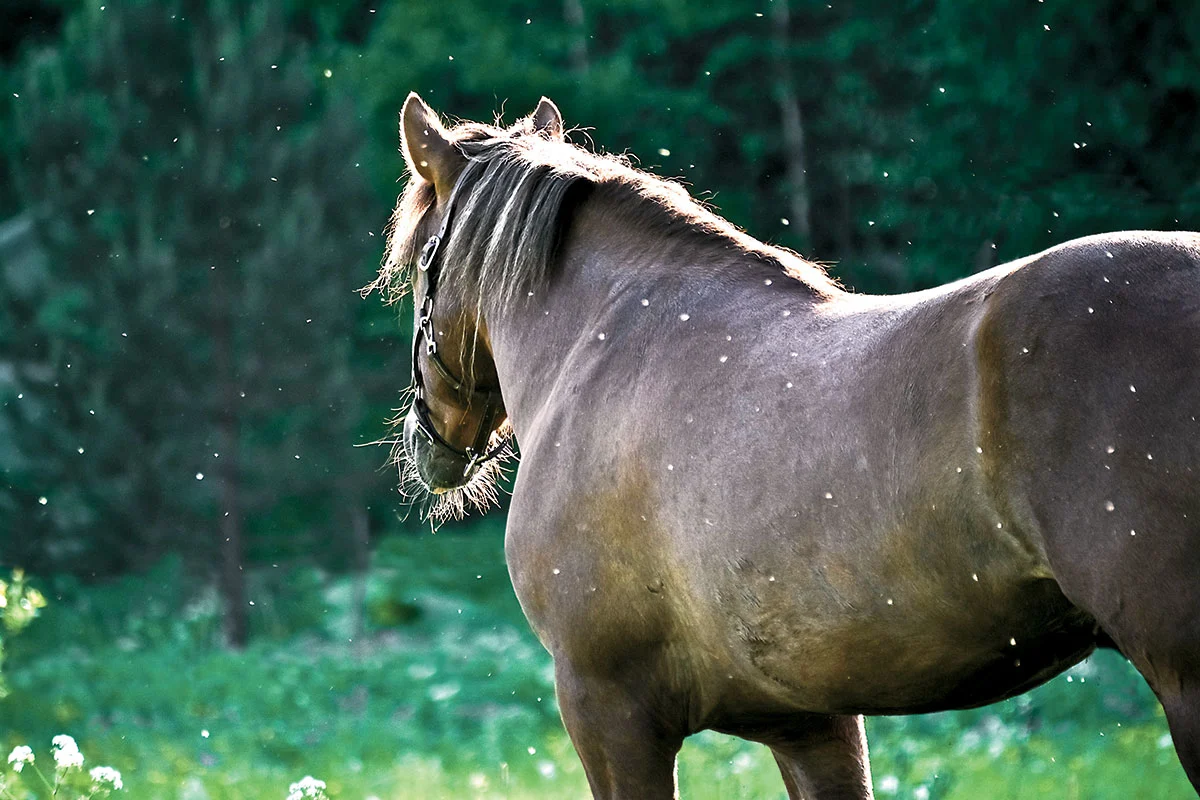
The Tennessee Department of Agriculture (TDA) has confirmed a case of West Nile Virus (WNV) in a horse located in Washington County, Tennessee, marking a critical reminder for equine owners across the state to reinforce biosecurity measures and ensure their animals are adequately protected against this potentially fatal neurological disease. This isolated incident underscores the persistent threat posed by WNV during peak mosquito season and highlights the importance of comprehensive prevention strategies, including vaccination and rigorous mosquito control, to safeguard equine health. The positive test result has triggered an immediate alert within the equine community, prompting veterinary professionals and animal health officials to reiterate established guidelines for managing and mitigating the risk of WNV infection.
Understanding West Nile Virus: A Persistent Equine Threat
West Nile Virus, a zoonotic arbovirus belonging to the Flaviviridae family, has been a significant concern for equine health in North America since its initial detection in New York City in 1999. Prior to its arrival in the Western Hemisphere, WNV was primarily confined to parts of Africa, Europe, the Middle East, and Asia, having been first identified in the West Nile district of Uganda in 1937. Its rapid spread across the continental United States, reaching all contiguous states within a few years of its introduction, demonstrated its adaptability and the widespread presence of its primary vectors. The virus is primarily maintained in a bird-mosquito-bird transmission cycle, with various species of Culex mosquitoes acting as the main vectors. Horses, along with humans and other mammals, are considered incidental or "dead-end" hosts, meaning they can become infected but do not develop high enough viral loads to transmit the virus back to mosquitoes, thus not contributing to the further spread of the disease.
The clinical presentation of WNV in horses can vary significantly. While many infected horses may remain asymptomatic, those that do develop clinical signs often exhibit a range of neurological symptoms. These can include ataxia (incoordination), muscle tremors (particularly of the muzzle and neck), fever, depression, weakness of the limbs (often more pronounced in the hind limbs), partial paralysis, recumbency (inability to stand), and even seizures. In severe cases, the disease can progress rapidly, leading to coma and death. The incubation period, from the time of mosquito bite to the onset of clinical signs, typically ranges from 5 to 15 days. Unfortunately, there is no specific antiviral treatment for WNV in horses. Management of affected animals is primarily supportive, focusing on alleviating symptoms, maintaining hydration and nutrition, and preventing secondary complications. Despite intensive care, equine mortality rates associated with WNV can be substantial, often ranging from 30% to 40% in clinically affected animals, with some reports indicating even higher figures depending on the severity of neurological signs and the response to supportive therapy. Survivors may also experience residual neurological deficits, impacting their quality of life and athletic performance.
The Tennessee Context: A Recurring Seasonal Challenge
Tennessee, with its humid climate and abundant natural water sources, provides an ideal environment for mosquito populations, making it susceptible to recurring WNV activity during the warmer months. Historically, the state has reported WNV cases in equines annually, particularly from late spring through early fall, aligning with the peak activity periods for mosquito vectors. The Tennessee Department of Agriculture plays a crucial role in the surveillance, monitoring, and reporting of equine infectious diseases, including WNV. Their proactive approach involves collaborating with veterinarians, diagnostic laboratories, and other state agencies to track disease incidence, disseminate information, and provide guidance to livestock owners. The confirmation of a WNV case in Washington County serves as a timely reminder that the threat is ever-present and geographically widespread within the state. Washington County, situated in East Tennessee, features a mix of agricultural land and wooded areas, which can harbor significant mosquito populations, especially after periods of rainfall. Localized environmental factors, such as the presence of standing water in agricultural ditches, ponds, and residential containers, contribute directly to the proliferation of these vectors. The TDA’s prompt announcement is critical for alerting horse owners in the immediate vicinity and across the state, encouraging them to review and strengthen their preventive measures before more widespread viral activity emerges.
Proactive Prevention: The Cornerstone of Equine Health Management
Effective prevention remains the most powerful tool against West Nile Virus. A multi-faceted approach combining strategic vaccination and comprehensive mosquito control is strongly advocated by equine health organizations and veterinary professionals.
Vaccination Strategies:
Vaccination is widely recognized as the most effective method for protecting horses against WNV. The WNV vaccine is considered a core vaccine by the American Association of Equine Practitioners (AAEP), meaning it is recommended for all horses regardless of their geographic location or use. Studies have consistently demonstrated the vaccine’s efficacy in preventing clinical disease and reducing mortality rates in vaccinated horses exposed to the virus.
- Annual Boosters: Horses that have been previously vaccinated against WNV require an annual booster shot to maintain adequate immunity. The timing of this booster is crucial and should ideally precede the peak mosquito season. In regions like Tennessee, where mosquito activity can be prolonged, veterinarians might recommend a strategic approach involving two boosters annually – one in the spring before the primary WNV season begins, and another in the fall to provide extended protection through the later months of mosquito activity. This dual-booster strategy is particularly beneficial for horses in high-risk areas or those with compromised immune systems.
- Initial Vaccination Series: For horses that have never been vaccinated against WNV, a primary two-shot vaccination series is required. These two doses should be administered 3 to 6 weeks apart to establish foundational immunity. It is vital for owners to understand that full protection does not develop immediately after vaccination. It typically takes several weeks following the completion of the primary series or booster administration for horses to develop a robust protective immune response against the disease. This lag time underscores the importance of planning vaccinations well in advance of expected WNV activity. Owners acquiring new horses should always verify their vaccination history and consult with a veterinarian to establish an appropriate vaccination schedule.
Mosquito Management:
Reducing exposure to mosquitoes is equally critical in WNV prevention. Owners should implement environmental controls and protective measures to minimize mosquito populations and limit their horses’ contact with these vectors:
- Eliminate Breeding Sites: Mosquitoes breed in standing water. Owners should diligently inspect their properties and eliminate all potential breeding grounds. This includes emptying water from old tires, buckets, wheelbarrows, and other containers regularly. Bird baths should be cleaned and refilled frequently. Clogged gutters can accumulate water and become breeding sites, so they should be cleaned routinely. Water troughs and feed buckets should be cleaned and refilled daily. For larger water sources like ponds or stagnant ditches, consider biological larvicides (e.g., Bacillus thuringiensis israelensis – Bti) or consult with local mosquito control districts for professional advice.
- Physical Barriers and Repellents: Stabling horses during peak mosquito activity hours, typically at dawn and dusk, can significantly reduce their exposure. Installing screens on barn windows and doors, or ensuring existing screens are intact, can help keep mosquitoes out. Using fans in stalls can create air currents that deter mosquitoes, as they are weak fliers. Topical insect repellents designed for horses, often containing permethrin or pyrethrin, can provide a temporary layer of protection when applied according to manufacturer instructions. Premise sprays or foggers can also be used in barns and surrounding areas, but care must be taken to ensure they are safe for animals and applied correctly.
- Barn Management: Keeping barn areas tidy, removing manure frequently, and ensuring proper drainage around facilities can further reduce favorable conditions for mosquitoes. Some owners also use mosquito traps, though their effectiveness can vary.
The Equine Disease Communication Center (EDCC): A Vital Information Hub
The news of the WNV case in Washington County was disseminated through the EDCC Health Watch, a program that leverages information from the Equine Disease Communication Center (EDCC). The EDCC is an independent nonprofit organization that plays a crucial role in safeguarding equine health across the United States. Supported by industry donations, the EDCC provides open access to verified infectious disease information, serving as a central hub for reporting and disseminating alerts about outbreaks and disease surveillance. By consolidating data from state veterinary offices, diagnostic laboratories, and other reliable sources, the EDCC ensures that horse owners, veterinarians, and industry stakeholders receive timely and accurate information. This rapid communication is essential for implementing effective disease control measures, allowing owners to take proactive steps to protect their horses and helping to prevent wider outbreaks. The EDCC’s commitment to transparency and verified reporting makes it an invaluable resource for the equine community, emphasizing the collective responsibility in managing disease threats.
Broader Implications and Public Health Considerations
The confirmation of WNV in a horse in Washington County carries implications beyond the immediate welfare of the affected animal. From an economic perspective, WNV outbreaks can result in significant financial burdens for horse owners, encompassing veterinary care costs, potential loss of the animal, and disruption to equestrian activities. For breeding operations or performance horses, the impact can be even more severe. Furthermore, WNV is a zoonotic disease, meaning it can be transmitted from animals to humans, albeit through the mosquito vector. While horses are dead-end hosts and cannot directly transmit the virus to humans, equine WNV cases serve as important sentinels, indicating that WNV is actively circulating in the local environment and that mosquitoes carrying the virus are present. This heightened awareness is crucial for public health officials, who often monitor WNV activity in equines and birds as an early warning system for potential human cases. State and local health departments collaborate with agricultural agencies to track mosquito populations and WNV prevalence, implementing public health advisories and mosquito control programs when necessary. The presence of WNV activity in horses underscores the need for residents in affected areas to also take precautions against mosquito bites, including using insect repellent, wearing protective clothing, and eliminating standing water around their homes.
Expert Advice and Owner Responsibility
In light of the confirmed WNV case, veterinary experts and agricultural officials urge all horse owners in Tennessee, especially those in Washington County and surrounding areas, to:
- Consult their veterinarian immediately to ensure their horses’ WNV vaccinations are current and to discuss an appropriate vaccination schedule, particularly if their horses are unvaccinated or if they reside in a high-risk area.
- Implement comprehensive mosquito control measures on their properties, focusing on eliminating standing water and using appropriate repellents.
- Monitor their horses daily for any signs of illness, especially neurological symptoms. Early detection allows for prompt veterinary intervention and potentially better outcomes.
- Report any suspected cases of WNV or other unusual neurological signs to their veterinarian immediately. Rapid reporting is vital for disease surveillance and control efforts.
- Stay informed by regularly checking updates from the Tennessee Department of Agriculture, the EDCC, and their local veterinary community.
Looking Ahead: Continued Surveillance and Community Effort
The battle against West Nile Virus is an ongoing endeavor that requires sustained vigilance and a collaborative approach. While the confirmed case in Washington County is a stark reminder of the virus’s persistent threat, it also highlights the effectiveness of surveillance systems and the importance of owner education and proactive measures. As temperatures remain conducive to mosquito breeding and activity throughout the late summer and early fall, the risk of WNV transmission will persist. Continued investment in research, robust public health infrastructure, and widespread adherence to preventive protocols are essential to protect the health and well-being of the equine population and, by extension, public health. The collective efforts of horse owners, veterinarians, state agricultural departments, and public health agencies are paramount in minimizing the impact of West Nile Virus and ensuring a safer environment for both animals and humans.