

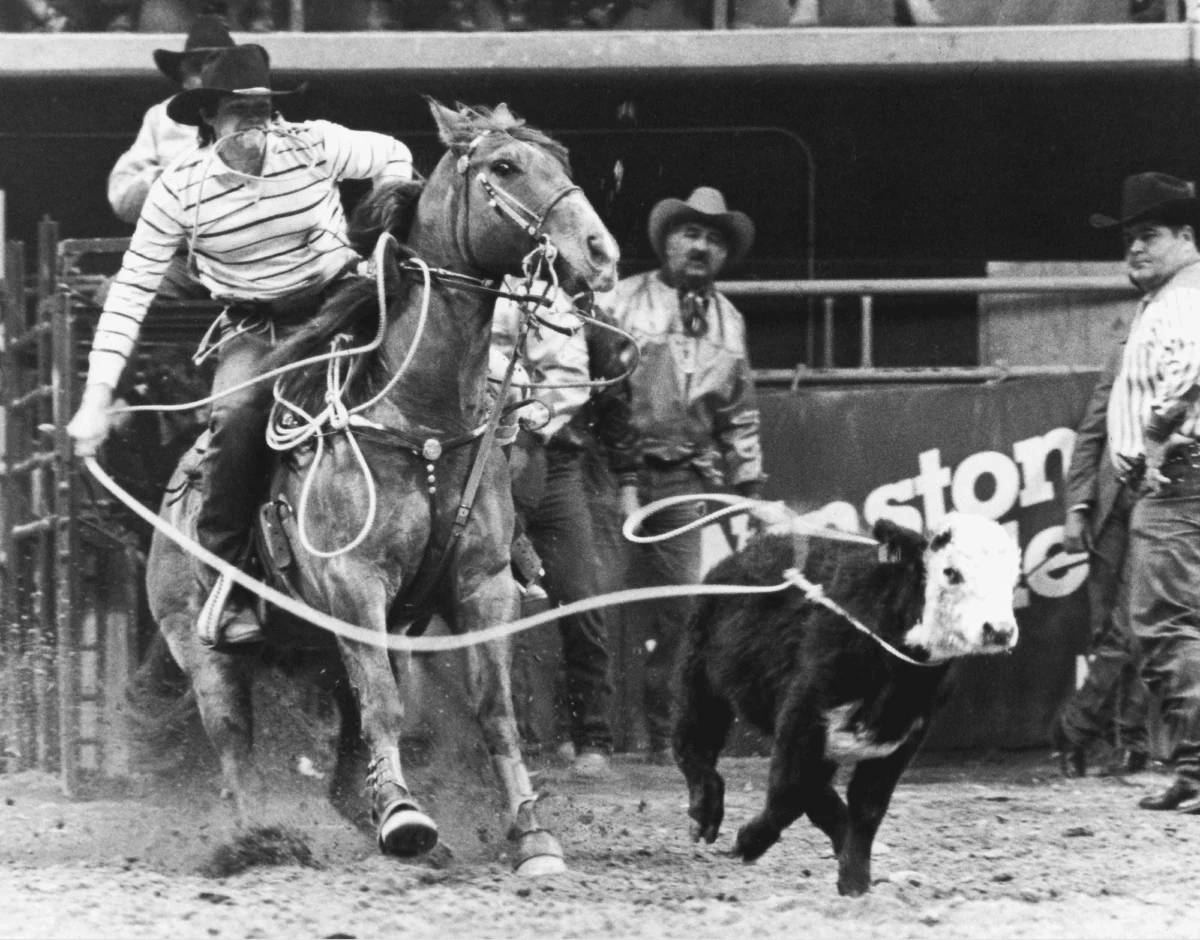
Eight-time World Champion Joe Beaver, a towering figure in professional rodeo, recently offered a comprehensive look back at his illustrious career, detailing the genesis of his competitive drive, the strategic intricacies of winning at the iconic Thomas & Mack Center, and the unwavering call of competition that continues to fuel him at 61 years of age. A Hall of Famer and an eight-time World Champion Cowboy, Beaver’s career spans decades, marked by unparalleled success in both individual and team disciplines, making him a true icon of the sport.
A Prodigious Start and the Foundation of Mental Fortitude
Born a lifelong Texan, Joe Beaver, who celebrated his 61st birthday on October 13th, burst onto the professional rodeo scene with a rookie season that defied expectations. In 1985, he became one of the rare professional rodeo newcomers to clinch a world title straight out of the gate in tie-down roping. This immediate success, while surprising to Beaver himself, was reportedly anticipated by his mother, Bonnie, highlighting an inherent talent and drive that would define his career. Beaver attributes his early prowess not just to natural ability but to a foundational love for the sport, stating, "I was just roping to have fun."
His father, Walter Beaver, played a pivotal role in shaping Joe’s technical skills and strategic approach. Walter, described as a "student of the game," imparted crucial advice that would resonate throughout his son’s career: "If you figure out how to use your long rope and get it on ‘em fast like Bubba Kendricks, and flank and tie like Mark Doehrman, you’ll never have to have a job." This counsel underscored the importance of mastering fundamental techniques and efficient execution, skills that Beaver would perfect to an art form. Bubba Kendricks and Mark Doehrman were renowned figures in the rodeo world, known for their distinct and highly effective styles in roping and tying, respectively, setting a high benchmark for aspiring cowboys.
Beyond physical technique, Beaver’s mental toughness emerged as one of his defining attributes. He credits his early experiences on the amateur circuit, particularly with fellow competitor David Nyegard, for forging an "unbreakable and strong mentally" resolve. This mental resilience, he explains, gave him a significant advantage over his peers. Further reinforcing this mindset was his association with Stephen Perry, who instilled in Beaver an unwavering belief in his ability to win, regardless of the circumstances. This powerful combination of innate talent, disciplined training, and psychological fortitude laid the groundwork for a career characterized by consistent high-level performance and numerous championship titles.
Dominance in Tie-Down Roping and the Evolution to All-Around Excellence
Joe Beaver’s primary event throughout his career was tie-down roping, a discipline requiring immense precision, speed, and horsemanship. He secured five world titles in this event (1985, 1987, 1988, 1992, and 1993), solidifying his status as one of the sport’s all-time greats. However, his ambition and versatility extended beyond a single event. Beaver also distinguished himself as a three-time world all-around champion (1995, 1996, and 2000), a prestigious title awarded to the cowboy who accumulates the most prize money across two or more events. For these all-around crowns, team roping served as his crucial second event, showcasing his remarkable adaptability and skill across different rodeo disciplines.
Beaver’s engagement with team roping began during his amateur days, where he frequently filled in for established figures like Gary Sutton, Marty Johnson, Pete Pearce, and Jesse Gonzales. His early exposure included heeling for a young Matt Tyler at junior rodeos, offering him a firsthand view of a future "GOAT" (Greatest Of All Time) in heading developing his craft. Despite this early experience, team roping did not become a consistent focus in his early professional career due to the disparity in prize money compared to tie-down roping—a common issue in rodeo where different events historically offered varying payouts. This situation gradually changed, allowing multi-event cowboys like Beaver to pursue all-around titles more effectively.
Throughout his professional rodeo career, Beaver exclusively headed in team roping, a role he describes as his natural fit, emphatically stating, "I’m no professional heeler at all." His National Finals Rodeo (NFR) qualifications are a testament to his versatility and enduring skill, with a remarkable 23 total appearances: 18 in tie-down roping, four in team roping, and even one in steer roping in 1988, which he undertook "just to show them I could." His NFR team roping partners included Monty Joe Petska (1997), Bret Gould (2000), Brad Culpepper (2002), and Cole Bigbee (2006), notably featuring three partners from east of the Mississippi River, highlighting his ability to adapt to diverse partnerships.
Navigating the Thomas & Mack: Strategy and Triumph
The Thomas & Mack Center in Las Vegas, the hallowed ground of the National Finals Rodeo, presents unique challenges for competitors due to its compact arena size. Beaver vividly recalls the strategic adjustments required for team roping in such tight quarters. His preparation for his first NFR team roping appearance involved meticulously studying footage from previous years, specifically observing legendary header Speedy Williams. "I watched Speedy (Williams), then fast-forwarded to the next round, watched Speedy and kept going," Beaver recounts. He recognized Williams’s mastery in executing a quick swing and getting the rope on the steer efficiently, a technique crucial for success in the Thomas & Mack. Beaver emphasizes, "the faster you get it on ‘em, the more you’re going to win."
Another critical factor in that era was the nature of the steers themselves, which often had larger horns, demanding horses that could "crawl the wall to face" effectively. Beaver was fortunate to have such a horse, enabling him to adapt to these specific conditions. His advice to first-time NFR headers remains timeless: "You cannot be scared at the barrier." He stresses the importance of not being late out of the box and not hesitating to throw, acknowledging that even a barrier penalty (breaking the barrier) can be overcome if the run is otherwise fast enough to secure a good position in the average. "Not that many teams are going to catch 10," he notes, implying that consistency, even with minor penalties, often trumps an overly cautious approach.
One of Beaver’s most memorable moments at the Thomas & Mack encapsulates this strategic execution: Round 10 of the 2000 NFR. His partner, Bret Gould, executed a perfect "wheel" on their steer, allowing Beaver to secure the round win. This victory was instrumental in clinching his third all-around championship, as he was competing in two events and trailing Scott Johnston, who was in the bronc riding. After Gould’s crucial header, all Beaver needed was to successfully tie his calf in the tie-down roping to secure the ultimate cowboy crown, which he did. This moment perfectly illustrates the synergy between partners and the high-stakes environment of the NFR.
The Unwavering Call of Competition and a New Chapter
Even at 61, with 17 surgeries under his belt and acknowledging that his physical game is not what it once was, Joe Beaver’s passion for competition remains undimmed. "Roping’s not how I eat anymore," he states, highlighting a shift from professional necessity to pure enjoyment and a personal challenge. His current motivation is to test his enduring abilities: "It’s fun to see if a guy about to be 61 years old who’s had 17 surgeries and doesn’t have near the game he used to can still figure out a way to win." This sentiment reflects the deep-seated competitive spirit that has driven him throughout his life.
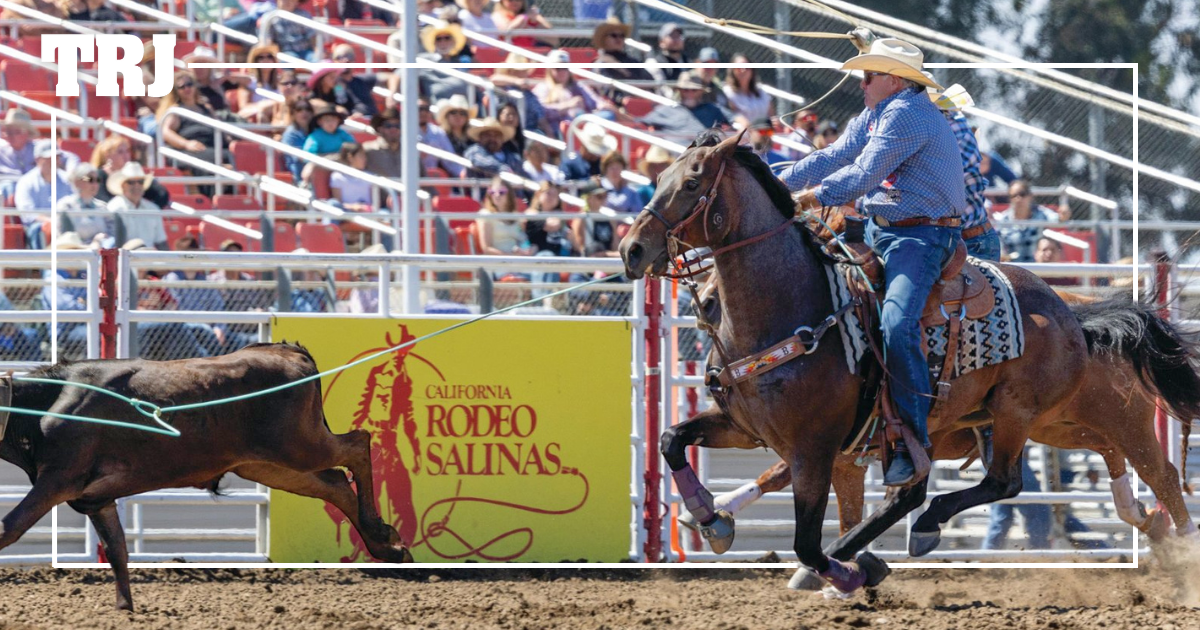
This continued desire to compete led Beaver to the California Circuit rodeos this year, where he has been heading with Lane Wheeler. The move to California was partly influenced by practical considerations and lifestyle preferences. Following a series of clinics in Oregon, Washington, and Northern California, a conversation with Monty Joe Petska led to the partnership with Wheeler. The stark contrast in climate—returning to the hot, humid Texas summer after enjoying California’s mild weather—prompted Beaver and his wife, Jenna, to make a significant change. "Jenna was like, ‘What are we doing?’" Beaver recalls, emphasizing their appreciation for the agreeable climate and welcoming people. "It’s about enjoying life, so here we are."
While still actively competing, Beaver also dedicates a significant portion of his time and expertise to mentoring the next generation. He describes his commitment to both aspects as "about 50-50." However, when faced with a choice, his priority leans towards nurturing young talent. "But if people are calling me wanting to rope and I have a kid with talent who’s having problems and needs my attention, I’m helping that kid before I rope," he affirms. This dedication to giving back underscores his profound love for the sport and his desire to see it thrive through new generations.
Insights into the Modern Rodeo Landscape
Beaver, ever the keen observer, also shared his perspectives on current team roping duos, highlighting those who exemplify excellence and embody the spirit of the sport. On the veteran side, he admires the partnership of Kaleb Driggers and Junior Nogueira, noting their complementary styles. "If Kaleb hangs it out there, Junior will block and tackle. Whatever they need to do to win is what they do, and they complement each other," he observes, recognizing their strategic adaptability and teamwork as hallmarks of their success. Driggers and Nogueira are consistently ranked among the top teams, known for their aggressive yet precise approach.
He also finds particular satisfaction in watching younger teams emerge from the shadows of legendary fathers. Tyler Tryan and Nicky Northcott, whose fathers, Clay Tryan and Steve Northcott, are both highly successful and revered figures in heading and heeling, respectively, represent this new wave. Clay Tryan is often cited as one of the greatest headers of all time, while Steve Northcott was known for his exceptional heeling prowess. Beaver finds it "very refreshing" to witness Tyler and Nicky carve out their own identities and achieve success independently.
Another young team that has caught Beaver’s eye is Korbin Rice and Cooper Freeman. Their significant win at the Houston Rodeo, followed by a victory at Calgary, demonstrated their ability to sustain success beyond an initial breakout. Beaver notes that such early big wins often lead to skepticism, with many suggesting it’s a one-off. However, Rice and Freeman have "been steadily chipping away," proving their consistency and potential. "It’s cool to see a young team do that," Beaver remarks, appreciating their tenacity and continued progression in the competitive arena.
A Career Defined by Pressure and Unwavering Performance
When asked to pick an all-time favorite day in rodeo, Beaver offers a reflective response, initially considering the pressure-cooker scenario of winning Round 10 in 1996 to secure his all-around title. In that instance, he missed the barrier but still made a "great run." However, his father’s assessment offered a different perspective. Walter Beaver always maintained that Joe’s best run under pressure was his very first calf at his inaugural NFR in 1985. "He thought that first round at that first Finals was more impressive, because I had no idea what I had to do and did it anyway," Joe explains, encapsulating the raw talent and instinctive performance that marked the beginning of his legendary career.
Joe Beaver’s journey is a testament to sustained excellence, mental fortitude, and a deep, abiding love for rodeo. From his rookie year triumph to his multi-discipline world championships and his current role as a competitor and mentor, his impact on the sport is immeasurable. His reflections provide not only a chronological account of a remarkable career but also invaluable insights into the mindset required to compete and win at the highest levels of professional rodeo, proving that the thrill of the chase remains as potent as ever.








