

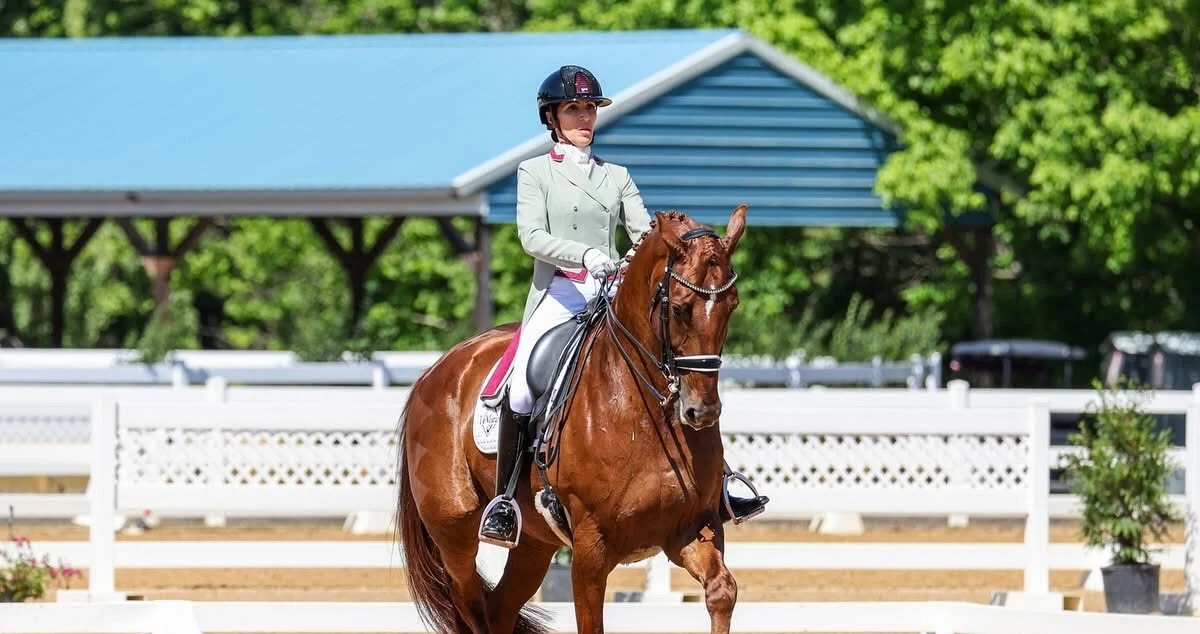
Grand Prix dressage rider and five-star eventer Lainey Ashker captivated Dressage Today+ members on October 13th during an exclusive VIP webinar titled "Learning From Multiple Disciplines." The session provided an in-depth look into Ashker’s unique approach to managing horses across two demanding equestrian disciplines, a feat she currently achieves with Zeppelin at the Grand Prix dressage level and Lovedance at the four-star level of eventing. Operating from her farm in Chesterfield, Virginia, Ashker detailed her strategies for harmonizing two distinct training systems, navigating dual competition calendars, and maintaining peak performance for both herself and her equine partners. The webinar culminated in an engaging question-and-answer segment, allowing attendees to delve deeper into Ashker’s expertise.
The webinar commenced with Ashker painting a vivid picture of a typical training day, highlighting the intricate balance required to prepare horses for the highest echelons of both dressage and eventing. Having primarily focused on eventing for much of her career, Ashker elaborated on the trajectory that led her to pursue upper-level dressage concurrently. This dual pursuit necessitates a sophisticated understanding of how to adapt training methodologies to suit the specific demands of each discipline, ensuring that progress in one area does not compromise performance in the other.
Navigating Dual Training Regimens and Competition Schedules
Ashker’s approach to managing two distinct training systems is a testament to her deep understanding of equine physiology and psychology. Dressage training emphasizes precision, suppleness, and harmony between horse and rider, focusing on a repertoire of movements executed with elegance and control. Conversely, eventing demands athleticism, bravery, and stamina, with the ultimate test being the challenging cross-country phase. Ashker outlined how she strategically allocates training time, ensuring that dressage principles form the foundation for all her horses, while also incorporating specific exercises and conditioning for the jumping and galloping phases of eventing.
The logistical challenges of maintaining two competition calendars are equally significant. Dressage competitions typically occur on weekends and often involve multiple days of competition, from preliminary tests to Grand Prix. Eventing, on the other hand, usually spans three days, encompassing dressage, cross-country, and show jumping, and can be geographically dispersed. Ashker explained the meticulous planning involved in scheduling these events, considering travel, recovery times for the horses, and the importance of allowing adequate rest between intense competition periods. This requires a proactive approach, often booking competitions months in advance and building flexibility into her plans to accommodate unforeseen circumstances.
The Holistic Approach: Equine and Rider Fitness, Mental Acuity, and Expressive Attire
Beyond the technical aspects of training, Ashker placed a strong emphasis on the holistic well-being of her horses and herself. She discussed her comprehensive fitness routines designed to optimize the physical condition of her mounts. For eventing horses, this involves a robust conditioning program that builds stamina and strength for the demands of cross-country. For dressage horses, the focus is on developing suppleness, collection, and the intricate muscular engagement required for Grand Prix movements. Ashker underscored the importance of cross-training, which can include hill work, interval training, and hacking, to maintain soundness and prevent boredom.
The mental health of both horse and rider was another pivotal theme. Ashker acknowledged the immense pressure associated with competing at the highest levels in two demanding sports. She shared strategies for managing stress, maintaining a positive mindset, and fostering a strong partnership with her horses. This includes mindful training sessions, celebrating small victories, and recognizing the signs of burnout in both herself and her equine partners. For her horses, it means ensuring a balanced lifestyle that includes turnout, varied work, and positive reinforcement.
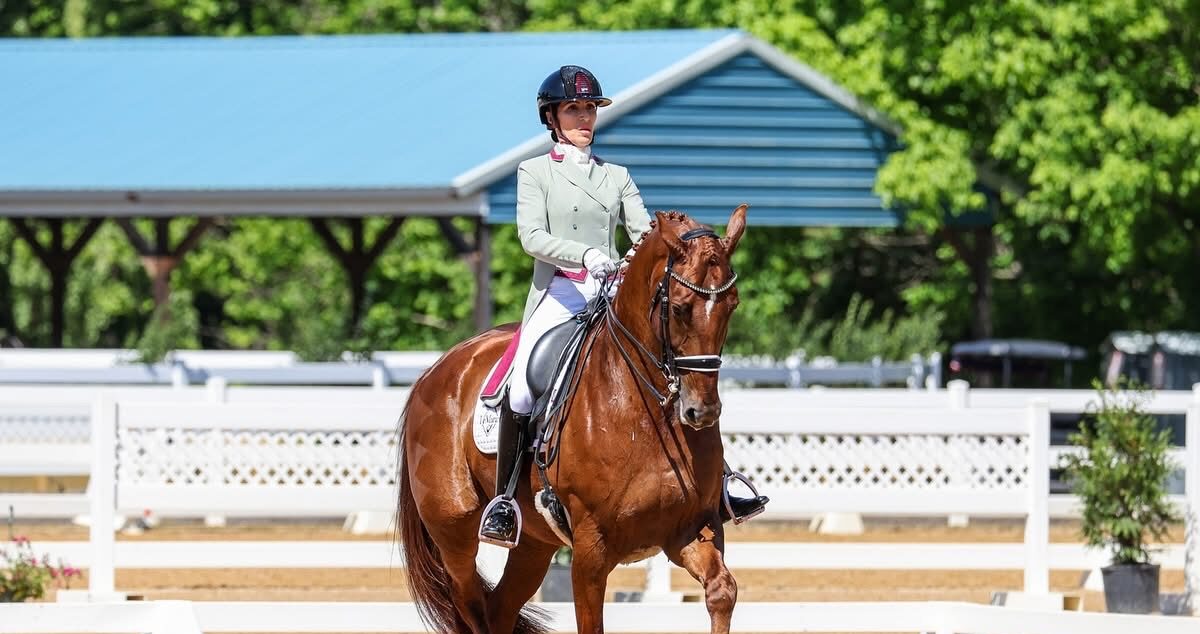
In a lighter yet insightful segment, Ashker shared her perspectives on riders expressing their individuality through show attire. While acknowledging the traditional elegance of dressage and eventing attire, she spoke about the growing trend and acceptance of more personalized and eye-catching outfits. Ashker believes that thoughtful and creative attire can enhance a rider’s presentation and confidence in the arena, reflecting their personality and the bond they share with their horse, without compromising the sport’s inherent decorum. This approach aligns with a broader shift in equestrian sports towards celebrating individual expression within established guidelines.
Audience Engagement and Key Takeaways
The latter part of the webinar was dedicated to an interactive Q&A session, where Ashker addressed a wide array of questions from the Dressage Today+ community. Topics ranged from specific cross-training techniques for different types of horses to the intricate process of selecting and choreographing freestyle music for dressage tests. Her ability to provide practical, actionable advice drawn from her extensive experience resonated with attendees, offering valuable insights applicable to riders at various levels and across different disciplines.
One particularly compelling question likely revolved around how she manages the distinct mental demands placed on horses in each discipline. Eventing horses need to be bold and confident in the face of intimidating obstacles, while dressage horses require a high degree of focus and responsiveness to subtle aids. Ashker’s response would likely have detailed how she builds trust and confidence through consistent, positive training, ensuring that each horse feels prepared and secure in their respective roles.
The selection of freestyle music for Zeppelin’s Grand Prix dressage tests, for instance, is a nuanced process that reflects the horse’s personality and the rider’s artistic interpretation. Ashker likely shared her criteria for choosing music that complements the horse’s gaits, enhances the overall impression of the test, and resonates with the audience, a process that involves careful consideration of tempo, mood, and thematic coherence.
Broader Implications and the Future of Multidisciplinary Excellence
Lainey Ashker’s success in simultaneously campaigning at the elite levels of both dressage and eventing serves as a powerful case study in modern equestrian training and horsemanship. Her approach challenges traditional notions of specialization, demonstrating that with meticulous planning, a deep understanding of equine needs, and a commitment to holistic development, riders can indeed excel across multiple disciplines.
The data emerging from equestrian sports consistently highlights the importance of athleticism, soundness, and mental resilience in achieving peak performance. Ashker’s methods align with these findings, emphasizing the long-term health and well-being of her horses as the foundation for their competitive success. Her ability to manage two distinct training programs also speaks to the growing sophistication of equestrian management and the increasing availability of specialized knowledge and resources.
Ashker’s participation in the Dressage Today+ webinar underscores the platform’s commitment to providing its members with access to top-tier expertise. The organization, dedicated to advancing the art and science of dressage, recognizes the value of cross-disciplinary learning. By inviting riders like Ashker, Dressage Today+ broadens the horizons of its members, encouraging a more comprehensive and adaptable approach to equestrian pursuits.
The implications of Ashker’s success extend beyond her own career. Her methods can inspire other riders to consider diversifying their training or to adopt a more integrated approach to their equestrian goals. As the sport continues to evolve, the ability to draw knowledge and techniques from various disciplines will become increasingly crucial for developing well-rounded, resilient, and high-performing equine athletes. Ashker’s insights offer a valuable roadmap for those aspiring to achieve similar levels of success while prioritizing the welfare and partnership with their horses. The continued engagement with such informative sessions by organizations like Dressage Today+ ensures that this knowledge is disseminated and contributes to the ongoing advancement of equestrian sport.







