A landmark five-year equine welfare initiative has been officially launched, promising to significantly enhance the living conditions and care of horses and other working animals in the vicinity of Egypt’s iconic Pyramids. This ambitious project is a collaborative effort spearheaded by the Longines Global Champions Tour (LGCT), in partnership with the Egyptian Equestrian Federation (EEF) and other key stakeholders. The initiative is designed to address critical areas such as improved access to food, water, and veterinary services, alongside a robust program for enhanced owner training.
The timing of this announcement is particularly poignant, coinciding with the recent historic staging of the LGCT in Cairo for the first time this month. The presence of a global equestrian event of this magnitude in such a historically rich and culturally significant location has brought increased international attention to the welfare of the animals that are an integral part of the tourist experience in the Giza plateau. Horse & Hound previously reported on the preliminary efforts being undertaken by the EEF, in conjunction with national authorities, to elevate the standards of care for working horses and other animals in the Pyramids area. This new, formalized initiative signifies a sustained and structured commitment to these crucial improvements.
Genesis of the Initiative: Addressing Pre-Existing Concerns
The Pyramids of Giza, a UNESCO World Heritage site and one of the last remaining Seven Wonders of the Ancient World, attract millions of visitors annually. For decades, horse-drawn carriages, camel rides, and horse riding experiences have been a quintessential part of the tourist offering. However, concerns regarding the welfare of these animals have been a recurring issue, often highlighted by animal welfare organizations and international observers. These concerns typically revolve around inadequate access to fresh water, insufficient or poor-quality feed, long working hours without adequate rest, and limited access to timely and effective veterinary care, particularly for those animals not directly associated with formal equestrian events.
The decision to launch a comprehensive, multi-year welfare program reflects a growing recognition by major international sporting bodies and local authorities of their responsibility to ensure ethical treatment of animals involved in tourism and sporting activities. The LGCT, as a premier global showjumping series, holds a vested interest in promoting responsible equestrian practices worldwide. Their involvement signals a commitment beyond the immediate scope of their competition venues, extending to the broader equestrian ecosystem in host countries.
A Multifaceted Approach to Equine Well-being
The five-year plan is built upon several key pillars, each designed to create a sustainable and impactful improvement in animal welfare:
-
Enhanced Nutrition and Hydration: A cornerstone of the initiative will be ensuring that all working animals have consistent and reliable access to clean, fresh water and nutritious feed. This may involve the establishment of dedicated watering stations and the provision of subsidized or improved feed sources. Data from global animal welfare studies consistently shows that proper hydration and nutrition are fundamental to an animal’s health, energy levels, and resistance to disease. For working animals, this translates directly into their ability to perform their duties safely and without undue suffering.
-
Accessible and Professional Veterinary Care: The initiative aims to establish or significantly improve the availability of veterinary services in the Pyramids area. This includes ensuring that trained veterinarians are readily accessible to examine animals, diagnose and treat illnesses or injuries, and provide preventative care such as vaccinations and deworming. The establishment of a mobile veterinary unit or a dedicated clinic could be part of this strategy, ensuring prompt response times, especially for emergencies. Such a system would also allow for the collection of vital data on common ailments and treatment outcomes, informing future welfare strategies.
-
Owner Education and Training Programs: Recognizing that the long-term welfare of animals is intrinsically linked to the knowledge and practices of their owners and handlers, the initiative will prioritize comprehensive training programs. These programs will cover a range of topics, including best practices in animal husbandry, recognizing signs of distress or illness, appropriate feeding and watering techniques, understanding the impact of heat and exertion, and humane handling. Empowering owners with this knowledge is crucial for fostering a culture of care and responsibility. Educational programs can draw on best practices from organizations like the World Organisation for Animal Health (OIE) and established equine welfare charities.
-
Collaboration and Monitoring: The success of the initiative hinges on the close collaboration between the LGCT, the EEF, local government bodies, animal welfare NGOs, and the animal owners themselves. A robust monitoring and evaluation framework will be established to track progress, identify challenges, and adapt strategies as needed. This could involve regular inspections, data collection on animal health and working conditions, and feedback mechanisms from all stakeholders. The establishment of a dedicated oversight committee with representatives from each key party would ensure accountability and transparency.
The LGCT’s Role and Global Context
The Longines Global Champions Tour is renowned for its elite showjumping competitions held in some of the world’s most prestigious locations. While the primary focus of the tour is the athletic performance of top-tier equestrian athletes and their horses, the organization has increasingly demonstrated a commitment to promoting welfare standards within the sport. The decision to extend this commitment to the working animals in Egypt highlights a broader trend among major sporting bodies to acknowledge and address their social and ethical responsibilities.
The LGCT’s involvement is not merely philanthropic; it aligns with the growing demand from sponsors, fans, and the general public for ethical and sustainable practices in all aspects of sport. By investing in the welfare of working animals in a location as globally recognized as the Pyramids, the LGCT is not only contributing to a vital cause but also enhancing its own brand reputation and demonstrating leadership within the equestrian community. This initiative can serve as a model for other international sporting organizations operating in regions where animal welfare may be a concern.
Historical Context and Precedent
While this specific initiative is new, the efforts to improve animal welfare in tourist areas are not unprecedented. Similar projects have been undertaken in other popular tourist destinations globally, often initiated by a combination of international pressure, local advocacy, and the involvement of larger organizations. For instance, in regions with significant elephant tourism, initiatives have focused on providing more natural environments and prohibiting exploitative practices. In the context of working horses, efforts in various European cities have aimed to modernize the horse-drawn carriage industry, improving stabling, working hours, and veterinary oversight. The Egyptian initiative benefits from these global learning experiences, allowing for the implementation of proven strategies and the avoidance of common pitfalls.
The Economic and Social Dimensions
The economic impact of tourism in Egypt is substantial, with the Giza plateau being a major draw. The animals involved in tourist activities contribute to this economy, providing livelihoods for their owners and handlers. The welfare initiative, therefore, is not just about animal protection but also about ensuring the sustainability of this sector in an ethical manner. By improving the health and condition of the animals, the initiative can also enhance the overall tourist experience, potentially leading to increased visitor satisfaction and repeat tourism. Furthermore, by providing training and support to owners, the initiative can contribute to socio-economic upliftment within the communities that depend on these animals.
The project’s five-year timeframe suggests a strategic, long-term vision, moving beyond short-term fixes to foster lasting change. This duration allows for the gradual implementation of programs, the building of trust between stakeholders, and the measurement of tangible outcomes. A phased approach might see initial interventions focused on immediate needs like water and basic veterinary care, followed by more complex training programs and infrastructure development over the subsequent years.
Potential Challenges and Mitigation Strategies
Implementing such a comprehensive initiative in a complex socio-economic environment will undoubtedly present challenges. These may include:
- Cultural and Traditional Practices: Resistance to change from some owners who are accustomed to traditional methods of animal care. Mitigation will involve patient and persistent education, demonstrating the benefits of new practices through visible improvements in animal health and productivity.
- Resource Allocation: Ensuring adequate and sustained funding for the initiative over the five-year period will be critical. This requires strong commitment from all partners and potentially the establishment of dedicated funds or grant programs.
- Enforcement and Compliance: Developing effective mechanisms for monitoring compliance with new welfare standards and addressing non-compliance will be essential. This may involve a combination of incentives, penalties, and ongoing dialogue.
- Geographical Dispersion: The Pyramids area is extensive, and reaching all working animals and their owners effectively will require logistical planning and a significant on-the-ground presence.
To address these, the initiative is likely to involve a phased rollout, starting with pilot programs in specific areas or for particular groups of animals. Regular communication and engagement with local communities will be paramount, fostering a sense of ownership and shared responsibility for the success of the program.
Broader Implications and Future Outlook
The success of this five-year equine welfare initiative in Egypt could have far-reaching implications. It has the potential to:
- Set a Global Standard: Serve as a benchmark for similar initiatives in other major tourist destinations worldwide that rely on animal-based tourism or activities.
- Enhance Egypt’s International Reputation: Position Egypt as a leader in responsible tourism and animal welfare, further enhancing its appeal to a wider range of international visitors who prioritize ethical travel.
- Foster Sustainable Tourism Practices: Contribute to a more sustainable model of tourism that respects both cultural heritage and the well-being of living creatures.
- Inspire Further Action: Encourage other organizations and individuals to contribute to animal welfare efforts within Egypt and beyond.
The inclusion of the Egyptian Equestrian Federation as a key partner is particularly significant. It underscores the commitment from within the national equestrian community to elevate standards and integrate welfare considerations into the fabric of equestrian activities. Their expertise in managing equestrian affairs within the country will be invaluable in navigating local regulations and cultural nuances.
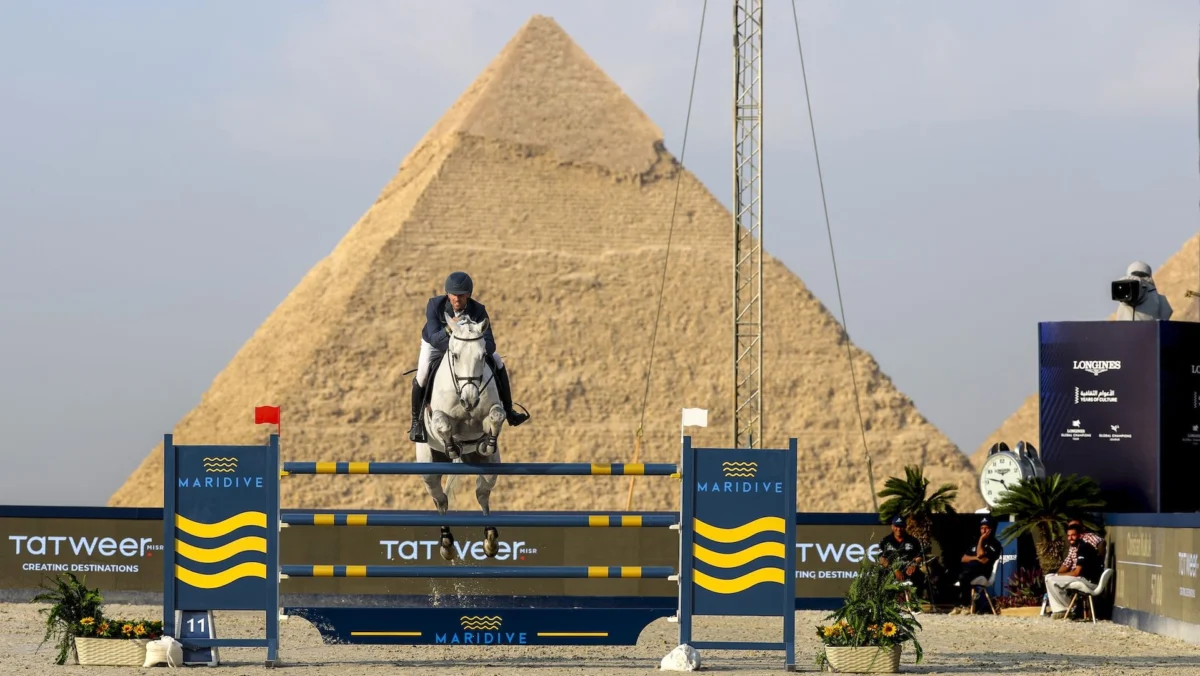
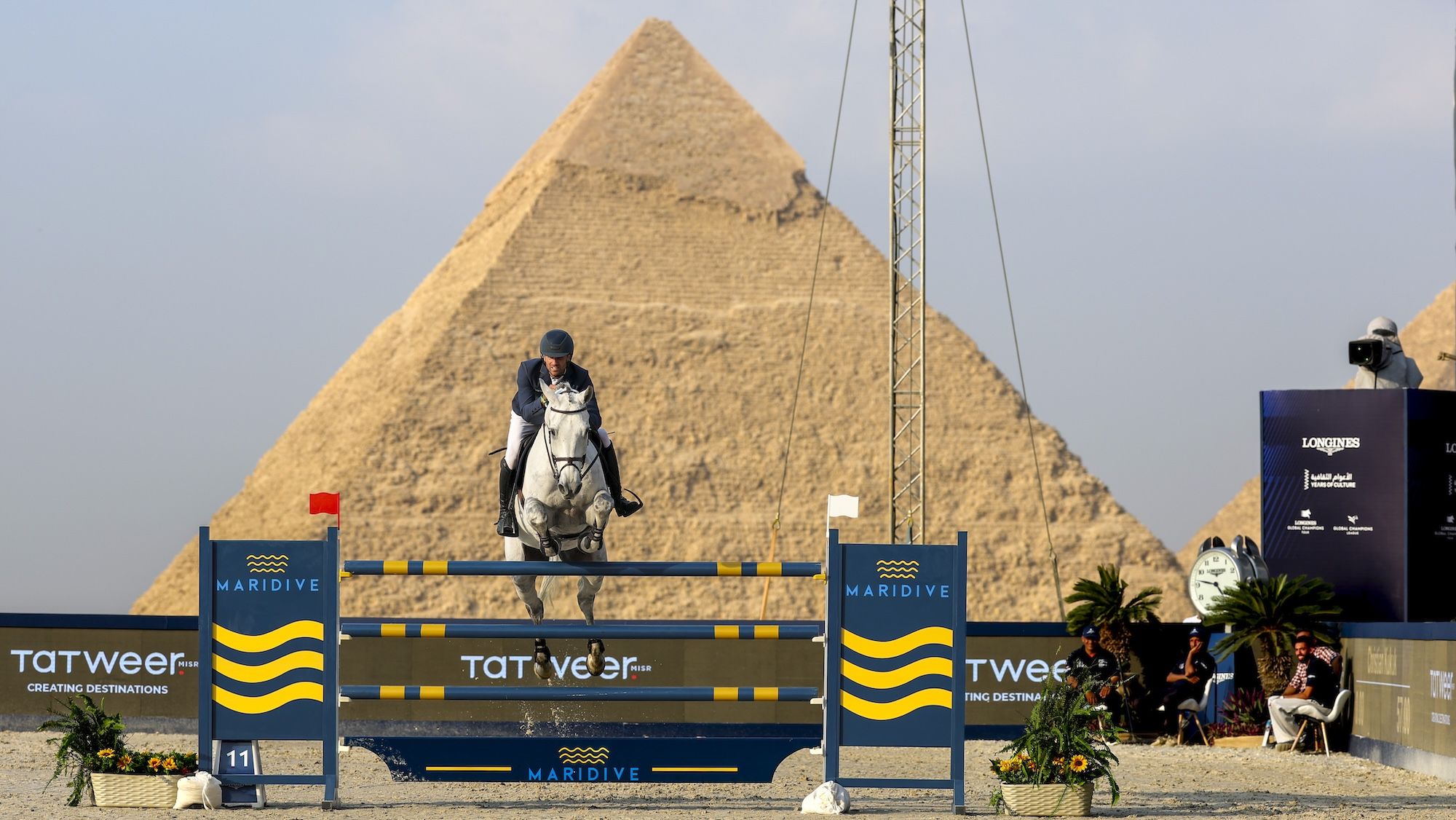
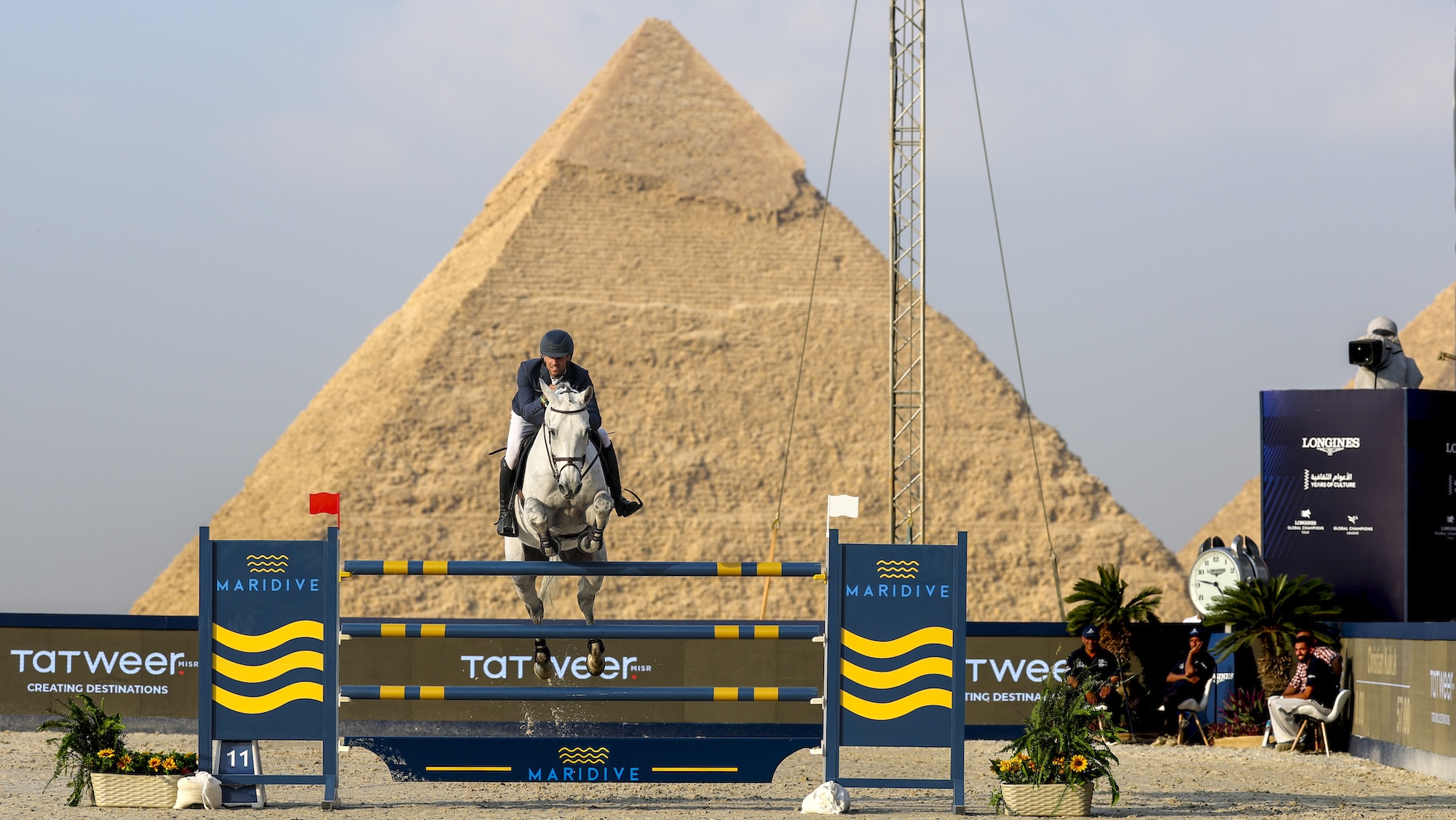
As the initiative unfolds over the next five years, detailed reports on its progress, challenges, and achievements will be eagerly anticipated by animal welfare advocates, equestrian enthusiasts, and the global tourism industry. The image of a horse and rider elegantly clearing a fence with the majestic Pyramids in the background, as captured in promotional materials, can now symbolize not only the thrill of equestrian sport but also a commitment to the well-being of the animals that make such experiences possible. This partnership between a global sporting entity and national authorities signifies a progressive step towards ensuring that the ancient wonders of Egypt are experienced with compassion and respect for all living beings.