The pursuit of correct contact in dressage, a cornerstone of harmonious partnership between horse and rider, remains a persistent challenge for many practitioners of the discipline. For years, riders have grappled with achieving that delicate, responsive connection described as a "thread" between hand and mouth, a feeling that is both subtle and profoundly influential. This article delves into the nuances of this fundamental aspect of dressage, drawing on the expertise of seasoned professionals to illuminate the path toward its mastery.
The Evolving Nature of Contact
At its core, correct contact is not a static position but a dynamic, ever-changing sensation that reflects the horse’s state of balance and self-carriage. When a horse is truly balanced, moving with inherent stability and carrying itself without rider aid, the contact with the bit can feel almost imperceptible. It is likened to a fine thread, a whisper of connection that allows for instant communication. Conversely, when a horse loses its balance, often falling onto its forehand, this subtle connection can become heavy and resistant, a clear indication that the horse is struggling and requires rider intervention to regain its equilibrium.
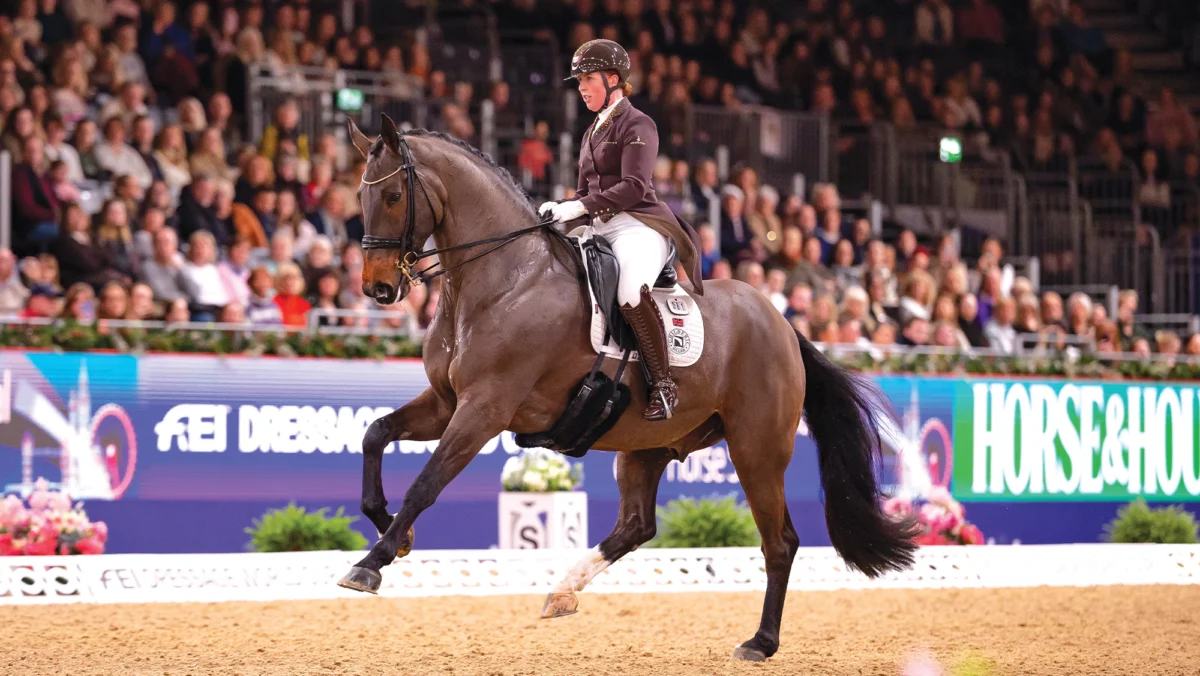
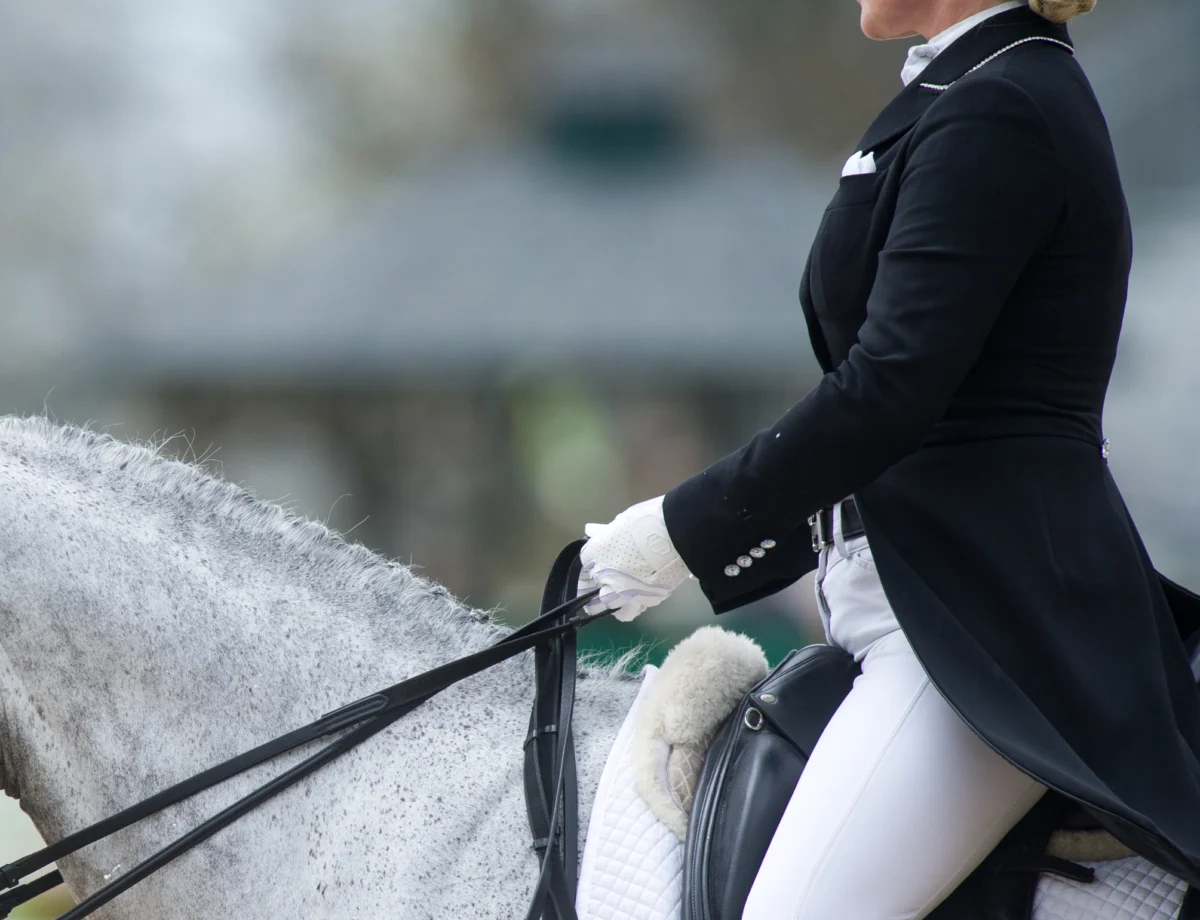
As an observer, correct contact manifests as a consistent, unbroken line from the rider’s elbow, held directly above the hip, through the reins to the horse’s mouth. This visual cue underscores the importance of the rider’s posture and hand position. The hands should be neither too high nor too low, typically situated just above and in front of the saddle’s pommel. Crucially, the fists must be closed with the thumbs pointing upward, a position often described as holding a glass of water. This specific grip facilitates a sensitive feel, preventing the "piano hands" – where reins pass between the ring and little fingers with hands turned over – that can deaden the rider’s perception of the horse’s subtle responses. Many riders mistakenly believe that a light contact is achieved by loosening their grip in this piano-hand position, inadvertently creating a void of feeling rather than a delicate connection.

The Foundation: Rider Posture and Core Engagement
The ability to feel the horse through the reins is intrinsically linked to the rider’s own posture and balance. A correct seat, achieved through the engagement of core muscles, forms the bedrock of sensitive riding. This principle is akin to the mindful core engagement taught in Pilates, where the torso acts as a stable anchor from which the limbs can move with relaxed precision. In this balanced state, the rider’s arms and legs become extensions of this core strength. Elbows should hang naturally, aligned with the hips. This position provides a crucial advantage: if the horse pulls or surges, the rider can brace against their own core strength, preventing them from being pulled out of the saddle. Without this core stability, riders often find themselves leaning forward, forced to release the contact to maintain their position, thereby sacrificing the connection.
Visualizing oneself as a tree is a potent metaphor for achieving this correct, unyielding yet supple posture. A tree neither gives nor pulls; it stands firm and remains unperturbed by external forces. Similarly, when a horse pulls forward or down, the rider should resist the instinct to reciprocate with a pull. Instead, the focus should be on maintaining the core’s stability, allowing the arms to remain relatively still and letting the horse find its own balance.
Navigating Imbalance: The Role of the Half-Halt
Even the most proficient riders will encounter moments where their horse loses balance and the contact becomes heavier. In these instances, the instinct to pull back on the reins is strong, but counterproductive. The correct approach involves a nuanced application of the rider’s aids to re-establish the horse’s equilibrium. Instead of relying on hand resistance, the rider must utilize their seat and legs to communicate the need for rebalancing.
The half-halt, often conceptualized as a "small downward transition," is the primary tool for this purpose. For example, if a horse feels heavy in the hand during a medium trot, the rider can imagine asking for a walk. This is not a dramatic deceleration but a subtle, coordinated engagement of the rider’s aids. Without altering the hand contact, the rider can execute one or more half-halts by gently embracing the horse with their legs, squeezing their buttock muscles, and leaning slightly back. This action encourages the horse to engage its hindquarters more effectively, thereby lifting its forehand and regaining balance. The ultimate goal of these small downward transitions is to shift the horse’s weight back onto its haunches, allowing it to hold its balance more securely. As the horse rebalances, the contact naturally lightens and becomes more responsive.

The "Framing" Principle: Seat and Leg as the Primary Movers
The concept of "framing the horse" is central to achieving consistent, correct contact. This involves using the seat and leg aids to direct the energy generated by the horse’s hindquarters towards the rider’s hands. The seat and legs act as conduits, creating a channel through which the horse is encouraged to move forward into the bit. The horse’s impulsion, generated by the activating aids of the seat and legs, flows forward. Upon encountering the subtle resistance of the bit, the horse yields at the poll, achieving the correct head position where the poll is the highest point and the nose is slightly in front of the vertical.
The rider’s hands, in this paradigm, are not the primary source of impulsion or direction but rather the receiving aids, providing a steady, consistent point of contact that allows the horse to stretch forward. This creates a feedback loop: the rider’s aids encourage forward movement, the horse responds by seeking the bit, and the rider’s hands provide a stable connection that allows the horse to maintain its balance and frame.
The Horse’s Role in Determining Contact
Ultimately, the horse plays a significant role in determining the quality of the contact. When a horse understands that losing balance creates increased pressure on its own mouth, and conversely, maintaining balance leads to a more comfortable and responsive connection, it learns to self-regulate. The rider’s consistent application of correct riding principles empowers the horse to trust this connection. The horse becomes the arbiter of the contact’s lightness or heaviness, a testament to a partnership built on clear communication and mutual understanding. This allows for communication with nearly effortless tension and relaxation of the rider’s finger muscles, a hallmark of true dressage.
Expert Insights from Gail Hoff-Carmona
Gail Hoff-Carmona, PhD, a highly respected figure in the dressage world, offers profound insights into the intricacies of correct contact. As a U.S. Equestrian Federation "S" dressage and "r" sport horse breed judge, a Grand Prix rider and trainer, and a recipient of USDF bronze, silver, and gold medals earned on self-trained horses, her perspective is grounded in decades of experience. Hoff-Carmona’s breeding of Swedish Warmbloods and her operation of Los Alamos Dressage Center in Ojai, California, further underscore her deep understanding of equine athleticism and training. Her advice, as detailed in the initial query, emphasizes the dynamic nature of contact, the critical role of rider balance and core strength, and the precise application of aids to rebalance the horse. Her teachings highlight that true mastery lies not in rigidly holding a position, but in adapting to the horse’s ever-changing state of being, fostering a partnership built on sensitivity and clear communication.