

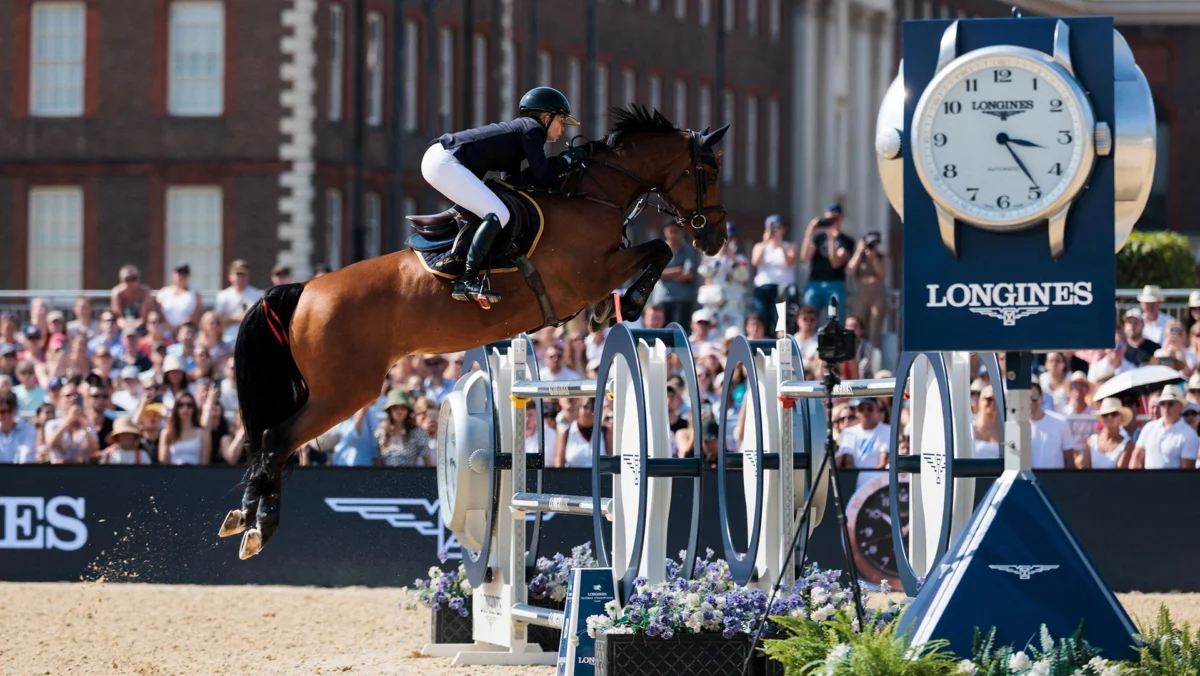
Australian equestrian star Edwina Tops-Alexander is currently sidelined from competition as she undergoes a recovery period following shoulder surgery. The three-time Olympian was scheduled to compete at the prestigious Longines Global Champions Tour (LGCT) event in Cairo, Egypt, this week. However, a recent fall has necessitated her withdrawal and subsequent medical intervention, casting a shadow over her participation in upcoming key events.
Setback for a Seasoned Competitor
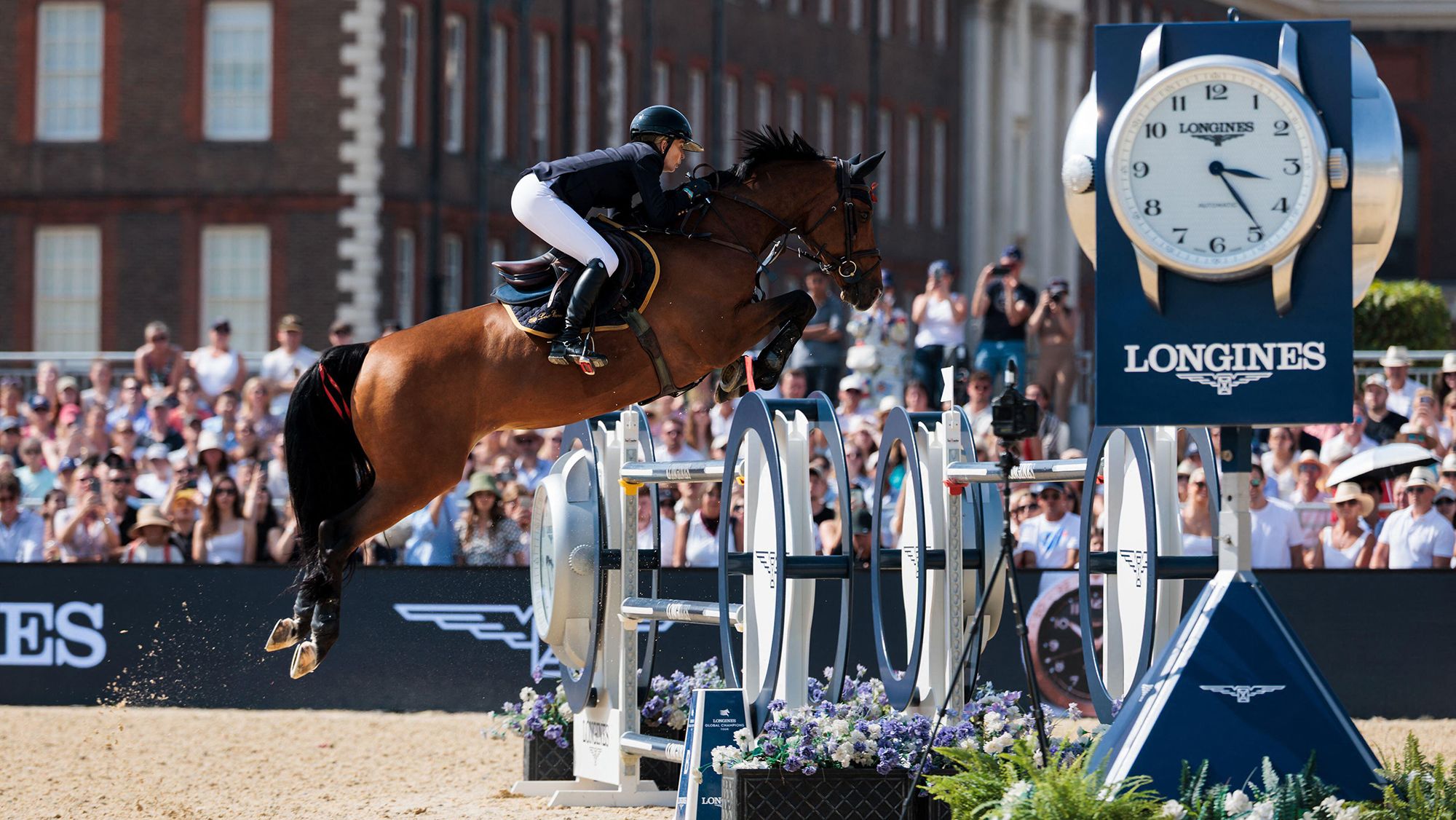
Tops-Alexander, a formidable presence in the showjumping world, has been a consistent performer on the international circuit for many years. Her presence at the LGCT Cairo event was highly anticipated, as the tour represents a pinnacle of showjumping competition, attracting the sport’s elite athletes and their top equine partners. The injury, sustained in a fall, has forced her to step back from the demanding schedule of the LGCT, a series known for its high stakes and competitive intensity.
The Longines Global Champions Tour is a premier annual showjumping competition comprising a series of elite events held across the globe. Founded in 2006 by Jan Tops, the tour has grown exponentially, becoming a major platform for the sport’s top riders and horses. It culminates in a prestigious Grand Prix and a GCT Super Grand Prix, offering substantial prize money and ranking points. The 2024 season, which includes the now-missed Cairo leg, features a diverse calendar of events held in iconic locations, from metropolitan cities to historic venues, drawing significant international attention. Each event typically includes a Grand Prix, a Speed Class, and other supporting competitions, providing a comprehensive showcase of equestrian prowess.
The Chronology of the Injury and Withdrawal
While specific details regarding the exact date and circumstances of the fall have not been widely publicized, it is understood that the injury occurred prior to her scheduled participation in Cairo. Tops-Alexander’s team confirmed her withdrawal from the Egyptian leg of the tour, citing the need for immediate surgical intervention and subsequent rehabilitation. This decision, though undoubtedly difficult, prioritizes her long-term health and competitive future.
Shoulder injuries in equestrian athletes are not uncommon, given the demanding nature of the sport. The repetitive strain, the forces involved in controlling a powerful animal, and the risk of falls all contribute to potential musculoskeletal issues. For a rider like Tops-Alexander, who relies heavily on strength, precision, and endurance, a shoulder injury can significantly impact her ability to perform at the highest level. The recovery process for such injuries can vary widely, often involving physiotherapy, targeted exercises, and a gradual return to riding.
Impact on the LGCT Cairo Event and Season
The absence of Edwina Tops-Alexander is a notable one for the LGCT Cairo event. Her experience and competitive spirit are always a significant draw for spectators and a challenge for her rivals. Her withdrawal means one less top contender vying for crucial LGCT ranking points, which are vital for qualification for the season-ending Global Champions Trophy.
The LGCT season is a marathon, not a sprint, and a rider’s ability to maintain consistency throughout the year is key to overall success. Tops-Alexander’s current situation highlights the unpredictable nature of professional sport and the inherent risks involved. Her focus will now shift from the immediate competitive pressures of the LGCT circuit to a dedicated rehabilitation program.
Broader Implications for Tops-Alexander’s Career
As a three-time Olympian (2008, 2012, and 2016), Tops-Alexander has a distinguished international career. Her performances at the Olympic Games, World Equestrian Games, and numerous World Cup Finals have cemented her reputation as one of Australia’s most successful equestrian athletes. This current setback, while significant, is unlikely to derail her ambition to compete at the highest level in the future, provided her recovery is managed effectively.
The timing of the surgery is also a critical factor. Depending on the severity of the injury and the success of the surgery, her return to competition could range from several weeks to several months. This will have a direct bearing on her participation in other major events later in the year, including potential preparations for future championship events. The support of her training team, veterinarians, and medical professionals will be paramount in ensuring a safe and efficient return to the saddle.
The Long Road to Recovery
The process of recovery from shoulder surgery typically involves several phases. Initially, the focus is on pain management and allowing the surgical site to heal. This is often followed by a period of gentle mobilization to regain range of motion, gradually progressing to strengthening exercises to rebuild muscle mass and stability. For an equestrian athlete, the rehabilitation must also include specific exercises to prepare for the unique demands of riding, such as maintaining posture, controlling the reins, and absorbing the impact of the horse’s movement.
Physiotherapists specializing in sports injuries play a crucial role in designing and overseeing these tailored programs. They work closely with the athlete to ensure that the progression is appropriate and that any potential risks of re-injury are minimized. The psychological aspect of recovery is also important, as athletes often face frustration and anxiety during periods of inactivity. Maintaining a positive mindset and staying connected with their sport can be vital for a successful return.
Supporting Data and Context
While specific statistics on Tops-Alexander’s current ranking or performance metrics are not provided in the initial information, her consistent presence at top-tier events like the LGCT signifies her standing within the sport. The Longines Global Champions Tour itself is a multi-million dollar series, reflecting the significant financial investment and commercial appeal of professional showjumping. Riders earn prize money at each event, which contributes to their overall income and the funding of their operations. Ranking points are also awarded, influencing eligibility for the GCT Super Grand Prix and other prestigious competitions.
The global equestrian industry is a substantial economic sector, with showjumping being one of its most prominent disciplines. Events like the LGCT not only provide a platform for athletes but also contribute to local economies through tourism and associated businesses. The welfare of the horses is also a paramount concern within the sport, and all major tours have stringent regulations in place to ensure the health and well-being of the equine athletes.
Official Statements and Reactions
While no direct quotes from Tops-Alexander or her team regarding the specific fall or surgery are available in the provided text, the withdrawal itself is a clear indication of the seriousness of the situation. Typically, in such circumstances, athletes or their representatives issue brief statements confirming the withdrawal and expressing their disappointment but also their commitment to recovery. The broader equestrian community often rallies around athletes facing injuries, offering support and well wishes.
Analysis of Broader Impact
Edwina Tops-Alexander’s injury serves as a stark reminder of the physical demands and inherent risks associated with professional showjumping. While the sport is celebrated for its elegance and athleticism, the potential for injury is a constant factor for competitors. The rehabilitation period, while crucial for recovery, also presents a challenge to an athlete’s competitive momentum and financial stability.
The LGCT, as a premier series, is designed to showcase the best of the sport. The absence of a rider of Tops-Alexander’s caliber undoubtedly impacts the competitive landscape of the Cairo event and potentially subsequent legs of the tour. However, the sport is resilient, and other talented riders will undoubtedly step up to fill the void. The focus for Tops-Alexander and her team will be on a meticulous and patient return, ensuring that when she does compete again, she is at her best. The equestrian world will be watching and hoping for her swift and complete recovery.







