

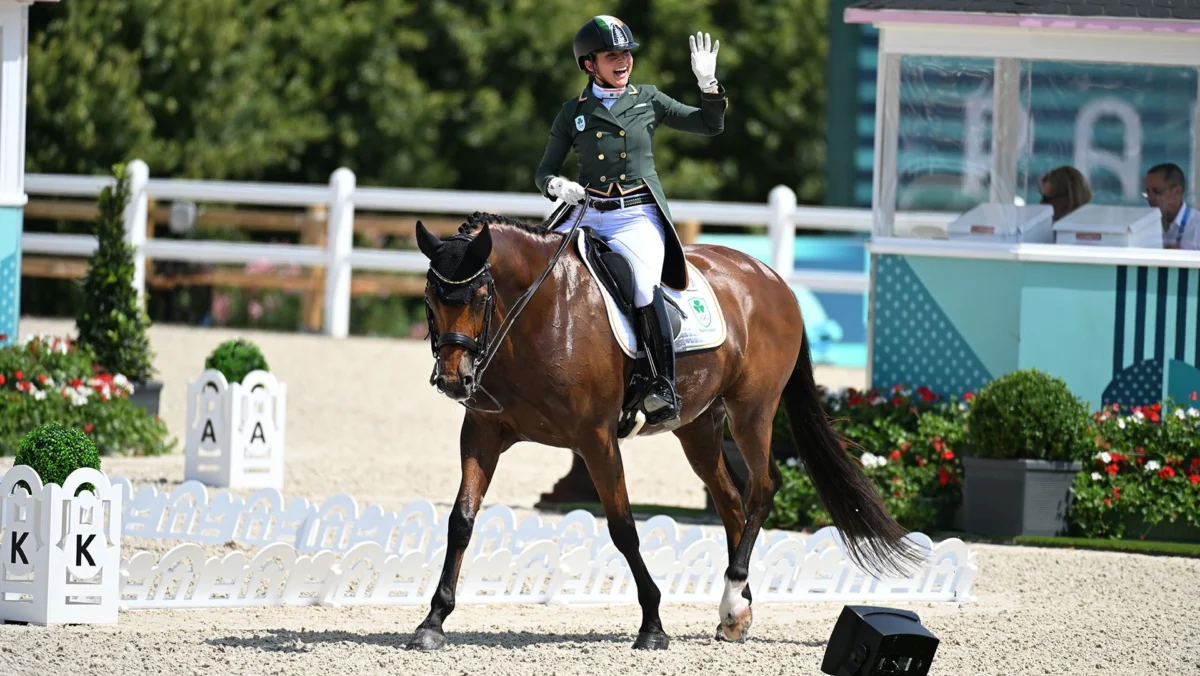
Olympic dressage rider Abi Lyle made a remarkable transition from the disciplined elegance of the dressage arena to the thrilling challenge of cross-country, securing a commendable second-place finish on her British Eventing debut. The accomplished equestrian, known for her prowess in the dressage discipline, showcased her versatility and skill by competing in the GoBE80 at Little Gatcombe on September 19th. Riding Nice Try II, an eight-year-old gelding owned by Becca McCreath, Lyle demonstrated an impressive aptitude for eventing, a discipline that combines dressage, cross-country, and show jumping.
Lyle’s foray into eventing is a notable departure from her established career in dressage, where she has represented Great Britain at the highest level, including participation in the prestigious Paris 2024 Olympics. Her decision to compete in a different equestrian discipline at a national level highlights a growing trend among elite riders to broaden their skill sets and explore new competitive avenues. The GoBE80 event at Little Gatcombe provided a suitable platform for Lyle to test her abilities in a less demanding, introductory level of eventing, allowing for a gradual immersion into the sport.
The young gelding, Nice Try II, affectionately known as Obi, proved to be a capable partner for Lyle. His eight years suggest a developing horse, one that is likely to have gained foundational experience in the sport. The GoBE80 level is designed for horses and riders new to the sport, focusing on building confidence and competence across all three phases of eventing. This level typically involves lower fence heights and simpler course designs, making it an ideal starting point for experienced riders seeking to transition or for younger horses gaining experience.
Background: The Rise of Versatile Equine Athletes
The world of equestrian sport increasingly celebrates versatility. While specialization in disciplines like dressage, show jumping, and eventing is common, many top athletes possess the foundational skills to excel across multiple disciplines. Eventing, often described as the "ultimate test of equestrian partnership," demands a unique blend of athleticism, bravery, and communication between horse and rider. Dressage riders, in particular, benefit from the precision and control developed in their primary discipline, which can translate into improved performance in the dressage and show jumping phases of eventing. However, the cross-country phase presents a distinct set of challenges, requiring boldness, stamina, and the ability to navigate a variety of obstacles at speed.
Abi Lyle’s background in dressage provides her with a significant advantage in the controlled and technical aspects of eventing. Her experience at the Olympic level signifies a mastery of precise movements, harmonious partnerships, and a deep understanding of equine physiology and psychology. This expertise is invaluable when preparing a horse for the demanding physical and mental requirements of eventing. The transition, however, requires a different mindset, emphasizing courage, adaptability, and a willingness to embrace the inherent risks of cross-country riding.
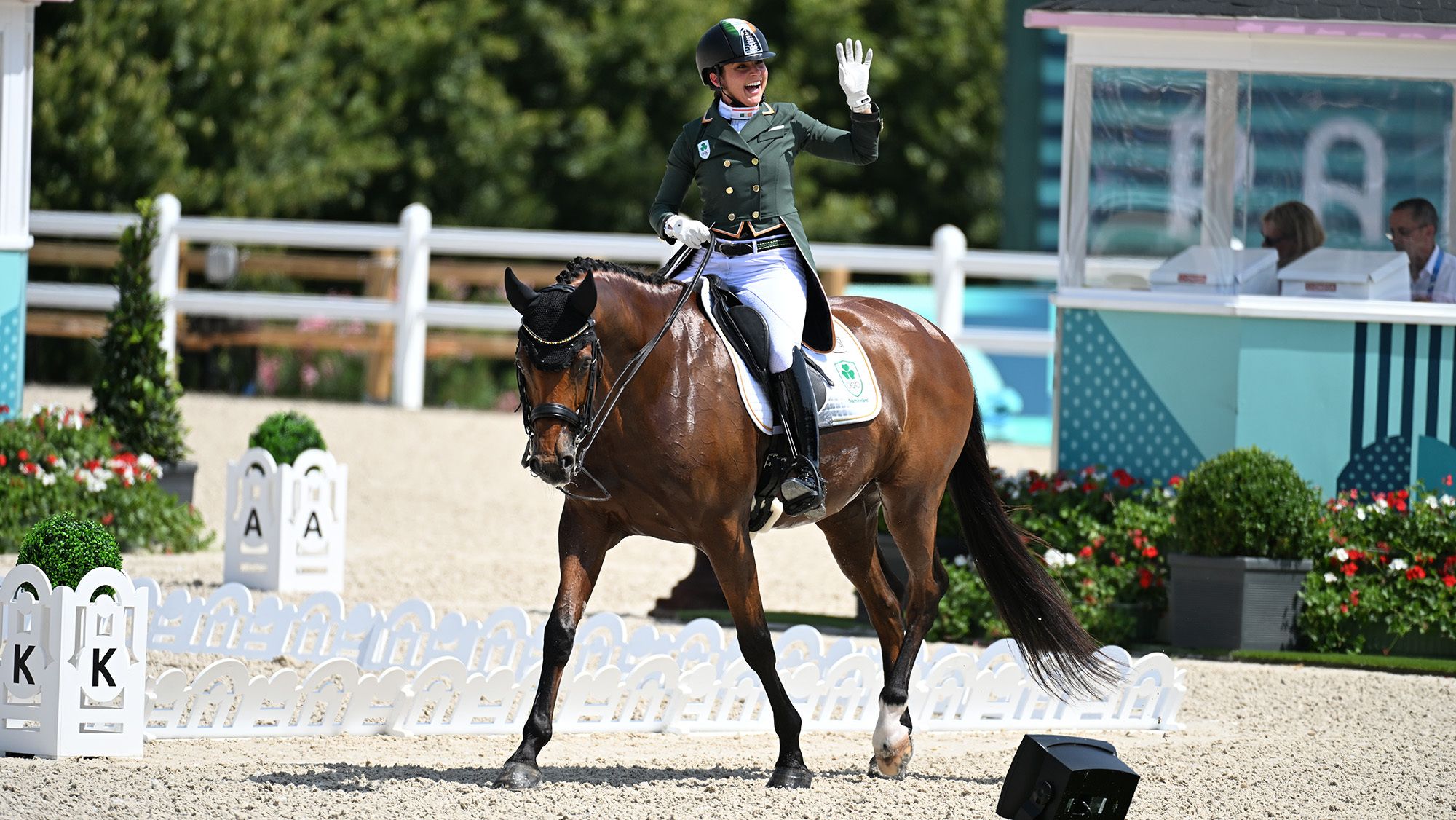
The GoBE80 Event: A Gateway to Eventing
The GoBE80, part of the British Eventing program, is specifically designed to introduce riders and horses to the sport of eventing. The "80" in the name refers to the approximate height of the cross-country fences, which are typically around 0.80 meters (approximately 2 feet 7 inches). This level is crucial for fostering new talent and providing a structured pathway for progression. Competitors at this level are judged on their performance across three phases:
- Dressage: A test of the horse’s obedience, suppleness, and athleticism, performed from memory in a 20m x 40m arena.
- Cross-Country: A timed test over a course of natural obstacles, designed to challenge the horse’s bravery, stamina, and jumping ability.
- Show Jumping: A course of knockable fences, testing the horse’s agility, carefulness, and the rider’s control.
The objective at this introductory level is to complete all phases without incurring excessive penalties, with the lowest overall score winning. For Abi Lyle, this debut was not just about achieving a high placing but also about gaining invaluable experience and assessing her and Obi’s capabilities in this new discipline.
Performance Analysis: A Seamless Transition
Lyle’s second-place finish on her British Eventing debut is a testament to her exceptional riding talent and the solid partnership she has developed with Nice Try II. While specific details of her scores in each phase were not provided in the initial report, her high placing suggests a strong performance across all three disciplines.
- Dressage Phase: Given Lyle’s background, it is highly probable that she delivered a precise and harmonious dressage test, laying a strong foundation for her overall score. Dressage scores are converted into penalty points, with lower scores being more desirable. A well-executed test from a rider of Lyle’s caliber would have placed her competitively from the outset.
- Cross-Country Phase: This phase is often the most decisive in eventing. For Lyle to achieve a runner-up position, she and Obi must have navigated the cross-country course efficiently and without significant errors, such as refusals or jumping faults. The "GoBE80" level typically features fixed obstacles like logs, ditches, and banks, designed to be inviting but still require boldness and accuracy from the horse. Her ability to maintain a good pace and jump cleanly would have been crucial.
- Show Jumping Phase: The show jumping phase often tests the horse’s remaining energy and the rider’s ability to maintain control after the exertions of the cross-country. A clear round, or a round with minimal faults, would have been essential for securing a high placing. The relatively lower height of the fences at the GoBE80 level would have been manageable for a horse like Obi, particularly with Lyle’s precise riding.
The fact that Lyle was competing on an eight-year-old gelding also adds another layer of achievement. While experienced, Obi is still a relatively young horse in the grand scheme of elite equestrian sport. This suggests that Lyle has a keen eye for talent and a patient approach to developing a horse’s potential across disciplines.
Inferred Reactions and Broader Implications
While no direct quotes were provided, one can infer a sense of excitement and satisfaction from Abi Lyle regarding her successful eventing debut. For a rider accustomed to the focused intensity of Olympic dressage, this foray into eventing likely offered a refreshing and exhilarating challenge. The positive outcome would undoubtedly encourage her to explore further opportunities in the discipline.
Becca McCreath, as the owner of Nice Try II, would also likely be delighted with the horse’s performance. The success of Obi at this level demonstrates his potential and adaptability, reflecting well on his training and development. This achievement could pave the way for future competitions for Obi at higher levels of eventing, potentially with Lyle or another rider.

The broader implications of Lyle’s success extend to the equestrian community. Her performance serves as an inspiration to other riders, particularly those who may be considering diversifying their equestrian pursuits. It underscores the idea that skill and dedication can transcend disciplinary boundaries. Furthermore, it highlights the robustness of the British Eventing program, which provides accessible entry points for riders of all levels and backgrounds.
The trend of elite athletes participating in multiple disciplines can also enrich the sport as a whole, fostering cross-pollination of training techniques and competitive strategies. It can also lead to greater appreciation for the diverse demands and skills required in each equestrian discipline.
Looking Ahead: Future Prospects for Abi Lyle and Nice Try II
Abi Lyle’s impressive second-place finish in her British Eventing debut at the GoBE80 level marks a significant milestone. Her performance suggests a natural talent for eventing, which, combined with her extensive experience in dressage, could see her excel in this discipline. The partnership with Nice Try II appears to be a strong one, and their future together in eventing will be keenly watched by the equestrian world.
As Lyle continues her dressage career, it is possible that she will incorporate more eventing competitions into her schedule, perhaps at progressively higher levels. This would require a dedicated training regimen focused on the specific demands of cross-country and show jumping, in addition to her ongoing dressage work. The development of Nice Try II will also be a key factor. With continued training and positive experiences, he has the potential to become a formidable eventing partner.
The Paris 2024 Olympics represent a pinnacle of achievement in dressage. Lyle’s successful venture into eventing at a national level, while distinct from her Olympic aspirations, demonstrates her holistic approach to equestrianism and her drive for continuous improvement. It is a testament to her passion and dedication that she is willing to step outside her comfort zone and explore new frontiers within the equestrian sport. Her debut performance not only showcases her personal talent but also contributes to the vibrant and evolving landscape of competitive equestrianism in Great Britain. The equestrian community will undoubtedly be eager to follow her journey as she navigates the exciting challenges and opportunities that lie ahead in both dressage and eventing.







