

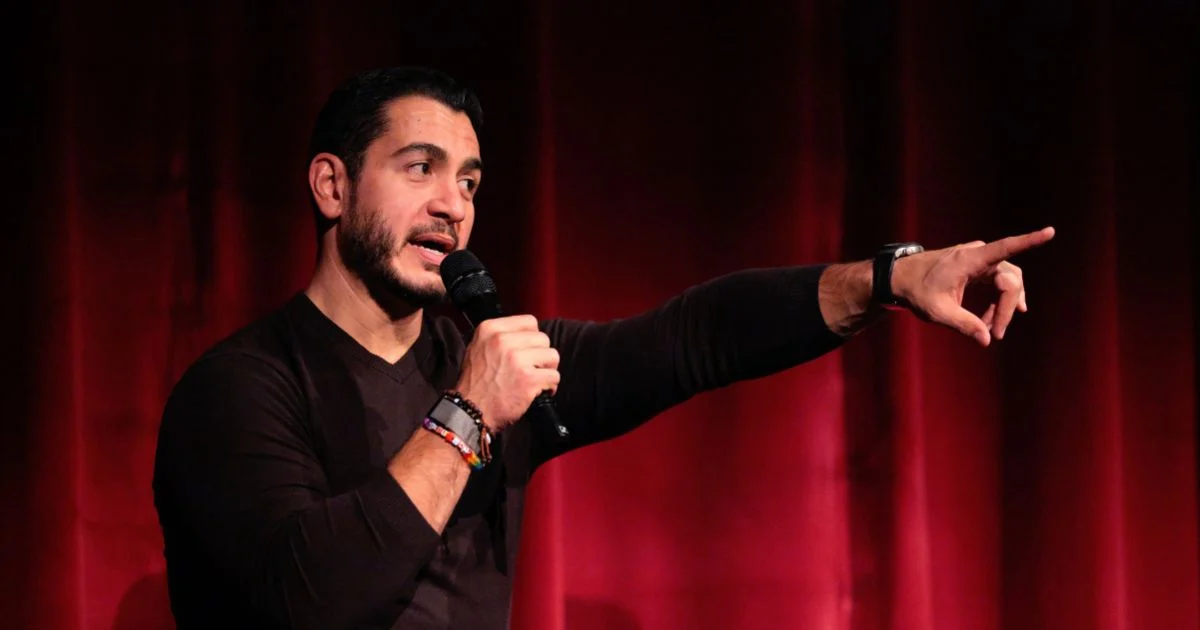
The crucial U.S. Senate race in Michigan culminated in its final debate on Wednesday evening, October 21, 2026, as Democratic candidate Abdul El-Sayed and Republican Mike Rogers engaged in a spirited exchange just weeks before voters head to the polls on November 3. This high-stakes contest has garnered significant national attention, with both parties recognizing Michigan’s pivotal role in determining the balance of power in the Senate. The debate, hosted by WXYZ-TV and subsequently made available on YouTube, offered each candidate a critical opportunity to articulate their vision and draw a stark contrast with their opponent before the election.
The Stakes: Michigan’s Pivotal Senate Race
Michigan has long been considered a bellwether state, reflecting broader national political trends and often playing a decisive role in federal elections. The 2026 Senate election is no exception, drawing substantial investment and strategic focus from both national Democratic and Republican committees. The outcome of this race could significantly impact which party controls the U.S. Senate, influencing legislative agendas and judicial appointments for the coming years. This political landscape sets the stage for a race characterized by intense campaigning and sharp ideological distinctions, particularly on core issues like economic policy, healthcare, and governmental oversight.
Candidate Profiles and Political Trajectories
The two contenders bring distinct backgrounds and political philosophies to the race. Abdul El-Sayed, a physician and epidemiologist, rose to prominence through his progressive activism and a prior bid for Michigan governor. As the former Director of the Detroit Health Department, El-Sayed has championed policies aimed at addressing systemic inequalities and expanding social services. His platform for the Senate race consistently advocates for universal healthcare, often termed "Medicare for All," robust social safety nets, and significant government intervention to address economic disparities. His supporters view him as a fresh voice dedicated to transformative change, while critics often label his proposals as fiscally irresponsible and overly idealistic.
On the Republican side, Mike Rogers brings a wealth of experience from his tenure as a former U.S. Representative, where he chaired the House Intelligence Committee. Known for his background in national security and law enforcement, Rogers has positioned himself as a pragmatic conservative focused on fiscal responsibility, national defense, and limited government. His campaign emphasizes economic growth through tax cuts and deregulation, protecting private healthcare options, and a strong stance on border security. Rogers appeals to voters seeking experienced leadership and a more traditional approach to governance, while detractors sometimes criticize his alignment with established Republican policies.
Debate Dynamics: A Clash Over Policy Specifics
The debate structure, designed to elicit direct comparisons and expose policy differences, saw moderators challenge candidates on a range of issues. A notable segment required each candidate to identify areas where their opponent might be correct. While El-Sayed navigated this question by acknowledging the potential utility of tariffs under specific, non-Trumpian contexts, Rogers strategically pivoted to critique the foundational principles of El-Sayed’s broader policy agenda.

El-Sayed opened this segment by stating his commitment to collaboration: "I’ll work with anyone and everyone when it comes to getting money out of politics, put money in your pocket, and passing Medicare for all." This statement, intended to convey a spirit of bipartisanship and voter-centric priorities, became the immediate target of Rogers’ counter-argument.
Rogers seized on the perceived vagueness of these pledges, arguing that while they sound appealing, they lack the necessary detail and realistic financial implications. He stated, "’Put money in your pocket,’ it’s a great slogan. There’s nothing behind it – matter of fact, when his new democrat socialist-aligned policies are engaged, money in your pocket? You’ll be lucky to have a damn pair of pants when you’re done." This pointed remark aimed to frame El-Sayed’s economic proposals as economically destructive, leading to significant personal financial hardship rather than prosperity.
He further elaborated on the healthcare front, stating, "’Medicare for all.’ He doesn’t tell you how much taxes you have to get charged, and you lose your private health insurance. These aren’t real solutions. These are solutions that are going to make your life more miserable and that’s going to take away your choices in healthcare." Rogers’ critique underscored a central Republican argument against universal healthcare models: the perceived trade-off between universal coverage and individual choice, coupled with the inevitable increase in the tax burden on citizens.
Deconstructing "Medicare for All"
The "Medicare for All" proposal, a cornerstone of El-Sayed’s platform and a key progressive policy, envisions a single-payer healthcare system where the government covers all healthcare costs for its citizens, effectively eliminating private health insurance. Proponents argue that such a system would ensure universal access to healthcare, reduce administrative waste, and potentially lower overall costs through government negotiation for prescription drugs and services. They often cite the models in other developed nations as evidence of its feasibility and success. Estimates from various non-partisan organizations, such as the Congressional Budget Office (CBO) or the Urban Institute (for similar past proposals), have projected the cost of transitioning to a national single-payer system to be in the range of $30 trillion to $40 trillion over a decade, though these figures vary widely depending on the specific design and financing mechanisms. Advocates contend that these costs would be offset by eliminating premiums, deductibles, and co-pays currently paid by individuals and businesses, as well as by substantial savings from reduced administrative overhead and bulk purchasing.
However, critics like Rogers argue that the immense cost would necessitate massive tax increases on individuals and corporations, potentially stifling economic growth. They also highlight the potential disruption to the existing healthcare system, the loss of private insurance options preferred by many Americans, and concerns about government bureaucracy managing such a vast and complex system. The debate over "Medicare for All" thus boils down to fundamental disagreements over the role of government in healthcare, individual autonomy, and economic priorities.
The Promise of "Money in Your Pocket" and Economic Implications
El-Sayed’s promise to "put money in your pocket" is often linked to a broader set of progressive economic policies. These could include initiatives such as raising the minimum wage to a living wage, expanding access to affordable childcare, providing universal pre-kindergarten, implementing wealth taxes, or even exploring forms of universal basic income (UBI). The intent behind such policies is to alleviate financial strain on working families, reduce income inequality, and stimulate local economies by increasing consumer purchasing power.
Rogers’ counter-argument focuses on the potential negative consequences of these proposals. He suggests that such policies, often requiring significant government spending, would lead to increased inflation, higher taxes on businesses and individuals, and potentially disincentivize work or investment. His reference to citizens being "lucky to have a damn pair of pants" underscores the Republican concern that expansive government programs could lead to economic stagnation and a reduction in overall prosperity, rather than an increase. From a conservative economic perspective, fostering wealth creation through lower taxes, deregulation, and a robust private sector is seen as the most effective way to ensure individuals have "money in their pocket" through employment and investment opportunities.
The Nuance of Tariffs
While less central to Rogers’ direct attack, El-Sayed’s attempt to distinguish his stance on tariffs from former President Trump’s policies is noteworthy. Tariffs, essentially taxes on imported goods, are a tool of trade policy. Trump’s administration broadly applied tariffs, particularly on goods from China, with the stated aim of protecting American industries and jobs. El-Sayed’s nuanced position suggests he might not categorically oppose tariffs but would likely advocate for their strategic use, perhaps as a tool for environmental protection, labor standards enforcement, or targeted industrial policy, rather than broad-based protectionism. This indicates a recognition within some progressive circles that certain trade protections might be necessary, albeit under different guiding principles than those of the previous administration. Rogers, consistent with a more free-market conservative approach, would likely express skepticism about tariffs, viewing them as impediments to free trade that can raise consumer costs and harm international economic relations.
Post-Debate Reactions and Campaign Momentum
Immediately following the debate, both campaigns moved swiftly to frame the narrative. Mike Rogers’ campaign amplified his critique, sharing clips of his remarks on social media, including the viral tweet: "Forget ‘money in your pocket’ – if Abdul gets his way, you’d be lucky to own a damn pair of pants." This social media push aimed to reinforce his message of fiscal responsibility and to paint El-Sayed’s policies as radical and economically unsound. Campaign spokespersons for Rogers reiterated his commitment to protecting individual choice in healthcare and fostering a robust private sector economy.
Abdul El-Sayed’s campaign, in turn, likely emphasized his unwavering commitment to expanding healthcare access and addressing economic inequality. Post-debate statements from his team would have focused on the urgency of systemic change and the moral imperative of ensuring every Michigander has access to essential services and economic opportunity, framing Rogers’ arguments as defending the status quo that has failed many. They would have highlighted the broad support for "Medicare for All" among progressive voters and the need for bold solutions to complex problems.
Political analysts offered varied assessments of the debate’s impact. Some suggested that Rogers’ direct and memorable critiques might resonate with undecided voters concerned about the economic implications of progressive policies. Others argued that El-Sayed’s consistent articulation of his progressive vision could energize his base and appeal to voters seeking significant reforms. The debate’s immediate effect on polling data will be closely watched in the days leading up to the election.
Broader Implications for the Election and Beyond
The Michigan Senate debate offers a microcosm of the larger national political discourse. The sharp division between El-Sayed’s progressive vision and Rogers’ conservative platform mirrors the ideological fault lines within American politics today. The arguments presented—universal healthcare versus private choice, expansive government spending versus fiscal restraint, and economic intervention versus free-market principles—are central to the ongoing national debate about the future direction of the country.
For Michigan voters, the debate provided a final, direct comparison of two candidates with fundamentally different approaches to governance and policy. Their decision on November 3 will not only determine who represents Michigan in the U.S. Senate but will also contribute to the broader national political landscape, influencing the legislative agenda and the balance of power in Washington. The intensity of this final debate underscores the critical nature of this election, with each candidate fighting to leave a lasting impression on a discerning electorate. The stakes for healthcare, economic stability, and the overall trajectory of Michigan and the nation could not be higher.








