

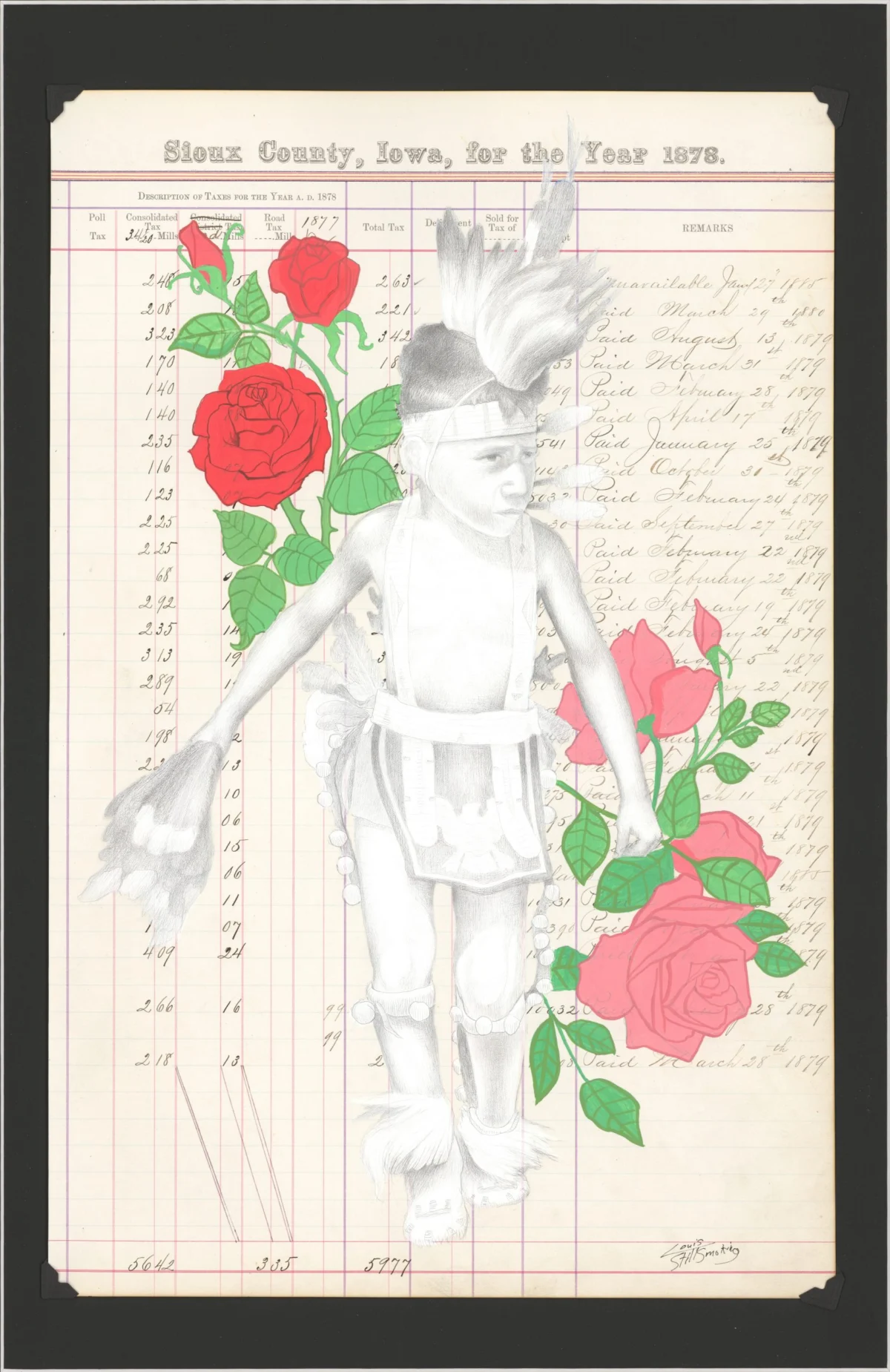
Louis Still Smoking, a distinguished Blackfoot artist hailing from Browning, Montana, has firmly established his Indigenous identity as the unwavering core of his extensive multidisciplinary artistic practice. "I’m a Blackfoot artist who works in multidisciplinary art forms," Still Smoking states, articulating a mission that permeates every stroke, print, and line he creates. "All of the work I produce is of my Blackfoot identity and my culture and language." His journey is a powerful testament to the enduring strength of cultural heritage and the transformative power of art as a vehicle for storytelling, preservation, and contemporary expression.
A Return to Roots: The Blackfeet Nation

The life of this celebrated Indigenous artist has indeed come full circle, culminating in a deeply fulfilling return to Browning, Montana. Nestled within the vast expanse of the Blackfeet Indian Reservation, a sovereign territory rich in history and culture, Browning sits majestically east of Glacier National Park. This geographic and spiritual homecoming holds profound significance for Still Smoking, who, as a printmaker, painter, and silver-point artist, expresses immense joy at being back among his people. "Just being around my people and the culture and being able to go to ceremonies and things and seeing all of the growth in the community is great," he reflects with palpable enthusiasm. "It’s fun! I love it!" This sentiment underscores the vital connection between an artist’s environment and their creative output, particularly for Indigenous artists whose work is often deeply rooted in ancestral lands and community life. The Blackfeet Nation, or Aamsskáápipikani, is one of four tribes that comprise the Blackfoot Confederacy, with a rich history of oral traditions, spiritual practices, and a deep reverence for the land. For artists like Still Smoking, returning to this wellspring of identity is not merely a personal preference but a crucial act of cultural affirmation and artistic renewal.
Art as Identity: Multidisciplinary Expressions and Commercial Success
At 47, Still Smoking is navigating a profoundly prosperous season in his career, supported by his high school sweetheart and wife, Regina, who adeptly manages the business aspects of his art. As a father of four grown sons, his life balances family responsibilities with artistic dedication. His distinctive silver-point portraits, often depicting majestic buffalo, graceful elk, and other iconic Western subjects, consistently sell out upon creation, reflecting both their artistic merit and the profound resonance they strike with collectors. Similarly, his ledger art paintings, a poignant and historically significant art form, are also highly sought after. Ledger art originated among Plains Indigenous peoples in the 19th century, evolving from hide paintings to drawings on paper, often found in ledgers or account books acquired from traders. This shift was a direct response to the decimation of buffalo herds and the forced relocation onto reservations, making paper more accessible than hides. Still Smoking’s contemporary ledger art thus carries a powerful historical echo, revitalizing a tradition that speaks to resilience and adaptation.

A significant highlight of his recent success was his participation last summer in "Inspired by Yellowstone," a prestigious residency-type opportunity. Here, Still Smoking was invited to showcase and sell his work at the iconic Old Faithful Inn within Yellowstone National Park. This platform offered not only commercial exposure but also a unique chance to share his tribal heritage with a diverse audience of visitors, many of whom were eager to listen, learn, and connect. "When I show my work, I always try to speak to the viewer and explain the meaning of the painting and why I created it," Still Smoking explains, emphasizing the educational component of his practice. "It comes from a place of authenticity, and I think people appreciate that — that the indigenous experience is still alive and it has a place and perspective." This engagement with the public serves a dual purpose: it educates non-Indigenous audiences about the rich complexities of Native American cultures and affirms the vibrancy and relevance of Indigenous perspectives in the contemporary world. Such residencies and public engagements are increasingly vital for Indigenous artists, providing platforms that bridge cultural divides and foster mutual understanding, moving beyond historical narratives of erasure to celebrate living cultures.
The Genesis of an Artist: Early Influences and Challenges
Achieving this current level of success has been a journey marked by both innate talent and significant challenges. Still Smoking’s artistic inclinations emerged early, rooted in his childhood on the reservation. He recalls first drawing with Blackfeet Indian No. 2 pencils, which held a special significance as they were once manufactured directly on the reservation. "You kind of had some pride using that pencil because it was produced in your hometown," he reminisces, highlighting the early connection between his artistic tools and his community identity. This seemingly small detail speaks volumes about the early influences that shaped his artistic consciousness—a sense of place, pride in local industry, and the simple act of creation.

The name "Still Smoking" itself carries a deep ancestral lineage, tracing back to a warrior ancestor from the early 1800s, imbuing his identity with a historical weight that undoubtedly informs his artistic narratives. From a young age, Louis was recognized as a gifted artist. "Art has always been the focus," he affirms, recalling how by seventh or eighth grade, he was already informally teaching his classmates, a testament to his precocious talent and natural aptitude. However, this early promise was not without its difficulties. "I didn’t really care for the high school here," he admits regarding his local school in Browning. "I just didn’t fit in." This common experience of feeling disconnected in a traditional educational setting often pushes creative individuals to seek alternative paths, and for Still Smoking, this challenge became a pivotal turning point.
Flandreau Indian School: A Turning Point
In search of a more conducive environment, Still Smoking followed in his mother’s footsteps, enrolling at the Flandreau Indian School in South Dakota. Founded in 1893, Flandreau is a federally operated boarding high school, a type of institution with a complex and often painful history within Indigenous communities, designed originally for assimilation. However, for Louis and his mother, who attended in the 1970s, it provided a different experience. While many boarding schools were notorious for suppressing Indigenous cultures, Flandreau, by the time Louis attended, had evolved, offering resources and opportunities not readily available on many reservations. His mother had thrived there, and Louis found a similar environment for growth.

Unlike the resource limitations he faced back home on the reservation, Flandreau offered a wealth of art supplies. "I had a lot of fun in their art rooms," he fondly recalls. "I had access to all of their resources. I’m grateful for that because it allowed me to be expressive. I was allowed to create large airbrush pieces. Sometimes it’d be for theater class or an event. I would just create stuff, and then they would use it." This period was crucial for his development, allowing him to experiment with diverse mediums and techniques, fostering a sense of artistic freedom and practical application that laid the groundwork for his future multidisciplinary approach. The Flandreau experience, for Still Smoking, represented a space where his artistic potential could flourish, away from the constraints he felt previously, providing a valuable foundation for his self-taught mastery.
From Stone Carving to Silver Point: A Self-Taught Mastery
After high school, Still Smoking’s path diverged from immediate art school enrollment. Trips to universities were part of the boarding school experience, and an art instructor even encouraged him to work for Disney, a testament to his talent. However, life had other plans. A desire to serve led him to volunteer for the Marines, but hearing problems unfortunately prevented his enlistment. Soon after, marriage to Regina and the arrival of children shifted his focus to supporting his young family, a common and honorable priority that often shapes career trajectories.

Happily, he discovered a way to leverage his natural talent to provide for his family. Throughout his 20s, Still Smoking worked for a monument company in South Dakota, a profession he hadn’t previously considered. Here, he honed his skills in creating designs and carving intricate stonework. "It’s something I don’t talk about very much, but I guess you could say I was somewhat of a prodigy," he admits modestly, reflecting on his innate ability to quickly master new crafts. "I would see something and I would just teach myself how to do it." This period as a stone carver was formative, developing his precision, understanding of form, and ability to translate vision into tangible art. This self-taught ethos became a hallmark of his artistic development.
It was during this time that Still Smoking encountered silver point, an ancient drawing technique, at a Western art show. Silver point involves drawing with a silver stylus on a specially prepared surface, leaving a delicate, luminous line that tarnishes over time, acquiring a unique warmth. This medium, which predates graphite pencils, was popular during the Renaissance and suited Still Smoking’s inclination for detailed work. "It took me another seven years to actually implement this technique," he reveals, underscoring the dedication required to master such a nuanced art form. He calls his intricate and precise style realistic impressionism, a term that captures the balance between exacting detail and evocative emotional depth. Mastering silver point, he believes, "greatly increased my technical skill." The monument company work, though not fine art in the traditional sense, offered a creative outlet. He recalls a hunting club client who desired images of ducks, dogs, and pheasants in stone, granting him complete artistic freedom. "I had the type of freedom to be expressive and create it in the stonework," Still Smoking says, illustrating how even commercial work could fuel his creative spirit.
The Pursuit of Refinement: Academia and Entrepreneurship

Despite the creative satisfaction and steady income from stonework, Still Smoking harbored a deeper ambition. "It’s not that I got tired of the stonework. But I wanted to excel more in painting and drawing, so that’s why I decided to go to art school," he explains. At the age of 30, a married father of four boys, he enrolled at Montana State University in Bozeman, embarking on a challenging yet determined path. His self-taught abilities meant he didn’t necessarily need to learn the fundamentals of painting and drawing. "I already knew how to do that," he asserts. Instead, he sought refinement. "I think it just more or less refined my work," he states, emphasizing the polish and sophistication he gained. This refinement is so evident in his mature style that many assume he holds an art degree, an assumption he gently corrects: "But I don’t."
His time at university was a period of immense personal sacrifice and unwavering dedication. To support his family while pursuing his artistic education, Louis worked extensively in stone fabrication. "I was working probably 40 to 50 hours and also working weekends plus having a family and going to school full time," he recounts, painting a vivid picture of the relentless demands he faced. This relentless pace, however, eventually became unsustainable. "I couldn’t afford it anymore," he admits, a stark reminder of the financial pressures that often challenge aspiring artists, particularly those with family responsibilities. His story resonates with many who pursue education later in life, demonstrating extraordinary commitment despite formidable obstacles.
Building a Career: Navigating the Art World

The financial constraints forced Still Smoking to leave university before completing his degree. The family then moved to his wife’s hometown of Pierre, South Dakota. During this period, Still Smoking focused intensely on creating art, leveraging the networking and contacts he had cultivated during his time at art school. "I was producing work and using all the networking and contacts from art school, and I was able to get a little traction, but it wasn’t in South Dakota," he notes. The art market in South Dakota, while vibrant in certain niches, did not offer the expansive opportunities he sought.
It was Montana that proved to be the fertile ground for his burgeoning career. The state offered a more robust ecosystem for Native artists, with numerous art festivals, galleries, museum exhibitions, and even invitations to curate Native art shows. "We needed a place so we could do all of these things without having to travel 16 hours," he explains, highlighting the practical necessity of proximity to a thriving art scene. This realization led to the family’s second, and ultimately permanent, return to Browning. The contemporary Indigenous art market is increasingly recognized globally, with Montana, given its rich Indigenous history and significant Native populations, becoming a hub for artists seeking both commercial success and cultural connection. This strategic move allowed Still Smoking to fully immerse himself in the professional art world, transforming his passion into a sustainable career.
Coming Home: A Thriving Family and Community Impact

Today, Louis Still Smoking and his entire family are happily settled in Browning, a testament to the powerful draw of home and community. Everyone, he proudly shares, is thriving. His sons are pursuing diverse and meaningful paths: one has earned an environmental science degree, another is studying architecture, and a third is being personally mentored by Still Smoking as he embarks on his own art career. This intergenerational sharing of knowledge and passion is a beautiful continuation of the Blackfoot tradition of mentorship and cultural transmission. The family’s success underscores the positive impact of Still Smoking’s decision to root his career and family life in his ancestral homeland, contributing to the community’s vitality.
His journey, filled with detours, challenges, and unwavering dedication, has equipped him with invaluable life lessons that he now eagerly shares with those just beginning their own paths. "I’ll do workshops or I’ll talk to kids about art and I always just try to encourage them just to create every day and just be positive," he says. His message is simple yet profound: "The work you put in will pay off later." This philosophy of perseverance and consistent effort is not only a personal credo but also a vital message for young Indigenous individuals, often facing unique socio-economic hurdles. By sharing his story, Still Smoking offers a powerful example of how talent, hard work, and cultural pride can lead to a fulfilling and impactful life.
Mentorship and Legacy: Inspiring the Next Generation

Louis Still Smoking’s commitment extends beyond his canvas; it encompasses a broader dedication to nurturing the next generation of artists and cultural torchbearers. His workshops and talks to young people on the reservation are more than just art lessons; they are sessions in resilience, self-belief, and the power of cultural identity. In a world where Indigenous youth often face systemic disadvantages, the presence of a successful artist like Still Smoking, who openly shares his journey and encourages daily creative practice, is an invaluable source of inspiration. He models how to bridge traditional Blackfoot values with contemporary artistic expressions, demonstrating that one’s heritage can be a wellspring of innovation rather than a constraint.
His art, which vividly portrays the Blackfoot experience, contributes significantly to the cultural revitalization efforts within his community. By putting his Indigenous identity "front and center," he not only creates beautiful and meaningful works but also helps to preserve and promote the Blackfoot language, culture, and stories for future generations. In a broader context, Still Smoking’s work also plays a role in challenging stereotypes and fostering a more nuanced understanding of contemporary Indigenous life among mainstream audiences. His participation in events like "Inspired by Yellowstone" serves as a powerful reminder that Indigenous cultures are dynamic, evolving, and deeply relevant.
Louis Still Smoking’s artistic journey embodies a powerful narrative of resilience, cultural pride, and unwavering dedication. From drawing with local Blackfeet pencils to mastering ancient silver point techniques and creating evocative ledger art, his multidisciplinary approach is deeply infused with his identity as a Blackfoot man. His decision to return to Browning, Montana, has not only enriched his personal life but has also allowed him to contribute significantly to his community, both through his art and his mentorship. Represented by Radius Gallery in Missoula, Montana (radiusgallery.com), Louis Still Smoking stands as a beacon of artistic excellence and cultural affirmation, demonstrating how deeply rooted identity can blossom into universal appeal. His work is not just art; it is a living dialogue between past and present, tradition and innovation, all anchored by the powerful truth of his Blackfoot heritage.









