

The health and well-being of a horse are paramount to its owner, and a critical component of responsible equine stewardship is knowing precisely when a situation warrants immediate veterinary attention. While some indicators of distress are overtly alarming, such as a horse exhibiting non-weight bearing lameness or showing classic signs of strangles—a highly contagious bacterial infection—many other scenarios present with more subtle cues that can leave even experienced owners questioning the urgency. This article aims to demystify common equine emergencies, providing a detailed guide to recognizing critical symptoms, understanding the underlying implications, and taking decisive action to ensure the best possible outcome for the animal.
Recognizing the Urgency: Key Equine Emergencies and Their Indicators
Effective management of equine health crises hinges on an owner’s ability to accurately interpret a horse’s symptoms and react swiftly. Delaying veterinary intervention, even by a few hours, can significantly worsen a prognosis, increase suffering, and escalate treatment costs. Below is a detailed breakdown of common emergencies, outlining the signs that necessitate a prompt call to the veterinarian.
Colic: The Abdominal Adversary
Colic, a general term for abdominal pain in horses, is one of the most frequent and potentially life-threatening equine emergencies. It accounts for a significant proportion of veterinary emergency calls and can range from mild gas pain to severe intestinal torsion requiring immediate surgery.
- Symptoms: Signs of colic vary in intensity but commonly include restlessness, pawing at the ground, looking back at the flank, repeatedly lying down and getting up, rolling, decreased or absent appetite, reduced manure production, straining to defecate, sweating, and an elevated heart rate. Severe cases may present with violent rolling, profound depression, and shock.
- When to Call: Any sign of colic should prompt a call to the vet. While some mild cases may resolve with watchful waiting and minimal intervention, it is impossible for an owner to determine the severity or underlying cause without professional assessment. Prompt diagnosis is crucial, as conditions like large colon displacement or volvulus (twisting of the intestine) can rapidly progress to irreversible damage and death if not corrected surgically within a few hours. According to studies published in the Journal of Equine Veterinary Science, early intervention significantly improves the survival rate for surgical colic cases.
- Supporting Data: Colic is responsible for approximately 10% of horse deaths annually, with prevalence rates estimated between 4% and 10% per year in the general equine population. Research indicates that approximately 1-2% of colic cases require surgical intervention, highlighting the importance of early detection and referral.
Lameness and Acute Injury: The Mobility Crisis
Lameness, defined as any abnormality in a horse’s gait or stance, is a common complaint. While chronic, low-grade lameness may warrant a routine veterinary appointment, acute onset lameness or severe injuries demand immediate attention.
- Symptoms: Acute lameness can manifest as non-weight bearing on a limb, severe swelling, heat, pain upon palpation, an obvious wound or laceration, reluctance to move, or an abnormal limb carriage. Suspected fractures or luxations (dislocations) will cause extreme pain and inability to bear weight.
- When to Call: Immediate veterinary consultation is required for any non-weight bearing lameness, severe lacerations (especially those near joints, tendons, or involving significant blood loss), suspected fractures, eye injuries, or any sudden, severe lameness accompanied by heat and swelling. Even seemingly minor puncture wounds, particularly in the hoof, can lead to serious infections like tetanus or septic arthritis if not treated promptly.
- Supporting Data: The economic impact of lameness on the equine industry is substantial, with studies indicating it is the leading cause of lost training days and early retirement for performance horses. Timely treatment of acute injuries can prevent chronic issues and preserve a horse’s athletic career.
Respiratory Distress: The Breathing Emergency
Issues affecting a horse’s respiratory system can quickly become life-threatening, as oxygen is vital for all bodily functions.
- Symptoms: Signs of respiratory distress include labored breathing (flaring nostrils, exaggerated abdominal effort, heave line), rapid breathing (tachypnea), nasal discharge (especially if thick, discolored, or bloody), persistent coughing, fever, wheezing, and a blueish tint to mucous membranes (cyanosis), indicating severe oxygen deprivation. Choking, where feed material obstructs the esophagus, can also cause acute distress and coughing.
- When to Call: Immediate veterinary attention is crucial for severe difficulty breathing, persistent coughing accompanied by fever or lethargy, choking (especially if the horse is actively trying to dislodge the obstruction), or any sudden onset of respiratory symptoms. Conditions like pneumonia, equine influenza, or severe allergic reactions can compromise breathing rapidly.
- Supporting Data: Respiratory diseases are common in horses, particularly those housed in poorly ventilated environments. Early diagnosis of conditions like pleuropneumonia or equine asthma (heaves) can prevent irreversible lung damage and improve long-term respiratory health.
Neurological Compromise: The Brain and Nerve Crisis
Neurological symptoms can be indicative of a wide range of serious conditions, from infectious diseases to traumatic brain injuries.
- Symptoms: Neurological signs can include ataxia (incoordination, stumbling, wobbling), head pressing, circling, seizures, sudden blindness, profound behavioral changes (e.g., aggression, depression, altered consciousness), facial paralysis, or muscle tremors.
- When to Call: Any acute onset of neurological symptoms warrants an immediate veterinary emergency call. Conditions such as Equine Herpesvirus Myeloencephalopathy (EHV-1), Equine Protozoal Myeloencephalitis (EPM), West Nile Virus, or traumatic brain injury can lead to rapid deterioration and potentially irreversible damage or even death.
- Supporting Data: Neurological diseases can be devastating, often requiring extensive diagnostic work-up and prolonged, intensive care. The Centers for Disease Control and Prevention (CDC) monitors equine neurological diseases like West Nile Virus and Eastern Equine Encephalitis due to their zoonotic potential and impact on equine populations.
Eye Injuries and Conditions: The Vision Threat
A horse’s eyes are delicate and susceptible to injury or infection, which can quickly lead to permanent vision loss if not addressed promptly.
- Symptoms: Signs of an eye issue include swelling of the eyelids, excessive tearing, discharge (watery, mucous, or pus), squinting, cloudiness or discoloration of the cornea (the clear outer layer), visible foreign objects, sensitivity to light (photophobia), or visible trauma to the eye or surrounding structures.
- When to Call: Any suspected eye injury or sudden change in the appearance or function of the eye should be considered an emergency. Corneal ulcers, for example, can rapidly deepen and perforate, leading to irreversible damage or loss of the eye within hours if not treated aggressively.
- Supporting Data: Eye injuries are common in horses due to their inquisitive nature and environment. A 2018 study in Veterinary Ophthalmology highlighted the prevalence of corneal ulcers and the critical role of timely veterinary intervention in preserving equine vision.
Acute Allergic Reactions and Anaphylaxis: The Systemic Shock
Like humans, horses can experience severe allergic reactions, known as anaphylaxis, which can be life-threatening.
- Symptoms: Mild reactions may present as localized hives (urticaria) or swelling. Severe reactions can include generalized hives, widespread edema (swelling, particularly of the face, muzzle, and limbs), difficulty breathing (due to swelling of the airways), colic signs, diarrhea, weakness, collapse, and shock. These reactions are often triggered by insect bites, vaccinations, or certain medications.
- When to Call: While mild hives may be monitored, any signs of difficulty breathing, widespread swelling, or systemic distress (colic, weakness, collapse) require immediate veterinary intervention. Anaphylaxis is a true emergency that can lead to rapid circulatory collapse and death.
- Supporting Data: While precise statistics on equine anaphylaxis are limited, it is a recognized risk associated with various environmental and iatrogenic exposures. Veterinarians often administer antihistamines, corticosteroids, and epinephrine in severe cases to stabilize the horse.
Fever of Unknown Origin (FUO): The Silent Threat
An elevated body temperature in a horse (normal range: 99.5-101.5°F or 37.5-38.6°C) often signals an underlying infection or inflammatory process.
- Symptoms: A fever above 102°F (38.9°C) accompanied by lethargy, decreased appetite, nasal discharge, coughing, or generalized malaise is a cause for concern. A persistent high fever, even without other overt symptoms, warrants investigation.
- When to Call: A veterinary call is recommended for fevers exceeding 102°F, especially if persistent, or if accompanied by other signs of illness. While a horse might occasionally spike a fever due to stress or minor viral exposure, a sustained or high fever often indicates a significant infectious process requiring diagnosis and treatment to prevent complications.
- Supporting Data: Numerous viral and bacterial pathogens can cause fever in horses, including Equine Influenza, Equine Herpesvirus, and various bacterial infections. Early identification of the cause can prevent widespread disease in a barn and guide appropriate treatment.
Foaling and Reproductive Emergencies: The Perilous Birth
Mares in labor can experience a range of complications that demand immediate and expert veterinary assistance.
- Symptoms: Signs of a foaling emergency include prolonged labor (more than 30 minutes of active straining without significant progress after the water breaks), malpresentation of the foal (e.g., only one hoof visible, head presenting without hooves, or tail-first presentation), excessive bleeding, or retention of the placenta for more than 3-6 hours after foaling.
- When to Call: Any deviation from the normal foaling process is an emergency. Delayed intervention in a difficult birth (dystocia) can result in the death of the foal, severe injury or death of the mare, and significantly increased veterinary costs. Retained placenta can lead to life-threatening metritis (uterine infection) and laminitis.
- Supporting Data: Dystocia occurs in approximately 4-6% of equine births. Prompt veterinary intervention in these cases is crucial for the survival of both mare and foal, with studies indicating that intervention within 30-60 minutes significantly improves outcomes.
The Crucial Role of Proactive Care and Owner Vigilance
Horses, as prey animals, are inherently programmed to mask signs of weakness or pain, a survival instinct that can complicate early detection of illness or injury. This inherent stoicism underscores why owners must be exceptionally vigilant and attuned to subtle changes in their horse’s behavior, appetite, manure production, and overall demeanor. A strong, established relationship with an equine veterinarian, coupled with a proactive approach to health management, forms the bedrock of effective emergency preparedness.
A Timeline of Action: What to Do When an Emergency Strikes
When faced with a potential equine emergency, a structured approach can save precious time and aid the veterinarian.
- Assess Calmly: While panic is a natural reaction, take a deep breath and observe your horse systematically. Note the specific symptoms, their onset, severity, and any changes.
- Gather Vital Signs: If safe to do so, take your horse’s temperature, pulse (heart rate), and respiration rate. Note the color of their mucous membranes (gums) and their capillary refill time. This information is invaluable to the veterinarian.
- Collect History: Be prepared to provide the vet with your horse’s medical history, recent vaccinations, deworming schedule, current medications, and any recent changes in diet, routine, or environment.
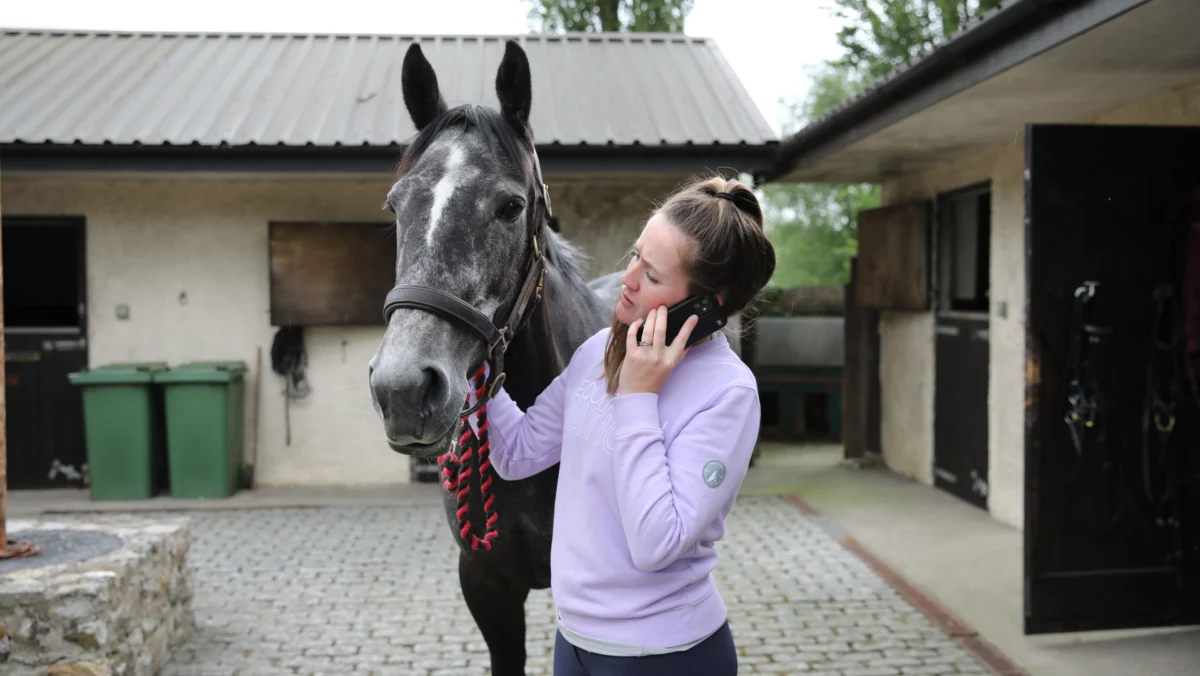
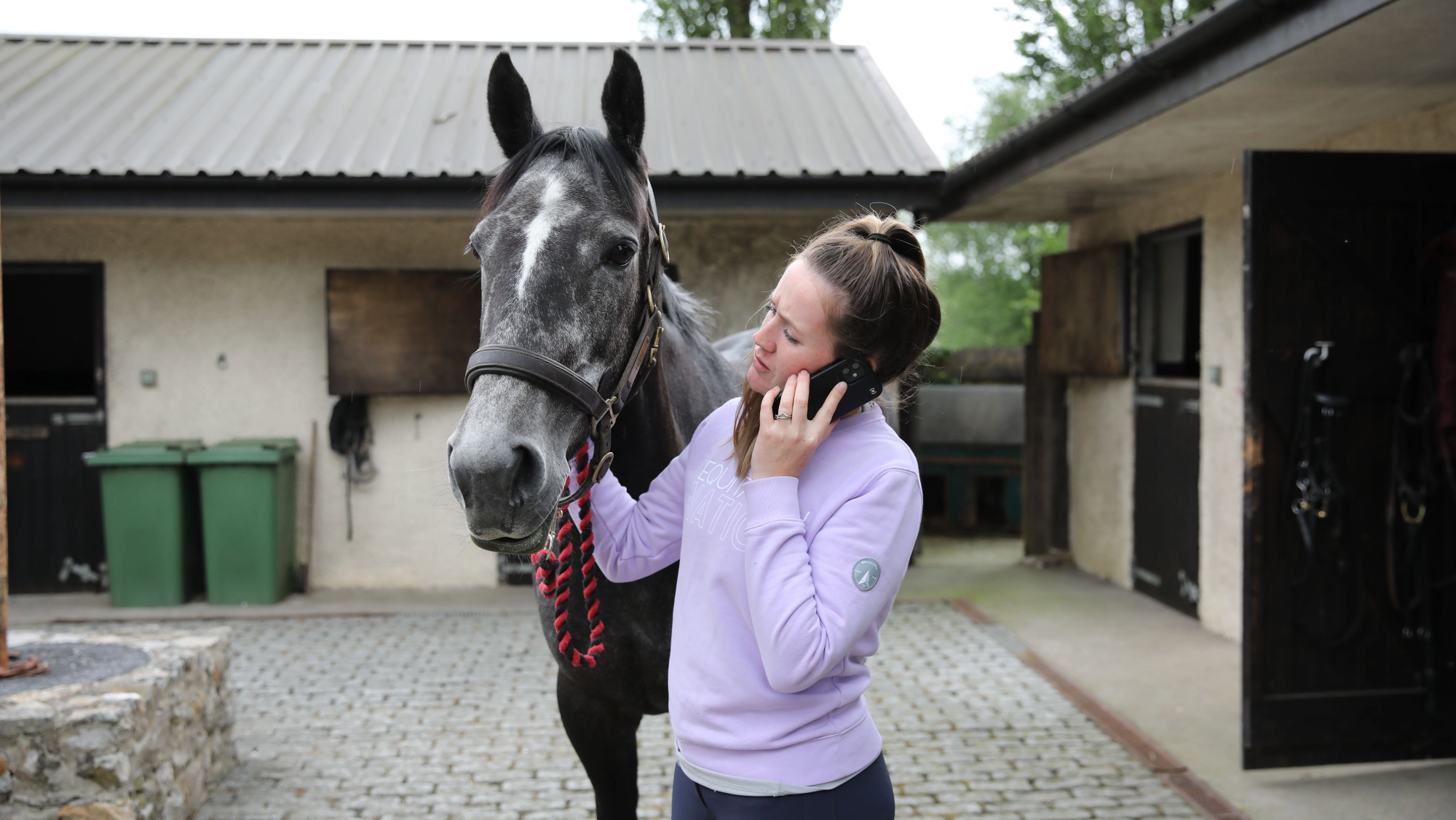
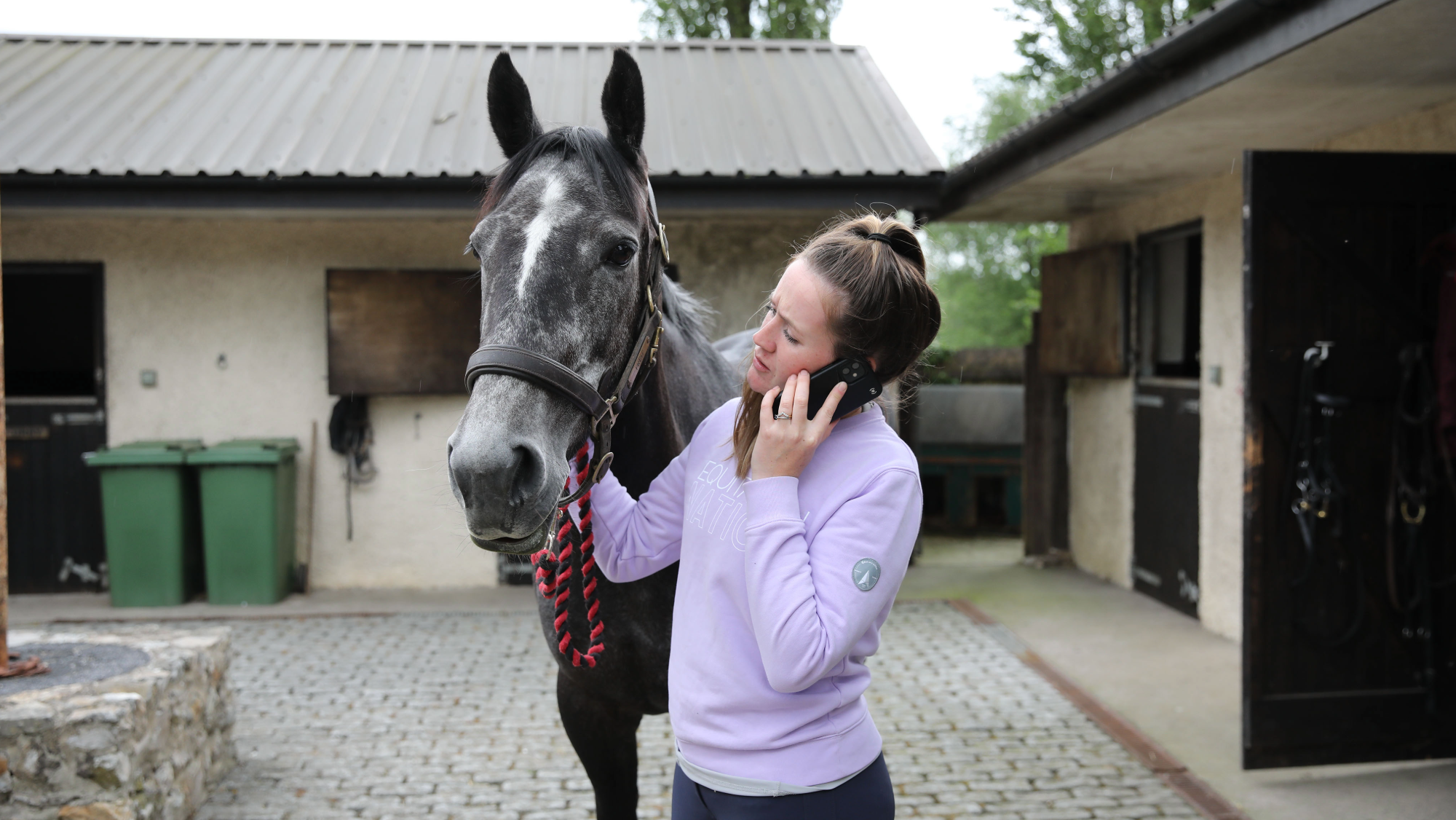
- Call the Veterinarian: Provide clear, concise details of your observations and vital signs. Be ready to follow any instructions given over the phone, such as administering pain relief (if previously prescribed and appropriate) or preparing the horse for examination.
- Prepare for Arrival: While waiting for the vet, ensure the horse is in a safe, well-lit area. Remove potential hazards. If instructed, prepare any necessary equipment (e.g., lead ropes, bandages, clean water). Keep the horse as calm as possible to prevent further injury or stress.
Statements and Insights from the Equine Veterinary Community
Equine veterinarians consistently emphasize the critical importance of early detection and communication. Dr. Sarah Miller, a prominent equine practitioner specializing in emergency medicine, frequently states, "The greatest asset an owner has in an emergency is their own observational skills and their willingness to call sooner rather than later. We would much rather respond to a false alarm than be called too late." This sentiment is echoed across the profession, highlighting that even seemingly minor symptoms can sometimes be the tip of an iceberg concealing a serious underlying condition. Equine health organizations, such as the American Association of Equine Practitioners (AAEP), regularly publish guidelines and educational materials to empower horse owners with the knowledge needed to make informed decisions during health crises, stressing that a strong owner-vet partnership is integral to optimal equine welfare.
Broader Implications and Impact
The ability of horse owners to effectively recognize and respond to equine emergencies carries significant implications beyond the immediate health of an individual animal:
- Improved Animal Welfare: Prompt veterinary care reduces suffering, improves prognosis, and often leads to faster, more complete recoveries, thereby enhancing the overall welfare of the horse.
- Economic Impact: While emergency veterinary care can be costly, timely intervention often prevents conditions from escalating to a point where they require more extensive, expensive, and prolonged treatments, including surgery or hospitalization. Prevention of chronic conditions or permanent disabilities also preserves a horse’s utility and value.
- Public Health and Safety: In cases of infectious diseases, early diagnosis and treatment not only protect the affected horse but also help prevent the spread of pathogens to other horses and, in some zoonotic cases, to humans.
- Reinforcing Responsible Ownership: A proactive and knowledgeable approach to equine health emergencies reflects responsible horse ownership, fostering a higher standard of animal care within the equestrian community.
Conclusion
Knowing when to call the veterinarian for a horse is a fundamental responsibility of every owner and caretaker. While the immediate impulse might be to delay, hoping a condition resolves on its own, the unique physiology and stoic nature of horses demand vigilance and swift action. From the subtle signs of colic to the unmistakable distress of a severe injury, understanding the indicators of common equine emergencies and having a clear action plan can be the difference between a minor setback and a tragic outcome. By fostering a strong relationship with their veterinarian, continuously educating themselves, and acting decisively, horse owners can ensure their equine companions receive the timely, expert care they deserve, safeguarding their health, well-being, and longevity.







