Oaxaca, Mexico, stands as a premier destination for experiencing the profound and vibrant festivities of Día de Muertos, a tradition deeply rooted in Indigenous beliefs and recognized globally for its cultural significance. The annual commemoration, marked by the brilliant hues of marigolds, the solemn glow of candlelight in cemeteries, intricate painted calaveras, and lively nighttime processions, transforms the city and surrounding villages into a dynamic tableau honoring ancestors. Beyond the iconic celebrations, a visit to Oaxaca during this period offers an unparalleled opportunity to delve into the state’s rich tapestry of history, art, gastronomy, and ancient heritage, seamlessly blending spiritual observance with a broader exploration of its cultural treasures.
The Enduring Legacy of Día de Muertos: A Historical and Cultural Overview
Día de Muertos, celebrated annually from October 31 to November 2, is an ancient tradition with roots stretching back nearly 3,000 years to Mesoamerican civilizations such as the Zapotec, Mixtec, and Aztec. These pre-Hispanic cultures held complex beliefs regarding death, viewing it not as an end but as a continuation of life and a natural part of the cyclical existence. The dead were believed to journey to Mictlán, the underworld, and could return to the earthly realm once a year to visit their living relatives.
With the arrival of the Spanish conquistadors and the introduction of Catholicism, these Indigenous customs underwent a process of syncretism. The native traditions converged with the Catholic observances of All Saints’ Day (November 1) and All Souls’ Day (November 2), giving rise to the modern Día de Muertos. This blending resulted in a unique celebration that, while incorporating elements of Catholic ritual, retained its core Indigenous philosophy of joyous remembrance and welcoming the spirits of loved ones back home. In 2008, UNESCO recognized Día de Muertos as an Intangible Cultural Heritage of Humanity, underscoring its profound cultural value and its role in preserving ancestral knowledge and community identity.
The essence of Día de Muertos lies in the belief that the deceased remain integral to the family narrative. Families meticulously construct ofrendas, or altars, in their homes, adorned with photographs, personal mementos, and the favorite foods and beverages of their departed loved ones. These offerings, along with vibrant cempasúchil (marigold) flowers, candles, pan de muerto (bread of the dead), and sugar skulls, serve as beacons to guide spirits home and a symbol of their cherished memory. The atmosphere is predominantly joyful, focusing on life, familial bonds, and the continuum of remembrance rather than somber mourning.
Oaxaca City: The Epicenter of Festivities
Oaxaca City, the state capital, is widely acclaimed as one of Mexico’s most elaborate and authentic venues for Día de Muertos celebrations. The city’s historic center, a UNESCO World Heritage site, becomes a living stage for an array of public events and private observances. From the evening of October 31 through November 2, the cobblestone streets pulsate with energy.
Lively comparsas (parades) are a hallmark of the urban festivities. These processions feature brass bands (bandas de viento) playing traditional Oaxacan music, towering calavera puppets (mojigangas) that dance above the crowds, and participants adorned in elaborate skeletal makeup (calavera Catrina) and vibrant costumes. Children ride on shoulders, elders keep pace, and smiles are ubiquitous, reflecting the celebration’s inclusive, family-centric nature. Colorful papel picado (perforated paper banners) stretch across streets, creating a festive canopy, while temporary stalls offer face-painting services, traditional foods, artisanal crafts, and refreshing beverages. The Zócalo, Oaxaca’s main plaza, serves as a central gathering point, hosting concerts, art installations, and community altars, drawing both locals and international visitors into the heart of the celebration.
Local tourism authorities consistently highlight the importance of Día de Muertos for Oaxacan tourism and cultural preservation. "The celebrations here are a vital expression of our identity," states a representative from the Oaxaca State Secretariat of Tourism. "We strive to ensure visitors experience the authenticity and respect the traditions, which in turn supports our local communities and ensures these ancestral practices continue for generations."
Beyond the City: Village Traditions and Sacred Spaces
While Oaxaca City offers a grand spectacle, the true spiritual core of Día de Muertos often resides in the smaller villages surrounding the capital. These communities provide a more intimate glimpse into the profound reverence and personal connection families share with their ancestors.
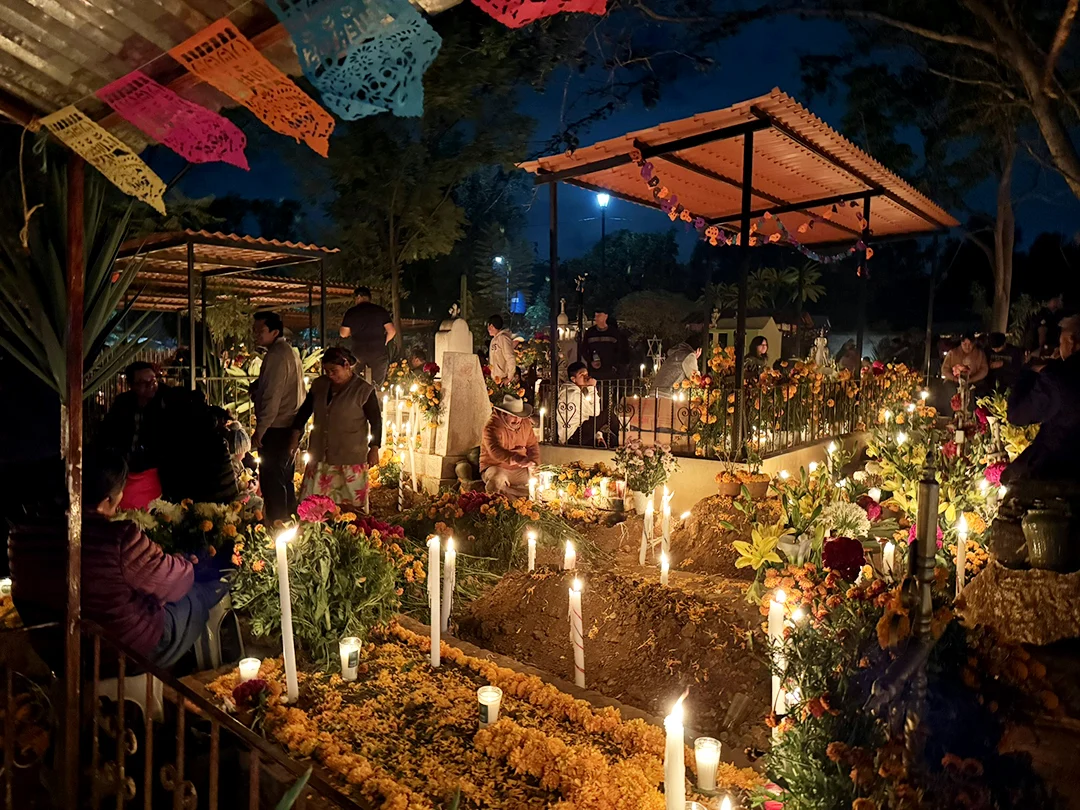
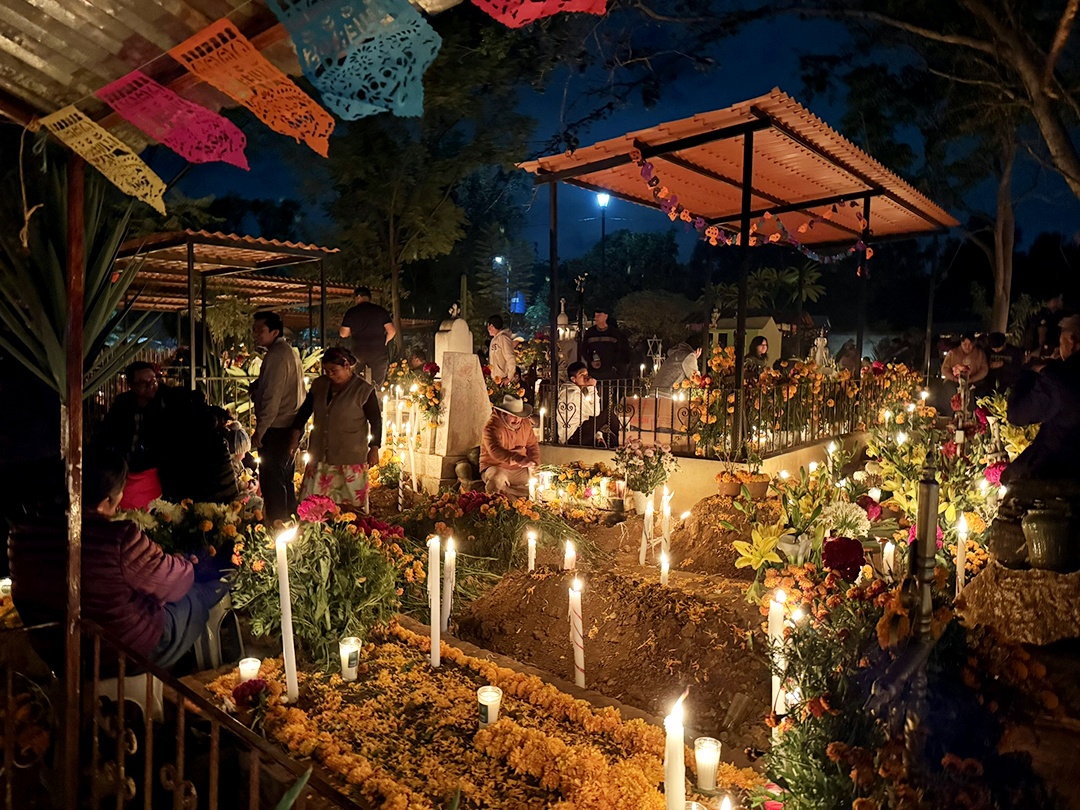
One of the most poignant experiences involves visiting local cemeteries, particularly those in villages like Xoxocotlán or Atzompa, during the nights of November 1 and 2. Here, the meaning behind the vibrant colors and jubilant processions comes into sharper focus. Graves are meticulously cleaned and adorned with an abundance of cempasúchil petals, flickering candles, framed photographs, and personal mementos. Families gather around their loved ones’ resting places, sharing meals, playing music, telling stories, and maintaining a tangible connection with the departed. The cemeteries, far from being somber, become active spaces of communal celebration and remembrance, filled with quiet conversation, laughter, and the soft glow of thousands of candles. Visitors are welcomed into these sacred spaces, provided they observe respectful distance and decorum, allowing for a unique cultural immersion.
Another distinctive village celebration is "El Encuentro" (The Encounter) in Etla, a small town outside Oaxaca City, typically held on the night of October 31. This event is a captivating "Battle of the Bands" where two brass bands march from opposite ends of a street, each attempting to outplay the other with their vibrant music. The costumed crowds, often dressed as devils or other folkloric figures, are squeezed between the converging bands, creating a thrilling and chaotic atmosphere. Eventually, everyone converges on a central stage where the bands take turns performing, with the audience’s cheers determining the "winner." These musicians, hailing from nearby villages, compete with fierce hometown pride, making for an unforgettable, high-energy experience.
Ancient Echoes: Zapotec Heritage at Monte Albán
A journey to Oaxaca during Día de Muertos is incomplete without exploring its ancient past. Approximately 45 minutes outside Oaxaca City lies Monte Albán, a monumental archaeological site that served as the capital of the Zapotec civilization for over a thousand years. Perched atop an artificially flattened mountain, the site offers panoramic views of the Oaxaca Valley, underscoring the strategic brilliance of its founders around 500 BCE.
Monte Albán flourished from 500 BCE to 800 CE, becoming a significant political, economic, and religious center. Its impressive architecture includes massive plazas, stone platforms, a ball court, an observatory, and numerous temples and tombs. Guided tours provide invaluable context, detailing the Zapotec’s advanced astronomical knowledge, their intricate writing system, and their complex social structures, all deciphered from the site’s carvings and structures. Walking among these ancient ruins, one can sense the continuity of a civilization whose beliefs about life and death laid the groundwork for many of Oaxaca’s enduring traditions, including aspects of Día de Muertos. The serene majesty of Monte Albán offers a contemplative counterpoint to the vibrant festivities, reminding visitors of the deep historical layers beneath contemporary Oaxacan culture.
Artistic Expressions: Alebrijes of San Antonio Arrazola
Venturing further into the Oaxacan countryside reveals villages dedicated to preserving unique artisanal traditions. San Antonio Arrazola, along with San Martín Tilcajete and La Unión Tejalapam, is renowned for its alebrijes – fantastical, brightly colored wooden sculptures. These whimsical creatures, often hybrids of various animals, are carved from copal wood and meticulously hand-painted with intricate dots, lines, and geometric patterns.
The alebrije tradition originated in Mexico City with Pedro Linares López in the 1930s, but it was adopted and transformed by Oaxacan artisans, particularly in the 1980s. Each piece is a testament to the artisan’s creativity and skill, often reflecting dreamlike visions or a playful combination of natural forms. Visitors can observe the entire creation process, from the initial carving of the copal wood to the final, painstaking brushstrokes of vibrant acrylic paints. Purchasing an alebrije directly from a workshop not only provides an authentic souvenir but also directly supports the local economy and helps sustain this unique craft. Artisans often express pride in their work, stating, "Each alebrije carries a piece of our soul, our heritage, and our imagination. It’s more than just a carving; it’s a story."
Culinary Delights: The Flavors of Oaxaca
Oaxaca is widely celebrated as Mexico’s culinary capital, and a visit during Día de Muertos offers an opportune moment to explore its rich gastronomic landscape. The city’s two sprawling covered markets, Mercado Benito Juárez and Mercado 20 de Noviembre, located near the Zócalo, are sensory feasts. Stalls overflow with an array of dried chiles, aromatic herbs, seasonal fruits, artisan cheeses, freshly baked breads, and ingredients that might be unfamiliar to the uninitiated. Visitors can wander slowly, sampling local delicacies and observing the vibrant commerce.
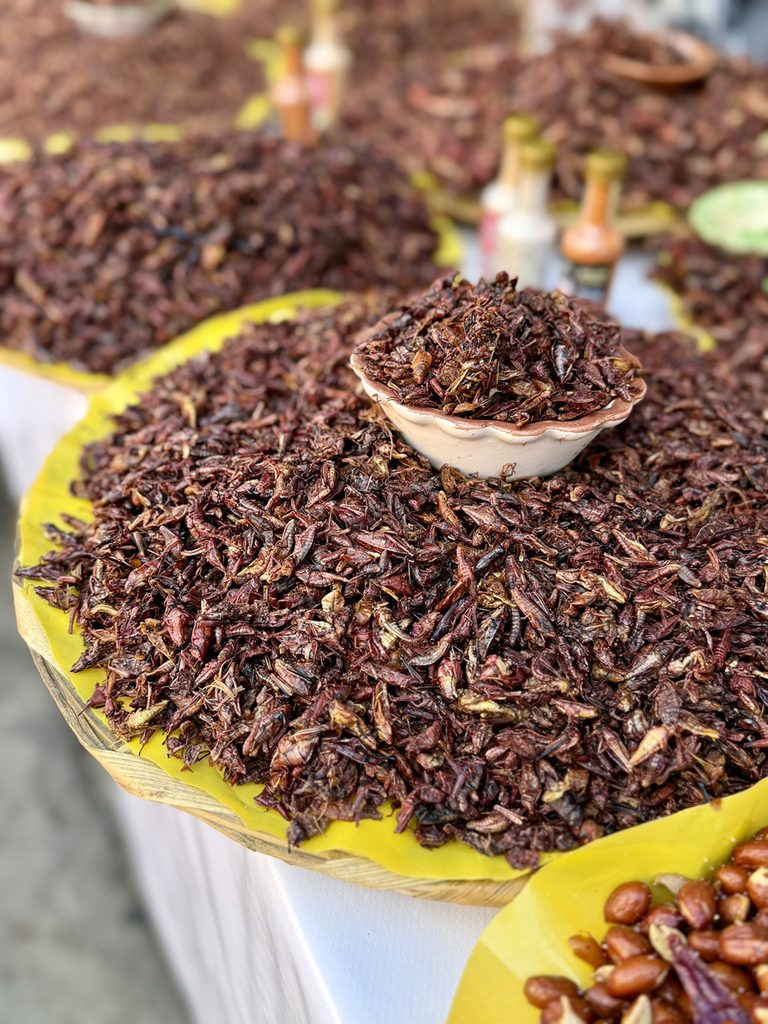
A quintessential Oaxacan culinary experience involves chapulines, toasted grasshoppers seasoned with garlic, chile, and lime. While the idea may be novel to some, these crunchy, salty morsels are a traditional snack and a source of protein in the region. Many visitors find them surprisingly palatable, a unique taste of local flavor, though few return home with a newfound grasshopper habit.
However, the undisputed star of Oaxacan cuisine is mole. Oaxaca is often called "the land of seven moles," distinguishing itself from other regions where mole might be perceived as a singular, chocolate-based sauce. Oaxacan moles come in a spectrum of colors and flavor profiles – from the intensely dark and complex Mole Negro, with its 20+ ingredients including multiple chiles, spices, nuts, and chocolate, to the bright and herbaceous Mole Verde, the rich and spicy Mole Colorado, the earthy Mole Amarillo, the smoky Chichilo, the vibrant Rojo, and the delicate Estofado. Each mole is a culinary masterpiece, a testament to generations of culinary tradition, offering distinct notes of smokiness, spice, nuttiness, or subtle earthiness, depending on the combination of chiles and ingredients. Sampling several versions is crucial to appreciating the true breadth and depth of this iconic Oaxacan dish. Additionally, Oaxaca is the ancestral home of mezcal, an agave-based spirit whose artisanal production methods and diverse flavor profiles offer another layer of culinary exploration.
Economic and Cultural Impact of Día de Muertos Tourism
The influx of visitors during Día de Muertos significantly boosts Oaxaca’s economy. Hotels, restaurants, tour operators, artisans, and street vendors all benefit from the increased demand. This economic activity provides crucial support to local families and helps preserve traditional livelihoods. However, the surge in tourism also presents challenges, including managing crowd density, ensuring sustainable practices, and preventing the commercialization of sacred traditions.
Local communities and cultural organizations are actively involved in balancing tourism growth with the preservation of cultural authenticity. Initiatives focus on educating visitors about the respectful ways to participate in ceremonies, encouraging interaction with local guides, and promoting sustainable tourism practices that benefit the community directly. The aim is to ensure that Día de Muertos remains a heartfelt family affair and a vibrant expression of Oaxacan identity, rather than merely a tourist spectacle.
Planning Your Visit: Practical Considerations
For those considering a journey to Oaxaca for Día de Muertos, careful planning is essential. The celebrations officially span from October 31 to November 2, with November 1 and 2 being the most significant days. Due to the event’s immense popularity, flights and hotel accommodations book out months in advance, often a year ahead, particularly for the 2027 season and beyond.
Hiring local guides is highly recommended, especially for navigating the villages outside Oaxaca City. A knowledgeable local guide not only provides transportation but, more importantly, offers invaluable cultural context, explains the nuances of traditions, and facilitates respectful interaction with local communities and families. Learning basic Spanish phrases can also enhance the experience, fostering deeper connections with the Oaxacan people.
Conclusion
Oaxaca’s Día de Muertos is an extraordinary experience, a vibrant and deeply meaningful celebration that transcends mere festivity. It is an invitation to witness a culture that embraces death as an integral part of life, honoring ancestors with joy, remembrance, and profound respect. While the iconic marigolds, candlelit cemeteries, and colorful processions may draw visitors initially, it is the holistic immersion into Oaxaca’s rich history, diverse artistry, unparalleled cuisine, and the warmth of its people that truly captivates and leaves a lasting impression. Día de Muertos may be the catalyst for a visit, but the enduring spirit and vibrant life of Oaxaca are what compel visitors to linger and return.