

Para dressage star Jemima Green, a celebrated double world medallist, and her husband, Ed Chapman, are joyfully anticipating the arrival of their first child. The news, shared by Green, reveals that "Baby Chapman" is expected in March 2027, to be welcomed via surrogacy. The couple expressed their profound excitement about this significant new chapter in their lives.
A New Milestone for a Champion Athlete
Jemima Green has established herself as a formidable presence in the para dressage world. Her impressive career includes securing double world championship medals, a testament to her dedication, skill, and partnership with her equine partners. Beyond her competitive achievements, Green has been an advocate for inclusivity and a prominent figure in the equestrian community. This announcement marks a deeply personal and joyous milestone for the athlete, signifying a new phase of life beyond the competitive arena.
The decision to pursue surrogacy reflects a thoughtful approach to starting their family. While the specifics of the journey are personal, the couple’s open announcement underscores their happiness and readiness to embrace parenthood. The due date of March 2027 indicates a well-planned and anticipated arrival, allowing ample time for preparations and for Jemima to focus on her well-being.
Context of Jemima Green’s Career and Achievements
Jemima Green’s journey in para dressage has been marked by resilience and exceptional talent. Her classification in the sport allows her to compete against athletes with similar functional limitations, ensuring a level playing field. Throughout her career, she has consistently demonstrated a remarkable ability to connect with her horses and execute complex dressage movements with precision and artistry.
Her accolades include prestigious medals at world championships, placing her among the elite athletes in her discipline. These achievements are not merely personal triumphs but also contribute to the growing recognition and profile of para equestrianism on a global scale. Green’s consistent performance has inspired many aspiring para athletes and has highlighted the potential for individuals with disabilities to excel in high-level sport.
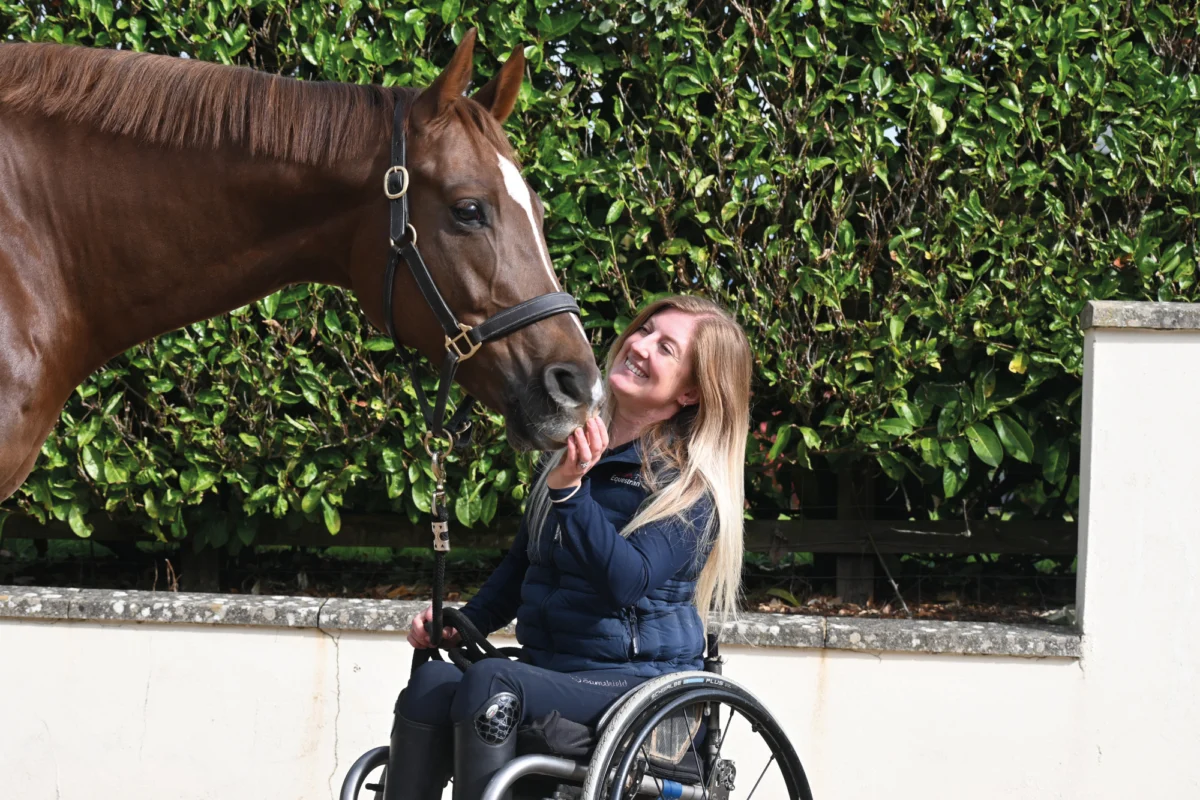
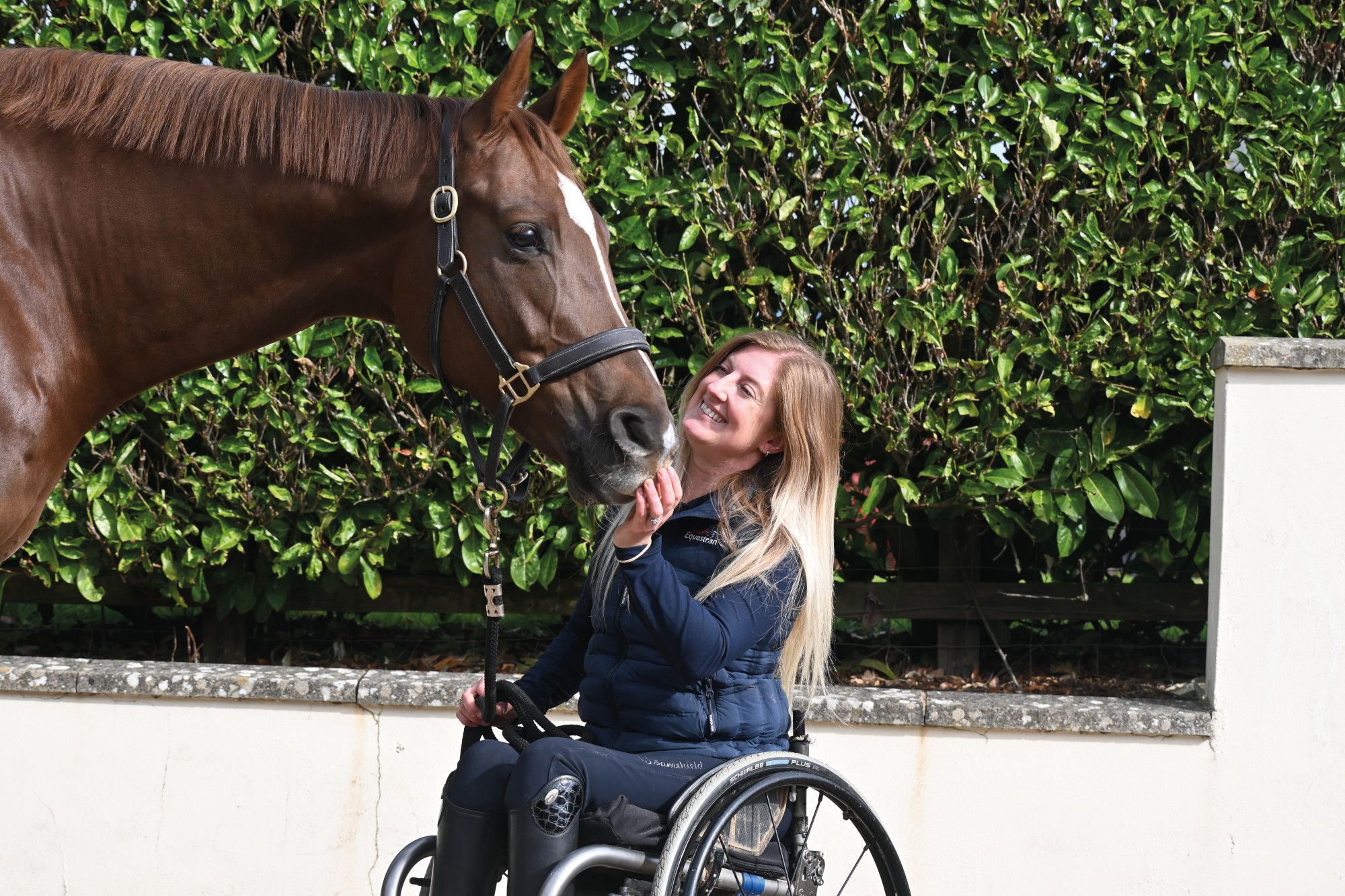
The image accompanying this announcement features Jemima Green and her horse, Fantabulous. This visual representation of her equestrian life offers a glimpse into the partnership that has been instrumental in her success. Fantabulous, like all top-level dressage horses, requires meticulous care, training, and a deep bond with its rider. The horse’s well-being and performance are intrinsically linked to the rider’s ability, and Green’s success is a testament to the strength of this bond.
The Role of Surrogacy in Modern Family Building
The announcement that "Baby Chapman" will arrive via surrogacy sheds light on the evolving landscape of family building. Surrogacy is a complex and often emotionally charged process that enables individuals and couples who are unable to carry a pregnancy themselves to have children. It involves a gestational carrier who carries the pregnancy to term on behalf of the intended parents.
This method of family creation has become increasingly accessible and socially accepted, offering a pathway to parenthood for a diverse range of individuals, including those facing medical challenges, same-sex couples, and single parents. The decision to use surrogacy often involves extensive legal, medical, and emotional considerations, and for Green and Chapman, it represents a deliberate and loving choice to expand their family.
The timeline for surrogacy can vary significantly depending on factors such as the availability of a surrogate, the egg and sperm donation process (if applicable), and the progression of the pregnancy. The stated due date of March 2027 suggests that their surrogacy journey is either well underway or has been planned with considerable foresight.
Expressions of Excitement and Anticipation
Jemima Green’s statement to Horse & Hound conveyed a simple yet profound sentiment: "very excited." This succinct expression encapsulates the overwhelming joy and anticipation that accompanies the prospect of parenthood. For any couple, the arrival of a child is a transformative event, and for Jemima and Ed, it is the culmination of a shared dream.
The equestrian community, which has rallied behind Jemima throughout her competitive career, is likely to share in her joy. Athletes, coaches, officials, and fans alike will undoubtedly offer their warmest congratulations and support as the couple embarks on this new adventure. The camaraderie within the equestrian world often extends beyond the competition grounds, fostering a supportive network for its members during significant life events.
Ed Chapman, as Jemima’s husband, plays an integral role in her life and career. His support has undoubtedly been a cornerstone of her success. This shared anticipation of parenthood will further strengthen their bond as they prepare to welcome their child into their lives.
Broader Implications and Future Outlook
The announcement of Jemima Green’s pregnancy, while a personal event, also resonates within the broader context of sports and parenthood. Increasingly, female athletes are challenging the traditional notion that elite competition and motherhood are mutually exclusive. Many have successfully navigated the demands of training and competition while managing pregnancies and returning to sport post-childbirth.
For Jemima Green, the timing of her child’s arrival in March 2027, with the next major para equestrian events likely to follow, presents an opportunity for a thoughtful transition. While her competitive future remains her personal decision, the prospect of motherhood may influence her training schedules and long-term career aspirations. Her experience will undoubtedly provide valuable insights and inspiration for other female athletes considering parenthood.
The integration of personal milestones with professional dedication is a hallmark of modern athletes. Jemima Green’s journey exemplifies this balance, showcasing her strength not only as an athlete but also as an individual building a family. Her candidness about her surrogacy journey also contributes to destigmatizing different paths to parenthood, fostering a more inclusive and understanding society.
As March 2027 approaches, the equestrian world will undoubtedly be following the developments with keen interest and offering their unwavering support to Jemima Green and Ed Chapman as they prepare to embrace the joys and challenges of parenthood. This new chapter promises to be as inspiring and remarkable as her achievements in the dressage arena.
A Look Back at Jemima Green’s Career Highlights
Jemima Green’s equestrian career has been a remarkable testament to perseverance and talent. Her journey to becoming a double world medallist in para dressage is a story of dedication, strategic training, and an exceptional connection with her equine partners. While the exact classification levels for her world championship medals are not detailed in the initial report, para dressage competitions are structured according to the functional abilities of the athletes. These classifications, typically ranging from Grade I (most severe impairment) to Grade V (least severe impairment), ensure fair competition. Green’s success across these levels, or within a specific grade, highlights her consistent ability to perform at the highest echelons of the sport.
Her past performances have consistently placed her in contention for top honours at major international events. These include the World Equestrian Games (now known as the FEI World Championships) and the Paralympic Games. Securing multiple medals at a World Championship signifies a sustained period of excellence, demonstrating her ability to adapt to different competitive environments and maintain peak performance over several years.
The specific details of her past wins, such as the year of her world championship medals and the specific events within those championships (e.g., individual tests, freestyle tests, team events), would provide a more comprehensive timeline of her career trajectory. However, the title of "double world medallist" itself is a significant indicator of her elite status.
Beyond her individual achievements, Green has also been a vital member of the British para dressage team. Team success in equestrian sports often relies on the collective strength and consistency of its members, and her contributions have undoubtedly played a crucial role in the team’s overall standing in international competitions.
The Significance of Equestrian Partnerships
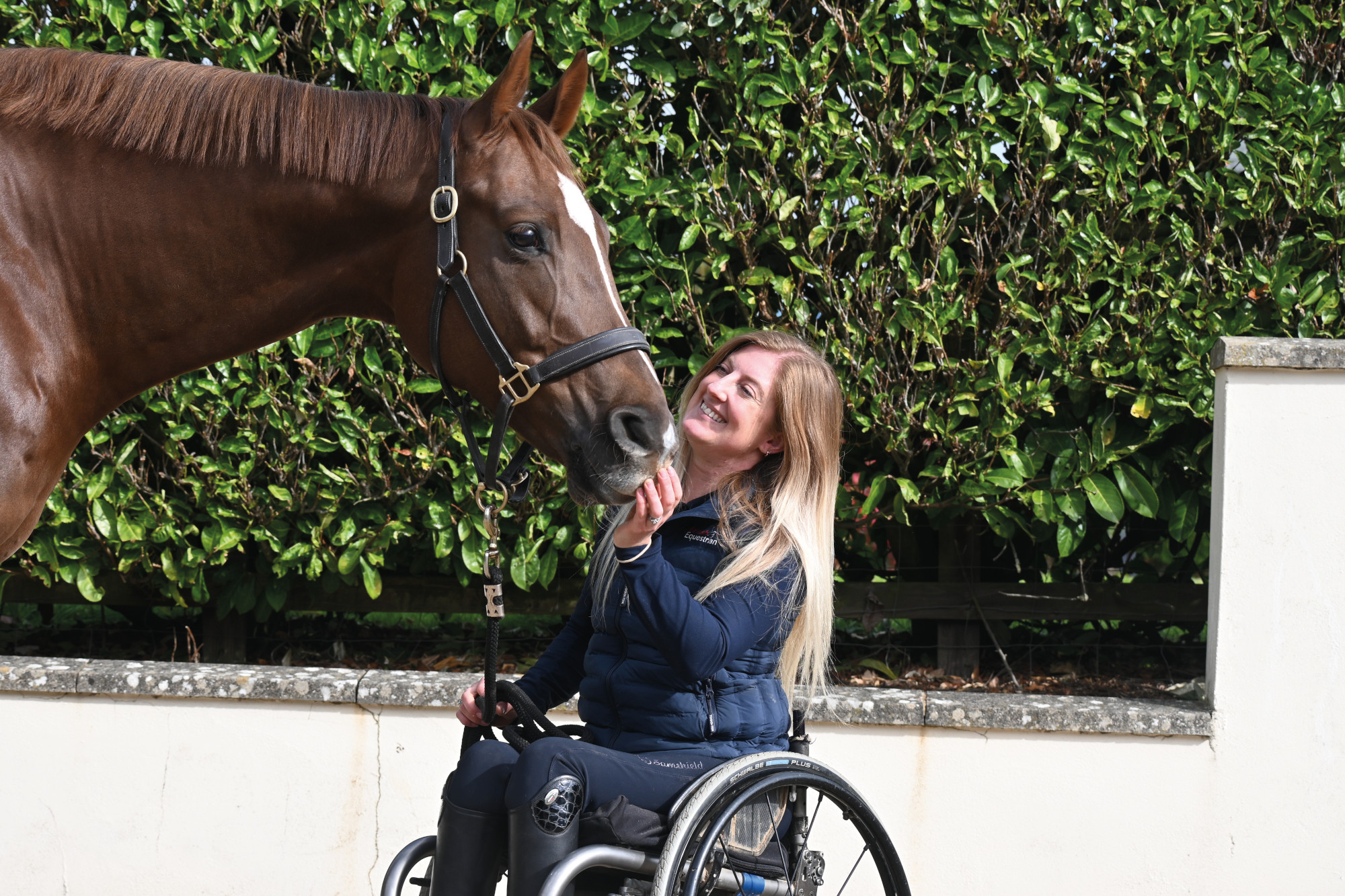
The image provided showcases Jemima Green with her horse, Fantabulous. This visual is more than just a photograph; it represents the profound partnership that is central to equestrian sport, especially at the elite level. The success of a para dressage rider is intrinsically linked to the capabilities, training, and temperament of their horse.
Fantabulous, as a partner to a world-class athlete, would have undergone extensive and specialized training. This training would not only focus on the technical demands of dressage – the precise movements, transitions, and patterns – but also on building a deep level of trust and communication between horse and rider. For Jemima, this partnership is amplified by the nuances of para dressage, where the rider’s ability to communicate aids may be adapted due to their classification. The horse must be highly attuned to subtle cues, whether they are physical, vocal, or through other sensory inputs.
The lifespan of an elite dressage horse can extend into its late teens or even early twenties, meaning that Jemima’s partnership with Fantabulous may have spanned several years, potentially including her most significant competitive achievements. The retirement of such a horse, or the transition to a new equine partner, are significant events in any rider’s career. The presence of Fantabulous in the announcement’s imagery suggests that this horse remains an integral part of Jemima’s equestrian life.
Supporting Data and Analysis of Para Dressage Growth
The sport of para dressage has seen significant growth in participation and professionalization over the past few decades. This expansion is supported by several key factors:
- Increased Awareness and Media Coverage: Major events like the Paralympics and World Equestrian Games receive more extensive media coverage, raising the profile of para athletes and their sport. This visibility attracts sponsorship and greater public interest.
- Advancements in Classification Systems: Robust and fair classification systems are crucial for ensuring equitable competition. Ongoing refinement of these systems allows for more accurate grading of athletes, fostering a more competitive landscape.
- National and International Governing Bodies: Organizations like the International Paralympic Committee (IPC) and the Fédération Équestre Internationale (FEI) play a vital role in setting standards, organizing competitions, and promoting the sport globally.
- Development of Training Programs and Support Networks: The establishment of specialized training programs, coaching expertise, and athlete support services has enabled para dressage riders to reach higher levels of performance.
The number of participating nations in para dressage events has steadily increased. For instance, at the FEI World Equestrian Games, which feature para dressage, the number of competing countries has grown, reflecting a global surge in interest. Similarly, the number of athletes entering para dressage competitions at national and international levels has seen a consistent upward trend. This growth indicates a healthy and evolving sport, with athletes like Jemima Green serving as inspirational figures.
The financial landscape of elite para dressage is also evolving. While still significantly reliant on personal investment and sponsorships, increased commercial interest is becoming more evident. Top athletes often secure endorsements from equestrian brands, sports equipment manufacturers, and companies aligned with their personal values or the values of the sport. This financial support is crucial for covering the extensive costs associated with elite horse ownership, training, veterinary care, and competition travel.
Conclusion
The impending arrival of "Baby Chapman" marks a new and exciting chapter for Jemima Green and Ed Chapman. As a celebrated figure in para dressage, Jemima’s announcement is met with widespread joy and congratulations from the equestrian community and beyond. Her journey, characterized by remarkable athletic achievements and a dedication to her sport, now expands to embrace the profound experience of parenthood. The use of surrogacy underscores the diverse and modern pathways to family building, reflecting a thoughtful and loving approach to expanding their family. As they anticipate their child’s arrival in March 2027, Jemima and Ed embark on a new adventure, one that is sure to be filled with love, joy, and the unique experiences that parenthood brings. Her story continues to inspire, demonstrating the remarkable ability of athletes to balance extraordinary careers with significant personal milestones.







