Effective pasture management is a cornerstone of responsible equine farm operations, impacting not only the health and well-being of horses but also the long-term sustainability of the land. This comprehensive approach, drawing insights from agricultural experts like The Farm Clinic and Roger Allman, emphasizes that each field presents unique challenges and necessitates tailored management strategies. Factors such as geographical location, the specific mix of plant species present, the density of horse population per acre, and the inherent quality of the soil all play a critical role in determining the intensity and type of interventions required to maintain optimal pasture conditions.
Understanding the Nuances of Pasture Ecology
The principle of pasture management is rooted in understanding the complex ecological interactions within grazing lands. A healthy pasture is not merely a collection of grasses; it is a dynamic system influenced by climate, soil biology, and the grazing habits of the animals it supports. Equine farms, particularly those operating at scale or with high-density populations, must adopt proactive and informed practices to ensure their pastures can withstand the demands placed upon them. The traditional view of simply allowing horses to graze unchecked often leads to overgrazing, soil degradation, and a decline in forage quality, creating a detrimental cycle. Modern equine management, however, increasingly recognizes the value of strategic interventions to foster robust and resilient grazing environments.
The Critical Role of Mowing in Pasture Health
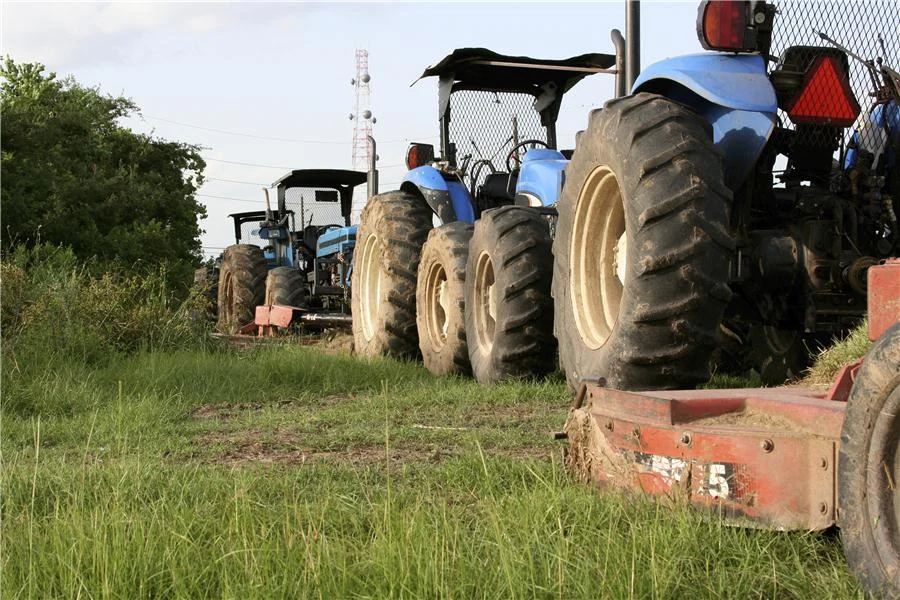
Regular mowing, performed at the correct height, is a fundamental yet often underestimated practice in maintaining productive pastures. Experts advocate for maintaining a grass height within the six- to eight-inch range. This practice is not about reducing the overall amount of forage available; rather, it encourages the grass to direct its energy towards developing a denser, more widespread root system and thicker foliage. This process, known as tillering, results in a more resilient and productive sward.
When grass is cut frequently and at an appropriate height, it shifts its growth pattern from simply elongating to producing more leaves and strengthening its base. This leads to an increase in the overall quantity of forage available over time. Furthermore, horses exhibit a preference for shorter, more tender grass. This type of grass is typically lower in fiber content, making it more digestible and palatable. Conversely, mowing too short can have detrimental effects. It can lead to rapid soil desiccation, especially during warmer months, and can severely limit the amount of available forage during winter when grass growth naturally slows or ceases.
Beyond its direct impact on grass growth and palatability, mowing serves as an effective weed control measure. By cutting weed seed heads before they fully mature, farmers can significantly reduce the propagation of invasive species in subsequent growing seasons. This proactive approach minimizes the need for chemical herbicides, aligning with more sustainable and environmentally conscious farming practices. The timing of mowing is also crucial; repeated mowing during peak weed growth can effectively weaken and eventually eliminate many common weed species.
The Science of Soil Amendments: Liming and Fertilizing
The establishment and maintenance of healthy grasses are intrinsically linked to the chemical composition of the soil. The strategic application of lime and fertilizer plays a vital role in promoting robust grass growth and ensuring that the forage provides a balanced nutritional profile for horses. Lime, typically calcium carbonate or dolomitic lime, is primarily used to adjust soil pH. Many pasture grasses thrive in a slightly acidic to neutral pH range (6.0-7.0). When soil becomes too acidic, the availability of essential nutrients for plant uptake is reduced, and toxic elements like aluminum can become more soluble. Liming counteracts this acidity, making nutrients more accessible and improving soil structure.
Fertilizers, on the other hand, provide essential macronutrients like nitrogen (N), phosphorus (P), and potassium (K), as well as micronutrients. Nitrogen is crucial for vegetative growth and green color, phosphorus supports root development and flowering, and potassium enhances overall plant vigor and disease resistance. The specific type and amount of fertilizer required will depend on soil test results, which provide a detailed analysis of nutrient deficiencies. Over-fertilization, however, can lead to nutrient imbalances in the grass, potentially causing health issues for horses, and can also contribute to environmental pollution through runoff. Therefore, adhering to recommended application rates based on soil analysis is paramount.
Re-establishing Pasture: The Importance of Seeding
In pastures that experience heavy grazing pressure or are dominated by less desirable plant species, strategic seeding becomes indispensable. Fields under intense use, such as those frequented by a high number of horses, can see desirable species like Bluegrass and rye grass grazed to the point of severe stress or even death. Re-seeding these areas helps to re-establish a robust and palatable grass population.
Particular attention should be paid to high-traffic zones, such as near gates, water troughs, and feeding areas. These areas are particularly susceptible to hoof damage, which can strip away vegetation and leave the soil exposed. Bare patches not only represent a loss of valuable forage but also create an environment prone to erosion, especially on sloped terrain. Introducing appropriate grass seed varieties into these denuded areas not only restores the vegetative cover but also helps to stabilize the soil and prevent its loss. The selection of seed varieties should consider the local climate, soil type, and the intended grazing intensity. Drought-tolerant and wear-resistant species are often preferred for high-traffic areas.
Strategic Field Rotation: The Power of Rest
Implementing a system of field rotation, even for short durations, can yield significant benefits for pasture health. Allowing a field to rest, even for as little as two weeks during periods of rapid grass growth, can allow the sod to recover and thicken. This period of rest enables the grass plants to replenish their energy reserves and strengthen their root systems. A thicker sod is more resilient to grazing pressure, less susceptible to weed invasion, and better at preventing soil erosion.
When continuous grazing is unavoidable, alternative strategies can mitigate its negative impacts. Spreading a thin layer of well-composted manure or organic matter across the most heavily grazed areas can help to improve soil fertility and moisture retention. This practice can encourage more uniform grazing by making the less-grazed areas more attractive to horses. Horses, by nature, tend to favor shorter grass and will continue to graze preferred areas down to stubble if not encouraged to move. Rotation or the application of organic matter can break this cycle of selective overgrazing.
Enhancing Soil Organic Matter: Spreading Muck and Composting
The application of organic matter, such as straw-based muck, is a valuable technique for improving soil health. Organic matter enhances the soil’s capacity to retain moisture, which is particularly beneficial during dry spells. This improved water-holding capacity ensures that grass has access to a more consistent water supply, supporting continued growth.
However, caution must be exercised when spreading raw muck. Applying it too thickly can smother existing grass, hindering growth and potentially leading to plant death. Furthermore, raw manure can harbor parasite eggs and weed seeds, which can be reintroduced into the pasture ecosystem. To mitigate these risks and ensure a cleaner, more beneficial application, composting is the preferred method. Composting significantly reduces the volume of weed seeds and parasite eggs, while simultaneously creating a nutrient-rich soil amendment. Future discussions will delve deeper into the specific methods and manifold benefits of composting for equine farm operations.
Chain Harrowing: Loosening and Spreading
Chain harrowing is a mechanical process that serves multiple purposes in pasture management. It effectively loosens dead grass and thatch, allowing sunlight and air to penetrate to the soil surface, stimulating new growth. Critically, it also breaks up and spreads manure piles. This prevents the formation of "roughs" – areas where horses avoid grazing due to the accumulation of droppings – and redistributes nutrients more evenly across the field.
The frequency of chain harrowing is largely dictated by the stocking rate of the pasture and the volume of manure produced. For lightly grazed pastures, performing this task once or twice annually is often sufficient. Chain harrowing before and after broadcasting seed is a highly recommended practice, as it improves seed-to-soil contact, a crucial factor for successful germination. However, it is important to note that chain harrowing during dry weather can exacerbate soil drying. Additionally, specific weed infestations require careful consideration. Pastures heavily infested with Nimblewill, a common and often problematic grass, should not be chain harrowed during September or October, as this practice can effectively spread the weed’s seeds, exacerbating the problem in the following year.
Aeration: Reducing Compaction and Enhancing Root Growth
Soil compaction is a significant issue in frequently used pastures, particularly in high-traffic areas. Compacted soil restricts root growth, reduces water infiltration, and limits nutrient availability. Spike-type aerators are highly effective tools for combating compaction. By creating small holes in the soil, aeration allows for better air circulation, improved water penetration, and encourages deeper root development.
The optimal time for aeration is often prior to the application of lime or fertilizer. When aeration is performed on slopes, it helps to prevent nutrient and soil runoff by allowing amendments to be absorbed directly into the root zone rather than being washed away by rain. This targeted application of soil amendments ensures that the nutrients are utilized by the grass plants, maximizing their benefit and minimizing environmental impact.
Expert Insights and Future Considerations
The insights provided by The Farm Clinic and agricultural professionals like Roger Allman underscore a fundamental truth: successful pasture management is an ongoing process of observation, adaptation, and informed intervention. As equine farm operations continue to evolve, the integration of these established practices with emerging research and sustainable technologies will be key to ensuring the long-term health of both the animals and the land they depend on. Farmers are encouraged to seek localized advice and conduct regular soil testing to fine-tune their management strategies for their specific environments.
Questions regarding specific pasture management challenges can be directed to [email protected] for potential inclusion in future discussions, fostering a collaborative approach to advancing best practices in equine farm management.