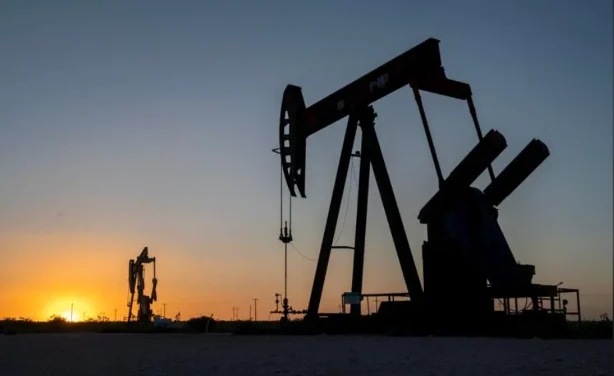
The looming presidential election, now fewer than three months away, casts a long shadow over critical economic sectors, none more acutely than the oil and gas industry in the Permian Basin. This vast, energy-rich expanse, straddling West Texas and Southeastern New Mexico, finds its future inextricably linked to the divergent energy policies championed by the leading candidates. For the thousands whose livelihoods depend on the extraction, processing, and transportation of hydrocarbons, the outcome of the national vote will reverberate directly through local economies, affecting everything from drilling permits and investment cycles to job security and community prosperity.
The Permian Basin: A Global Energy Nexus
At its core, the Permian Basin is a geological marvel and an economic powerhouse. It stands as the largest shale oil basin in the United States and one of the most prolific hydrocarbon-producing regions globally. Its significance extends far beyond its geographic boundaries, playing a pivotal role in U.S. energy independence, global supply stability, and the national economy. Recent data from the U.S. Energy Information Administration (EIA) highlights the Permian’s dominance, often accounting for more than 40% of total U.S. crude oil production and a substantial portion of its natural gas output. In 2023, the basin consistently produced over 5 million barrels of oil per day, a testament to its immense capacity and technological advancements.
This extraordinary output translates into substantial economic activity. The industry directly employs hundreds of thousands across Texas and New Mexico, with countless more jobs supported indirectly through supply chains, services, and local businesses. From roughnecks on drilling rigs to engineers, truck drivers, hospitality workers, and real estate agents, the economic heartbeat of cities like Odessa and Midland, Texas, and Hobbs and Carlsbad, New Mexico, is synchronized with the rhythm of oil and gas operations. As Kirk Edwards, President and CEO of Latigo Petroleum in Odessa, articulated, "This affects everybody in our population here, especially in Southeastern New Mexico and West Texas." Edwards, a veteran of the petroleum industry since the 1980s, understands the profound connection between national politics and local business operations, noting that energy has become a "political football" tossed between administrations for decades.
A History of Political Volatility and Energy Policy
Edwards’ observation that energy has become a "political football" is not new; it reflects a long-standing tension in American policy. Historically, U.S. energy policy has swung between priorities: securing domestic supply, mitigating environmental impact, and fostering economic growth.
- Mid-20th Century to 1970s: Focus on domestic production and regulating prices, often influenced by the power of major oil companies and the specter of foreign supply disruptions.
- 1970s Energy Crises: The OPEC oil embargoes underscored the vulnerability of the U.S. to global energy politics, pushing for greater energy independence and diversification, including early pushes for renewable research.
- 1980s-1990s: Periods of deregulation and market liberalization, with a continued emphasis on conventional oil and gas, alongside growing awareness of environmental concerns leading to stricter regulations like the Clean Air Act amendments.
- Early 2000s (Shale Revolution): The technological breakthroughs in hydraulic fracturing and horizontal drilling unlocked vast reserves of shale oil and gas, fundamentally reshaping the U.S. energy landscape. This period saw a renewed drive for energy independence, largely through domestic fossil fuel production.
The trajectory of presidential administrations since the advent of the shale boom vividly illustrates how executive priorities can directly impact the Permian.
The Trump Administration (2017-2021): "Energy Dominance"
The administration of President Donald Trump pursued an "Energy Dominance" agenda, explicitly aiming to maximize U.S. fossil fuel production and exports. This policy framework was characterized by:
- Deregulation: A systematic effort to roll back environmental regulations perceived as burdensome to the oil and gas industry. This included easing restrictions on methane emissions and streamlining permitting processes for energy infrastructure projects.
- Increased Access to Public Lands: Efforts to open up more federal lands and offshore areas for oil and gas leasing and drilling. While the Permian Basin primarily operates on state and private lands, federal land within the basin is significant, particularly in New Mexico.
- Promotion of Exports: Encouraging the export of U.S. crude oil and liquefied natural gas (LNG) to global markets, leveraging America’s growing production capacity.
The impact on the Permian Basin during this period was largely positive from an industry perspective. Production surged to record highs, driven by a supportive regulatory environment and strong global demand. Investment poured into the region, leading to significant job growth and an economic boom. Data from the Texas Independent Producers and Royalty Owners Association (TIPRO) indicated substantial increases in oil and gas employment and capital expenditure across Texas, with the Permian Basin at the forefront. The relaxed regulatory stance provided a sense of predictability and lower operating costs, incentivizing expanded operations.
The Biden Administration (2021-Present): "Transition to Green Energy"

Upon taking office, President Joe Biden pivoted sharply towards a "clean energy transition" agenda, prioritizing climate change mitigation and investment in renewable energy sources. Key policies and their implications included:
- Moratorium on New Leases (Initial): One of Biden’s first executive actions was a temporary moratorium on new oil and gas leasing on federal lands and waters, followed by a review of existing programs. While existing leases and permits were largely unaffected, the move signaled a significant shift in federal policy.
- Increased Costs and Regulations: The administration moved to increase royalty rates for drilling on public lands and implemented stricter environmental regulations, particularly concerning methane emissions from oil and gas operations. These measures aimed to internalize the environmental costs of fossil fuel production.
- Investment in Renewables: The passage of the Inflation Reduction Act (IRA) provided unprecedented tax credits and incentives for renewable energy projects, electric vehicles, and other clean technologies, signaling a long-term commitment to decarbonization.
For the Permian Basin, the Biden administration’s policies introduced a new layer of uncertainty and increased operating costs. While existing operations continued, the slower pace of federal permitting and the higher regulatory burden led to concerns about future growth and investment. Industry analysts noted a shift in capital allocation, with some companies focusing on maximizing production from existing, permitted wells rather than pursuing new federal leases. Though the Permian remained highly productive due to its vast private and state land holdings, the federal policy signals created a more cautious investment climate for certain types of operations.
The 2024 Election: Divergent Paths and Evolving Stances
The upcoming 2024 presidential election presents a stark choice for the Permian Basin and the nation’s energy future.
-
Donald Trump (Republican Presidential Nominee):
- Anticipated Platform: A potential second Trump administration is expected to largely revive the "Energy Dominance" policies of his first term. This would likely entail a renewed push for deregulation, expedited permitting for fossil fuel projects, and an expansion of oil and gas leasing on federal lands. The rhetoric would emphasize maximizing domestic production, reducing energy costs, and asserting U.S. energy independence, often framed against the backdrop of geopolitical stability.
- Implications for Permian: Industry leaders in the Permian would likely welcome such policies, anticipating a more favorable regulatory environment, lower operating costs, and increased investment. This could lead to a resurgence in drilling activity, potentially higher employment, and a renewed sense of optimism within the conventional energy sector. However, it would also face strong opposition from environmental groups and states committed to climate action.
-
Joe Biden (Democratic Presidential Nominee):
- Anticipated Platform: Should President Biden secure a second term, his administration would likely continue its push for a clean energy transition. This would involve further incentives for renewable energy, continued efforts to reduce emissions from existing fossil fuel infrastructure (e.g., through carbon capture and storage technologies), and potentially more stringent environmental regulations. While balancing climate goals with energy security, the overall trajectory would remain towards decarbonization.
- Implications for Permian: A continued Biden presidency would likely mean ongoing regulatory scrutiny and potentially higher compliance costs for Permian operators. The industry might adapt by investing more in emissions reduction technologies, improving efficiency, and exploring carbon capture opportunities. Growth in traditional oil and gas production might be more constrained, with greater emphasis on sustainable practices within the existing framework.
-
Kamala Harris’s Evolving Stance on Fracking:
- A significant development highlighted in the original article is Vice President Kamala Harris’s evolving stance on hydraulic fracturing. During her 2020 presidential campaign, Harris advocated for a ban on fracking, aligning with the more progressive wing of the Democratic party and environmental activists. However, as the 2024 election approaches and she campaigns in critical battleground states like Pennsylvania – the second-largest natural gas producer behind Texas – her position has demonstrably softened.
- Analysis: This shift underscores the pragmatic realities of energy politics. While a full fracking ban might be popular with some environmental constituencies, it carries significant economic and political risks in energy-producing states and for the broader U.S. energy supply. Her nuanced stance reflects an acknowledgment of the current necessity of natural gas in the energy mix and the economic impact of sudden, sweeping bans. For the Permian, this evolution suggests that even a Democratic administration might avoid outright bans on established technologies, opting instead for regulatory oversight and incentives for cleaner operations. It demonstrates the powerful influence of economic realities and state-level energy production on national political platforms.
Statements and Reactions from Related Parties
The political discourse surrounding energy policy elicits strong reactions from various stakeholders:
- Industry Leaders: Representatives like Kirk Edwards and broader industry associations (e.g., American Petroleum Institute, Texas Oil & Gas Association) consistently advocate for stable, predictable regulatory environments that encourage investment and domestic production. They emphasize the Permian’s role in energy security, economic contributions, and the industry’s advancements in reducing its environmental footprint. Their primary concern revolves around regulatory uncertainty that stifles long-term planning and capital deployment, leading to boom-bust cycles and job insecurity. They often highlight the significant tax revenues generated by the industry, which fund critical public services in both Texas and New Mexico.
- Environmental Groups: Organizations such as the Sierra Club, Environmental Defense Fund, and local environmental advocates express deep concerns about the expansion of fossil fuel production. They argue for a rapid transition to renewable energy sources to combat climate change, protect public health, and preserve ecosystems. They often criticize lax regulations, highlight methane leaks as a potent greenhouse gas, and advocate for stricter oversight and investment in sustainable alternatives.
- Local Communities and Workers: For the residents and workers of the Permian Basin, the election’s outcome directly translates to job stability, housing markets, and the vitality of local businesses. Many express a desire for policies that support their industry while also addressing environmental concerns through responsible practices. The prospect of significant policy shifts can create anxiety about economic downturns or, conversely, optimism about sustained growth. There’s also a growing interest in how the region can diversify its economy and integrate new energy technologies while leveraging its existing workforce and infrastructure.
- Economists and Energy Analysts: These experts often provide a broader, data-driven perspective. They analyze how policy changes interact with global oil prices, technological advancements, and geopolitical events. Many point to the inherent volatility of commodity markets, arguing that while policy can influence investment, market forces often dictate ultimate production levels. They also assess the long-term implications of energy transitions, including the potential for stranded assets and the need for workforce retraining in regions heavily reliant on fossil fuels.
Broader Impact and Implications
The ramifications of the 2024 presidential election for the Permian Basin extend far beyond immediate drilling permits and employment numbers:
- Economic Stability and Diversification: The chosen energy path will dictate investment flows into the region, influencing the stability of its economy. A pro-fossil fuel stance could prolong the current economic model, while a green transition push might accelerate diversification efforts into areas like carbon capture, hydrogen production, or renewable energy components, leveraging existing infrastructure and skilled labor.
- Energy Security and Geopolitics: The Permian Basin is a cornerstone of U.S. energy independence. Policies that support robust domestic production enhance America’s leverage on the global stage, reducing reliance on volatile international suppliers. Conversely, policies that significantly constrain domestic output could reshape global energy markets and influence geopolitical dynamics.
- Technological Innovation and Environmental Stewardship: Regardless of the political leanings of the administration, the industry faces increasing pressure to innovate. Companies in the Permian are already investing in technologies to reduce methane emissions, utilize captured CO2 for enhanced oil recovery, and improve water recycling. The next administration’s policies will either accelerate or decelerate these technological shifts, shaping the industry’s long-term environmental performance.
- Workforce Development: The future of the Permian’s skilled workforce is at stake. Policies that foster growth will ensure continued demand for traditional oilfield jobs, while a transition-focused agenda might necessitate significant investments in retraining programs for new energy sectors.
In conclusion, the 2024 presidential election represents a critical juncture for the Permian Basin. The starkly different energy platforms of the leading candidates promise to either reinforce the region’s traditional role as a fossil fuel powerhouse or accelerate its evolution towards a more diversified energy future. For the thousands who call this vibrant region home, the outcome is not merely a political talking point but a direct determinant of their economic well-being, shaping the very landscape of their local industries for years to come.