

The journey of middle age brings inevitable physical transformations, and for women, particularly those dedicated to the demanding sport of equestrianism, these changes can present unique challenges. Perimenopause and menopause, marked by fluctuating hormones, can usher in a cascade of symptoms from hot flashes and sleep disturbances to bone density loss and joint stiffness. Yet, the equestrian world stands as a testament to remarkable performance longevity, with many athletes continuing to compete and excel at the highest levels well into their later years. This article explores how seasoned female equestrians are adapting their fitness regimens and embracing holistic wellness to maintain their competitive edge and passion for riding through midlife and beyond.
The enduring appeal of equestrian sports lies in its unique blend of athleticism, skill, and partnership with an animal. Unlike many sports where age-related physical decline can be a significant barrier, riding offers a pathway for sustained involvement. The very nature of the sport, requiring intricate communication and balance with a powerful animal, allows for continued improvement and mastery over time. This is vividly illustrated by the remarkable achievements of older equestrians on the international stage. At 66, Australian dressage rider Mary Hanna competed in the 2021 Tokyo Summer Olympics, making her the oldest athlete at those Games. Similarly, Japan’s Hiroshi Hoketsu, an 80-year-old dressage rider, would have been the oldest Olympian in history had his horse been able to participate in Tokyo. The continued success of Olympic show jumpers Laura Kraut, now 60, and Margie Engle, 68, further underscores this point. These athletes demonstrate that with dedicated physical conditioning and a commitment to their sport, age is merely a number.
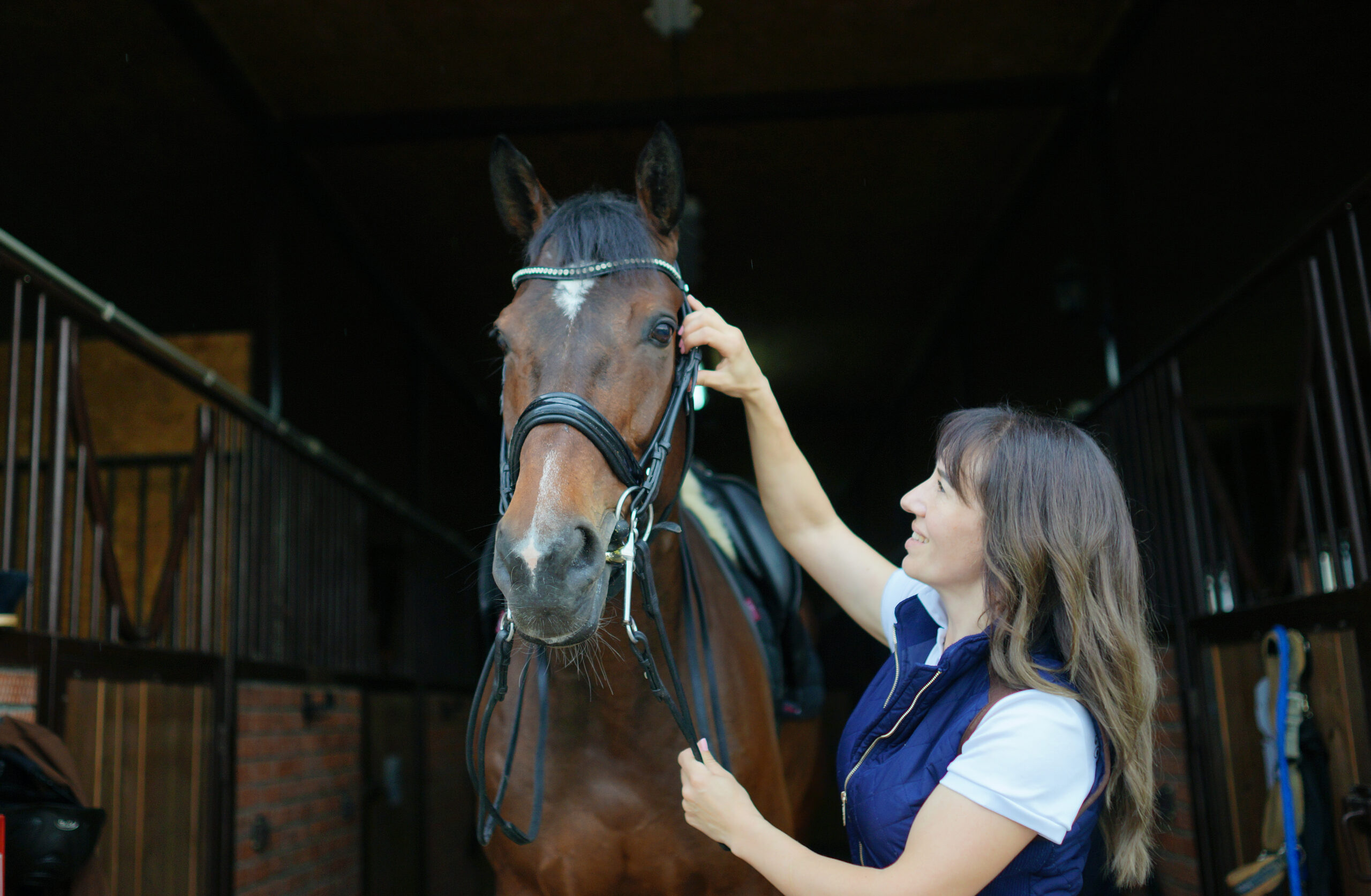
Margie Engle, a seasoned competitor, emphasizes the critical role of physical fitness in maintaining riding prowess. "If you can stay physically fit enough and don’t have too many injuries, you can keep going for as long as possible in our sport," she stated. "The horses do a lot of the work, but riders still have to be very fit to ride correctly. That’s why we definitely have to do a lot more working out than when we were younger." This sentiment highlights a growing awareness among elite athletes that while the partnership with the horse is paramount, the rider’s own physical resilience and strength are increasingly vital components of success, particularly as the body undergoes natural changes.
Coping with Hormonal Fluctuations and Their Impact on Performance
The transition through perimenopause and menopause can introduce a spectrum of physical and psychological symptoms that may impact an equestrian’s ability to train and compete. These can range from mild discomfort to debilitating effects that interfere with daily life and athletic pursuits. For women competing under international equestrian federation (FEI) rules, medical interventions such as hormone replacement therapy (HRT) are generally permissible and do not fall under the World Anti-Doping Agency’s (WADA) prohibited list. Estrogen and progesterone, commonly prescribed for menopausal symptom management, are permitted both in and out of competition, offering a viable avenue for managing the physiological effects of hormonal shifts.
Testosterone therapy, however, is subject to stricter regulations. As an anabolic agent, it is prohibited by WADA. Riders requiring testosterone therapy must apply for a Therapeutic Use Exemption (TUE) through their national anti-doping agency, such as the U.S. Anti-Doping Agency (USADA), before competing under FEI rules. For the majority of women navigating menopause, standard HRT does not necessitate such exemptions.
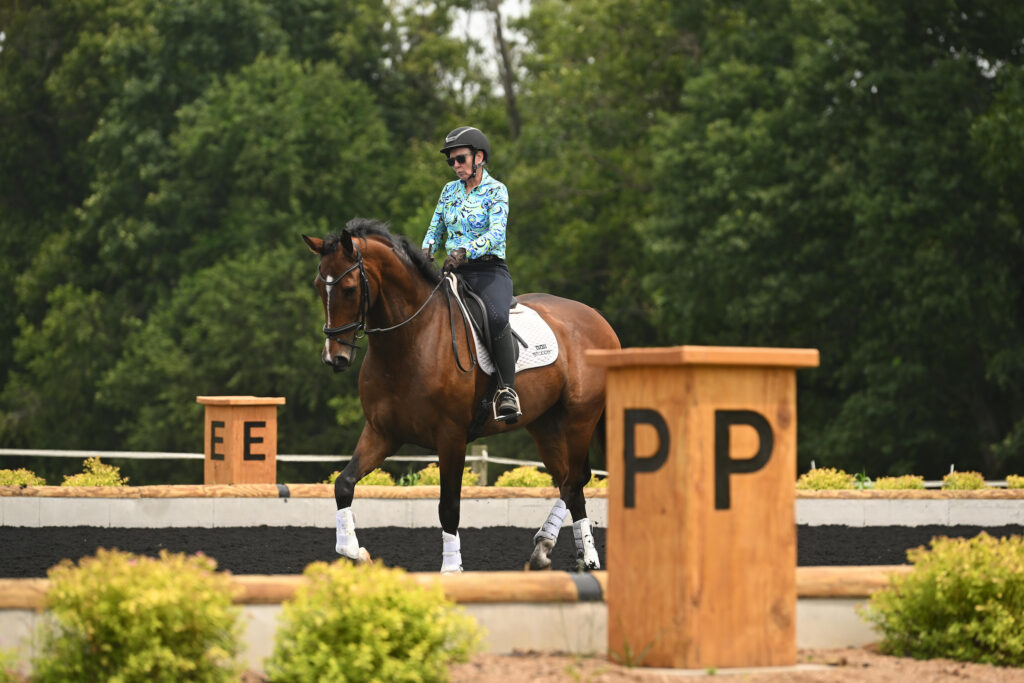
Margie Engle, while fortunate to have experienced minimal severe symptoms that affected her show jumping career, proactively addresses bone health, a common concern during menopause. "As women get older, we’re at greater risk of osteopenia, so I’m on different supplements for bone density and strength," she explained. "With riding, you definitely want your bones as strong as possible as you get older." This proactive approach to bone health is crucial, as the repetitive impact and demands of riding can place significant stress on the skeletal system.
Tamie Smith, a 52-year-old eventer who made history with her 2023 Kentucky Three-Day Event CCI5* victory, acknowledges the physiological differences between male and female athletes in terms of strength. While she champions equestrianism as a sport where skill and experience, not just brute strength, are paramount and allow for equal competition between genders, she also recognizes the need for enhanced physical preparation. "No matter how much we work out as women, we have to face the fact that men are naturally physically stronger than we are," Smith stated. "And if you’re galloping around a five-star cross-country track and aren’t on a Thoroughbred, strength matters." Her comment underscores the reality that while equestrians of all genders can achieve elite status, women may need to focus more intensely on strength training to compensate for inherent physiological differences, especially in disciplines like eventing where raw power and stamina are critical.
Adapting Fitness Regimens for Peak Performance
The demands of equestrian sports necessitate a comprehensive fitness approach that extends beyond time spent in the saddle. Elite riders are increasingly integrating targeted training programs to enhance strength, flexibility, endurance, and injury prevention. Lauren Chumley, a Grand Prix dressage rider in her early 40s, dedicates herself to the gym three to four times a week, working with a trainer to ensure she maintains optimal physical condition. "If riding is the only exercise you do, you’ll start to get overdeveloped muscle groups, so I find it’s important to do other things physically, too," she notes. Her consistent training regimen has been instrumental in her ability to manage previous injuries and maintain stamina, allowing her to perform at a high level throughout demanding competition schedules.
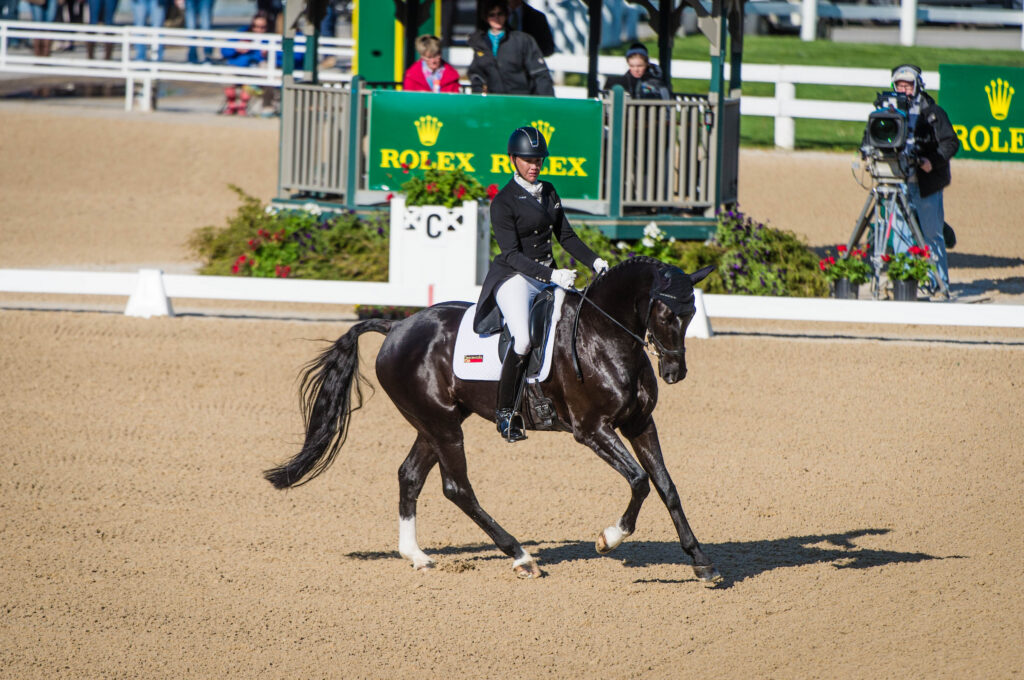
Chumley’s experience highlights the importance of a balanced fitness routine. While the intricate movements of dressage, particularly the demanding sitting trot required at FEI levels, place significant strain on core muscles and stability, off-horse training is vital for preventing imbalances and building resilience. Her ability to continue riding demanding horses well into the evening without excessive fatigue is a direct result of her commitment to cross-training.
Margie Engle’s fitness routine is equally diverse, incorporating exercises to maintain stamina, muscle strength, and flexibility, and importantly, to manage chronic pain. Having sustained numerous injuries throughout her career, including fractures to her collarbone, neck, and back, Engle has meticulously followed the rehabilitation exercises prescribed by her physical therapists. "They gave me exercises to work on at home and to do when I’m on the road showing. That makes it easy to stick to a routine because I don’t have to go to a specific gym. I can do them pretty much anywhere," she shared. Her regimen includes weight training with free weights and exercise bands, extensive walking, and stationary cycling. "I for sure work out a lot more now than I did when I was younger," she admitted.
Swimming has also emerged as a valuable low-impact exercise for riders, particularly for injury recovery and joint health. Engle advocates for swimming, stating, "A lot of my doctors had me do swimming exercises to come back from my injuries. It takes the weight off any injured joints or soft tissues, promotes circulation and keeps you moving without making anything worse." This approach aligns with the growing understanding that diverse forms of exercise can offer targeted benefits for the specific physical demands of equestrianism.
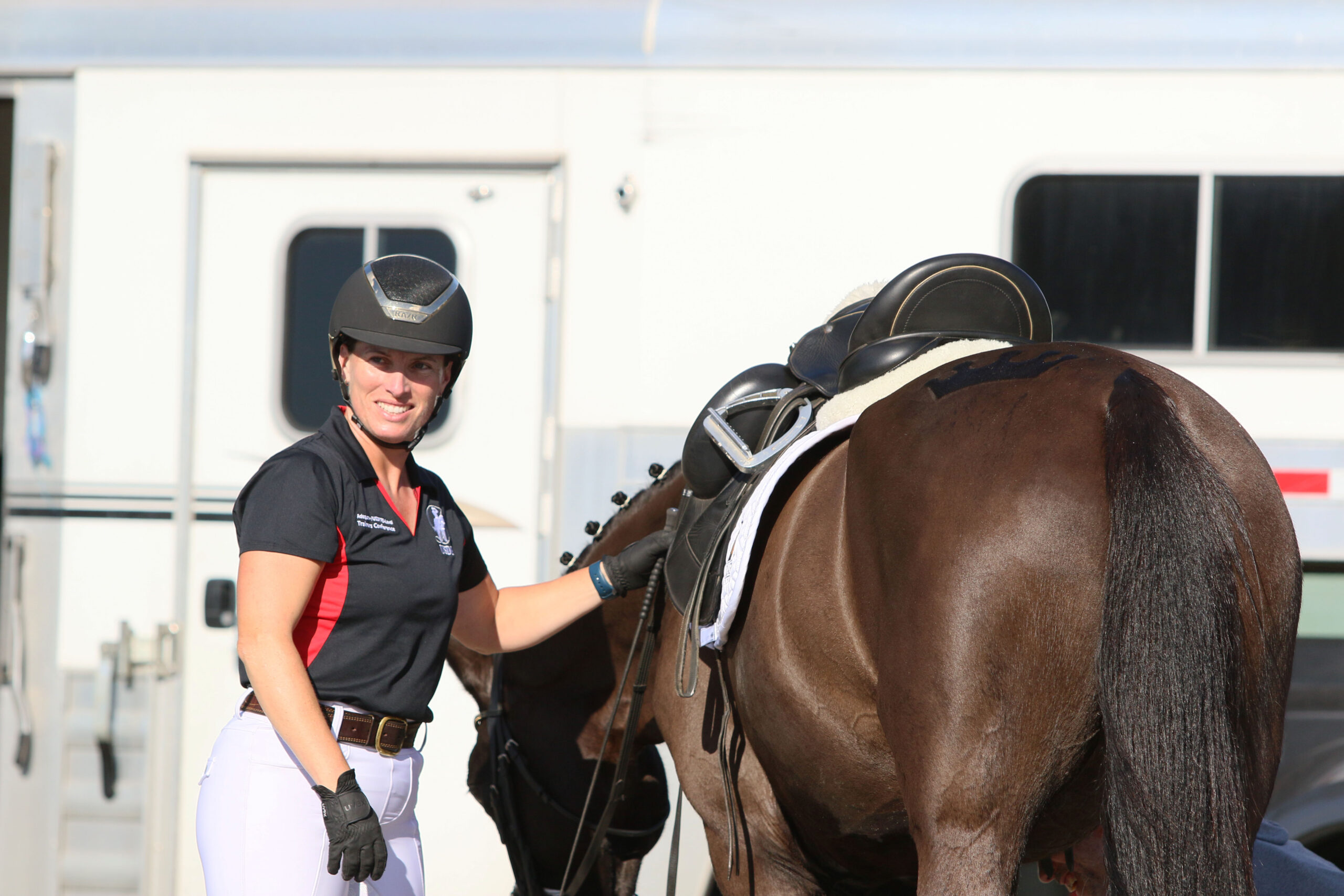
Laine Ashker, a 42-year-old Grand Prix dressage rider and five-star eventer, emphasizes the necessity of maintaining peak physical condition as she ages. Her chosen method, Orangetheory, is a comprehensive 1-hour workout combining heart rate-based interval strength and cardio training. "It’s an incredible workout, especially for riders because it combines a lot of core work with endurance and strength training," she explained. Ashker, who is unique in competing at the highest levels in both dressage and eventing, has found this training has significantly improved her ability to maintain a stable position over challenging jumps, crucial for navigating the demanding courses of eventing.
Beyond targeted fitness, Ashker also incorporates hot vinyasa yoga and yoga nidra into her routine to combat the stiffness that can arise from long hours in the saddle. "Yoga originated in India to help young warriors mentally prepare themselves for battle. So, it’s a great practice that’s been very beneficial for me," she said. This practice has not only improved her flexibility but also her mental fortitude, enabling her to manage discomfort and maintain focus during high-pressure competition moments. Ashker’s philosophy extends to all riders, emphasizing that fitness is not about achieving a certain physique but about being physically capable of performing one’s role effectively for the horse.
Allison Springer, a 52-year-old five-star eventer, has similarly increased her focus on strength training to preserve muscle mass, which is crucial for the demanding nature of eventing. While she maintains a consistent routine of riding her Peloton bike and practicing yoga, she identifies strength training as paramount. "When I started to feel fatigued after riding a lot of my upper-level horses every day, it was more my strength than cardio. You have to be fit and strong to stay focused. If you can’t focus, it’s almost impossible to do your job for your horse," Springer articulated. Her experience highlights how strength training directly translates to improved focus and performance in the saddle.
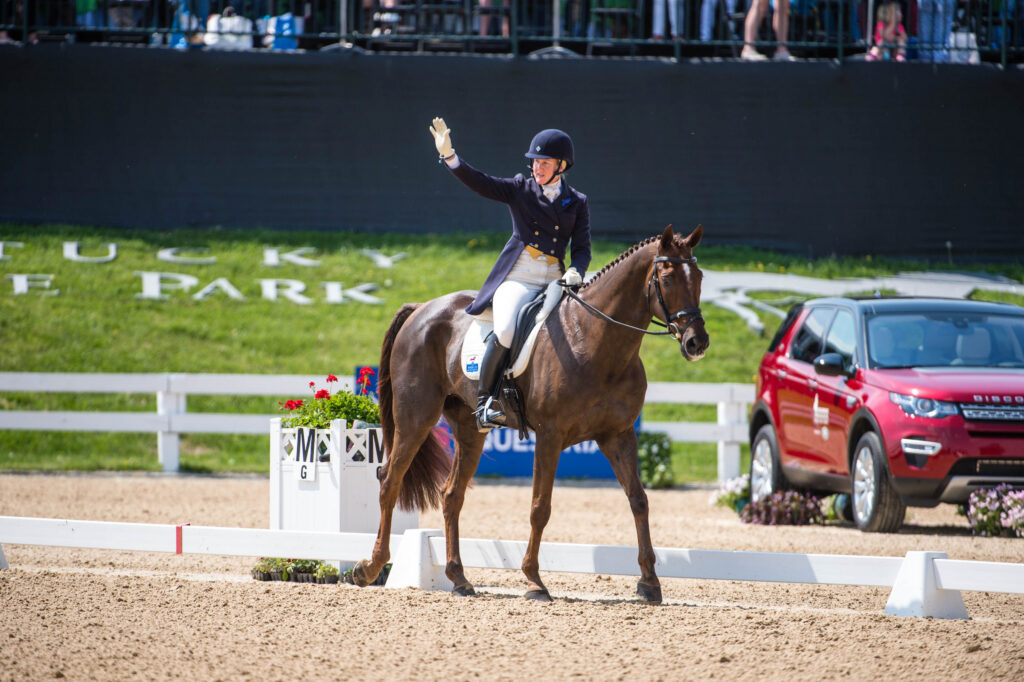
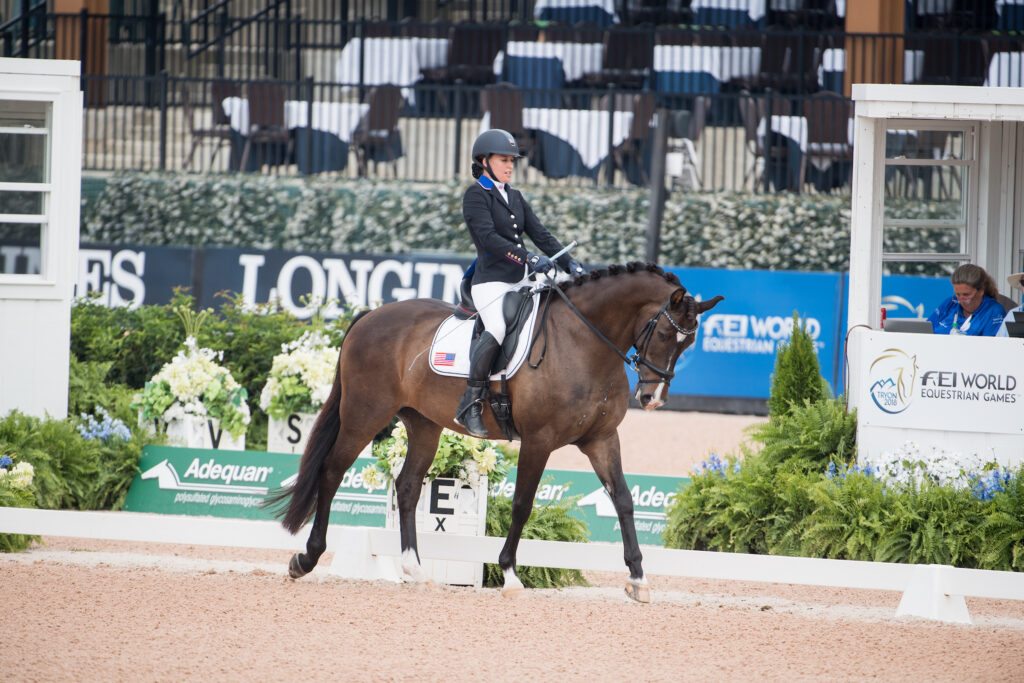
Paralympian Rebecca Hart, who has familial spastic paraplegia, a progressive condition affecting muscle function, maintains a rigorous fitness regimen to manage her physical capabilities. At 41, she finds that regular exercise, including swimming and consistent riding, is essential for maintaining muscle mass, which is more challenging to rebuild once lost. "Like anyone, that was considerably easier to do at 20 than it is at 40," Hart remarked. Her dedication to fitness is not only for athletic performance but also a critical component of managing her condition.
Embracing a Healthier Lifestyle and Accepting Change
Beyond specific exercise routines, elite equestrians are increasingly adopting a holistic approach to health and wellness, recognizing the interconnectedness of diet, sleep, stress management, and recovery. Margie Engle now places greater emphasis on nutrition, hydration, and adequate sleep, influenced by her husband’s disciplined lifestyle as an equine veterinarian. This focus on lifestyle factors is particularly important for Engle, who manages a chronic condition, chronic active Epstein-Barr virus (CAEBV), which can be triggered by stress and compromised immunity. Her awareness of her body’s signals and her commitment to stress reduction and sleep are vital for preventing flare-ups and maintaining her ability to ride.
Engle also points out that the daily activities inherent in equestrianism – grooming, tacking up, and barn chores – provide a foundation of low-intensity physical activity that contributes to overall health. "Moving as much as possible is the key ingredient as you age. If you stay still for too long everything kind of seizes up much faster when you’re older," she observed. Her use of wearable technology to monitor activity levels and alert her to prolonged sedentary periods further illustrates this commitment to constant movement. She likens this approach to caring for older horses, emphasizing the benefits of consistent movement for joint health, circulation, and muscle function.
Recovery and therapeutic interventions are also integral to the wellness strategies of these athletes. Engle utilizes post-workout and riding recovery therapies, including PEMF (Pulsed Electromagnetic Field) therapy for muscle soreness and magnetic wave therapy for circulation. Epsom salt baths and arnica are also incorporated for muscle relief and relaxation. She and her husband also engage in ultrasound therapy with their physical therapist and utilize specialized back braces for support, acknowledging the cumulative impact of riding on the spine.
Aviva Nebesky, a dressage trainer and cohost of the Dressage Today Podcast, at 68, offers a perspective on aging in equestrianism that emphasizes acceptance and adaptation. "I’m just muddling along and accepting that some things are more challenging as we age—and also accepting that I no longer have the drive to achieve what I used to want," she shared. Nebesky’s approach focuses on continuing to enjoy horses while adjusting riding goals to accommodate the natural changes that come with age. This philosophical shift is as crucial as physical conditioning, fostering a sustainable and joyful relationship with the sport.
Key Strategies for Navigating Midlife as an Equestrian
Based on the experiences of these accomplished athletes, several key strategies emerge for equestrians navigating the challenges of middle age:
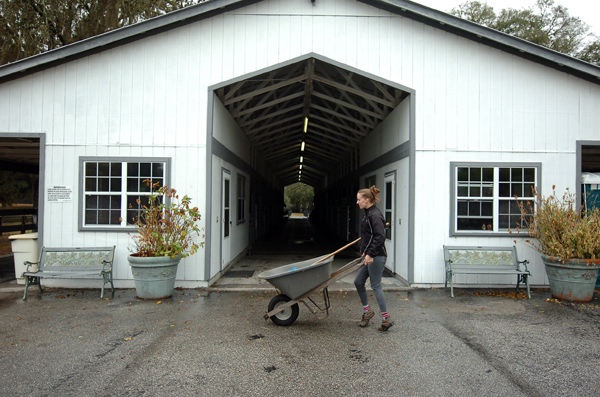
1. Prioritize Consistent Movement: For individuals with desk jobs or prolonged periods of sitting, integrating frequent movement throughout the day is crucial. Short bursts of activity, often termed "exercise snacks," can help counteract the tightening of muscles like hip flexors, hamstrings, and quadriceps, which are vital for riding. Simple actions like standing up and walking around every hour can prevent stiffness and maintain the suppleness required in the saddle. Barn chores and everyday activities contribute significantly to this overall movement, keeping the body active and engaged.
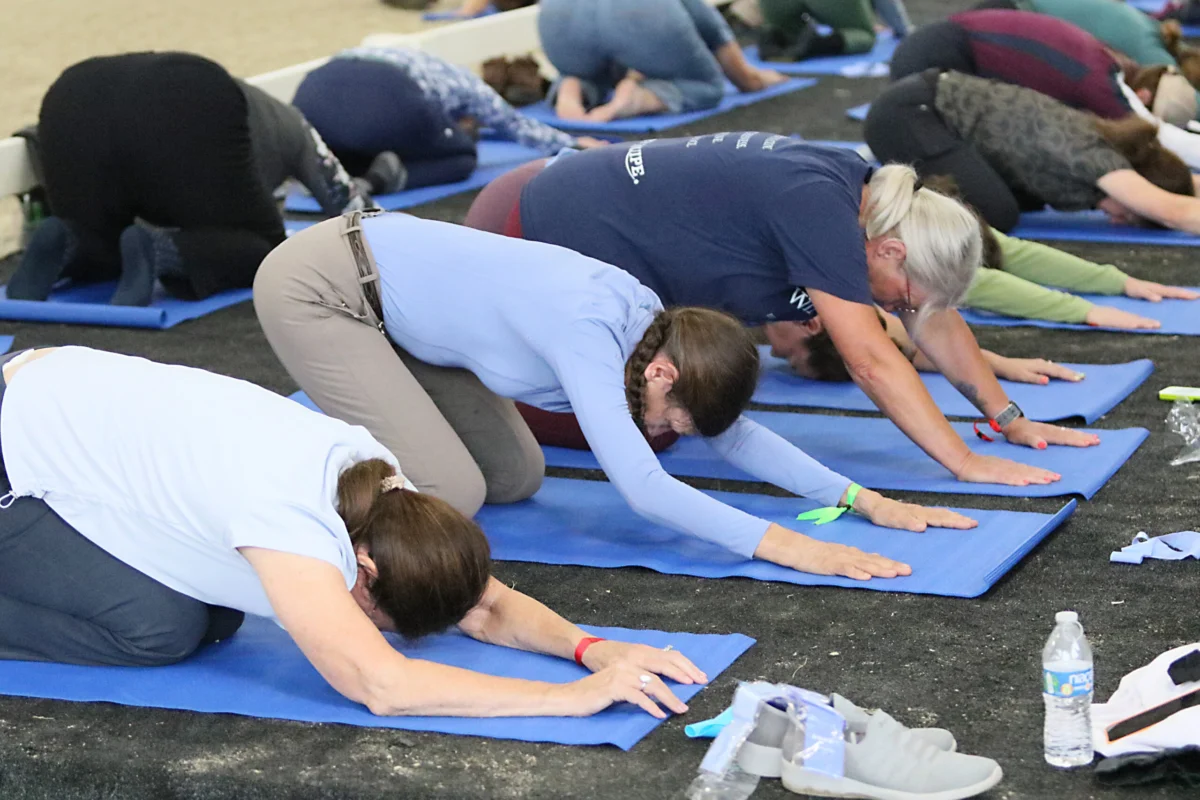
2. Embrace Stretching and Flexibility: As bodies age, flexibility can decrease, yet suppleness in the saddle is paramount for effective riding. Practices like yoga and Pilates are highly recommended for counteracting the tension and stiffness that can result from repetitive motions and prolonged static positions in riding. These disciplines help to open deep muscles in the hips and back, promoting better posture and reducing the risk of injury. Balancing overused and underused muscle groups through targeted stretching is essential.
3. Actively Manage Chronic Stress: The demands of modern life, often involving careers, family, and equestrian pursuits, can lead to chronic stress, which negatively impacts physical and mental well-being. Incorporating dedicated relaxation techniques is vital. Slow-paced walking, particularly in nature (shirinyoku or "forest bathing"), has been shown to lower cortisol levels and complement other forms of exercise. Warm baths, saunas, and scheduled rest periods are also effective tools for stress management, helping to mitigate the hormonal and physiological effects of sustained stress.

4. Be Prepared to Adapt and Evolve: While consistency in training is important, recognizing when a routine is no longer serving your body is equally critical. Hormonal shifts during midlife can alter how the musculoskeletal system functions. Athletes must be attuned to their body’s signals and be willing to reassess and modify their fitness programs accordingly, potentially every few years. This adaptive approach ensures continued progress and injury prevention, allowing for sustained enjoyment and performance in equestrian sports.
By embracing these strategies, equestrians can not only navigate the physical and hormonal changes of middle age but can continue to thrive, finding fulfillment and success in their passion for horses for years to come. The journey through midlife as an equestrian is not one of decline, but rather of evolution, adaptation, and a deeper understanding of one’s own physical and mental capabilities.







