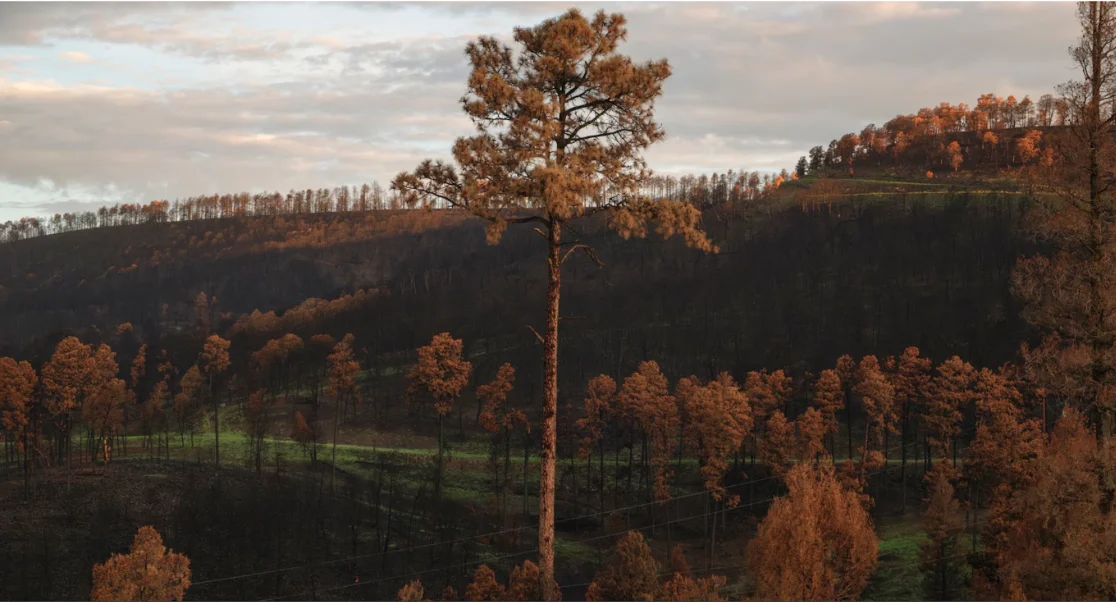
The picturesque village of Ruidoso, a scenic community of nearly 8,000 residents nestled in the mountains of southern New Mexico, finds itself caught in the merciless grip of an enduring and escalating double-barreled disaster. What began in mid-June with two colossal wildfires, the South Fork and Salt Fires, which collectively scorched over 25,000 acres, obliterated nearly 1,000 homes, and claimed the lives of two individuals, has rapidly devolved into a new and equally terrifying threat. Since June 21, and on at least eight subsequent occasions through late July, including a particularly severe event on Saturday, July 20, torrential floodwaters have cascaded down the denuded mountainsides, inundating the very village that had just begun to breathe after the flames. This catastrophic sequence of events serves as a stark illustration of a worst-case scenario, one that scientists warn is likely to become increasingly frequent as extreme weather phenomena intensify across the American West, driven by the accelerating pace of climate change.
The Blaze Unleashed: A Chronology of Destruction
The seeds of Ruidoso’s current predicament were sown in the exceptionally hot and dry conditions that characterized New Mexico’s early summer. Years of drought, exacerbated by rising global temperatures, had primed the landscape for intense wildfires. The region, heavily forested with Ponderosa pine and mixed conifer stands, was a tinderbox, awaiting a spark.
- June 17, 2024: The South Fork Fire Ignites
The first devastating inferno, dubbed the South Fork Fire, ignited on June 17, originating on the Mescalero Apache Reservation northwest of Ruidoso. Fanned by strong winds and fueled by parched vegetation, the fire spread with alarming speed, quickly moving towards the village. - June 18, 2024: Salt Fire Emerges, Mass Evacuations Ordered
Just hours after the South Fork Fire began its rampage, a second, equally ferocious blaze, the Salt Fire, erupted south of Ruidoso, also on the Mescalero Apache Reservation. With both fires converging on the community, authorities swiftly issued mandatory evacuation orders for Ruidoso and surrounding areas, including parts of the Mescalero Apache Reservation. Approximately 8,000 residents of Ruidoso, along with thousands more from nearby communities, were forced to flee their homes with little notice, creating a massive logistical challenge for emergency services. State highways, including US-70 and US-48, were closed, effectively isolating the area and impeding escape routes for some. - June 19-20, 2024: Fires Ravage Homes and Claim Lives
In the ensuing days, both fires exploded in size, consuming vast tracts of forest and encroaching directly into residential areas. The South Fork Fire, the larger of the two, ultimately engulfed over 17,500 acres, while the Salt Fire consumed more than 7,000 acres. The sheer intensity and speed of the blazes left little time for residents to salvage belongings. Initial damage assessments painted a grim picture, with nearly 1,000 structures, predominantly homes, confirmed destroyed across both fire zones. Tragically, two lives were lost, underscoring the immediate and lethal danger posed by the infernos. Firefighters from multiple agencies, including the U.S. Forest Service, state crews, and local departments, battled the relentless flames, facing extreme conditions and challenging terrain. - Late June 2024: Containment Efforts and Lingering Scars
By late June, a combination of intensive firefighting efforts and a shift in weather patterns brought a measure of containment to the fires. While the immediate threat of further spread diminished, the landscape left behind was one of utter devastation – charred earth, skeletal trees, and the indelible scars of a catastrophic event. However, this temporary reprieve was short-lived, as a new and insidious danger loomed on the horizon.
From Fire to Flood: The Perilous Transition
The transition from extreme drought and wildfire to intense rainfall and flooding is a phenomenon increasingly observed in regions impacted by climate change. For Ruidoso, the timing of the fires, just as New Mexico’s annual monsoon season was set to begin, created a uniquely perilous situation.
-
The Science of Burn Scar Flooding
Wildfires dramatically alter the natural landscape, fundamentally changing the way water interacts with the terrain. The intense heat from a severe blaze can bake the soil, creating a hydrophobic layer that repels water rather than absorbing it. This effect is often described as turning the ground into a "giant plastic sheet." Additionally, the fires strip hillsides of their protective vegetation – trees, shrubs, and grasses – which normally intercept rainfall, slow its descent, and hold soil in place. Without this natural sponge and barrier, rainwater flows unimpeded across the scorched surface, gaining velocity and volume. As Andrew Mangham, a hydrologist with the National Weather Service, succinctly put it, the mountainsides were left "covered with ash and tree trunks that would tumble down at the slightest invitation," illustrating the extreme instability of the post-fire environment.
This phenomenon, known as burn scar flooding, elevates the risk of flash floods and debris flows for an extended period, often five years or more, until significant vegetation regrows and the soil structure begins to recover. The ash and loose sediment left by the fires mix with the rushing water, forming dangerous, fast-moving slurries of mud, rock, and charred debris that can engulf everything in their path. -
Monsoon Season’s Deadly Embrace
New Mexico’s monsoon season typically runs from mid-June through September, bringing much-needed rainfall to the arid landscape. However, in a burn-scarred environment, what would normally be beneficial rain becomes a severe threat. Warming global temperatures contribute to more moisture-laden air, meaning that when storms do occur, they can be more intense, dropping greater volumes of rain in shorter periods. This was precisely the scenario that unfolded in Ruidoso. The fires had barely been brought under control when the first monsoon storms arrived, transforming what might have been normal rainstorms into supercharged flash floods. The village’s topography, nestled in a valley surrounded by steep slopes, further exacerbated the risk, funneling the destructive torrents directly into populated areas.
A Deluge of Disasters: The Flood Events

Beginning just days after the peak of the wildfires, Ruidoso has endured a relentless series of flash flood events, each compounding the damage and trauma inflicted by the fires.
- June 21, 2024: The First Deluge
The first significant flash flood struck Ruidoso on June 21, mere days after the fires had swept through. Residents, many of whom had just returned to inspect their damaged properties, were confronted with a new emergency. Water surged through neighborhoods, carrying ash, mud, and debris, further damaging homes and infrastructure that had survived the flames. - Recurrent Flooding and Its Immediate Aftermath
Since that initial event, Ruidoso has experienced at least seven more flash floods through late July, with some of the most severe occurring on consecutive days. Each new downpour sends torrents of water, mud, and debris cascading down the mountains. Roads that had been cleared of fire debris are now blocked by mudslides. Bridges are compromised, culverts are clogged, and the village’s drainage systems are overwhelmed. The recurring floods have not only hindered recovery efforts but have also created a constant state of anxiety and fear among residents. Many are now facing a double loss – homes destroyed by fire, then further damaged or made inaccessible by floods. The sheer volume of debris, including charred logs and boulders, carried by the floodwaters poses an existential threat to remaining structures and public safety. Emergency services, already stretched thin by the wildfire response, are continuously engaged in rescue operations, road clearing, and damage assessment after each flood event.
The Human and Economic Toll
The cumulative impact of the wildfires and subsequent flooding on Ruidoso has been devastating, exacting a profound human and economic toll that will reverberate for years.
- Lives Disrupted, Livelihoods Threatened
The loss of two lives to the wildfires cast a somber shadow over the initial phase of the disaster, a stark reminder of the fires’ lethal power. Beyond this tragic loss, thousands of residents have been displaced, some permanently. Nearly 1,000 homes were completely destroyed, turning entire neighborhoods into desolate landscapes of ash and twisted metal. For many, these homes represented their life savings and their sense of security. The psychological trauma of fleeing rapidly advancing flames, the anguish of losing everything, and now the relentless threat of recurring floods, weigh heavily on the community. Shelters, established during the evacuations, continue to provide refuge for those with nowhere else to go, while temporary housing solutions are desperately needed.
Ruidoso, known for its scenic beauty and outdoor recreation, is a popular tourist destination, particularly during the summer months. The fires and floods struck at the peak of the tourist season, bringing the local economy to a grinding halt. Businesses, from hotels and restaurants to retail shops and guide services, rely heavily on visitor traffic. With roads closed, attractions inaccessible, and the village in crisis, the economic fallout is immense. Lost revenue, damaged infrastructure, and the costs of rebuilding pose an existential threat to many local enterprises, jeopardizing countless jobs and the very fabric of the community’s economy.
Official Responses and Aid Efforts
The scale of the disaster in Ruidoso has necessitated a multi-tiered response from local, state, and federal authorities, along with an outpouring of support from non-profit organizations and volunteers.
- Local and State Mobilization
From the moment the fires ignited, local authorities in Ruidoso and Lincoln County swiftly mobilized emergency services, coordinating evacuations and establishing command centers. Mayor Lynn Crawford and other local officials have been at the forefront, providing updates, expressing solidarity with affected residents, and appealing for assistance. Governor Michelle Lujan Grisham of New Mexico declared a state of emergency for Lincoln County and the Mescalero Apache Reservation almost immediately after the fires broke out, freeing up state resources and paving the way for federal aid. The New Mexico National Guard was deployed to assist with evacuations, security, and logistical support. State agencies, including the Department of Homeland Security and Emergency Management, the Energy, Minerals and Natural Resources Department (which oversees forestry and fire management), and the Department of Transportation, have played critical roles in fire suppression, road clearing, and assessing damage. - Federal Assistance and Long-Term Recovery
The severity of the disaster prompted a swift response from federal agencies. The U.S. Forest Service took the lead in coordinating fire suppression efforts, deploying numerous hotshot crews, air tankers, and ground resources. The Federal Emergency Management Agency (FEMA) has been actively involved, providing assistance to individuals and communities impacted by the fires and floods. This includes support for temporary housing, home repairs, and other critical needs. The U.S. Geological Survey (USGS) and the National Weather Service (NWS) have provided crucial scientific expertise, issuing flood warnings, monitoring hydrological conditions, and assessing the risk of debris flows. The long-term recovery effort will require sustained federal investment, particularly in rebuilding infrastructure, mitigating future flood risks, and supporting the economic revitalization of Ruidoso. Non-profit organizations, such as the American Red Cross and local community foundations, have also played a vital role, providing shelter, food, and emotional support to displaced residents, and coordinating donations for relief efforts.
Climate Change: The Overarching Threat
The dual disaster unfolding in Ruidoso is not an isolated incident but rather a potent manifestation of broader trends linked to global climate change. Scientific consensus is unequivocal: a warming planet is intensifying weather extremes, making events like Ruidoso’s fires and floods more frequent and severe.
- The Intensifying Cycle of Extremes
Studies overwhelmingly suggest that climate change is increasing the risk of severe rainfall occurring in the immediate aftermath of wildfires. This "whiplash" effect, swinging from extreme drought and fire to extreme precipitation and flooding, is becoming a hallmark of the American West. Increasingly hot and dry conditions, driven by rising global temperatures, create ideal environments for fiercer, faster-spreading, and more destructive wildfires. These fires burn larger areas and at higher intensities, leaving behind more extensive and severely altered burn scars. Simultaneously, a warming atmosphere holds more moisture. For every 1 degree Celsius (1.8 degrees Fahrenheit) of warming, the atmosphere can hold approximately 7% more water vapor. This means that when atmospheric conditions align for precipitation, the resulting storms can be far more intense, dropping significantly larger volumes of rain in shorter periods, leading to flash floods of unprecedented severity, especially over denuded landscapes. - Hydrological Impacts and Future Projections
The hydrological impacts of climate change are complex and far-reaching. Beyond the immediate risk of burn scar flooding, altered precipitation patterns can lead to shifts in snowpack accumulation and melt, impacting water availability for communities and ecosystems. The Ruidoso scenario, where intense monsoon rains interact with a landscape stripped bare by fire, represents a dangerous convergence of these trends. Experts predict that such events will become more common across the Southwest and other fire-prone regions globally. This necessitates a fundamental re-evaluation of land management practices, urban planning, and emergency preparedness strategies. The five-year-plus elevated flood risk for burn scar areas underscores the long-term nature of this challenge, requiring sustained vigilance and investment in mitigation measures.
Long-Term Implications and Resilience
The road to recovery for Ruidoso will be arduous and protracted, spanning years, if not decades. The implications extend beyond the immediate physical damage, touching upon environmental integrity, community well-being, and the urgent need for adaptation.
- Rebuilding a Community and Ecosystem
Rebuilding homes and infrastructure is only one part of the challenge. The ecological recovery of the surrounding forests will take decades. Soil erosion, exacerbated by the floods, threatens long-term land stability and water quality, as ash and sediment can contaminate rivers and reservoirs, impacting drinking water supplies and aquatic ecosystems. Wildlife habitats have been decimated, forcing animals to relocate or perish. The community itself faces the daunting task of healing and rebuilding its social fabric. Efforts will focus on providing mental health support, facilitating long-term housing solutions, and restoring the economic vitality of the village through sustainable tourism and diversified economic development. This will require not just financial aid but also sustained community engagement and collaborative planning. - Lessons for Future Preparedness
The Ruidoso disaster serves as a stark lesson in the interconnectedness of climate-driven hazards and the critical need for enhanced preparedness and resilience. It highlights the imperative for integrated disaster planning that considers the sequential and compounding nature of extreme events. This includes improving early warning systems for both fires and floods, investing in forest management practices that reduce wildfire risk (such as controlled burns and thinning), developing robust flood mitigation infrastructure (like retention basins and improved drainage), and fostering greater community awareness and preparedness for evacuations and emergencies. The experience in Ruidoso underscores that in a changing climate, communities must anticipate and adapt to a future where "normal" weather patterns are increasingly disrupted, and the "worst-case scenario" becomes a recurring reality. The resilience of the people of Ruidoso will be tested, but their experience will undoubtedly offer invaluable insights for other communities facing similar threats in a rapidly warming world.