Establishing a successful horse farm is a complex endeavor that requires meticulous planning, extending far beyond the immediate needs of the animals themselves. As a continuation of a previous discussion on general farm planning, this article delves into the critical aspect of environmental considerations, emphasizing that the success of a horse operation hinges on aligning the farm’s design and function with the existing environment, rather than attempting to force the environment to conform to an ill-suited operation. The foundational principle, as articulated by agricultural experts, is that "You can’t make a farm fit the environment; the environment must fit the farm operation you want." This axiom underscores the necessity of a thorough environmental assessment before any significant investment is made.
Climate: A Paramount Consideration
The suitability of the local climate is a primary determinant of a horse farm’s viability and the types of operations it can support. Prospective farm owners must critically evaluate the prevailing climatic conditions and anticipate potential abnormalities that could impact their enterprise. This includes assessing the risks and management strategies required for excessive rainfall, prolonged droughts, severe storms, and extreme temperature fluctuations.
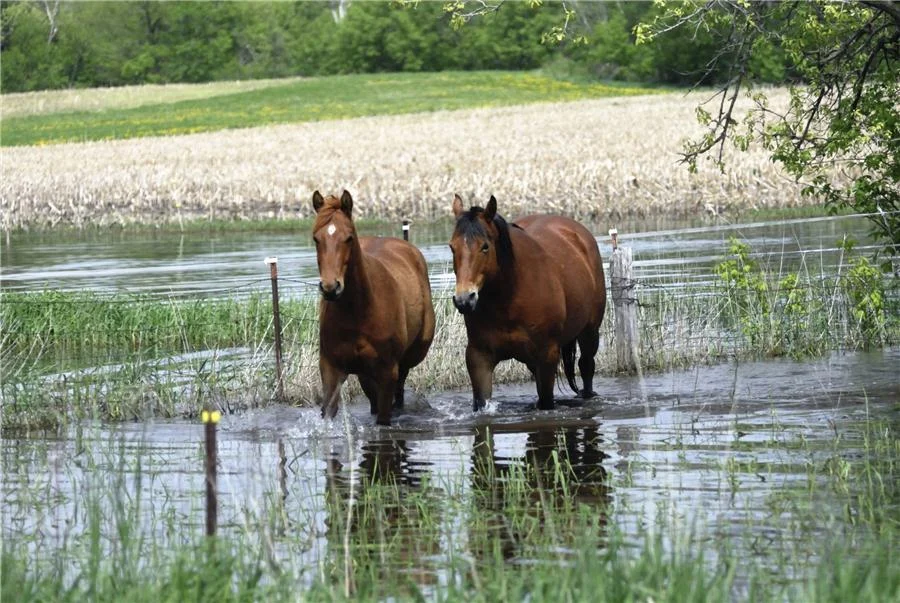
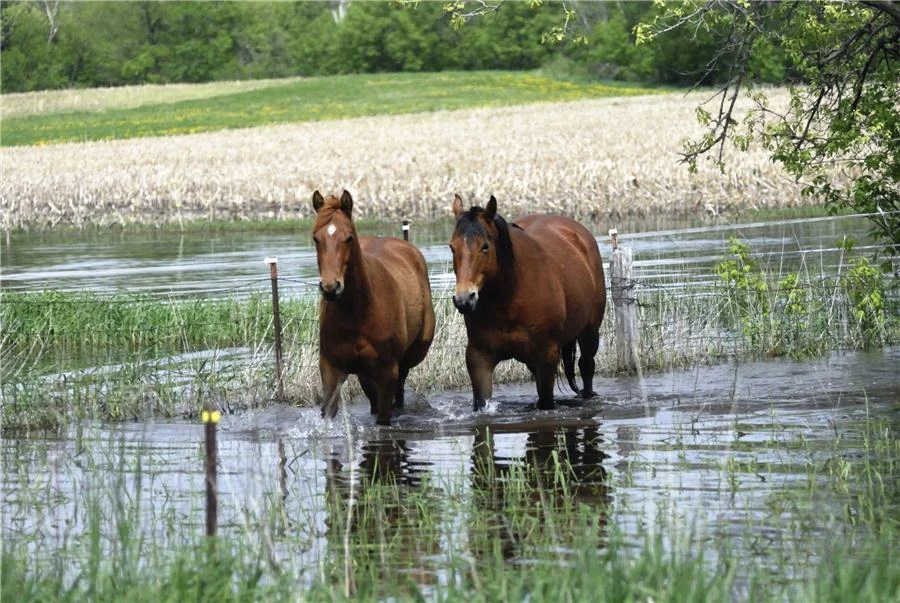
For instance, regions prone to heavy rainfall may necessitate robust drainage systems, elevated stable areas, and well-maintained arenas to prevent waterlogged paddocks and muddy conditions that can lead to hoof ailments like thrush and exacerbate respiratory issues in horses. Conversely, arid climates require diligent water management strategies, including the identification of reliable water sources, consideration of drought-resistant pasture species, and potentially the implementation of shade structures to protect horses from intense solar radiation.
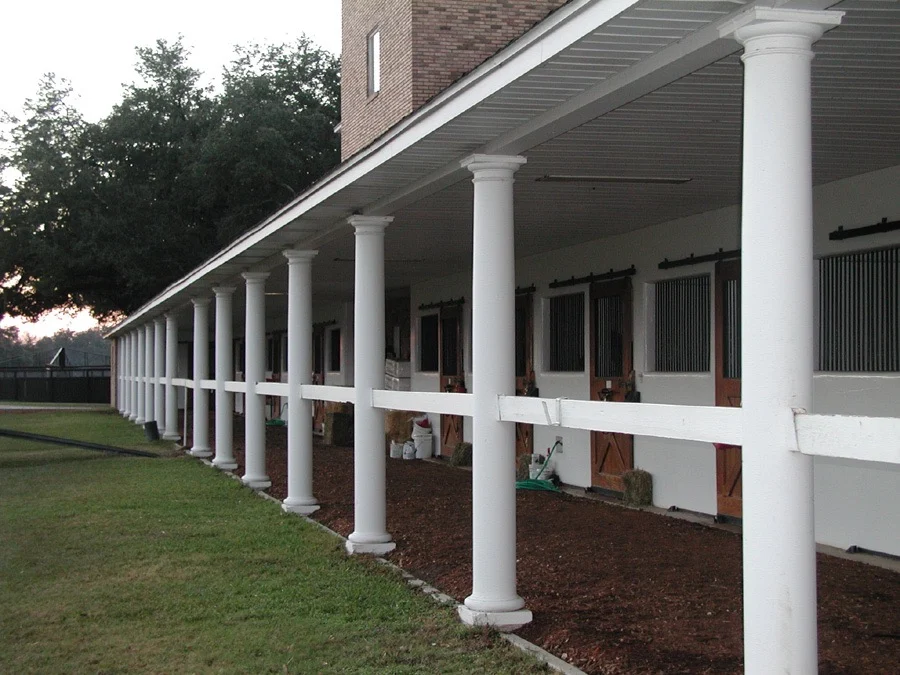
Storm-prone areas, such as those susceptible to hurricanes or tornadoes, demand specialized infrastructure. This might involve reinforced barn construction, secure fencing designed to withstand high winds, and comprehensive emergency evacuation plans for the horses. The presence of consistent high winds can also pose challenges, affecting pasture quality, increasing dust and debris in the air, and requiring sheltered areas for horses. Understanding these climatic nuances allows for proactive mitigation and the selection of breeds or disciplines that are best adapted to the local conditions.
Geography and Soil: The Foundation of Pasture and Infrastructure
The geographical characteristics of a property are intrinsically linked to its suitability for a horse farm. The topography, soil type, and geological features all play a crucial role in pasture management, drainage, and the feasibility of constructing necessary farm infrastructure.
Rocky or hilly terrain can present significant challenges for grazing, making it difficult to establish and maintain consistent pasture. Such conditions may necessitate supplementary feeding programs and limit the carrying capacity of the land. Sandy soils, while often well-draining, can be less fertile and prone to erosion, requiring careful management to prevent nutrient loss and maintain vegetative cover. Swampy or marshy areas pose obvious risks of boggy ground, which can be detrimental to horses’ hooves and increase the likelihood of parasitic infections. These areas may also require extensive drainage work or be designated as non-usable zones, impacting the overall usable acreage.
The soil’s ability to support horse-appropriate grasses is paramount. Horses require specific types of forage that are nutritious and can withstand the pressure of grazing and hoof traffic. The carrying capacity of the land – the number of horses an acre can sustainably support – is directly influenced by soil fertility, rainfall, and pasture management practices. Inadequate land per horse can lead to overgrazing, soil degradation, and increased costs for supplemental feed. Furthermore, the ability to implement pasture rotation systems, a vital component of maintaining healthy pastures and controlling parasites, depends on having sufficient acreage and appropriately divided paddocks.
The historical success of certain regions in equine development provides compelling evidence of the importance of geography. Lexington, Kentucky, for example, gained renown as a premier location for breeding Thoroughbred and Standardbred horses due to its fertile limestone-rich soil and abundant mineral-laden water sources. This unique geological composition contributes to the robust growth of high-quality forage essential for equine athletes. Similarly, Ocala, Florida, has emerged as another significant hub for horse breeding and training, largely attributed to its limestone-based soil and favorable climate. These examples highlight how specific environmental factors can create ideal conditions for particular equine disciplines, attracting a concentration of expertise and resources.
Natural Resources: Water, Drainage, and Potential Hazards
The availability and management of natural resources, particularly water, are critical for any horse farm. Natural water sources such as ponds, lakes, springs, or wells can offer a cost-effective and sustainable water supply for horses. However, these same features can also contribute to boggy ground or flooding, necessitating careful planning for fencing to keep horses away from hazardous areas and to prevent overgrazing around water bodies.
The accessibility and quality of water are non-negotiable. Beyond natural sources, access to municipal water is often a consideration. However, prospective farm owners must investigate any restrictions on water usage, which can be particularly relevant in drought-prone regions or areas with growing populations. The salinity and mineral content of available water sources should also be assessed, as certain minerals in excess can be detrimental to equine health.
Beyond water, the presence of other natural resources can influence farm design and management. For example, a property with significant woodland might offer natural shade for horses, but it also presents challenges related to fallen branches, potential for poisonous plants (like black walnut or cherry, as noted in the original text), and increased maintenance. Understanding the interplay between natural features and the needs of a horse operation is key to minimizing risks and maximizing benefits.
Infrastructure Feasibility: Building on a Suitable Base
The environmental characteristics of a property directly impact the cost and feasibility of constructing essential farm infrastructure. The soil composition, for instance, can significantly influence the expense of installing water lines, fencing, and septic systems. Rocky or compacted soils can make excavation difficult and costly, potentially requiring specialized equipment or extensive site preparation. Unstable soils may necessitate more complex foundation designs for barns and other structures, increasing building costs.
The terrain also plays a role. Steep slopes can complicate the placement of buildings, paddocks, and access roads, and may require extensive earthmoving to create level areas. Poor drainage due to low-lying areas or impermeable soil layers can lead to persistent muddy conditions around buildings and water sources, requiring significant investment in drainage solutions.
The original text highlights the difficulty of establishing a horse farm in an environment that is inherently unsuited to equine needs, such as in the middle of a desert or on a rocky cliff. While not impossible, these scenarios demand a far greater investment in infrastructure and ongoing management to overcome environmental limitations. The principle remains: the land must be able to support the intended farm operation efficiently and sustainably.
Aesthetic Value and Neighborly Relations
While perhaps less directly tied to the immediate welfare of the horses, the aesthetic value of a property and its surrounding environment can have a significant impact on its long-term success and desirability. Features like mature trees, natural watercourses, and well-maintained existing structures can enhance the appeal of a horse farm. However, these elements must be carefully evaluated for their suitability. As noted, certain trees can be toxic to horses, requiring either their removal or the implementation of protective fencing.
The condition of neighboring properties also plays a role in maintaining property value and creating a harmonious rural atmosphere. Farms that are poorly maintained or used for incompatible purposes can detract from the overall appeal and potentially create nuisances.
The Human Element: Community and Zoning
Beyond the physical environment, the "human environment" is a critical, yet often overlooked, factor in establishing a successful horse farm. The presence of a vibrant equine community in a particular area can be a substantial asset. Clusters of horse enthusiasts, breeders, and trainers often foster a supportive ecosystem of specialized services, including veterinarians experienced with equine care, farriers, tack shops, and equine insurance providers. This concentration of expertise and resources can streamline operations and provide valuable networking opportunities.
Furthermore, a strong local equine community can wield greater influence in matters of local governance, such as zoning regulations. Collective concerns regarding land use, development, and the preservation of rural character are more likely to be heard and addressed when voiced by an organized group.
Zoning regulations represent a significant hurdle that prospective farm owners must navigate. Purchasing land or an existing farm in an area experiencing encroaching urbanization or industrial development can lead to a host of problems. Increased traffic on rural roads, noise pollution, and potential environmental contamination from industrial activities can all negatively impact a horse operation. Furthermore, evolving zoning laws may restrict the types of equine activities permitted, limit the number of horses that can be kept, or impose stringent requirements on farm management. Thorough due diligence regarding current and potential future zoning is therefore essential to ensure the long-term viability of a horse farm.
The Implication of Environmental Misalignment
The overarching implication of neglecting environmental planning is the potential for significant financial and operational setbacks. Attempting to establish a horse farm in an unsuitable climate might lead to increased veterinary costs due to weather-related illnesses, higher feed expenses to compensate for poor pasture, and the need for expensive climate-control systems. Similarly, building on geologically challenging land can result in exorbitant infrastructure costs, ongoing maintenance issues, and limitations on the farm’s capacity.
The historical and geographical examples of successful horse breeding regions serve as powerful case studies, demonstrating that alignment with environmental factors is not merely a preference but a fundamental requirement for sustained success. The fertile limestone soils of Kentucky and Florida, combined with favorable climates, have created environments where equine enterprises can thrive with greater efficiency and less external intervention.
In conclusion, the decision to establish a horse farm is a profound commitment that demands a holistic approach to planning. By meticulously considering the climate, geography, natural resources, infrastructure feasibility, aesthetic considerations, and the human environment, prospective farm owners can significantly increase their chances of creating a thriving and sustainable operation that respects and leverages the inherent characteristics of its location. This proactive and informed approach, rooted in the understanding that the environment must fit the farm, is the bedrock of successful equine enterprise management.