

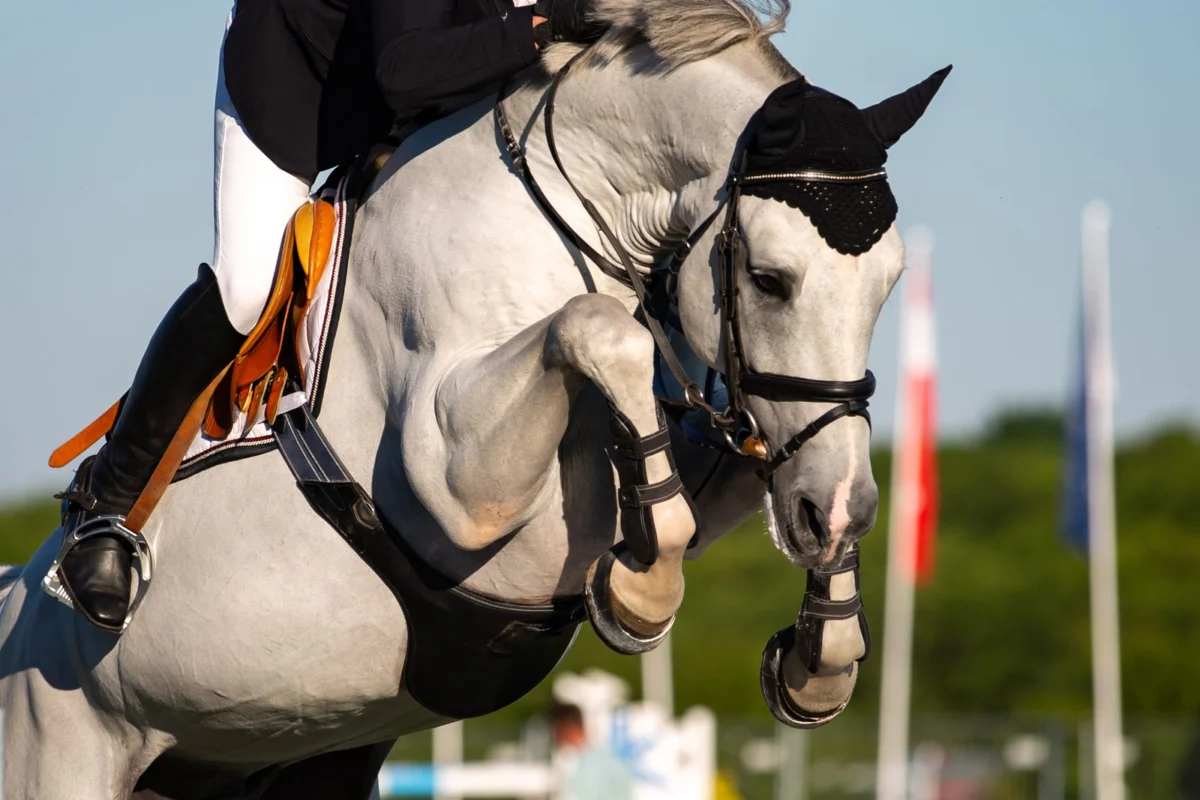
The barn is quiet, save for the rhythmic crunch of hay and the soft sigh of a horse shifting his weight in deep straw. You run your hand down the familiar neck, feeling the muscle that isn’t quite what it was, tracing the faint ridge of a scar hidden beneath the winter coat. The stall card still bears his show name, the one announcers called out in victory. Now, the biggest win is a perfectly square stance, a clean bandage change, or ten minutes of uneventful walking. This is the crucible of the comeback—a place of equal parts hope, fear, and profound patience, where the glittering goal of the in-gate feels a world away from the four walls of a rehab stall. Bringing an elite equine athlete back from a major injury—be it a tendon lesion, a complex fracture, or a debilitating bout of laminitis—is not a linear path. It’s a slow, deliberate dance guided by veterinary science, shaped by feel, and entirely dependent on a partnership that runs deeper than any competition. It’s the ultimate test of horsemanship, where listening is more important than doing, and the clock is an enemy to be ignored.
Understanding the Adversary: Common Equine Injuries and Their Genesis
Equine athletes, like their human counterparts, are susceptible to a range of injuries due to the immense physical demands placed upon them. In high-performance disciplines such as racing, show jumping, dressage, and eventing, horses routinely exert forces equivalent to several times their body weight, leading to both acute trauma and chronic overuse injuries.
Soft tissue injuries are particularly prevalent, accounting for a significant portion of lameness cases in sport horses. Studies often indicate that tendon and ligament injuries, such as those affecting the superficial digital flexor tendon (SDFT) or the suspensory ligament, represent 30-50% of all lameness diagnoses. These structures, critical for shock absorption and propulsion, are vulnerable to micro-tears and lesions that can escalate into severe damage under continued stress. For instance, a bowed tendon, a common term for SDFT injury, results from the tearing of fibers, leading to inflammation and swelling. The healing process for these structures is notoriously slow and often results in scar tissue that, while strong, may lack the elasticity of original tissue, predisposing the horse to re-injury.
Fractures, while less common than soft tissue injuries, present a more immediate and often catastrophic threat. These can range from stress fractures, which develop over time from repetitive micro-trauma and are often seen in racehorses, to complex, comminuted fractures resulting from acute incidents. Laminitis, an excruciating and potentially fatal condition involving inflammation of the sensitive laminae within the hoof, can be triggered by various factors, including metabolic disorders, systemic illness, or excessive weight-bearing on one limb (support limb laminitis). Its management requires meticulous farriery, pain control, and addressing the underlying cause. Each injury type presents unique challenges and demands a highly specialized, multi-faceted approach to rehabilitation.
The Blueprint for Recovery: Assembling the Expert Team
Before any physical recovery can begin, the single most critical decision is assembling a comprehensive and cohesive veterinary and farrier team. This isn’t about finding someone who will tell you what you want to hear; it’s about finding experts who communicate clearly, set realistic expectations, and aren’t afraid to say "no" when the horse’s welfare is at stake. A truly multidisciplinary approach often includes not only the primary veterinarian and farrier but also an equine physiotherapist, a nutritionist, and potentially a specialized surgeon or internal medicine specialist, depending on the injury.
Diagnostic imaging forms the bedrock of an effective rehabilitation plan. For significant soft-tissue injuries, advanced tools like Magnetic Resonance Imaging (MRI) or Computed Tomography (CT) scans provide unparalleled detail of internal structures, allowing for precise injury localization and severity assessment. Repeated ultrasounds at precise intervals are not an optional expense; they are the only objective way to gauge the quality of healing tissue and track progress. For bone injuries, radiography (X-rays) are fundamental, often supplemented by nuclear scintigraphy (bone scan) to identify areas of increased metabolic activity indicative of inflammation or stress fractures. "The initial diagnostic work-up alone can range from several hundred to several thousand dollars," notes Dr. Eleanor Vance, an equine sports medicine specialist. "But it’s an investment that saves exponentially more down the line by guiding appropriate treatment and preventing costly setbacks." These objective data points are paramount, especially when a horse might "feel great" but still harbor structurally compromised tissue. The desire of a talented horse to move often far outstrips the structural integrity of healing fibers, making objective assessment indispensable.
The Phased Protocol: A Journey of Scientific Discipline
Equine rehabilitation is a meticulous process, typically divided into several distinct phases, each with specific goals and carefully controlled progression. The timeline for each phase is highly dependent on the injury type, severity, and the individual horse’s response, often stretching over many months, sometimes exceeding a year.
Phase 1: Acute Management and Strict Stall Rest (Initial 2-8 Weeks)
Immediately following an injury, the focus is on controlling inflammation, managing pain, and preventing further damage. This often involves non-steroidal anti-inflammatory drugs (NSAIDs), cold therapy (ice boots, cryotherapy), pressure bandaging, and sometimes specific therapies like therapeutic laser or shockwave to promote early healing. Strict stall rest is non-negotiable in this phase. The horse is confined to a small stall, minimizing movement to allow the initial inflammatory and proliferative phases of tissue healing to occur without disruption. The biology of healing dictates that initial scar tissue is chaotic and weak; uncontrolled movement can easily re-injure the delicate repair. "For a significant tendon lesion, this initial period of strict confinement is absolutely critical," states Dr. Marcus Thorne, a veterinary surgeon. "Any deviation can undo weeks of progress."
Phase 2: Controlled Hand-Walking and Early Rehabilitation (Weeks 8-24)
Once initial healing has progressed and the veterinarian gives clearance, controlled movement is gradually introduced. This typically begins with just five minutes of hand-walking, twice a day, on a perfectly level, consistent, and slightly soft surface like a well-maintained sand or rubber aisle. This duration is then increased incrementally, perhaps by five minutes every week or two, under strict supervision. This phase is crucial for promoting the alignment of collagen fibers within the healing tissue, strengthening the repair, and re-establishing proprioception—the body’s awareness of its own position in space. Early passive range of motion (PROM) exercises, gentle stretches, and carefully monitored turnout in a small, safe paddock might also be introduced if appropriate. The goal is to stimulate tissue remodeling without causing stress or re-injury.
Phase 3: Progressive Controlled Exercise (Months 6-12)
As diagnostic imaging confirms continued healing and structural integrity, the exercise protocol becomes more demanding. Under-saddle work begins, initially with long, straight walking lines in an arena on ideal footing. The first rides are about re-acclimation, not fitness. When cleared for trot work, it commences with mere minutes—two to three minutes of trot, interspersed with long walking breaks, focusing on absolute straightness. Circles are introduced with a large, gentle radius, as smaller circles place asymmetrical strain on limbs. Hill work, particularly gentle inclines, is often incorporated before flat-ground canter work. This encourages proper engagement of the hindquarters, builds strength, and reduces concussive force compared to pushing off on flat ground. Throughout this phase, regular veterinary re-evaluations and diagnostic checks are vital to ensure the horse is progressing safely.
The Psychological Landscape: Nurturing the Equine Mind
An idle mind is a devil’s workshop, and this is doubly true for a fit, athletic horse suddenly confined. The mental challenge of long-term stall rest is immense and can undermine physical healing if not managed effectively. Boredom, anxiety, and frustration can manifest as stall vices like weaving, cribbing, or stall walking, which not only indicate distress but can also physically compromise healing through constant, uneven weight-bearing or repetitive motion.
Consistency is key in managing the horse’s mental state. Establishing a predictable routine that includes multiple small meals (slow-feed hay nets are a godsend for extending feeding time), regular grooming, and gentle massage if tolerated, provides comfort and reduces anxiety. Mental stimulation is paramount:
- Enrichment Toys: A variety of safe toys, from treat balls that dispense feed to hanging Jolly Balls, can keep a bored horse engaged.
- Social Contact: A calm stall neighbor, a mirror, or even controlled supervised interaction can alleviate loneliness.
- Groundwork: Simple groundwork exercises that engage the mind—like targeting, yielding the hindquarters, or standing square on a mat—can provide mental stimulation without physical risk.
- Calming Aids: For highly anxious horses, veterinarian-approved calming supplements or even short-term sedatives may be considered to help them cope with confinement.
The psychological well-being of the horse is directly intertwined with its physical recovery. A stressed or anxious horse may have elevated cortisol levels, which can impair healing and increase the risk of secondary issues.
The Art of Observation: Interpreting the Horse’s Cues
Throughout this arduous process, the owner or handler becomes a translator for a being that cannot speak in words. Mastery of observation is non-negotiable, requiring an almost intuitive understanding of the horse’s subtle signals. You are reading a daily novel written in swelling, heat, gait, and attitude.
- Palpation: The "feel test" is fundamental. Running hands down legs daily, comparing temperature, and feeling for any abnormal filling or sensitivity to the opposite limb, is a crucial early warning system. Morning cold-swelling that dissipates with movement is different from heat that persists or increases after work.
- Gait Analysis: A slight shortening of stride, a subtle head nod, or an unwillingness to bear weight evenly can be a critical shout of warning. Any deviation from a perfectly even, rhythmic gait must be noted immediately.
- Attitude and Appetite: A dip in enthusiasm, a touch of grouchiness on the cross-ties, or a sudden disinterest in food can be the only sign of low-grade discomfort or pain. Changes in behavior, however subtle, should never be dismissed.
Keeping a detailed rehab journal—recording work duration, surface, specific observations (e.g., "slight warmth in left hind suspensory after 10 mins walk," "ate all hay, bright eyes"), and even the horse’s mood—creates an objective record. This record is invaluable for identifying subtle trends your memory might miss and for providing critical information to the veterinary team during re-evaluations. "The most successful rehab cases involve owners who are meticulously observant and communicative," emphasizes Dr. Vance.
Navigating the Final Stretch: The Return to Competition
The culmination of months, or even years, of dedicated work is the return to competition. However, this first competition back is not about ribbons; it is a controlled stress test in a novel environment. The primary goal is a positive experience for the horse, confirming his mental and physical readiness for the demands of performance.
Managing every variable possible is key:
- Logistics: Shipping with a familiar buddy, choosing a quiet show with ample space to warm up, and avoiding overly competitive classes.
- Expectations: The rider’s own expectations must be kept in check. The ride plan is not to win; it is to execute a calm, correct test or a smooth, forward round, looking for the same mental focus and physical ease he showed at home.
- Long-Term Management: The work doesn’t stop after a successful return. The healed area, regardless of how robustly it has mended, will always be a potential point of vulnerability. A meticulous warm-up and cool-down become permanent parts of the routine. Continued regular monitoring, periodic ultrasounds, and perhaps supportive therapies like shockwave or laser become part of the ongoing maintenance program.
The financial implications of equine rehabilitation are substantial. Owners can easily spend five to six figures on diagnostics, specialized treatments, daily care, and expert fees for a top-tier athlete. This investment often exceeds the horse’s initial purchase price, highlighting the immense emotional and financial commitment involved. Ethical considerations also play a significant role; owners and veterinarians must continuously assess the horse’s quality of life and prognosis, making difficult decisions about when to push forward and when, in rare cases, retirement or even euthanasia might be the most humane option.
Beyond the Ribbon: The Enduring Partnership
So you stand in that quiet stall, your hand still on his neck. The road ahead is long, marked not by furlong poles but by ultrasound images and hand-walking timers. There will be setbacks—days of discouraging swelling or unexpected lameness that sends a chill down your spine. But there will also be tiny victories that feel like Olympic gold: the first perfectly even footfall at the trot, the first eager nicker when you bring the saddle, the first time you can honestly say, "He feels like himself again." That journey, with all its grit and grace, forges a partnership that no pristine victory ever could. It’s the story written not in blue ribbons, but in trust, patience, and the sheer, stubborn will to walk, together, back into the light. The comeback horse has given everything; the ongoing duty of the owner is to be the steward of that second chance, forever cherishing the profound bond forged in the crucible of recovery.







