

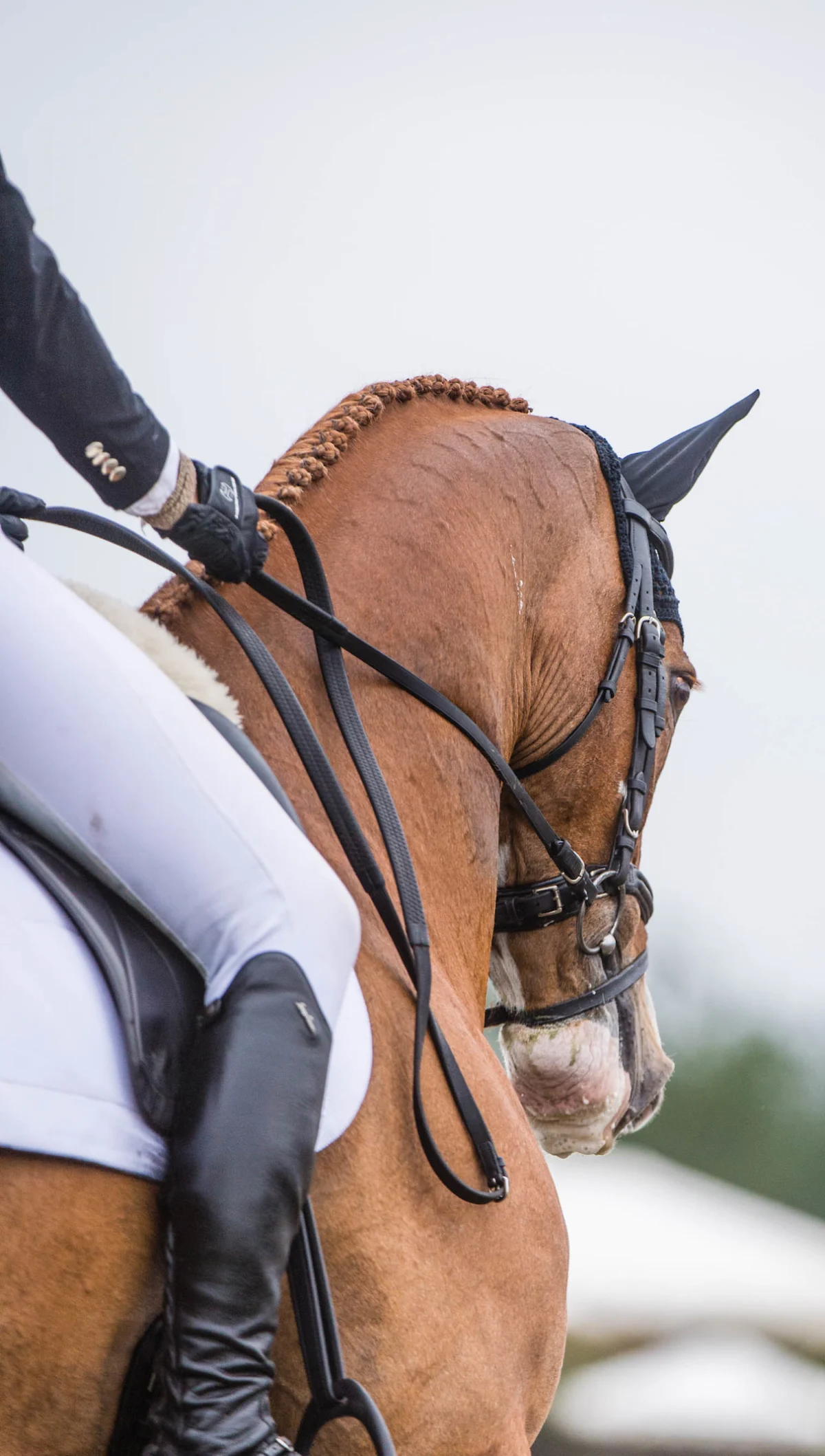
The quest for an effortless, harmonious connection between horse and rider in dressage, often described as the horse being "on the bit," is a fundamental aspiration for many. However, for adult riders new to the discipline, the phrase "pushing the horse onto the bit" can conjure an image of forceful, unrefined manipulation, a stark contrast to the fluid elegance observed in skilled riders. This perception often leads to a crucial question: what is the secret behind achieving this seemingly effortless union, where strength appears minimal yet control is absolute? The answer, according to seasoned experts, lies not in brute force but in a deep understanding of equine psychology, biomechanics, and the progressive development of trust and forward-thinking engagement.
At the heart of this concept is the horse’s inherent "desire to move forward," a critical element consistently highlighted in the collective marks of dressage tests. This isn’t merely about physical propulsion; it’s fundamentally a state of mind. Experienced trainers liken this to a dog gently straining at its leash, eager to explore and engage with its surroundings. This forward-mindedness is the bedrock upon which the "on the bit" connection is built. It signifies a horse that actively seeks engagement, rather than passively accepting it.
Cultivating the "Desire to Move Forward"
The journey to achieving a horse that is truly "on the bit" begins with cultivating this intrinsic forwardness. This is achieved through a rider’s ability to consistently encourage their mount to "look for the bit," to follow the subtle invitations of the reins, and to actively stretch into the contact. This process is a gradual education, fostering trust between horse and rider. When a horse learns to rely on the rider’s hand as a source of clear communication and guidance, rather than an impediment, it naturally begins to stretch its topline and move forward into that connection. This is the essence of what it means to put a horse "on the bit" – it’s an invitation to partnership, not a demand for submission.
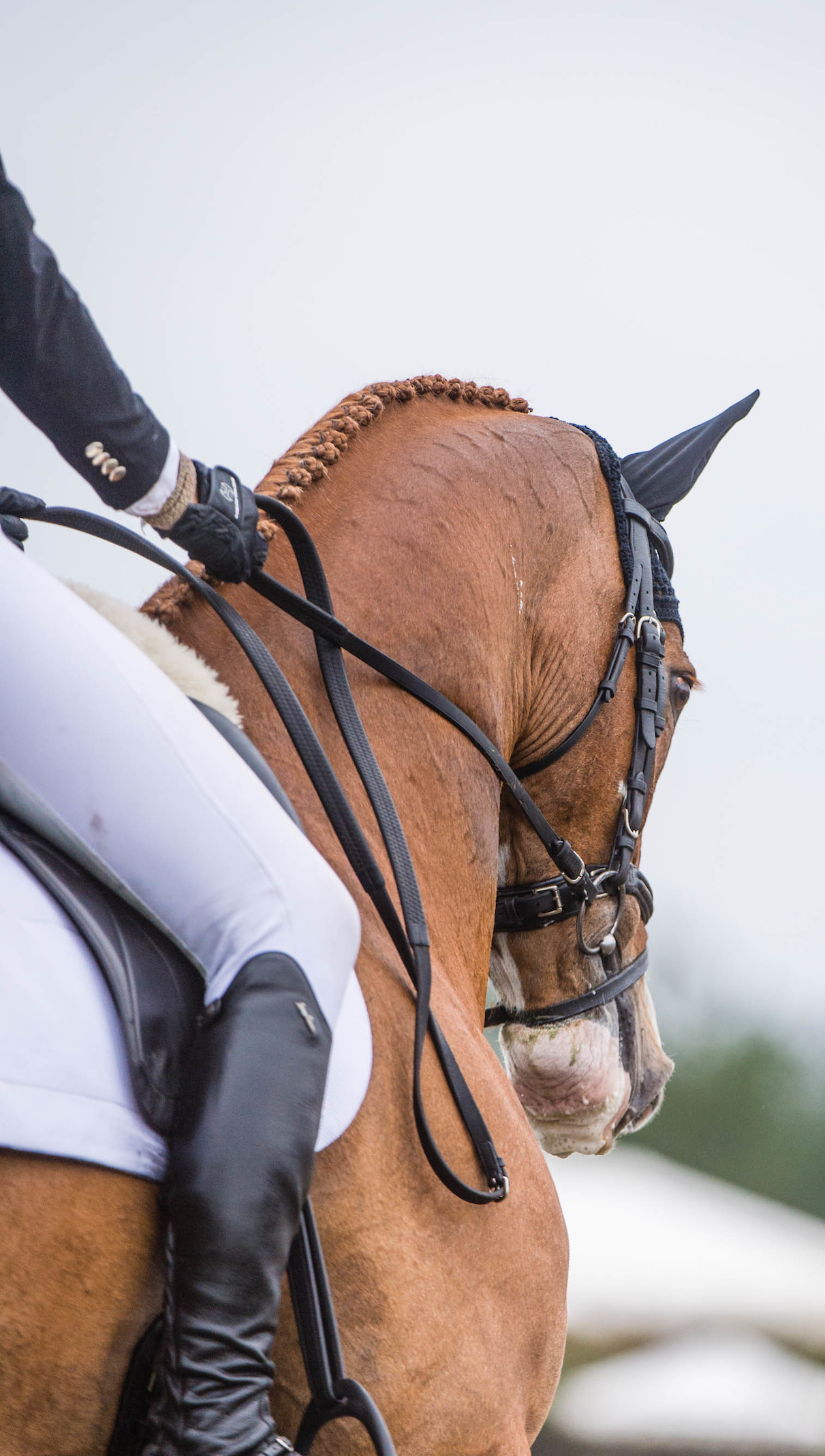
A widely respected definition, often cited from the British Horse Society’s educational materials, offers a clear benchmark for a horse being correctly "on the bit." It describes a state where the horse’s hocks are appropriately engaged, the poll is flexed, the lower jaw is relaxed, and crucially, the horse ceases to offer resistance to the rider’s hand. This definition underscores that being "on the bit" is a holistic state of being, encompassing physical posture, muscular relaxation, and mental receptivity.
Harnessing Energy, Not Restricting It
The forward energy generated by a willing horse must be managed, or as some prefer, "harnessed." This is where the rider’s hands play a pivotal role. Rather than restricting the horse’s natural movement, the rider’s hands act as a conduit, receiving, regulating, and controlling this energy. This isn’t about clamping down; it’s about maintaining a consistent, yet yielding, contact. Think of it as keeping a door slightly ajar – allowing a controlled flow of energy rather than slamming it shut. The degree of energy allowed through this "opening" is dictated by the horse’s balance and the specific demands of the movement, whether it be collection or extension.
When a horse is correctly ridden "forward from behind," responding to the aids with willingness, the natural physiological responses follow. This includes relaxation in the jaw, flexion at the poll, and softening in the neck. This leads to a light and responsive contact with the bit. Coercion or "jamming the horse together" is counterproductive and fundamentally misunderstands the principles of correct dressage. Instead, this forward engagement encourages the horse to relax its back, allowing it to lift and tip its pelvis. This, in turn, enables the hind legs to step further underneath the body, improving the horse’s ability to carry the rider’s weight more effectively on its hindquarters. This shift lightens the forehand and is the pathway to achieving true collection.
A Long-Term Investment in Development
The development of the muscular groups necessary for a horse to perform at higher levels of dressage is a gradual and lengthy process. It is widely accepted that achieving proficiency at each dressage level typically requires approximately one year of dedicated training. There are no shortcuts to developing this sophisticated connection and the physical capabilities it demands. Therefore, a skilled rider is not restricting their horse but rather guiding it to utilize its body in the most advantageous way, teaching it to use its neck with proper posture and for its own benefit.
This entire process hinges on the horse being forward-thinking and being taught to work independently and respond to subtle aids. This explains why accomplished, upper-level horses often exude an air of self-confidence, appearing relaxed and joyful in their work. Their riders, in turn, seem to be doing very little because the horse is internally motivated and understands its role in the partnership. This is the hallmark of true classical dressage – a partnership built on mutual understanding and respect, not on physical dominance.
Addressing Misconceptions and Ineffective Practices
Unfortunately, not all riders possess the experience or understanding to achieve this ideal. Some resort to excessive force or employ devices that fundamentally misinterpret the principles of dressage. The use of draw reins, for instance, is particularly criticized by many experienced professionals. These aids, by their very nature, apply pressure to the horse’s head and neck, working on the "wrong end" of the horse. This approach often leads to a "frame" being imposed rather than naturally developed.
The term "frame" itself is problematic in this context, often implying a rigid, fixed outline. When a horse is overly restricted in front, it is essentially being "shut down" by the rider’s hands. This prevents the horse from moving forward freely and can lead to the very resistance and unrefined feel that the original questioner sought to avoid. While such methods might create a superficial appearance of control, they are not indicative of true dressage and, thankfully, are becoming less prevalent as educational resources and understanding of equine welfare improve.
The Role of Education and Continuous Learning
The journey to understanding and implementing these principles is ongoing. For riders like the one posing the question, seeking out qualified instruction and studying the work of respected trainers is paramount. The nuances of dressage require a deep commitment to learning and a willingness to question traditional interpretations.
Jeremy Beale, a U.S. Dressage Federation (USDF) gold medalist and former international event rider for Great Britain, emphasizes that the goal is to teach the horse how to use its body correctly and efficiently. His insights, shared through his popular clinician work and his operation of Pen-Y-Bryn Equestrian Center, highlight the importance of developing the horse’s musculature and understanding of aids over time. He advocates for a method that allows the horse to remain responsive and engaged, rather than becoming a rigid automaton.
The implications of mastering this "on the bit" connection extend beyond the competitive arena. It fosters a deeper bond between horse and rider, promoting a more harmonious and enjoyable experience for both. It is a testament to the power of classical training principles, which prioritize the horse’s well-being and athletic development, leading to a partnership that is both beautiful to behold and profoundly rewarding to achieve. The "secret," as it were, is simply diligent, educated, and patient training, focused on building a foundation of forwardness, trust, and mutual understanding.







