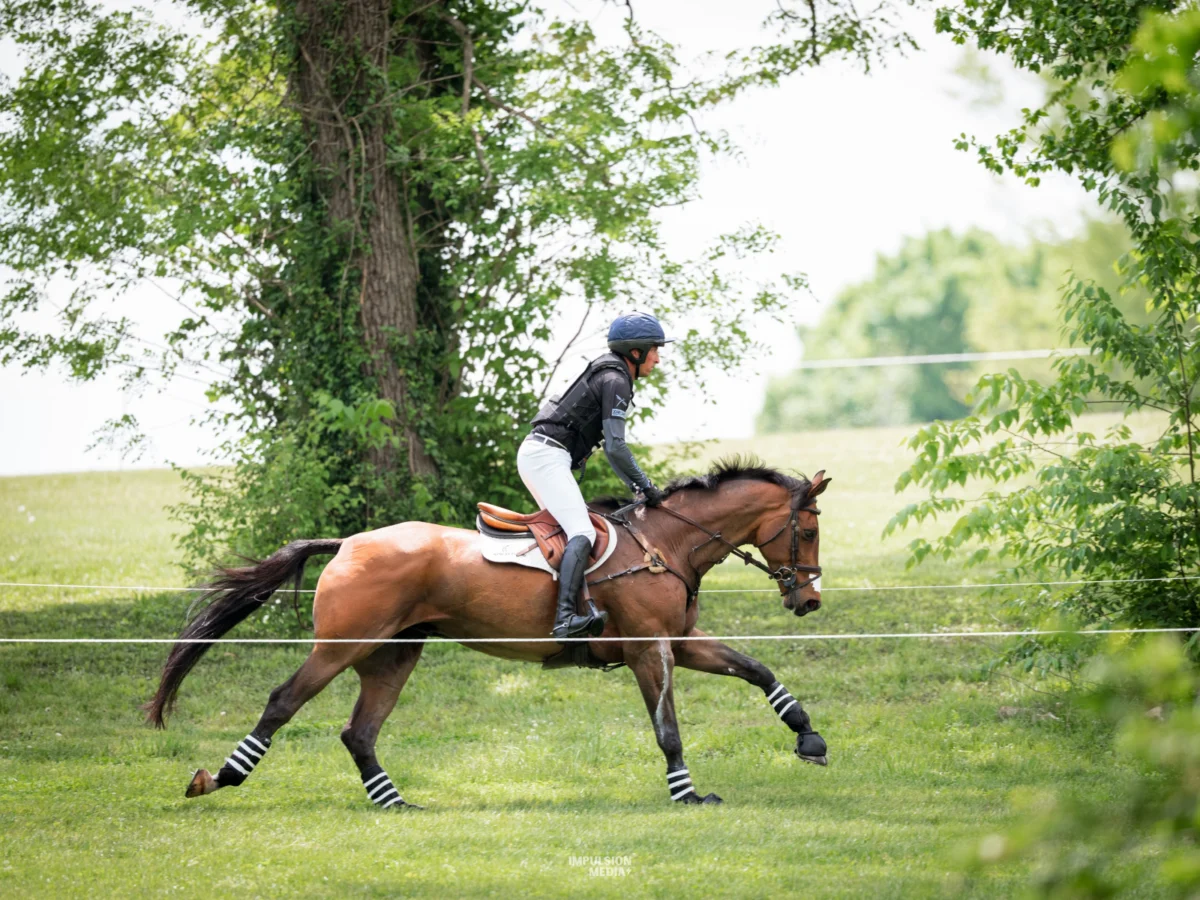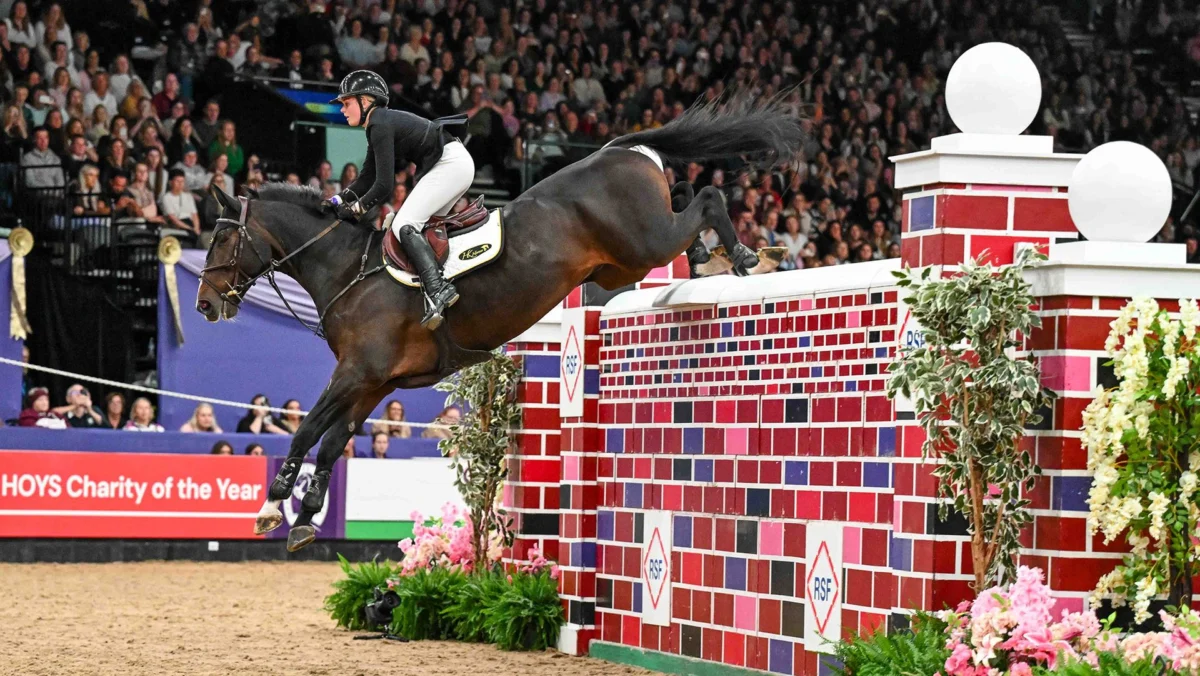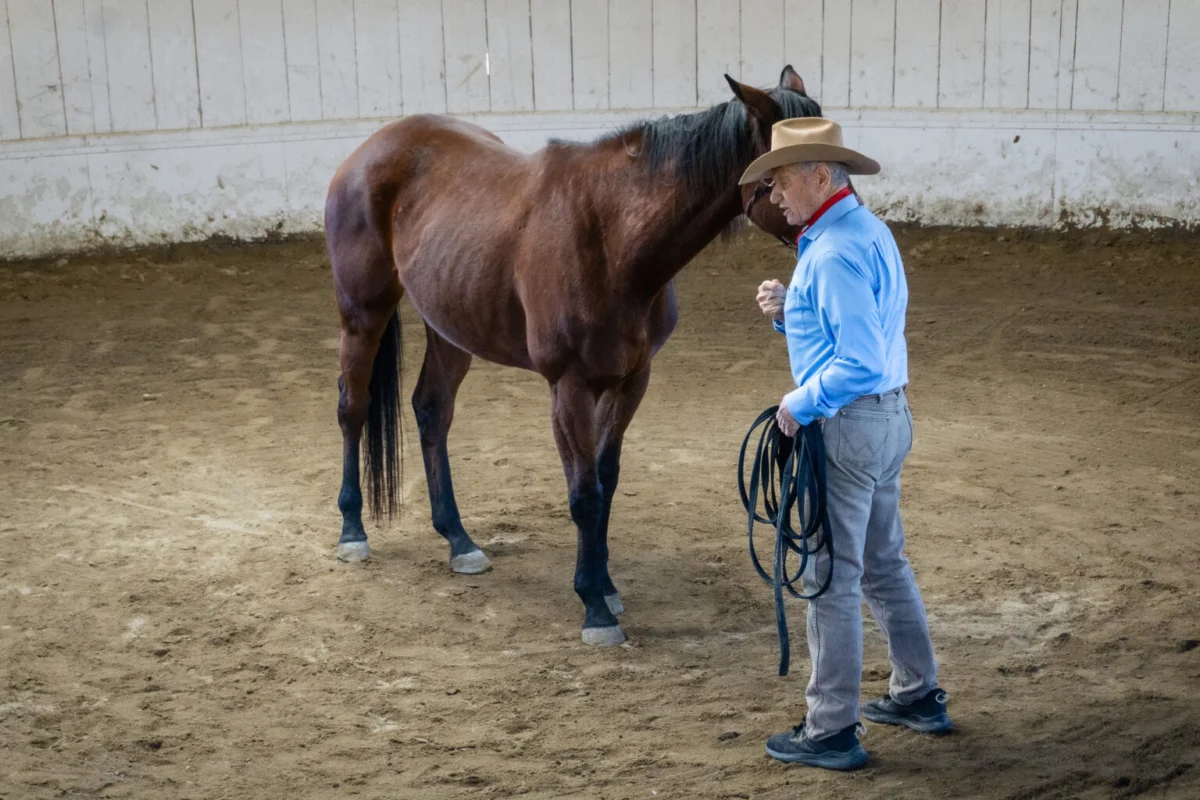
Horsemanship clinics are experiencing a global surge in popularity, offering horse owners unprecedented opportunities to enhance their understanding and care of their equine partners. Yet, amidst this abundance of educational resources, many horse owners find themselves navigating a landscape of conflicting opinions and seemingly contradictory approaches to horsemanship. This perplexity stems from a fundamental challenge: communicating effectively with a creature that does not share our spoken language. The process of training a thousand-pound animal to perform desired actions is not a matter of simple instruction, but a nuanced dance of signals, understanding, and mutual respect.
Monty Roberts, renowned worldwide as the "Horse Whisperer," has dedicated his life to refining this art of communication. His philosophy, rooted in decades of observation and practice, emphasizes the critical role of trust and understanding in building a harmonious relationship with horses. Roberts’ teachings highlight that true horsemanship transcends mere obedience; it is about fostering a horse’s willingness to engage and respond, a state achieved not through coercion, but through empathetic guidance. As Roberts himself states, "We have three seconds in which to express contentment or discontent with the actions of our horses." This brief window underscores the immediacy and precision required in equine communication, where subtle cues can convey profound meaning.
The Foundation of Trust: Beyond Simple Compliance
At the core of Roberts’ methodology lies the principle that a horse must not only understand what is asked but also want to do it. This distinction is crucial, differentiating a merely compliant animal from a truly engaged partner. "A good trainer can get a horse to do almost anything," Roberts is quoted as saying, "but the great trainer can get the horse to want to do it." This pursuit of willing cooperation is a hallmark of his approach, moving beyond superficial training to cultivate a deeper, more meaningful connection.
A practical illustration of this principle can be observed in the training of a horse to stand still on command. While seemingly straightforward, achieving this reliably often involves seemingly counterintuitive techniques, such as encouraging the horse to back up. Backing up is an action that is not natural for horses; it demands greater physical effort and cognitive focus than moving forward or simply standing. Because it requires more concentration and deliberate control, it becomes a powerful tool for teaching a horse to listen and respond to human cues.
The effectiveness of this technique hinges on the establishment of trust. The horse must perceive its handler as a safe and purposeful guide, especially when asked to perform actions that diverge from its natural inclinations. The increased energy expenditure and mental focus required for backing up serve as a catalyst for learning. This deliberate effort builds the foundation for the desired behavior – standing still. The progression is subtle yet profound: each instance a horse attempts to move when asked to stand, it is gently redirected to back up. Over time, the horse begins to associate standing still with the cessation of this effortful task, learning that stillness is the desired response. Once this understanding solidifies, the handler can gradually release the cues, observing whether the horse maintains its stillness independently.
Navigating Reinforcement: Understanding the Nuances of Learning
Roberts’ approach also delves into the often-misunderstood concepts of positive and negative reinforcement. The popular perception often frames positive reinforcement as inherently good and negative reinforcement as detrimental, equating it with punishment. However, Roberts clarifies that scientifically, this is not the case. The ultimate objective is to "reinforce" the desired behavior, such as standing still, without resorting to punishment.
Punishment, Roberts explains, involves introducing something painful to influence behavior, a method that can erode trust and lead to unpredictable or dangerous responses from the horse. In stark contrast, negative reinforcement aims to encourage a desired behavior through the cessation of an undesirable or effortful task. In the context of teaching a horse to stand still, the backing up exercise exemplifies negative reinforcement. By stopping the backing up when the horse stands still, the handler reinforces the stillness. This method encourages the horse to "think for itself" rather than merely comply out of fear of punishment, thereby fostering a stronger and more respectful relationship.
A Real-World Transformation: From Trailer Loading to Trust
The impact of Roberts’ methods is vividly illustrated by a personal anecdote concerning a horse that exhibited dangerous behavior when unloading from a trailer. Upon the release of the gate, the horse would bolt backward down the ramp, its hooves pounding a discernible rhythm that announced its arrival. Through consistent and patient application of Roberts’ principles, the horse was gradually retrained. This involved repeatedly loading the horse and then asking for a slow, deliberate retreat before proceeding to its stall. This repetition instilled the learned behavior of safe and controlled unloading.
The ultimate testament to the training’s success came during a subsequent trip. Upon returning home, the horse, in a moment of forgetting its trained response, began to unload too quickly. However, recognizing the established routine, it paused, took a breath, and then reloaded itself, only to unload again in a calm, gentlemanly manner—all on its own initiative. This spontaneous self-correction demonstrated a profound level of internalized understanding and trust, a far cry from mere rote compliance.

The Broader Implications: A Philosophy for a Deeper Connection
Roberts’ philosophy extends beyond specific training techniques; it offers a comprehensive framework for building enduring relationships with horses. He emphasizes that creating a strong bond and a happy horse is one of the most rewarding experiences for any horse enthusiast. This endeavor requires patience and a deep understanding of the horse as a prey animal, inherently driven by instincts of flight and survival. By becoming a dedicated student of equine behavior, individuals can cultivate a horse that not only enjoys their company but also understands and respects their needs.
The global interest in horsemanship clinics reflects a growing desire among horse owners to move beyond traditional, often coercive, training methods. The sheer volume of available information can be overwhelming, leading to confusion about the most effective approaches. Roberts’ work provides a beacon of clarity, advocating for a communication-based methodology that prioritizes understanding and mutual respect. This approach is not only more humane but also demonstrably more effective in producing horses that are willing partners, capable of nuanced responses and a deep level of trust.
The Monty Roberts Legacy: A Continuing Influence
Monty Roberts’ decades-long career has been dedicated to perfecting the art of building trust and understanding between humans and horses. His revolutionary techniques, often referred to as "Equine Behavioral Science," have significantly influenced how horse training is approached worldwide, fostering deeper, more respectful relationships grounded in empathy and clear communication. His contributions have not only transformed individual interactions with horses but have also elevated the discourse on animal welfare and ethical training practices.
For those seeking to deepen their horsemanship skills and embrace Roberts’ life-changing approach, opportunities abound. His organization offers a comprehensive calendar of courses designed to impart his methods, allowing participants to learn firsthand from experienced instructors. These courses provide practical, hands-on experience, reinforcing the principles of trust-based training.
Furthermore, Roberts’ seminal book, "From Our Hands to Yours," serves as an accessible guide for horse lovers seeking to understand his philosophy and apply his techniques in their own interactions with their horses. The book meticulously details his life’s work, offering insights into the nuances of equine communication and the science behind building an unbreakable bond.
The enduring appeal of Roberts’ work lies in its profound effectiveness and its compassionate foundation. In an era where the human-animal bond is increasingly valued, his teachings offer a pathway to a more profound and meaningful connection with these magnificent creatures. By embracing the principles of communication, trust, and mutual understanding, horse owners can unlock the full potential of their equine partners, creating relationships that are not only successful but deeply fulfilling. The journey of learning and applying these principles is an ongoing one, promising a richer experience for both horse and human alike.
Sign up for a course to deepen your horsemanship skills at:
https://montyroberts.com/learning-center/calendar/
Or purchase the book "From Our Hands to Yours" to learn Monty Roberts’ life-changing approach to training and building trust with your horse.
Don’t miss the chance to train the way Monty Roberts has taught thousands of horse lovers worldwide. Start your journey today!