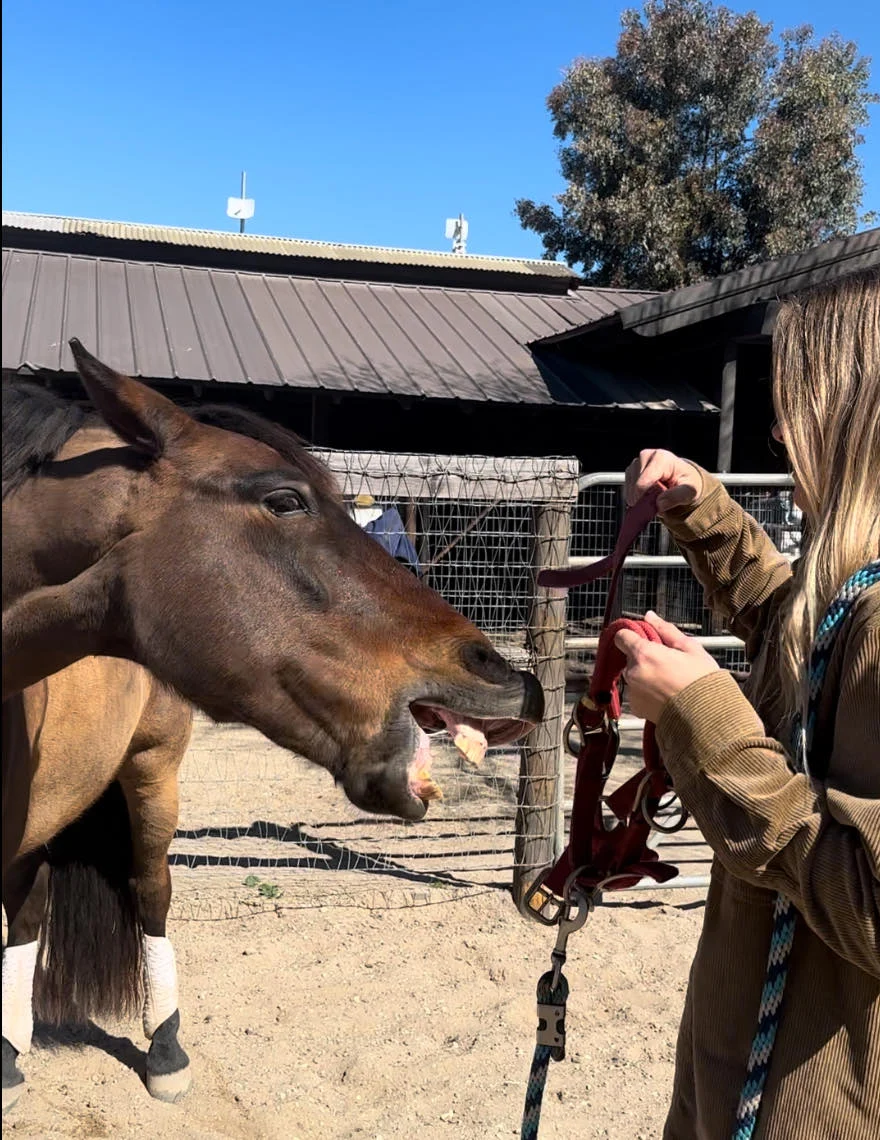
One of the most frequently asked questions at demonstrations and equestrian events worldwide revolves around a common and concerning behavior: "How do I stop my horse biting me?" This query, often voiced by concerned horse owners, highlights a widespread challenge in human-equine interaction. Fortunately, according to experienced equine behaviorists and trainers, a biting horse is often a remedial issue that can be addressed effectively and swiftly. Understanding the root causes of this behavior is paramount to implementing successful solutions. This article delves into the reasons behind equine biting, explores common triggers, and outlines proven methods for correction, drawing upon established principles of animal behavior and renowned training techniques.
Understanding the Nuances of Equine Behavior
Horses, as prey animals, possess an innate awareness of their surroundings. This constant vigilance, even in a seemingly safe and familiar environment, is a fundamental aspect of their survival instinct. Their wide field of vision allows them to monitor their environment while simultaneously observing their handlers, often with an anticipation of receiving food. This natural disposition can sometimes be misinterpreted as disinterest or even aggression, but it is, in fact, a sophisticated adaptation for navigating a world where they are vulnerable.
The instinct to explore and test boundaries is deeply ingrained in young horses, much like in human infants. Foals, in their early stages of development, use their mouths to interact with and understand their environment. This exploratory biting can manifest as playful nipping, and some foals may even find amusement in the reactions they elicit. While maternal horses instinctively intervene to moderate excessive rough play and establish boundaries during the foal’s formative months, human handlers must also assume this crucial role. As foals mature, their size and strength increase considerably, even before they are weaned. Establishing clear physical and behavioral boundaries early in a young horse’s life can prevent the escalation of such behaviors into problematic habits. Failing to set these limits can inadvertently lead to horses exploiting the physical differences between themselves and humans, potentially leading to dangerous situations.
The Primary Culprit: Hand-Feeding and its Consequences
A significant contributing factor to the development of biting behaviors in horses is the practice of hand-feeding. This common gesture, often intended as an expression of affection and a means to strengthen the human-equine bond, can inadvertently create a dangerous dependency and miscommunication. When horses are consistently fed directly from a person’s hand, they begin to associate their handlers not just with companionship but primarily as a direct source of sustenance.
The historical context of horse domestication and training often reveals a departure from natural equine behaviors. In instances where horses are raised in human-centric environments, particularly as orphans without the guidance of a mother horse to teach herd rituals and discipline, they may lack essential social cues and boundary awareness. Such situations, while often born out of necessity and compassion, can present unique training challenges. For example, in the anecdotal account of raising an orphan filly named Nila’s Doll, the necessity of using a lactating goat for nourishment highlighted the artificiality of the situation. While the intention was to provide the best possible care, the filly’s upbringing required consistent effort to instill ground manners and boundaries, demonstrating that even with dedicated care, unnatural rearing necessitates deliberate behavioral guidance.
The philosophy that a "spoiled horse is rarely a happy horse" underscores the importance of avoiding excessive pampering, which can lead to a sense of entitlement. When a horse learns to expect food directly from a human’s hand, it can develop a demanding attitude. This expectation can escalate to biting pockets, hands, or any accessible part of the body in an effort to solicit food. This behavior is not an act of malice but rather a learned response to a conditioning process that equates human proximity with immediate food availability.
The Misconception of Food as a Natural Reward
It is crucial to differentiate the horse’s natural feeding behavior from that of companion animals like dogs or cats. Horses are herbivores that graze on grasses, and "no blade of grass ever ran from a horse." Their feeding is not a pursuit or a task that requires the same learned strategies as a predator’s hunt. Consequently, when food is presented as a reward or an entitlement directly from a human, it deviates from their natural feeding ecology. This deviation can lead to the horse perceiving the human as a constant food dispenser, rather than a partner or provider of resources in a more balanced way.
The act of hand-feeding can create a perception in the horse that food is readily available and perhaps even owed to them by the handler. This can lead to the horse becoming overly focused on the handler’s hands and pockets, driven by the anticipation of a treat. The result is a horse that may exhibit persistent begging behaviors, escalating to biting if their perceived demands are not met immediately. This learned association, while seemingly benign to some owners, can quickly become a safety concern, especially given the horse’s significant size and strength.
Identifying Other Triggers for Biting
While hand-feeding is a primary instigator, other factors can also contribute to a horse biting. These can include:

- Physical Discomfort: A tightly fitting girth, an ill-fitting saddle, or other sources of physical discomfort can lead to frustration and aggression, manifesting as biting. Horses may bite to communicate their distress or as a reactive response to pain.
- Frustration and Aggression: Beyond physical discomfort, horses can exhibit biting as a general expression of frustration or aggression stemming from various sources. This might include confinement, lack of adequate stimulation, or negative interactions with other horses or humans.
- Mutual Grooming (Allogrooming): In their natural social interactions, horses engage in mutual grooming as a bonding activity. Sometimes, a horse may attempt to initiate this behavior with a human by nipping or gently biting. While often not intended to cause harm, it can be misinterpreted and requires careful management.
- Playfulness: As mentioned earlier, particularly in younger horses, biting can be an outlet for playful energy. If not properly channeled and moderated, this can persist into adulthood.
The Monty Roberts Approach: Distractibility and Behavior Modification
Addressing a horse’s biting habit requires a consistent and humane approach that focuses on modifying the learned behavior rather than resorting to punitive measures. Getting into a physical altercation with a large animal like a horse is never advisable and can exacerbate the problem, leading to increased aggression and distrust. Hitting or physically punishing a horse is not only ineffective but also ethically questionable, as it can create fear and resentment without resolving the underlying issue.
Renowned equine behaviorist Monty Roberts advocates for a method rooted in the principle of distractibility and behavior habituation. This technique, often described as a "5-second fix" by Roberts, aims to create a rapid, non-painful association between the horse’s intention to bite and a surprising, unrelated physical sensation. The core idea is to interrupt the biting sequence at its onset by redirecting the horse’s focus.
The "Look Over There!" Technique: A Simple Solution
The strategy involves associating the act of biting with a different part of the horse’s body – specifically, its front leg. The key is to be exceptionally quick, so the horse associates the tap with its attempt to bite. The method relies on the natural human tendency to use distraction, akin to distracting a child with a sudden question or offering a different activity.
The Monty Roberts Remedy for a Biting Horse:
- Anticipate the Bite: Observe the horse’s body language. As the horse begins to lower its head and open its mouth in preparation to bite, remain calm and focused.
- Maintain a Neutral Gaze: Look straight ahead, avoiding direct eye contact with the horse, which can sometimes be perceived as a challenge.
- Deliver a Gentle Tap: With your foot, deliver a light, surprising tap to the shin of the horse’s front leg. This tap should not be intended to cause pain but rather to create a momentary distraction.
- Act as if Nothing Happened: Immediately after the tap, resume your previous activity or simply move your gaze forward again, as if the tap was incidental and unrelated to the horse’s attempted bite. The goal is to create an association between the horse’s biting action and this unexpected sensation on its leg.
- Consistency is Key: This technique requires repetition. Over approximately six to eight instances, the horse will begin to associate the impulse to bite with the subsequent tap on its leg. Owners will often observe the horse hesitating mid-bite, looking down at its leg, a clear indication that the behavior is being rewired.
This method leverages the horse’s natural ability to learn and adapt. By creating a surprising yet non-punitive consequence for biting, the horse learns to disassociate the act of biting from the handler and instead connect it with a harmless, distracting stimulus. This approach avoids the negative side effects of punishment, such as fear and aggression, and fosters a more trusting relationship.
A variation of this technique involves a quick rub on the coronet band with the boot. This can be equally effective, especially if it appears disconnected from the handler’s immediate actions. The emphasis remains on a swift, surprising stimulus that redirects the horse’s attention.
Broader Implications and Expert Endorsements
The implications of effectively managing biting behaviors extend beyond individual horse-owner relationships. A horse that bites can pose a significant risk in equestrian settings, impacting riding school safety, stable management, and the overall well-being of both humans and animals. By promoting humane and effective training methods, the equestrian community can foster a safer and more harmonious environment for all.
The efficacy of this approach is supported by decades of experience and the testimonials of numerous horse owners who have successfully reformed biting horses. The Monty Roberts Online University offers resources, including video tutorials like "How to Stop Nipping and Biting," which visually demonstrate these techniques. The availability of such educational tools underscores the commitment to disseminating knowledge and empowering horse owners with practical solutions. The promotion code DAYPASS for free access to these resources further emphasizes the desire to make this valuable information widely accessible.
For those seeking a more immersive learning experience, specialized training events, such as Monty Roberts’ Special Training sessions, offer in-depth instruction and hands-on practice with various horses, showcasing his renowned training methodologies. These programs are designed to provide participants with a comprehensive understanding of equine behavior and effective training strategies.
Conclusion: A Path to Safer and More Harmonious Equine Partnerships
The question of how to stop a horse from biting is a common one, but it is one that can be answered with effective, humane, and swift solutions. By understanding the natural behaviors of horses, identifying the root causes of biting – most notably, the habit of hand-feeding – and applying consistent, distraction-based training techniques, horse owners can successfully remediate this challenging behavior. The Monty Roberts method, emphasizing quick, non-painful redirection, offers a proven path towards establishing clear boundaries and fostering a safer, more trusting relationship between humans and their equine companions. The focus on education and accessible resources further empowers the equestrian community to address this issue, promoting a future where such behaviors are understood, managed, and ultimately, prevented.