

Pioneering research conducted at Hartpury University in Gloucestershire, England, in collaboration with University Centre Sparsholt and the University of Portsmouth, has shed crucial new light on the biomechanics of breast movement in female equestrians. This groundbreaking study, published in the International Journal of Equine Science, marks a significant step forward in understanding the specific needs of women in equestrian sports, with findings poised to influence the future design of sports bras tailored for riding. Despite the high participation rates of women in horseback riding globally, dedicated research into the physiological impacts of the sport on female anatomy has historically been scarce. This new study aims to bridge that knowledge gap, offering tangible insights that could improve comfort, performance, and overall well-being for countless riders.
The research, titled "The Biomechanical and Perceptual Impact of Breast Support During Riding and Running in Female Equestrians," is the first to employ three-dimensional motion-capture technology to quantify breast displacement in female horseback riders. Crucially, it also compares this movement directly with that experienced during running in the same participants. This comparative element is particularly significant, as much of the existing research on sports bra efficacy has predominantly focused on runners, whose biomechanical demands may differ considerably from those of equestrianism. By examining both activities, the researchers have gained a more nuanced understanding of how the unique forces and movements inherent in riding impact breast support requirements.
Beyond the purely biomechanical analysis, the study also delved into the subjective experiences of the riders, investigating their perceptions of bra comfort, performance, and aesthetics specifically within the context of equestrian activities. This dual approach, combining objective measurement with rider feedback, provides a comprehensive perspective on the multifaceted challenges of breast support in this sport.
Addressing a Gap in Equestrian Research
Lorna Cameron, a senior lecturer at Hartpury University and a key figure in the research, highlighted the long-standing disparity in scientific attention given to breast health and appropriate support for female athletes. "What makes this study particularly exciting is that we have been able to establish relative breast movement in three dimensions during riding and compare it directly with running in the same participants," Cameron stated. "That gives us a much better understanding of how the demands of riding differ from an activity on which much existing sports-bra research and design has been based." This underscores the necessity of sport-specific research, as a one-size-fits-all approach to athletic apparel, particularly for something as sensitive and variable as breast support, is unlikely to be optimal.
The global equestrian community boasts a substantial female demographic. For instance, in the United States, the United States Equestrian Federation (USEF) consistently reports a majority of its members are female, a trend mirrored across many national federations. This demographic reality makes the lack of sport-specific research even more pronounced. Historically, equestrian attire, including undergarments, has often been designed with aesthetics or general comfort in mind rather than specific biomechanical support. This study aims to rectify that oversight.
Methodology: Simulating the Ride and the Run
To gather their data, the researchers enlisted 21 female equestrians who participated in a controlled experimental protocol. The participants engaged in two primary activities: riding an advanced equine simulator and running on a treadmill. The equine simulator, a sophisticated mechanical device, was programmed to replicate the distinct movements of a horse at walk, trot, and canter. This allowed for consistent and repeatable riding conditions, minimizing variability that could arise from using live horses.
Under each of these simulated riding gaits, and during the treadmill running sessions, the participants were subjected to four distinct breast support conditions. These conditions were meticulously chosen to represent a range of common support options:
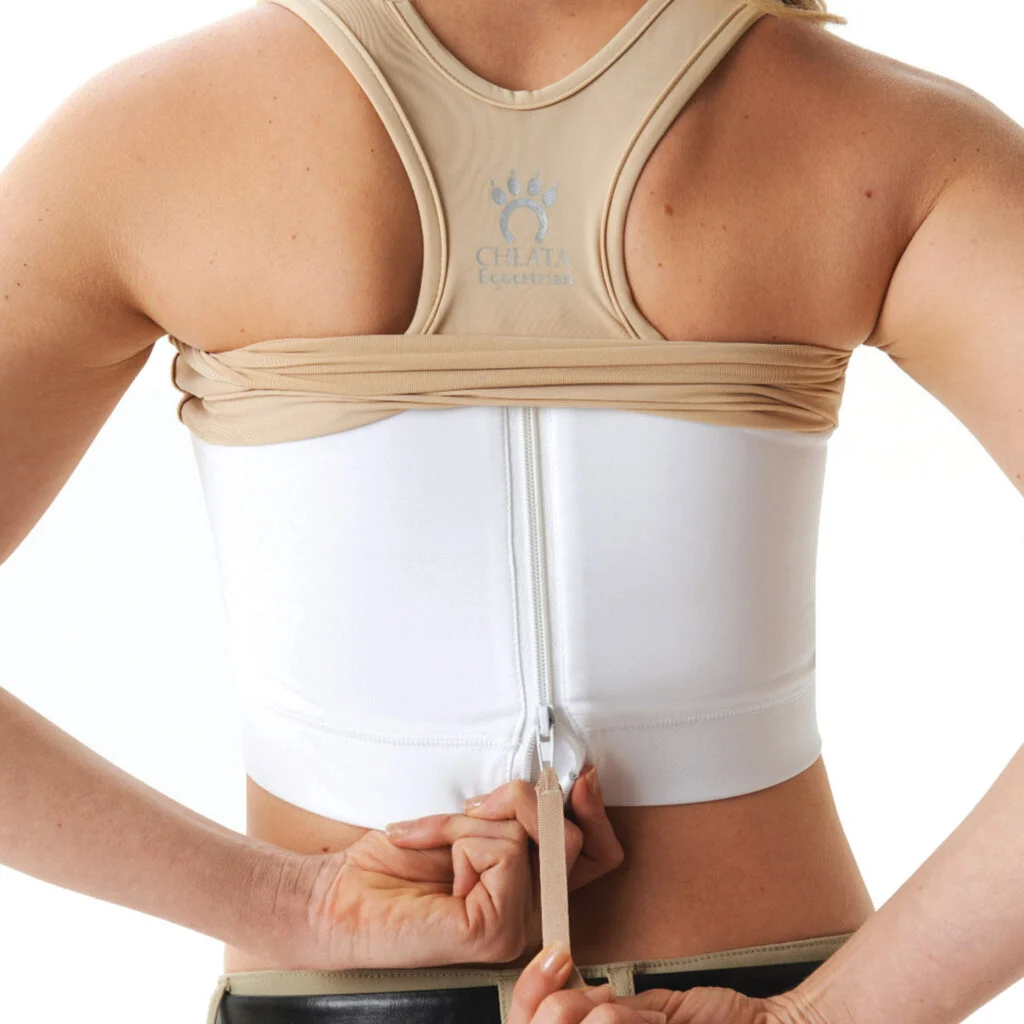
- Encapsulation Sports Bra: This type of bra features separate cups for each breast, designed to lift and isolate them, reducing movement.
- Combination Sports Bra: This design merges the features of encapsulation bras with compression bras, which work by pressing the breasts against the chest wall to minimize bounce.
- Everyday Bra: A standard non-athletic bra, often designed for comfort and aesthetic appeal rather than significant support during physical activity.
- No Breast Support: Participants rode and ran without any bra or other form of breast support, serving as a baseline for maximum movement and potential discomfort.
The researchers employed state-of-the-art motion-capture technology, a system commonly used in biomechanics and animation, to precisely track and quantify the three-dimensional displacement of the breasts during each activity and support condition. This technology allowed for an objective measurement of breast movement, providing quantitative data on the efficacy of different bra types.
In addition to biomechanical measurements, the study also captured subjective data. Participants were asked to report on exercise-induced breast pain, a common complaint among female athletes. Bra comfort was also assessed, recognizing that even effective support can be rendered ineffective if it is uncomfortable to wear for extended periods. Furthermore, rider position and symmetry were analyzed, as poor breast support can potentially influence posture and balance, critical elements in equestrian performance. Finally, a comprehensive survey was administered to gather insights into the participants’ perceptions of bra performance and aesthetics, crucial factors influencing product choice and wearability.
Key Findings: Support Matters for More Than Just Comfort
The results of the study revealed significant findings regarding the impact of breast support on female equestrians. The type of bra worn demonstrably influenced exercise-induced breast pain, rider position, and symmetry. Both the encapsulation and combination sports bras proved effective in reducing breast movement and associated pain during the trot gait and during running, when compared to wearing an everyday bra or no support at all. This suggests that specialized sports bras offer a substantial benefit in mitigating discomfort during high-impact or repetitive movements.
Beyond pain reduction, the study also noted improvements in rider posture. Specifically, wearing sports bras was associated with better torso positioning during the trot. This finding is particularly relevant to equestrianism, where a stable and balanced rider position is paramount for effective communication with the horse and for overall performance. The biomechanical data indicated that riders achieved the greatest symmetry in their posture when wearing the encapsulation sports bra. This enhanced symmetry could translate to more efficient movement patterns, better weight distribution, and improved control.
"Our findings also demonstrate that breast support isn’t simply about comfort," Cameron emphasized. "The type of support worn was associated with differences in breast pain, rider position and symmetry, which makes this an important area for further research." This statement underscores a critical takeaway: the impact of breast support extends beyond immediate physical comfort to influence fundamental aspects of athletic performance and rider biomechanics.
The research also acknowledged the subjective nature of bra comfort. Individual preferences varied among participants, highlighting the complexity in identifying universally optimal breast support solutions. What one rider finds comfortable and effective, another may not. This variability suggests that future product development might need to consider a range of fit options and support levels to cater to the diverse needs and preferences within the equestrian population.
Building on a Foundation of Breast Health Research

This latest publication is not an isolated effort but rather builds upon a growing body of collaborative research focused on breast health within equestrian sports. Previous studies involving members of the research team have explored a range of related issues. These include investigations into the prevalence and impact of breast pain among female horseback riders, identification of concerns and barriers that might prevent women from participating fully in the sport due to inadequate breast support, and the effectiveness of breast health education programs for young equestrians. This cumulative research effort demonstrates a sustained commitment to understanding and addressing the unique health and well-being challenges faced by women in equestrianism.
The broader implications of this research are significant. By providing objective data on breast movement and subjective feedback on comfort and performance, the study offers valuable insights for sports bra manufacturers. This evidence can guide the development of new products specifically engineered for the unique biomechanical demands of horseback riding, moving beyond designs primarily created for running or general athletics. Such advancements could lead to improved comfort, reduced pain, and potentially enhanced rider performance.
"We hope this work will encourage greater conversation around breast health in equestrian sport and ultimately contribute to better information and products designed with the specific needs of riders in mind," Cameron concluded. This aspiration points towards a future where breast health is recognized as an integral component of equestrian training and athlete care, leading to more informed choices for riders and more effective support solutions from manufacturers.
Future Directions and Broader Impact
While this study represents a significant advancement, the researchers acknowledge the need for further investigation. They advocate for larger, longer-term, and field-based studies to build upon these initial findings. Field studies, in particular, would allow for the observation of breast movement and bra performance in real-world riding scenarios, capturing the nuances of different disciplines, riding styles, and environmental factors. Longitudinal studies could track the impact of appropriate breast support over time, assessing its influence on injury prevention, long-term comfort, and continued participation in the sport.
The implications of this research extend beyond elite athletes. Recreational riders, Pony Club members, and individuals of all ages who participate in equestrian activities can benefit from improved understanding and access to appropriate breast support. The potential to reduce discomfort and enhance the overall riding experience could encourage greater participation and longevity in the sport for women.
In conclusion, the research from Hartpury University and its collaborators marks a pivotal moment in understanding the biomechanics and perceptual needs of female equestrians concerning breast support. By bridging the gap between general sports science and the specific demands of riding, this study lays the groundwork for a future where equestrian apparel is more attuned to the unique physiology of its female participants, fostering a healthier, more comfortable, and more inclusive environment for all. The journey towards optimal breast support in equestrianism has taken a significant leap forward, driven by rigorous scientific inquiry and a commitment to the well-being of female riders.







