The October 2026 edition of Barrel Horse News magazine is poised to be an indispensable resource for equestrians, offering an in-depth exploration of critical aspects of horse care, training, property management, and competitive performance. Titled "The Horse Care & Management Issue," this edition compiles expert insights and practical advice aimed at enhancing the welfare, athletic prowess, and longevity of barrel horses, alongside strategies for optimizing equestrian properties. The publication, available now, underscores the multifaceted demands of the barrel racing world, from foundational training philosophies to intricate health protocols and strategic investments.
The Cornerstone of Performance: Rodney Yost’s "More Than Miles" Colt Starting Program
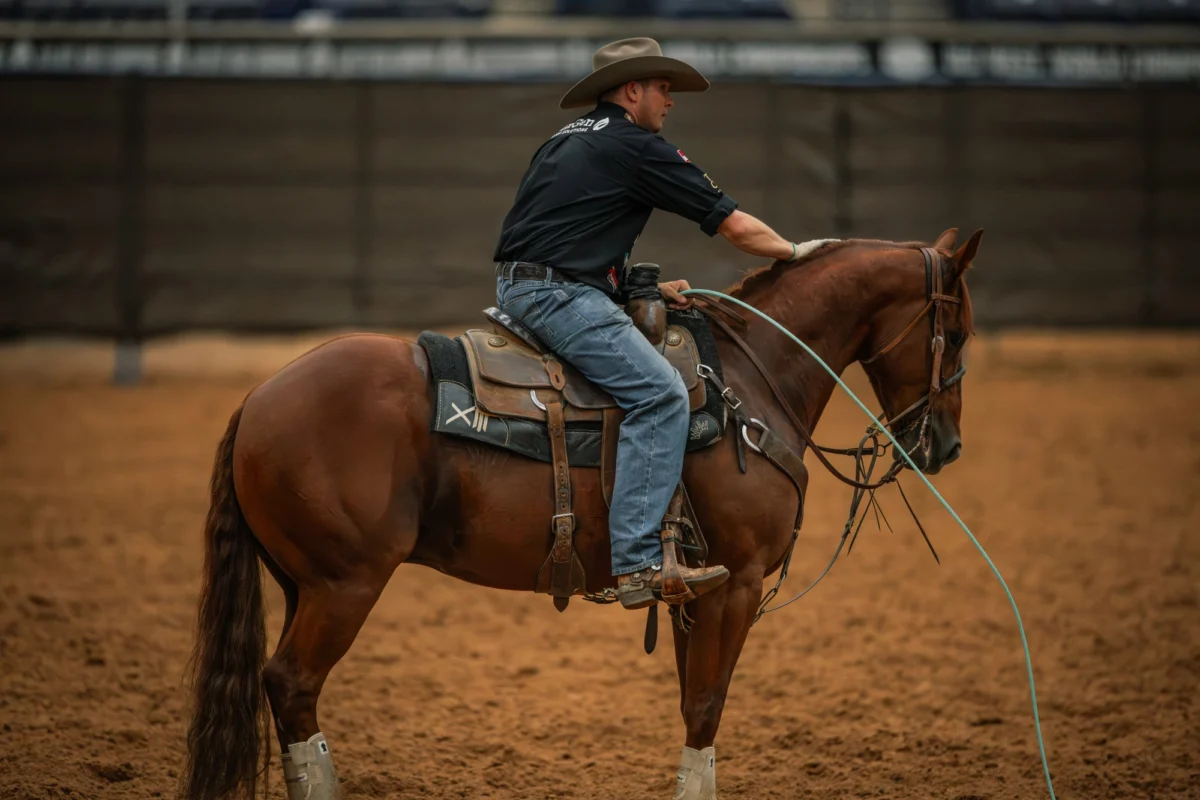
Central to the October issue is the feature "More Than Miles" on page 22, spotlighting Rodney Yost’s renowned colt starting program. Yost, a figure celebrated in the equine industry for his nuanced approach to horsemanship, has meticulously developed a system rooted in a profound understanding of equine biomechanics, weight distribution, and pressure application. His methodology transcends mere breaking; it is an intricate process designed to foster a willing, responsive, and athletically capable barrel horse from its earliest stages of training.
Yost’s philosophy posits that a successful barrel horse is not solely a product of innate talent but largely a result of thoughtful, progressive training that respects the horse’s natural movement and builds its physical and mental fortitude. His program emphasizes subtle cues and consistent, clear communication, enabling young horses to develop a strong foundation of balance, flexibility, and forward motion. By focusing on how a horse carries its weight, shifts its balance, and responds to various pressures from the rider’s aids, Yost aims to create athletes that can navigate the barrel pattern with precision, speed, and minimal physical stress. This approach is critical in a sport where split-second decisions and intricate maneuvers dictate success.
Industry experts often highlight the long-term benefits of such foundational training. Proper weight distribution, for instance, is paramount in preventing lameness and ensuring soundness throughout a horse’s competitive career. A horse that learns to use its body efficiently from a young age is less prone to injury, allowing for sustained performance at an elite level. "The core of my program is about teaching a horse to think through pressure, not just react to it," Yost is inferred to have stated. "When a horse understands how to properly distribute its weight and move its body, it gains confidence and becomes a more willing partner, which is invaluable in the barrel pen." This systematic approach has demonstrably contributed to the development of numerous champions, solidifying Yost’s reputation as a master in transforming raw potential into refined athleticism.
Safeguarding Equine Health: The Threat of Mycotoxins in "Lurking Dangers"
Equine health is a paramount concern for all horse owners, and the October issue addresses a critical, often underestimated, threat in "Lurking Dangers" on page 26: mycotoxins in feed. Mycotoxins are toxic secondary metabolites produced by certain fungi (molds) that can contaminate various feedstuffs, including grains, hay, and silage, both in the field and during storage. The presence of these invisible threats can lead to a spectrum of health problems in horses, ranging from subtle performance declines to severe, life-threatening conditions.
Common mycotoxins that pose a risk to horses include aflatoxins, fumonisins, zearalenone, ochratoxins, and deoxynivalenol (DON, or vomitoxin). Each type can manifest different clinical signs. For instance, aflatoxins are potent hepatotoxins, leading to liver damage, poor growth, and immune suppression. Fumonisins primarily affect the neurological system, causing equine leucoencephalomalacia (ELEM), also known as "moldy corn poisoning," which can be fatal. Zearalenone can disrupt reproductive cycles, while DON often causes feed refusal and digestive upset. Symptoms of mycotoxin exposure can be varied and non-specific, making diagnosis challenging. They might include reduced appetite, weight loss, colic, diarrhea, laminitis, neurological signs (ataxia, tremors), skin lesions, respiratory issues, and a compromised immune system leading to increased susceptibility to infections.
The insidious nature of mycotoxins lies in their often undetectable presence to the naked eye and their cumulative effects over time. Factors contributing to mycotoxin contamination include adverse weather conditions during crop growth, improper harvesting techniques, and inadequate storage facilities that promote mold growth. Preventing exposure requires a proactive approach. Horse owners are advised to source feed from reputable suppliers who implement stringent quality control measures, inspect feed regularly for signs of mold or unusual odors, and store feed in dry, well-ventilated areas away from moisture and pests. Routine feed testing by accredited laboratories is also an essential tool for identifying mycotoxin levels, especially for performance horses or those with unexplained health issues.
"Mycotoxins represent a silent threat that can significantly undermine a horse’s health and performance, often without clear initial indicators," an inferred statement from a leading equine nutritionist might read. "Awareness, rigorous feed management, and strategic testing are not just recommendations; they are critical components of a comprehensive equine health program to protect these athletes from unseen dangers." The article on page 26 serves as a vital reminder that what appears healthy on the surface may harbor hidden risks, emphasizing the need for vigilance and informed decision-making in equine nutrition.
Investing in Equine Lifestyles: "Payback Property" and Maximizing Horse Property Value
For many equestrians, their horse property is more than just land; it’s a lifestyle, a business, and a significant investment. The "Payback Property" feature on page 32 provides invaluable guidance, presenting 10 expert tips for increasing the value and marketability of equine real estate. In an increasingly competitive market, understanding how to enhance property appeal and functionality is crucial, whether for personal enjoyment, commercial operations, or future resale.

The value of horse property is inherently tied to its utility and infrastructure designed for equine care and training. Experts highlight several key areas for improvement. High-quality fencing is often cited as a primary factor, ensuring safety for horses and defining property aesthetics. Durable, well-maintained fencing (e.g., four-board wood, no-climb wire, or sturdy PVC) not only enhances curb appeal but also signals responsible horse ownership. Functional barn facilities are another critical element. This includes well-designed stalls with proper ventilation, adequate lighting, secure tack rooms, feed storage areas, and wash racks. The presence of a climate-controlled environment or a heated tack room can also significantly boost appeal in certain climates.
Improved pasture management is essential for both horse health and property value. Rotational grazing systems, soil testing, fertilization, and weed control not only provide better forage but also demonstrate sustainable land stewardship. Water infrastructure is also paramount; reliable, easily accessible water sources throughout pastures and barns are non-negotiable. Beyond basic necessities, specialized training facilities like well-maintained riding arenas (indoor or outdoor), round pens, and hot walkers can dramatically increase marketability, especially for properties catering to competitive disciplines like barrel racing. The surface of an arena, its drainage, and proper footing are particularly important.
Furthermore, aesthetic enhancements such as landscaping, well-maintained driveways, and a tidy overall appearance contribute significantly. Integrating smart home or farm technology, such as automated watering systems, security cameras, or remote monitoring of barns, can also attract modern buyers. Finally, the inclusion of comfortable owner/manager living quarters on-site is often a major draw. "In today’s equestrian real estate market, buyers are looking for properties that are not only functional but also offer a seamless, high-quality lifestyle for both horses and humans," an inferred statement from a specialized equestrian real estate agent might emphasize. "Investing in infrastructure that directly supports equine welfare and training, alongside maintaining the property’s overall appeal, is the clearest path to maximizing its value and ensuring a strong return on investment." This article offers a strategic blueprint for property owners looking to elevate their equestrian domain.
Celebrating Excellence: Tayla Moeykens’ Cheyenne Frontier Days Triumph
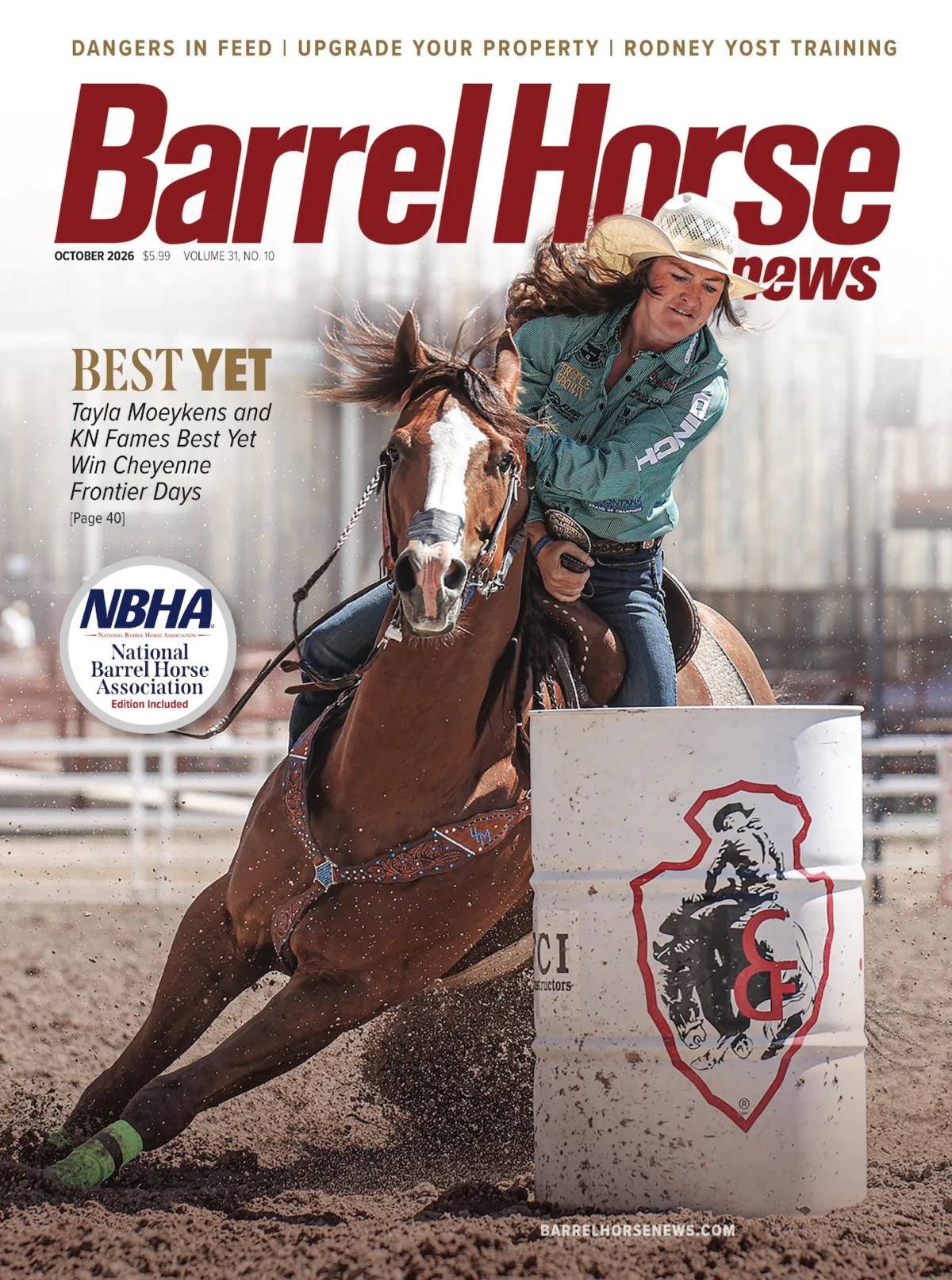
Gracing the cover of the October 2026 issue are Tayla Moeykens and KN Fames Best Yet, captured in a stunning photograph by Hailey Rae, commemorating their remarkable victory at Cheyenne Frontier Days. This win is not merely another title; it represents a pinnacle achievement in the sport of rodeo barrel racing, given the legendary status of "The Daddy of ’em All."
Cheyenne Frontier Days (CFD), held annually in Cheyenne, Wyoming, is one of the largest and most prestigious outdoor rodeos in the world, boasting a history stretching back to 1897. Its rough-and-tumble reputation and challenging arena conditions – a wide-open, outdoor pattern – make a barrel racing victory here particularly coveted. The event attracts the sport’s elite, and winning at CFD often signals a career-defining moment for a competitor. The payout for barrel racing at Cheyenne is substantial, often contributing significantly to a rider’s season earnings and propelling them higher in the world standings.
Tayla Moeykens, a rising star in the barrel racing circuit, has been steadily building a formidable reputation. Her partnership with KN Fames Best Yet, a horse known for its speed, agility, and consistency, has proven to be a potent combination. Their triumph at CFD, navigating the challenging pattern with precision and clocking a winning time, showcased their exceptional teamwork and the horse’s athletic prowess under pressure. This victory places Moeykens in an elite group of barrel racers who have conquered the iconic Cheyenne arena, further cementing her status as a top contender. The cover image, capturing the dynamism and grace of their performance, perfectly encapsulates the spirit of competitive barrel racing.
"Winning at Cheyenne Frontier Days has always been a dream," Tayla Moeykens is inferred to have shared in a post-victory statement. "KN Fames Best Yet gave his all, and I couldn’t be prouder of how we performed under such intense competition. This win is a testament to years of hard work, dedication, and an incredible partnership." The victory at CFD is expected to significantly boost Moeykens’ career trajectory, drawing more attention to her and her equine partner, and inspiring countless aspiring barrel racers across the nation.
Community and Competition: Regular Features and NBHA Updates
Beyond the spotlight features, the October 2026 Barrel Horse News issue continues its tradition of serving the broader barrel racing community through its comprehensive regular sections. "Event Spotlights" provides readers with crucial updates and recaps from key competitions across the country. These sections are vital for enthusiasts to stay informed about significant races, emerging talents, and notable performances, fostering a sense of community and shared passion within the sport. They highlight the diverse landscape of barrel racing, from regional jackpots to national championships, and serve as a testament to the sport’s widespread appeal and competitive vigor.
"In Every Issue" and "Champions’ Corner" are staples designed to enrich the reader’s experience and celebrate excellence. "In Every Issue" often includes practical advice, product reviews, or general industry news that keeps horse owners well-informed. "Champions’ Corner," as its name suggests, is dedicated to celebrating the achievements of top riders and horses, offering glimpses into their training regimens, strategies, and the stories behind their success. These segments not only inspire but also provide valuable insights into what it takes to reach the pinnacle of the sport, often featuring interviews or profiles that offer a more personal look at the lives of barrel racing’s elite.
Finally, "NBHA News" delivers essential updates from the National Barrel Horse Association. The NBHA is a pivotal organization in the barrel racing world, dedicated to promoting the sport, ensuring fair competition, and providing opportunities for riders of all ages and skill levels. Its news section typically covers updates on rules and regulations, upcoming events, member spotlights, and initiatives aimed at growing the sport. For instance, recent NBHA news might include details about new youth programs designed to nurture future champions, updates on regional qualifiers for national events, or educational seminars focused on horsemanship and sportsmanship. These updates are critical for members to stay connected with the association’s activities and leverage the resources it offers. The NBHA’s continued efforts play a significant role in maintaining the integrity and accessibility of barrel racing, from grassroots levels to professional circuits.
The October 2026 "Horse Care & Management Issue" of Barrel Horse News offers a holistic perspective on the world of barrel racing, encompassing the intricate balance of exceptional horsemanship, diligent health management, strategic property investment, and the celebration of competitive triumphs. It stands as a comprehensive guide for anyone committed to excelling in the sport and ensuring the well-being of their equine partners. Readers are encouraged to acquire their copy to delve into these expert-curated articles and enrich their understanding of the dynamic equestrian landscape.