

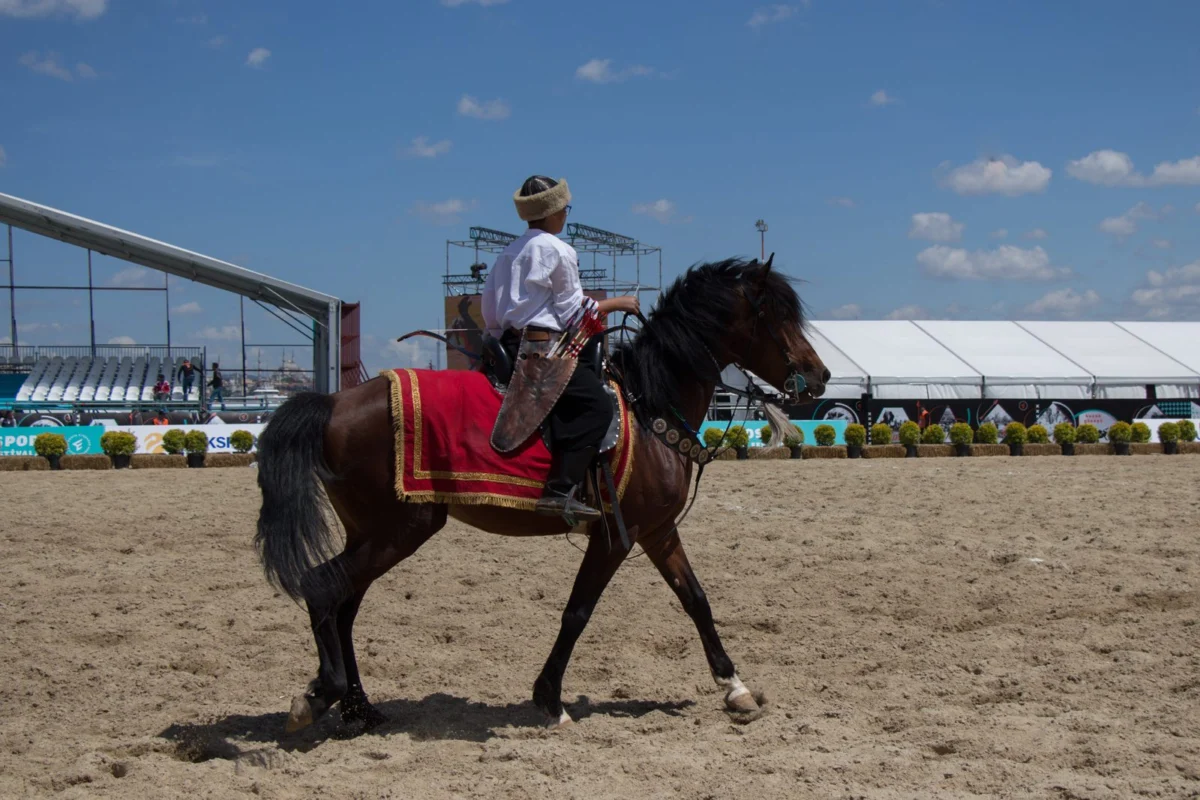
The atmosphere crackles with anticipation, a palpable tension woven into the fabric of every major equestrian event. For riders and their equine partners poised to tackle the formidable cross-country course, a meticulously designed map of challenges clutched in hand, the journey truly begins not with a gallop but with a silent, yet intensely scrutinizing, assessment. Before the pristine tack is donned, the polished boots secured, and the gleaming horse presented at the start box, every pair must navigate the very first, and arguably the most nerve-wracking, obstacle of the competition: the horse inspection, universally known as the trot-up. This seemingly brief encounter is far more than a mere formality; it is a profound declaration of readiness, a testament to months of meticulous preparation, and a non-negotiable safeguard of equine welfare, underpinning the integrity and ethos of eventing.
The Foundation of Fairness and Welfare: A Historical Perspective
Equestrian eventing, a challenging three-phase discipline comprising dressage, cross-country, and show jumping, demands unparalleled athleticism and resilience from its equine participants. Given the extreme physical demands, particularly the endurance phase of cross-country, the welfare of the horse is paramount. The concept of veterinary checks has evolved significantly over the decades, mirroring a global shift towards enhanced animal welfare standards in sports. Early iterations of equestrian competitions had less stringent veterinary oversight, leading to concerns about horse fatigue and injury. The Fédération Équestre Internationale (FEI), the international governing body for equestrian sports, has progressively tightened its regulations, placing horse welfare at the absolute core of its rules. The modern trot-up, as we know it, emerged from this commitment, designed to identify any potential health issues that could compromise a horse’s ability to compete safely and without undue suffering. It is a proactive measure, a front-line defense against preventable injuries, and a visible manifestation of the "horse first" philosophy that now permeates all levels of the sport. Without a successful trot-up, a horse cannot even begin the competition, irrespective of its athletic prowess or the rider’s skill.
Behind the Screens: The Rigorous Veterinary Scrutiny
To consider the trot-up a simple soundness check would be a gross understatement. The inspection panel, a formidable assembly comprising members of the Ground Jury and a highly experienced Veterinary Delegate, operates with a singular, non-negotiable mandate: to ensure every horse is unequivocally fit to compete and will not suffer any undue harm during the demanding phases of the event. They are, in essence, the ultimate guardians of equine welfare on site. Their assessment is meticulously holistic, extending far beyond the superficial.
The Veterinarian’s Comprehensive Checklist
While the detection of lameness remains the primary objective, the panel’s trained eyes absorb a wealth of information in mere seconds. They scrutinize the horse’s general condition: Is it appropriately muscled and conditioned for the specific level of competition? A horse that is either under-conditioned or carrying excess weight raises immediate flags, as both scenarios significantly increase the risk of injury, particularly to joints and soft tissues, over a long and challenging cross-country course. They look for signs of hydration, alertness, and overall demeanor, often referred to as being "in good heart" – a term that encapsulates a horse’s mental and physical readiness. A dull eye, a drooping lower lip, or a general lack of sparkle can indicate systemic issues, even in the absence of overt lameness. Furthermore, the panel will note any dermatological issues, swellings, heat, or old wounds that could potentially interfere with tack placement, cause discomfort, or become exacerbated during competition. The inspection is, therefore, a comprehensive physiological snapshot, providing a crucial baseline of health and readiness before the competitive exertions begin.
Understanding Lameness: From Subtle Nods to Obvious Irregularities
The ability to detect lameness, no matter how subtle, is a hallmark of the inspection panel’s expertise. Their eyes are trained to discern the minutiae: a slight head nod at the trot, a shortened stride in one limb, an uneven weight bearing, a hesitation on the turn, or an irregular rhythm. These indicators, often imperceptible to the untrained observer, are critical clues for the veterinarians. For instance, a horse compensating for pain in a forelimb might raise its head when that limb bears weight, while hindlimb lameness might manifest as an unevenness in the hindquarters’ movement. The ground jury also observes the horse’s willingness to move forward, its overall balance, and its response to being led. Any deviation from a free, symmetrical, and energetic trot will prompt further investigation, potentially leading to the horse being "held" for a re-inspection.
The Rider’s Prowess: Mastering the Art of Presentation
While the veterinary assessment is scientific, the rider’s role in the trot-up is an art form, a critical performance that directly impacts the panel’s ability to make an accurate judgment. It is a team sport, with the handler and horse working in seamless synchronicity.
Impeccable Turnout: A Sign of Respect and Readiness
The presentation begins long before the horse steps into the inspection box. Impeccable turnout is non-negotiable. This means a horse that is not just clean, but gleaming. Hooves meticulously picked, polished, and free of any packing or debris. White socks, if applicable, scrubbed to a brilliant white. The coat brushed to a high sheen, revealing muscle definition and any potential swellings. A clean horse not only demonstrates respect for the officials and the gravity of the occasion but also serves a practical purpose: it makes any subtle anomaly – a minor swelling, a heat spot, or a skin abrasion – immediately visible to the discerning eye of the veterinarian. Conversely, a dirty or poorly presented horse can create an immediate negative impression, potentially obscuring vital details and suggesting a lack of thorough preparation.
The Handler’s Role: Confidence and Precision
The handler’s appearance and demeanor are equally important. Professionalism is key. Riders typically wear neat, practical attire – breeches paired with a crisp polo shirt or a team jacket, often with a tie or scarf for added formality. Footwear should be appropriate for trotting on hard ground, offering both grip and comfort. More importantly, the handler must exude calm confidence. Horses are highly sensitive creatures, and the handler’s energy transmits down the lead rope. A nervous or flustered handler can inadvertently make a horse tense or erratic, potentially masking its natural movement or creating an unfavorable impression. The lead shank should be held firmly in the outside hand (the one furthest from the officials), with the inside hand free, positioned about halfway down the lead rope, ready to provide subtle guidance and maintain a straight line. The handler is the pilot, guiding their equine aircraft with precision and poise.
The Critical Walk and Trot: A Moment of Truth
This is the make-or-break segment, often lasting no more than 30 seconds, where the horse’s movement is laid bare. The procedure is standardized: the handler will be asked to walk the horse a short distance away from the panel, execute a turn, and then trot directly back towards them in a straight line.
Navigating the Trot-Up Lane with Finesse
The turn is a critical component. It should be a smooth, wide, and flowing arc, executed with grace and control. A tight, jerky turn can throw a horse off balance, causing it to stumble or appear stiff, potentially leading to an unwarranted suspicion of lameness. As the pair trot back towards the panel, finding a consistent, rhythmic pace is paramount. The horse should move in a straight line, tracking up freely, with its head and neck in a natural, forward-looking position. The handler must match the horse’s pace perfectly, running alongside its shoulder, neither dragging behind nor pulling ahead. This synchronized movement allows the panel an unobstructed view of the horse’s gait. A subtle, yet highly effective, technique is to train the horse to respond to a specific verbal cue for the trot transition, such as a clear "and trot" or a distinct click. In the high-pressure environment of the trot-up, a physical nudge or a sharp tug on the lead can be misinterpreted as trying to coerce a reluctant or unsound horse. A seamless verbal cue speaks volumes about the level of preparation and partnership. Upon halting in front of the officials, the stop should be crisp and square. The handler should take a deliberate breath, maintaining eye contact with their horse rather than fixating on the judges, projecting an aura of calm control while awaiting further instructions for the standing inspection.
The Standing Examination: Final Details Under Scrutiny
Once halted, the horse must stand quietly and squarely. The officials will then approach, often running a hand down each leg, meticulously feeling for any heat, swelling, or sensitivity. They may pick up a foot to check for a digital pulse, which can be an indicator of soreness or inflammation within the hoof. They will observe the horse’s eyes for brightness and clarity, inspect mucous membranes for healthy coloration, and generally assess its demeanor at close quarters. A horse that fidgets, swings its hindquarters, or attempts to walk off during this phase creates a negative impression, regardless of its soundness. Such behavior suggests a lack of training and discipline, making a thorough examination more challenging for the veterinarians. Therefore, consistent practice at home – having friends simulate the "vet" by touching legs, picking up feet, and standing closely – is invaluable in desensitizing the horse to this intrusive, yet necessary, scrutiny. A horse that stands quietly and respectfully demonstrates not only good manners but also the depth of preparation invested in all aspects of the competition.
FEI Regulations and the "Holding Box": What Happens When a Horse is Held
The outcome of the trot-up falls into three main categories: "Accepted," "Held," or "Eliminated." An "Accepted" declaration means the horse is deemed fit to compete. If the panel has concerns, but these are not immediately conclusive, the horse will be "Held." This signifies that the horse is temporarily withdrawn from the immediate lineup and will undergo a re-inspection, typically at the end of the entire trot-up session. This allows the veterinary team more time to observe the horse, potentially re-trot it, or perform a more detailed hands-on examination away from the main inspection line.
The Decision Process: Accepted, Held, or Eliminated
During the re-inspection, the horse is presented again. The panel looks for improvement or clarification of the initial concern. Often, a brief rest or simply the horse settling down can resolve minor issues. However, if the lameness or concern persists, or if new issues are identified, the horse will be "Eliminated" from the competition. Common reasons for being held or eliminated include subtle lameness, significant swellings, skin lesions that could be aggravated by tack, or signs of systemic illness. While precise global statistics vary by event and year, studies have shown that lameness remains the predominant reason for horses being held or eliminated. For instance, at major FEI events, the percentage of horses held can range from 5-15%, with a smaller fraction ultimately eliminated. This stringent process underscores the FEI’s unwavering commitment to equine welfare. Riders have the right to appeal a decision, but such appeals are rare and generally only considered on procedural grounds, not on the veterinary judgment itself.
Broader Implications: Upholding Integrity and Equine Well-being
The horse inspection extends its influence far beyond the immediate moment, touching upon the very fabric of equestrian sport.
The Rider’s Journey: From Preparation to Performance
For the rider, an elimination at the trot-up can be devastating. It represents the culmination of months, sometimes years, of training, financial investment, and emotional dedication, all brought to an abrupt halt. It can impact a rider’s career, their reputation, and their psychological readiness for future events. This intense pressure, however, serves a vital purpose: it incentivizes meticulous care and preparation. Riders are compelled to monitor their horses’ health with extreme diligence, addressing even the most minor concerns long before competition day. This constant vigilance fosters superior horsemanship and deepens the bond between horse and rider, rooted in mutual trust and respect.
The Sport’s Commitment: A Beacon of Welfare
For the sport of eventing, the stringent trot-up procedures are crucial for maintaining public trust and ensuring its long-term viability. In an era of heightened awareness regarding animal welfare, the transparent and rigorous veterinary inspections demonstrate equestrian sport’s commitment to prioritizing its equine athletes. This commitment helps to safeguard the sport’s reputation, attracting new participants and maintaining the support of fans and sponsors. It ensures that only genuinely fit and healthy horses compete, thereby minimizing the risk of serious injury and upholding the ethical standards expected of modern sports. Future developments in veterinary science, such as advanced gait analysis technologies or thermal imaging, may further enhance the accuracy and objectivity of these inspections, providing even more robust safeguards for equine well-being.
Conclusion: Beyond the Ribbon – A Partnership Affirmed
The horse inspection is not merely a hurdle to clear; it is the inaugural and most profound act of partnership in the eventing drama. It is a public affirmation of the immense responsibility we bear towards these magnificent animals that carry us. When a rider presents a fit, healthy, and impeccably prepared horse with professionalism and poise, they are doing more than just passing a test. They are honoring the sport’s deep traditions, respecting the officials’ crucial role, and, most importantly, paying homage to the incredible spirit and athleticism of the creature standing proudly beside them. It is a moment of quiet confidence, a shared breath before the storm, signifying that both partners are truly ready for the challenges ahead. It is a testament to the fact that in equestrian eventing, the welfare of the horse is not just a rule, but a guiding principle, a silent promise whispered between horse and rider: "We are ready, together."







