

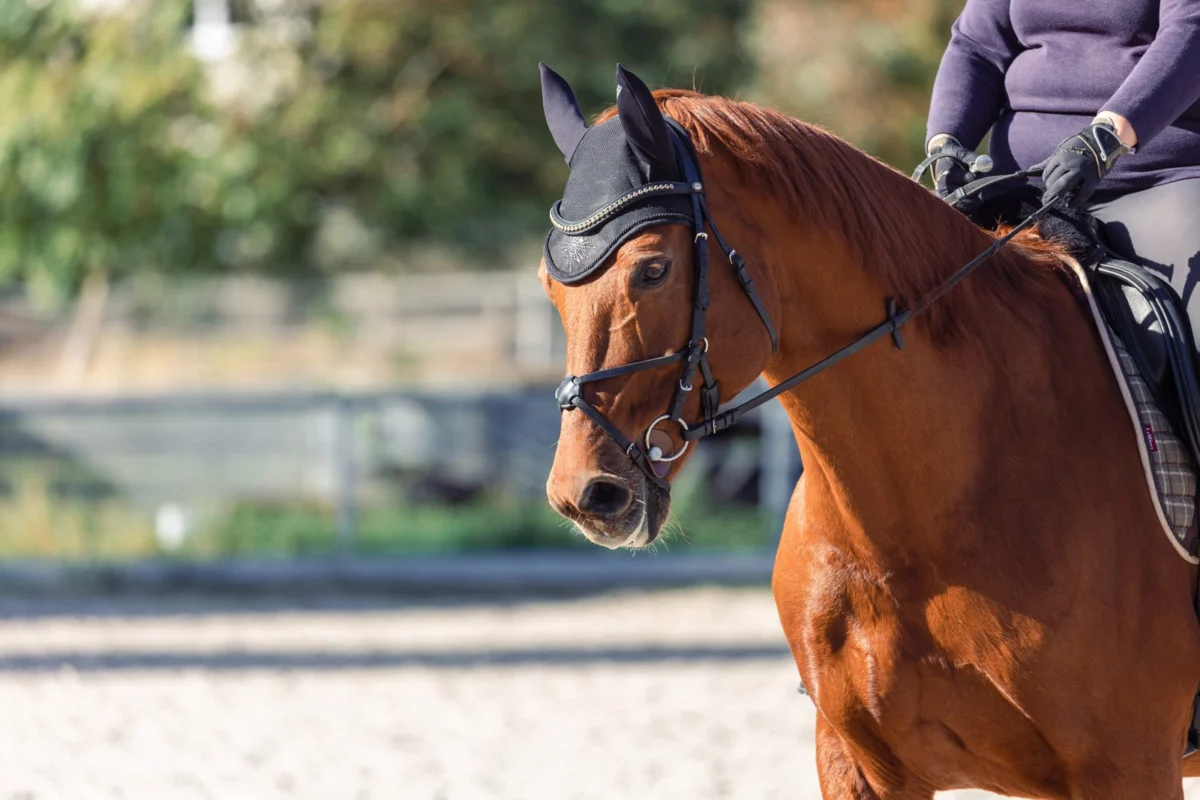
Equestrian sport has long celebrated the classic hunter ring, a discipline revered for its elegance, precision, and the harmonious partnership between horse and rider. Generations of competitors have honed their skills over rhythmic eight-stride bending lines, executed quiet chips to verticals, and perfected the picture-perfect release. Yet, as the sport continually seeks to evolve and challenge its participants, a dynamic new class has emerged, captivating audiences and riders alike: the Hunter Derby. This innovative format transcends the traditional, introducing elements that echo the thrill of cross-country while retaining the timeless grace of the hunter. It represents a significant evolution, demanding not only impeccable style but also a heightened degree of athleticism from the horse and strategic acumen from the rider, effectively showcasing a hunter’s true versatility and a partnership’s profound depth.
The Genesis and Evolution of the Hunter Derby
The Hunter Derby, particularly the United States Hunter Jumper Association (USHJA) International Hunter Derby program, was conceived in the mid-2000s as a strategic initiative to reinvigorate the hunter discipline. By 2007, the sport faced challenges related to spectator engagement and the perceived monotony of repetitive hunter courses. The USHJA sought to introduce a class that would pay homage to the sport’s roots in foxhunting while pushing the boundaries of athleticism and horsemanship. The objective was clear: create a championship event that would highlight horses with exceptional jumping ability, adjustability, and bravery over more challenging, natural-looking obstacles, all while maintaining the classic hunter style. This vision materialized into a two-round competition designed to reward scope, brilliance, and strategic riding. Since its inception, the Hunter Derby has grown exponentially in popularity, becoming a highlight at major horse shows across North America and influencing similar formats globally, injecting renewed excitement and prestige into the hunter discipline.
The Philosophical Core: Natural Fences and Enhanced Visuals
Central to the Hunter Derby’s distinct identity are its natural fences. A walk through a Derby course immediately reveals a departure from the conventional, brightly painted planks and plain white gates of standard hunter classes. Instead, competitors encounter brush boxes mimicking dense hedges, rustic log piles, imposing faux stone walls, and solid coops that evoke the authenticity of a hunt field. This aesthetic is far more than mere decoration; it embodies the philosophical core of the class, deliberately designed to simulate the varied obstacles encountered during a traditional hunt across country.
The practical implications of these natural fences are profound. Unlike skinny verticals or delicate rails, a solid, imposing brush or wall provides the horse with a much clearer and more substantial visual. This enhanced visual clarity encourages a bolder, more confident approach and jump, as the horse can more accurately perceive its takeoff point and the entirety of the obstacle it needs to clear. For the rider, this translates into a subtle yet significant shift in technique. The emphasis moves away from meticulously holding and "packaging" the horse for a technically precise stride, towards presenting the horse to the fence in a flowing, forward, and confident manner, then allowing it to perform its natural athletic function.
Judging criteria also adapt to this philosophy. Judges are specifically looking for a round, basculing arc over these fences—a powerful, athletic jump where the horse actively uses its back, rounds its topline, and tucks its knees tightly. This contrasts with the ultra-tight, front-end focused style sometimes rewarded over delicate rails, where a slight rub might be forgiven if the form is impeccable. In a Derby, the jump is judged for power, scope, and the horse’s willingness to commit, not just precision. This encourages horses to truly "open up" over the fences, demonstrating the scope and bravery inherent in a top-tier hunter. The construction materials, often including natural wood, brush, and faux stone, also require horses to be more educated and less reliant on brightly colored visual cues, further distinguishing Derby horses as versatile athletes.
Mastering the Make-or-Break Movement: The Hand Gallop
If the natural fences define the Derby’s visual appeal, the hand gallop unequivocally defines its dynamic feel and demands. This movement is not a runaway dash for speed; rather, it is a meticulously controlled, powerful lengthening of stride that serves as a critical demonstration of the horse’s adjustability, boldness, and responsiveness. Typically required on a longer approach to the final fence of the Classic Round, and often integrated into the Handy Round, the hand gallop is a highly scored movement, frequently carrying double the weight of an ordinary jump, underscoring its pivotal role in the overall performance.
The execution of a flawless hand gallop is predicated on meticulous preparation. It is not a spontaneous burst of speed initiated halfway down a line. The transition must commence several strides prior, allowing for a smooth, gradual build-up of momentum and the establishment of a new, stronger, yet rhythmic pace. The rider’s position becomes paramount: sinking deeply into the heels, closing the hip and knee angles, and allowing the body to absorb and move harmoniously with the horse’s more expansive stride. This is decidedly not the moment for a light seat or a defensive, backward posture; instead, the rider must actively ride the momentum they create, becoming one with the horse’s powerful surge forward.
A common pitfall, and one frequently penalized by judges, is sacrificing the quality of the canter in pursuit of raw speed. A frantic, flat, or scrambling pace, indicative of a horse that has lost its balance or rhythm, will invariably detract from the score more severely than a moderately forward but impeccably rhythmic and balanced hand gallop. The ideal hand gallop showcases a horse that is eager, forward-thinking, adjustable, and critically, still listening to its rider’s aids. As the horse and rider approach the final fence, the rider’s ultimate task is to channel that generated power, rather than attempting to contain it, allowing the horse to meet the fence precisely in stride and jump out of its powerful, forward rhythm. A flawlessly executed jump following a true hand gallop is consistently one of the most thrilling and highly rewarded moments in the show ring, often securing significant points that can determine the outcome of the class.
The Strategic Gamble: High Options and Calculated Risk
The Hunter Derby introduces a compelling strategic dimension through its high-option fences, transforming the competition into a veritable chess match. Typically positioned at two designated points on the course, these options present a choice: a taller, wider, or more imposing version of a fence set alongside a lower, mandatory track. Successfully navigating a high option with impeccable style earns valuable bonus points—generally 4 extra points for the first high option and 8 for the second. However, a mistake, such as a rail down or a refusal, at a high option incurs greater penalties, making the decision a high-stakes gamble.
This strategic choice demands careful consideration long before entering the ring. Riders and trainers must objectively assess their horse’s capabilities. Is the horse a powerful, scopey jumper that thrives over bigger obstacles, confidently clearing them with ease? Or is it a careful, rhythm-dependent horse whose strengths are maximized by maintaining a consistent, flawless pace over the classic track? It is crucial to understand that there is no inherent shame in opting to skip the high options; indeed, many professional derbies have been won on the sheer brilliance of a horse’s hand gallop and an overall clean, flowing performance on the lower track.
The potential for a significant score swing underscores the gravity of this decision. A rail down at a high option not only costs the standard 4 jumping faults but also forfeits the bonus points that would have been awarded. This creates a potential 12-point negative swing (4 faults + 8 forfeited bonus points for the second high option), a margin that can be exceedingly difficult to recover from in a competitive field. Consequently, a clean, brilliant round executed entirely on the low track will almost invariably outperform a risky, flawed round that attempted the high options but incurred penalties. This strategic element adds layers of complexity, rewarding riders who understand their horse’s strengths and weaknesses, and who can make calculated decisions under pressure.
The Two-Round Format: A Comprehensive Test of Horsemanship
The Hunter Derby is typically structured as a two-round competition, a format designed to provide a comprehensive test of the horse’s athletic ability, versatility, and the rider’s horsemanship. Understanding the distinct objectives of each round is fundamental to a successful strategy.
The Classic Round serves as the initial phase. This is where competitors first encounter all the defining hallmarks of the Derby: the aesthetically pleasing and challenging natural obstacles, the critical high-option choices, and the exhilarating hand gallop to the final fence. Judging in this round is a meticulous combination of several factors: the horse’s jumping style, its pace and rhythm, its movement on the flat, and the effectiveness of the rider’s strategic decisions regarding the high options. Scores are awarded based on these criteria, often including base points for each jump, additional points for style and brilliance, and the bonus points for high options. The top-scoring horses from the Classic Round, typically the top 12 or 20 depending on the show, then advance to the second phase.
The Handy Round is designed to showcase the horse’s agility, responsiveness, and the rider’s cleverness and skill in navigating a more technical course. This round is generally shorter, featuring tighter turns, more intricate lines, and often incorporates specific handy maneuvers. Riders might encounter rollback turns, which require quick changes of direction; opportunities to land and strategically leave out or add a stride in a related line, testing adjustability; and a mandatory trot jump, demanding impeccable transitions and control. The hand gallop is almost always featured again, often to a critical fence. The scores from both the Classic and Handy Rounds are then added together to determine the final overall total, with the highest combined score declaring the Derby champion.
This two-round format is precisely what rewards the true hunter athlete—a horse that is not only beautiful, careful, and stylish but also intelligent, incredibly adjustable, and undeniably brave. It’s the unique combination of these qualities that differentiates a merely good show hunter from a Derby champion, demanding a level of versatility and partnership rarely seen in other hunter classes.
Broader Implications and Future Trajectory
The rise of the Hunter Derby has had significant implications across the equestrian landscape. For horse breeding and training, it has placed a renewed emphasis on selecting and developing horses that possess not only the classic hunter conformation and elegant movement but also superior scope, bravery, and adjustability. Trainers are now incorporating more diverse exercises into their routines, including those that mimic natural obstacles and demand greater rideability at varying speeds, preparing horses for the specific challenges of the Derby.
For riders, the Derby has elevated the standard of horsemanship. It demands a sophisticated blend of traditional hunter precision, strategic thinking, and the bold, forward riding characteristic of cross-country. This comprehensive skill set contributes to the development of more well-rounded and versatile equestrians.
From a spectator’s perspective, the Hunter Derby has proven to be a resounding success. The naturalistic courses, the dramatic hand gallops, and the high-stakes decisions surrounding high options create a more engaging and visually dynamic experience compared to traditional hunter classes. This increased spectator appeal has boosted attendance and media interest, contributing to the sport’s broader outreach and commercial viability. Prize money in Derby classes, especially at the International Hunter Derby level, has also significantly increased, attracting top competitors and further cementing its prestige.
In conclusion, the Hunter Derby is more than just another class; it represents a vibrant conversation between horse and rider, a profound test of trust over imposing fences, and a calculated risk for bonus points. It skillfully captures the enduring spirit of the hunt and brings it vibrantly into the modern show ring. With its unique blend of tradition and innovation, the Hunter Derby has not only enriched the hunter discipline but has also set a new benchmark for athleticism and strategic horsemanship, promising to remain one of the most rewarding and exhilarating classes in equestrian sport for years to come.







