
 rifanmuazin
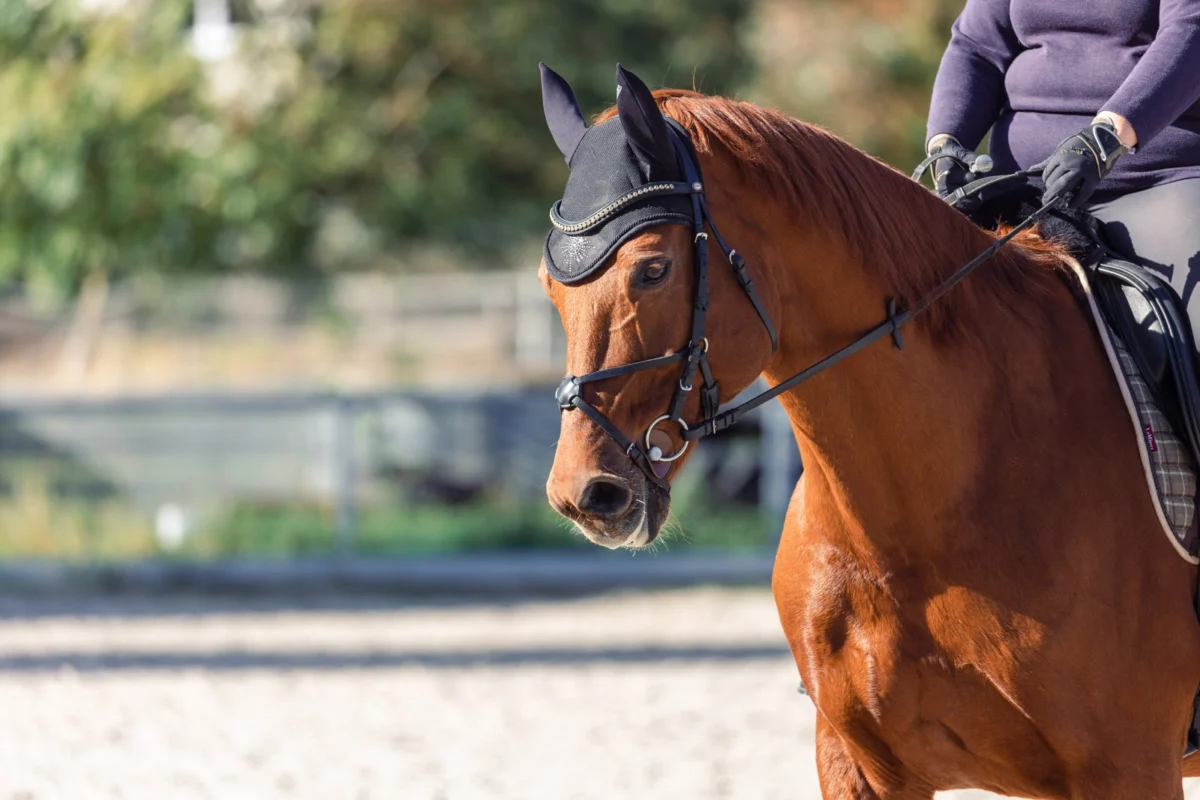
Equestrian enthusiasts are increasingly drawn to a dynamic class that transcends the traditional hunter ring, offering a compelling blend of classic elegance and exhilarating athleticism: the Hunter Derby. This innovative competition challenges horse-and-rider pairs beyond the familiar rhythmic eight strides and picture-perfect releases, introducing naturalistic obstacles, demanding hand gallops, and strategic high-option fences that test both boldness and precision. More than a mere variation, the Hunter Derby represents a significant evolution within the sport, harmonizing the timeless grace of the hunter discipline with the adrenaline-fueled spirit reminiscent of cross-country riding. It provides a platform for hunters to demonstrate their true scope and adjustability, while riders showcase sophisticated horsemanship and strategic decision-making.
The Genesis and Evolution of the Hunter Derby
The Hunter Derby concept emerged in the early 21st century as a response to a desire within the hunter/jumper community to revitalize the hunter discipline and showcase a broader range of equestrian skills. While traditional hunter classes prioritize consistency, conformation, and classic form over standardized courses, there was a growing sentiment for a format that allowed horses to exhibit more power, bravery, and adaptability – qualities inherent to their historical role as foxhunters. The United States Hunter Jumper Association (USHJA) played a pivotal role in formalizing this vision, launching the International Hunter Derby program in 2007. This initiative was designed to offer significant prize money and prestige, elevating the hunter discipline to new heights and attracting top-tier competitors.
The program’s success led to the subsequent introduction of the National Hunter Derby series, expanding the format’s accessibility to a wider range of horses and riders at various competitive levels. This timeline underscores a deliberate and successful effort to innovate within a sport deeply rooted in tradition, providing a fresh challenge that resonates with both participants and spectators. The Derby effectively bridged the gap between the refined elegance of the show ring and the rugged demands of the hunt field, creating a unique spectacle that emphasizes versatility and athletic prowess.
The Philosophical Core: Natural Obstacles
A defining characteristic of the Hunter Derby is its commitment to naturalistic fences. Unlike the uniform, brightly painted rails and gates common in standard hunter courses, Derby courses feature obstacles designed to mimic elements found in a traditional hunting landscape. Riders and spectators encounter brush boxes resembling dense hedges, rustic log piles, faux stone walls, and coops that evoke countryside barriers. This aesthetic choice is not merely decorative; it is fundamental to the Derby’s philosophy, aiming to test a horse’s natural instinct and confidence over solid, visually imposing structures.
The practical implications of these natural fences are profound. A solid brush or wall provides a horse with a clearer visual reference than a light vertical, often encouraging a bolder, more committed jump. This clarity can help horses better judge their takeoff point and the scope required to clear the obstacle, fostering a more confident performance. For the rider, this translates into a subtle shift in technique. The emphasis moves from meticulously holding and "packaging" the horse for a technically precise stride to presenting the horse to the fence in a flowing, forward manner, allowing its natural athleticism to take over. The judging criteria also adapt; judges seek a round, basculing arc – a powerful, gymnastic effort where the horse uses its back effectively and tucks its knees tightly, distinct from the sometimes flatter, front-end-focused style seen over delicate rails. This emphasizes a jump of power and scope, not solely precision.
The Make-or-Break Movement: The Hand Gallop
Central to the Derby’s appeal and challenge is the hand gallop, a movement that demands both power and precise control. This is not a runaway dash but a carefully orchestrated lengthening of stride, showcasing a horse’s adjustability, impulsion, and willingness. Typically required as a significant, often final, element of the course, the hand gallop is a scored movement, frequently carrying amplified weight in the judging—sometimes double the points of an ordinary jump.
Mastering the hand gallop necessitates meticulous preparation. A sudden acceleration midway down a line is insufficient. The transition must commence several strides out, gradually building momentum and establishing a new, more powerful yet balanced rhythm. The rider’s position is critical: a deep seat, closed angles, and a body that moves harmoniously with the horse’s extended stride are essential. This is not the moment for a light, defensive seat; rather, the rider must actively engage and ride the momentum created.
A common error observed is the sacrifice of canter quality in pursuit of speed. A frantic, flat, or scrambling pace will incur greater penalties than a moderately forward but consistently rhythmic and balanced gallop. The ideal hand gallop demonstrates a horse that is eager, responsive, and remains attentive to the rider’s aids. As the pair approaches the designated fence from the gallop, the rider’s task is to channel that harnessed power, allowing the horse to meet the obstacle in stride and jump from its established rhythm. A flawlessly executed jump following a true hand gallop is among the most thrilling displays in the show ring, and judges consistently reward such performances with high scores, reflecting the skill and athleticism involved.
Strategic Gambles: High Options
The Hunter Derby introduces a significant strategic element through its high-option fences. Positioned alongside standard, mandatory track obstacles, these high options are typically taller, wider, or more imposing versions of the fence. Successfully navigating a high option earns bonus points – commonly 4 extra points for the first high option and 8 for the second in many sanctioned classes. However, any mistake at a high option, such as a rail down or a refusal, incurs greater penalties, creating a substantial swing in the score.
The decision to take a high option is a calculated gamble, requiring careful consideration long before entering the ring. Riders must objectively assess their horse’s capabilities: Is it a powerful, scopey jumper that thrives over larger fences, or is it a more careful, rhythm-dependent horse that performs optimally on the lower, classic track? Trainers frequently advise against forcing a horse beyond its comfort zone for the sake of bonus points. Many professional Derbies have been won by pairs who opted for the lower track, demonstrating exceptional brilliance in their hand gallop and overall performance, rather than risking faults on the high options.
The financial implications of a mistake at a high option are notable. A knocked rail not only costs the standard 4 jumping faults but also forfeits the bonus points associated with the high option, potentially resulting in a 12-point negative swing (4 faults + 8 lost bonus points). This emphasizes that a clean, brilliant round on the lower track almost invariably outperforms a risky, flawed attempt on the high one. This strategic depth adds a "chess match" quality to the competition, where riders must balance ambition with pragmatism.
The Two-Round Format: A Comprehensive Test
Hunter Derbies are typically judged over two distinct rounds, each designed to test different facets of the horse-and-rider partnership. Understanding this structure is paramount to developing a successful competitive strategy.
The Classic Round is the initial phase, featuring the hallmarks of the Derby: natural obstacles, the strategic choice of high-option fences, and a mandatory hand gallop to a concluding obstacle. Scoring in this round is comprehensive, encompassing jumping style, pace, horse movement, and the effectiveness of the rider’s strategic decisions regarding high options. This round evaluates the horse’s scope, consistency, and classic hunter form under increased challenge.
The top-scoring horses from the Classic Round (often the top 12 or 15, depending on the number of entries) then return for the Handy Round. This round is designed to be shorter, tighter, and more intricate, explicitly showcasing the horse’s agility, responsiveness, and the rider’s cleverness and precision. Courses in the Handy Round might include elements such as tight rollback turns, opportunities to demonstrate adjustability by adding or leaving out strides in related lines, and often a required trot jump, demanding impeccable transitions and control. The hand gallop is typically featured again, reaffirming its importance. Handy points are awarded for executing these maneuvers smoothly and efficiently.
Scores from both the Classic and Handy Rounds are aggregated to determine the final standings. This two-round format profoundly rewards the true hunter athlete – a horse that is not only beautiful, careful, and conformationally excellent but also intelligent, adjustable, and brave. It’s this comprehensive evaluation that distinguishes a good show hunter from a Derby champion, showcasing a versatile partnership capable of both classic elegance and dynamic athleticism.
Broader Impact and Implications for Equestrian Sport
The proliferation of the Hunter Derby has had significant implications across the equestrian industry. Financially, the Derby circuit has infused substantial prize money into the hunter discipline, attracting new sponsors and increasing the professionalization of the sport. Top-tier International Hunter Derbies can offer prize money ranging from tens of thousands to over $200,000, creating lucrative opportunities for owners, riders, and trainers. This has, in turn, stimulated interest in breeding and acquiring horses specifically suited for the Derby format – powerful, scopey, and intelligent animals with good temperament and adjustability.
Training methodologies have also evolved. Trainers now place greater emphasis on developing a horse’s boldness over natural obstacles, refining hand gallop transitions, and honing the adjustability required for handy courses. Riders are increasingly focusing on strategic course planning and developing a deeper understanding of their horse’s strengths and weaknesses under pressure.
From a spectator perspective, the Hunter Derby offers a more dynamic and engaging experience than traditional hunter classes. The natural fences, the thrill of the hand gallop, and the strategic tension of the high options create a compelling narrative, drawing larger crowds and increasing media interest. This enhanced visibility contributes to the broader appeal of equestrian sport, potentially attracting new participants and enthusiasts. Industry experts suggest that the Derby format has successfully broadened the definition of a "champion hunter," celebrating a more athletic and versatile type of horse, while retaining the discipline’s core values of style and grace.
In conclusion, the Hunter Derby stands as a testament to innovation within equestrian sport. It is a sophisticated conversation between horse and rider, a profound test of trust over imposing, naturalistic fences, and a calculated gamble for bonus points that demands strategic acumen. It successfully encapsulates the spirit of the hunt, reinterpreted for the modern show ring, offering a rewarding and exhilarating challenge for those who seek to push the boundaries of traditional hunter competition. With its blend of history, athleticism, and strategic depth, the Hunter Derby is poised to continue its trajectory as one of the most prestigious and captivating classes in the equestrian world.








