

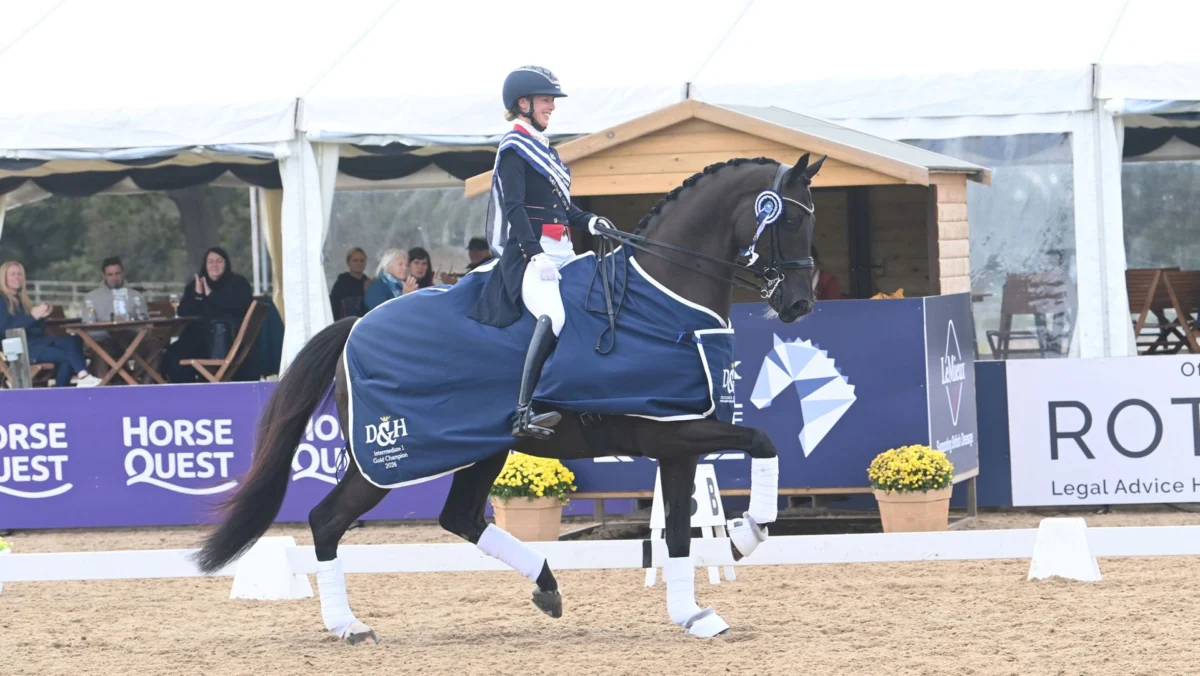
It has been a few weeks since the LeMieux National Dressage Championships at Somerford Park, and the echoes of both triumph and challenge continue to resonate within the equestrian community. For some, the event culminated in career-defining victories, while for others, it presented an unforeseen test of adaptability and nerve, underscoring the unpredictable nature of elite sport.
A Tale of Two Halves: Early Success and Grand Prix Adversity
The championships, a cornerstone of the British dressage calendar, typically draw the nation’s most accomplished riders and their equine partners, all vying for coveted national titles. This year’s event, held at the renowned Somerford Park in Cheshire, was no exception, showcasing the pinnacle of dressage talent. However, for one prominent rider, the experience presented a stark contrast between early elation and late-stage disappointment.
The initial days of the competition were nothing short of spectacular for the athlete in question. A remarkable start saw them secure a decisive victory in the Prix St Georges, followed by another commanding win in the Intermediaire I. These performances signalled strong form and high expectations for the ultimate test: the Grand Prix. With two significant titles already secured, the Grand Prix represented the culmination of a highly successful championship campaign, with hopes soaring for a clean sweep of the top-level freestyle and individual tests.
However, the narrative took a dramatic turn as the rider prepared for their Grand Prix debut. The warm-up for "Full Moon II" (affectionately known as Moony) commenced under conditions that, while familiar to many in the British Isles, proved to be more than just a typical downpour. The rider’s initial apprehension was minimal, having experienced countless competitions under inclement weather. The expected challenges of navigating a dressage arena in the rain were well within their repertoire.
The Deluge and the Unexpected Shift
The true anomaly occurred not during the test itself, but in the moments leading up to its commencement. As the rider was completing their final trot around the arena, a significant shift in the spectator dynamic became apparent. The anticipated audience presence in the uncovered stands dwindled rapidly as attendees sought refuge in the covered areas. More strikingly, the judges, who are positioned in a covered arena-side booth, resorted to activating their headlights and windscreen wipers. This unusual measure indicated an intensity of rainfall that significantly impacted visibility and potentially the overall atmosphere of the competition arena.
The implications of such weather conditions on a Grand Prix test are multifaceted. Visibility is paramount for both horse and rider. The judges, who meticulously score every movement based on precision, harmony, and overall impression, rely on clear sightlines. Reduced visibility can lead to misinterpretations of movements, affecting the accuracy of their marks. Furthermore, the sheer volume of water can alter the footing of the arena, creating slippery patches or uneven surfaces that can compromise the horse’s confidence and ability to perform at its best. The sound of heavy rain can also be a significant distraction for horses, particularly those that are sensitive or inexperienced at this level.
The Impact of Weather on Elite Dressage
The LeMieux National Dressage Championships, like many outdoor equestrian events, are subject to the vagaries of the British weather. While organizers often implement contingency plans, extreme conditions can still pose significant challenges. The Grand Prix, representing the highest level of dressage, demands absolute precision and partnership. Any external factor that disrupts this delicate balance can have a profound impact on the outcome.
Historically, adverse weather has played a role in shaping the results of major equestrian competitions. From wind gusts that can spook horses to heavy rain that can make footing treacherous, these elements test not only the horse and rider’s skill but also their mental fortitude and adaptability. In dressage, where the smallest deviation can result in a penalty, such conditions can be particularly detrimental.
The specific incident at Somerford Park, where judges resorted to headlights and wipers, suggests a level of precipitation that was far beyond a typical shower. This would have undoubtedly created an unsettling environment for Moony, who, despite his experience, would have been exposed to unusual stimuli during a critical phase of his performance. The rider’s "high hopes" being "drowned in the deluge" is a poignant, albeit personal, reflection of how these environmental factors can derail even the most meticulously planned campaigns.
Broader Context and Future Implications
The LeMieux National Dressage Championships serve as a crucial benchmark for British dressage riders, often acting as a selection event for international competitions and a showcase for emerging talent. The event’s prestige means that the performances delivered are scrutinized by a wide audience, including fellow competitors, national selectors, and equestrian enthusiasts.
While the rider’s personal experience in the Grand Prix was one of disappointment, it also serves as a valuable case study in the realities of elite equestrian sport. It highlights the importance of resilience and the ability to perform under pressure, even when faced with unexpected challenges. For future events, this incident may prompt discussions about enhanced weather monitoring and contingency planning, particularly concerning the comfort and visibility of judges and officials.
The success achieved by the rider in the Prix St Georges and Intermediaire I demonstrates their considerable skill and the strong partnership they share with Full Moon II. These victories remain significant achievements and will undoubtedly contribute positively to their overall season and future prospects. The Grand Prix performance, though hampered by external factors, does not diminish the talent and dedication displayed throughout the championship.
The event also underscores the ongoing evolution of dressage as a sport. With increasing professionalization, the demands on both horse and rider are immense. The ability to adapt to diverse conditions, manage stress, and maintain peak performance under pressure are as critical as the technical execution of the dressage tests themselves.
Looking Ahead
As the equestrian world moves forward, the lessons learned from events like the LeMieux National Dressage Championships are invaluable. They remind us that while sport is about skill, dedication, and the pursuit of excellence, it is also inherently linked to the environment in which it is contested. The resilience shown by riders, organizers, and indeed the horses themselves, in the face of adversity, is a testament to the enduring spirit of equestrianism. The Somerford Park championships, with its mix of brilliant success and unforeseen challenges, will undoubtedly be remembered as a compelling chapter in the ongoing story of British dressage. The focus now shifts to future competitions, where riders will continue to hone their skills, seeking to replicate the highs and learn from the inevitable challenges that define the pursuit of equestrian greatness.







