

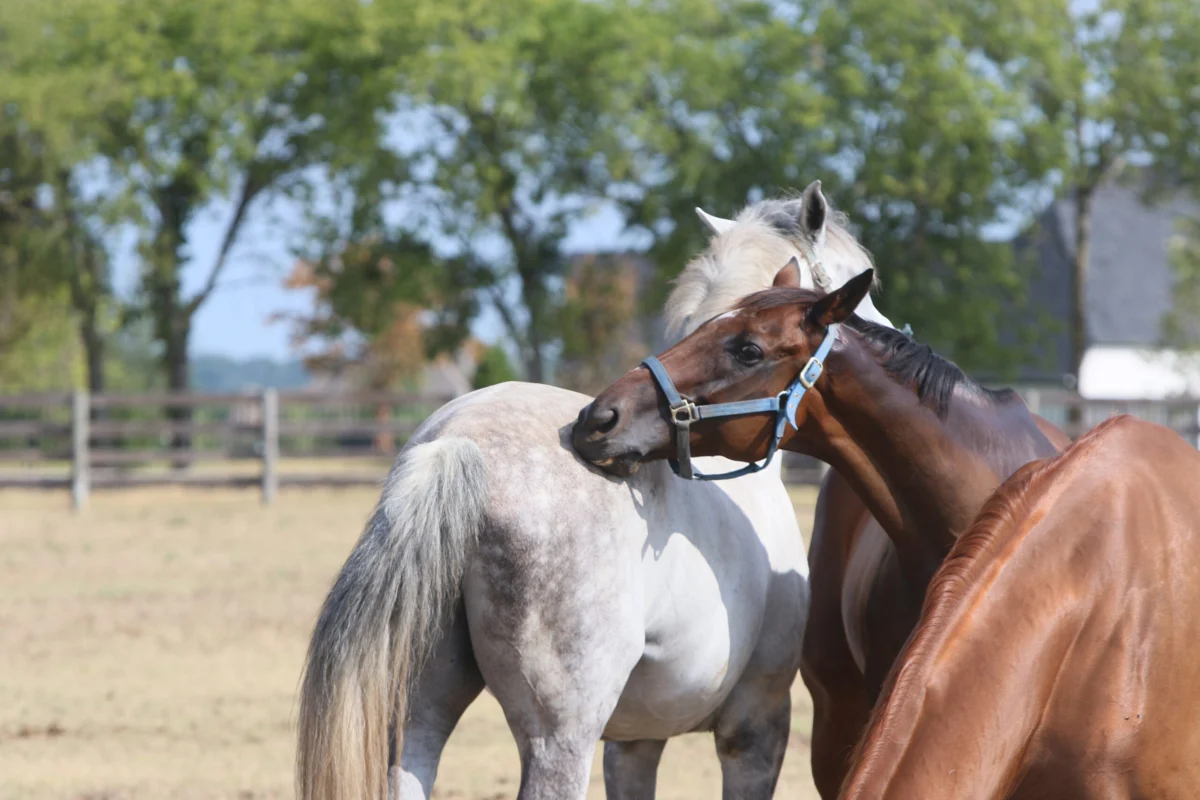
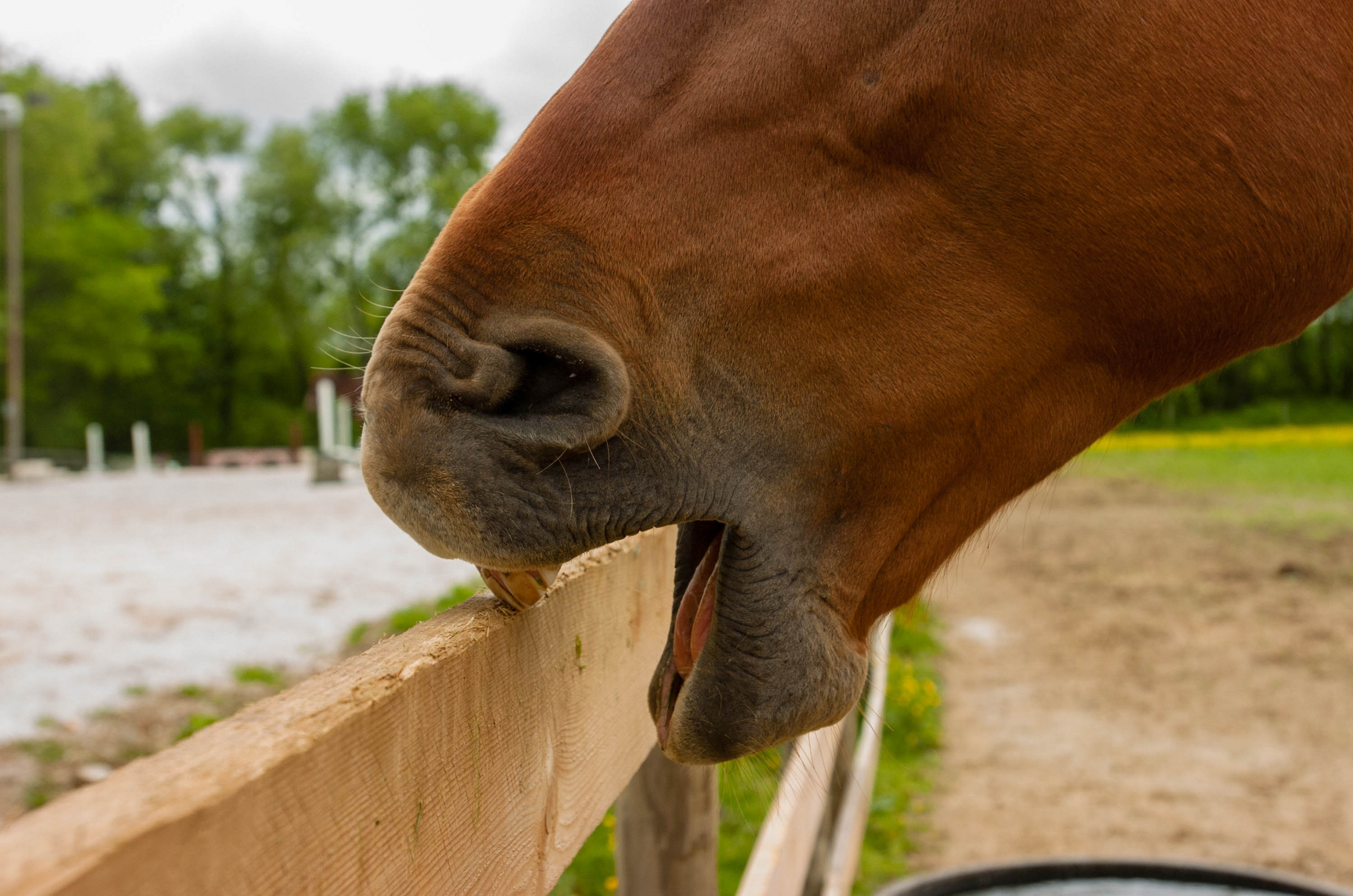
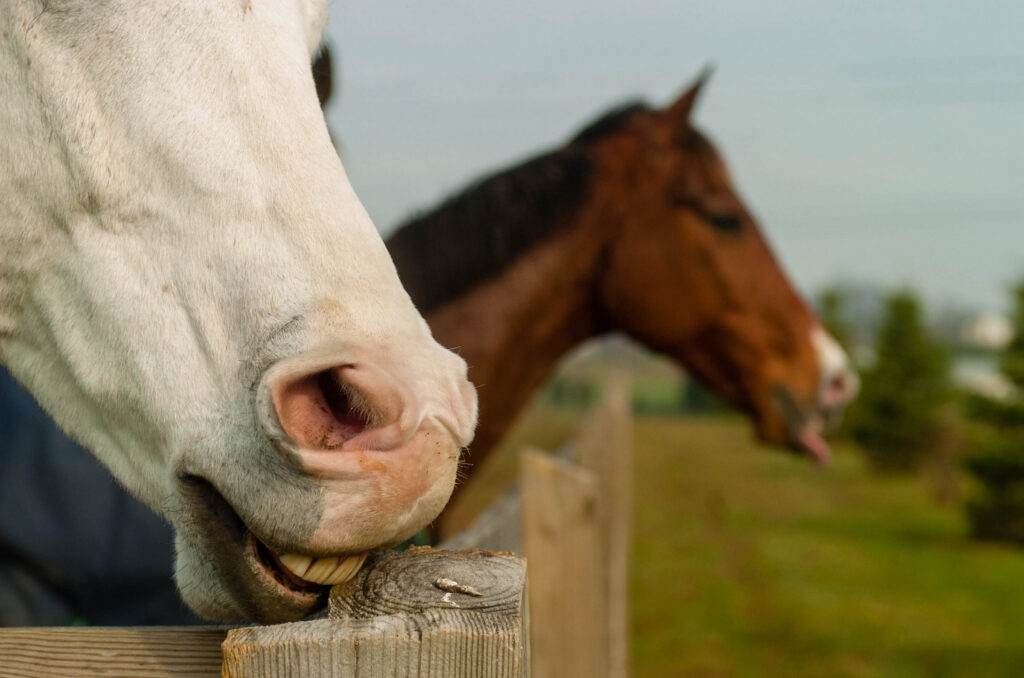
Cribbing, a peculiar behavior observed in horses where they grasp a horizontal surface with their incisors and draw in air with a grunting sound, has long been a subject of fascination and concern within the equine community. For decades, the exact triggers and mechanisms behind this habit remained shrouded in speculation, with theories ranging from simple boredom to complex physiological responses. However, a deeper understanding has emerged, revealing a multifaceted issue influenced by diet, genetics, and management practices. This article delves into the current scientific understanding of cribbing, exploring its contributing factors, significant consequences, and the most effective strategies for its prevention and management.
Historically, the prevailing theories about cribbing were largely anecdotal. Fifty years ago, it was commonly believed that cribbing was a manifestation of boredom or chronic pain in horses. Some experts posited that the act released endorphins, the body’s natural painkillers and mood elevators, offering a form of self-soothing for the animal. Another prominent hypothesis suggested that hungry horses cribbed to ingest air, creating a false sense of fullness to alleviate their hunger pangs. This idea was particularly prevalent in environments where feeding schedules might have been less consistent.
Furthermore, the notion that cribbing was a learned behavior, transmitted from one horse to another, was widely accepted among veterinarians and equine behaviorists. This belief was often fueled by observations of cribbing occurring more frequently in certain stables or herds. The strong association of cribbing with off-the-track Thoroughbreds also raised questions about the influence of the racetrack environment and its demanding lifestyle on the development of this habit. The high-pressure, often intensive training regimens, coupled with potential periods of confinement and social isolation, were suspected to play a role, though the precise links remained unclear.
Factors Contributing to the Development of Cribbing
Recent research has begun to unravel the complex interplay of factors that contribute to a horse acquiring a cribbing habit. Diet stands out as a particularly significant influencer, with a direct correlation observed between the type of feed and the frequency of cribbing. A lack of sufficient roughage, or forage, in a horse’s diet has been identified as a key contributor. Conversely, when horses are provided with ample forage, the occurrence of cribbing significantly decreases. This suggests that the digestive physiology of horses, which are naturally grazers designed to process large amounts of fibrous material, is intimately linked to their behavioral well-being.
The impact of concentrated feeds, particularly those high in sugars, has also been rigorously studied. Research has shown that horses fed a diet rich in sweetened feeds exhibit cribbing behavior for a substantial portion of the day – approximately 30% – compared to those fed plain oats, where cribbing occupied only about 16% of their time. Even seemingly benign treats like horse cookies, carrots, and apples, due to their sugar content, can act as inciters for cribbing. This reliable response has been so consistently observed that researchers often utilize these dietary challenges as a benchmark when evaluating the efficacy of drugs designed to reduce cribbing.
Beyond the specific composition of feed, the duration of time a horse spends without access to food or forage also plays a critical role. Prolonged periods without sustenance can lead to both emotional and physical stress in horses. This stress, in turn, heightens their susceptibility to developing cribbing behaviors. The concept of "feast or famine" feeding schedules, which can be inadvertently implemented in certain management scenarios, can therefore have detrimental effects on a horse’s behavioral health.
The Intertwined Relationship with Gastric Ulcers
A compelling area of ongoing research is the observed link between cribbing and an increased incidence of gastric ulcers in horses. While the association is clear, the causal relationship remains a subject of debate. It is not yet definitively understood whether cribbing leads to ulcers, or if ulcers predispose horses to cribbing, or if a third factor influences both. It is important to note that not all cribbers develop ulcers, and conversely, many horses with ulcers do not exhibit cribbing.
However, the physiological mechanisms involved offer some insights. Cribbing behavior has been shown to stimulate the vagus nerve, a major nerve that plays a role in regulating various bodily functions, including digestion. Stimulation of the vagus nerve can lead to a decrease in stomach acidity. This might offer a temporary physiological benefit to a horse experiencing discomfort from ulcers, making cribbing a self-reinforcing behavior. Studies have particularly highlighted that foals who crib exhibit more severe stomach ulceration issues compared to their non-cribbing counterparts, underscoring the potential impact on young, developing horses.
Genetic Predisposition and Breed-Specific Incidence
Beyond environmental and dietary factors, researchers also believe that there is a heritable component to the incidence of cribbing. This suggests that some horses may be genetically predisposed to developing the behavior. Thoroughbreds, a breed known for its athletic prowess and often intense racing careers, exhibit the highest reported population of cribbers, estimated at around 10%. This higher incidence in Thoroughbreds might be a result of selective breeding for specific traits that, perhaps inadvertently, also increase the likelihood of cribbing.
Interestingly, a comparative analysis with racing Standardbreds reveals a nuanced picture. Despite sharing many similarities in their lifestyle with racing Thoroughbreds, Standardbreds demonstrate a significantly lower incidence of cribbing within their breed. This discrepancy suggests that factors beyond just the racing environment itself, such as genetic lineage and potentially breed-specific management practices, may contribute to the varying rates of cribbing. Further genetic research is ongoing to identify specific genes or genetic markers associated with cribbing behavior.
The Multifaceted Consequences of Cribbing
The act of cribbing, while seemingly innocuous to some observers, can lead to a range of detrimental consequences for the horse. One of the most evident is the uneven wear of the incisor teeth. While most horses can continue to eat and graze effectively despite this uneven wear, it can, over time, impact their ability to properly masticate food, potentially leading to digestive issues.
More significantly, cribbing can lead to the overdevelopment of specific muscles in the underneck. In the context of equestrian disciplines, particularly dressage, these are the very muscles that horses utilize to brace against the bit or resist the rider’s aids. This muscular development is counterproductive to achieving a soft, responsive connection with the horse and can hinder training progress. Ultimately, prolonged cribbing can contribute to stylohyoid osteoarthritis, a condition affecting the temporohyoid joint, which can lead to significant difficulties with bitting and overall riding comfort.
For many years, veterinarians suspected a link between cribbing and an increased risk of gas colic. While definitive studies directly substantiating this link have been scarce, there is a concerning correlation with a specific and dangerous condition: epiploic foramen entrapment. Cribbing horses are reported to be ten times more likely to suffer from this life-threatening condition. Epiploic foramen entrapment occurs when a segment of the small intestine slips through a natural opening in the abdominal cavity, leading to strangulation of the intestine. This is an acute surgical emergency that is incredibly painful for the horse and carries a grim prognosis. Retrospective studies indicate that while a majority of horses might be discharged after surgery, the long-term survival rate is concerning, with only around 34% of horses surviving two years post-operation. This stark statistic underscores the serious, and potentially fatal, implications of cribbing.
Proactive Management Strategies for Prevention
Fortunately, a proactive approach to management can significantly reduce the likelihood of a horse developing cribbing habits or diminish the frequency of the behavior in those already exhibiting it. These strategies focus on addressing the root causes identified through research, particularly those related to diet and social environment.
Dietary Management:
- Maximize Forage Intake: Ensuring a constant supply of high-quality forage is paramount. Horses should have continuous access to hay or pasture, mimicking their natural grazing patterns. This not only aids digestion but also provides mental stimulation and reduces the stress associated with prolonged periods without food.
- Limit Concentrated Feeds: Reducing the amount of grain and sweet feeds in the diet is crucial. When concentrates are necessary, opt for formulations with lower sugar content and consider gradual increases in feeding times to avoid large, infrequent meals.
- Avoid Sugary Treats: Limiting or eliminating high-sugar treats like carrots and apples can help minimize triggers for cribbing, especially in susceptible horses.
Environmental and Social Enrichment:
- Adequate Social Interaction: Horses are inherently social herd animals. Ensuring regular access to other horses, either through turnout in groups or in adjacent paddocks, can greatly reduce boredom and stress, both potential contributors to cribbing. Solitary confinement should be minimized.
- Sufficient Turnout Time: Allowing horses ample time in pastures or large paddocks provides opportunities for natural behaviors like grazing, movement, and social interaction. This physical and mental stimulation can be a powerful deterrent against developing cribbing.
- Enrichment in Stalls: For horses that spend significant time stabled, providing environmental enrichment can be beneficial. This could include slow feeders, puzzle toys, or even visual stimulation through strategically placed mirrors (though caution should be exercised with mirrors, as some horses react negatively).
Other Management Considerations:
- Stress Reduction: Identifying and mitigating sources of stress in a horse’s environment is vital. This can include changes in routine, new companions, or intense training periods.
- Early Intervention: If cribbing is detected in young horses, prompt intervention with appropriate management strategies is essential to prevent it from becoming an ingrained habit.
The overarching principle for managing cribbing, whether for prevention or reduction, centers on providing a rich, naturalistic environment that caters to a horse’s innate needs. Abundant forage, consistent feeding, and ample social interaction emerge as the most potent tools in the equine manager’s arsenal against this complex behavior.
About the Expert
Dr. Tina Steward, a distinguished veterinarian, brings a wealth of knowledge and practical experience to the field of equine health and performance. Her academic background is impressive, holding a bachelor’s degree in zoology, a master’s in nutrition, and completing her Doctor of Veterinary Medicine as a Regents Scholar at UC Davis. Dr. Steward’s expertise extends beyond academia into the competitive equestrian world. She has successfully trained and competed multiple horses through Grand Prix levels in dressage and has mentored countless students who have achieved success at FEI levels, earning USDF silver and gold medals and competing internationally. Based in Eugene, Oregon, Dr. Steward specializes in chiropractic and lameness issues, offering her expertise through clinics across the West Coast and Virginia. Her insights into equine behavior and physiology, as presented in her work, are informed by decades of hands-on experience and a deep commitment to the well-being of horses.
The journey to fully understand and effectively manage cribbing has been a long one, evolving from anecdotal theories to evidence-based strategies. By focusing on optimal nutrition, a supportive social environment, and minimizing stress, horse owners and caretakers can significantly contribute to the physical and psychological health of their equine partners, mitigating the risks associated with this persistent behavioral challenge.







