

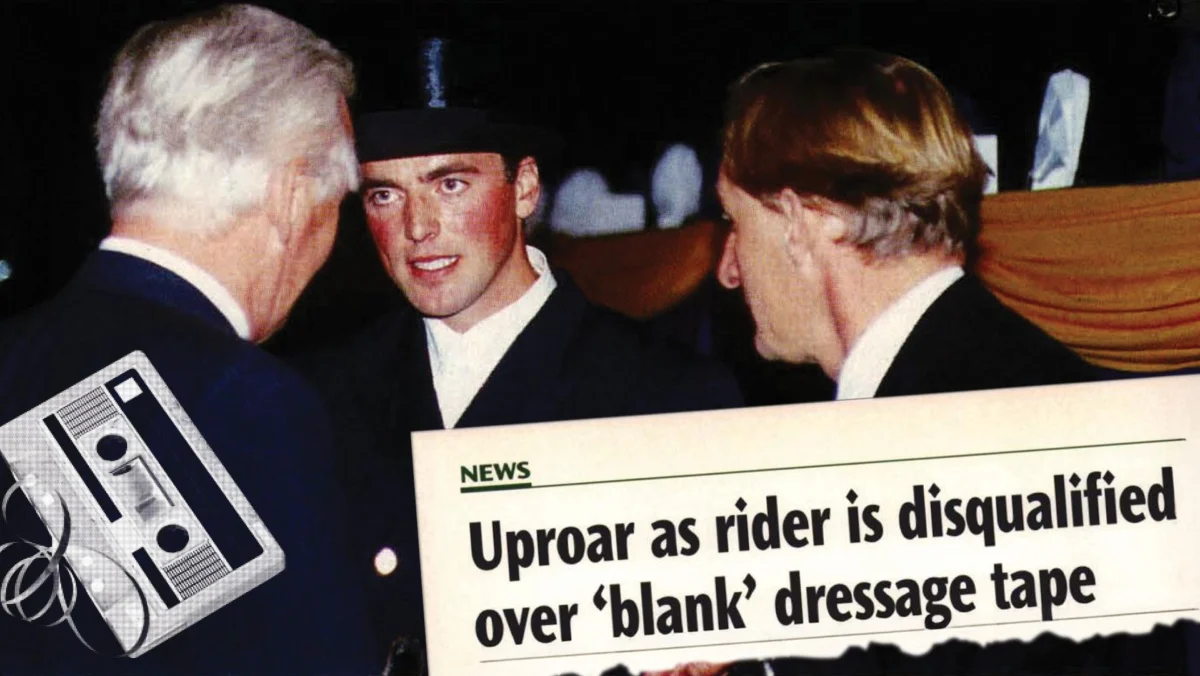
The world of elite equestrian sport was plunged into controversy and a storm of protest following the dramatic disqualification of German rider Heiner Schiergen during a pivotal dressage competition. The incident, which saw Schiergen, the final competitor to enter the arena, abruptly halted before his freestyle test could commence, has ignited a fierce debate surrounding the interpretation and enforcement of technical rules, specifically concerning the audio element of the rider’s performance. The disqualification, attributed to an alleged "blank" dressage music tape, has sent shockwaves through the sport, raising questions about fairness, technological reliance, and the potential for miscarriages of justice at the highest level.
The event in question, a prestigious international dressage competition, was reaching its climax with Schiergen poised to deliver what many anticipated would be a winning performance. As the reigning champion and a consistent contender on the global stage, his presence at the top of the order carried significant weight. However, the tension in the arena palpably shifted from anticipation to confusion and then to outrage as Schiergen, midway through his entrance and just as the music was expected to begin, raised his hand, signalling a halt to officials. Initial reports indicated a technical malfunction with the music playback system. Yet, the subsequent ruling by the ground jury was swift and decisive: disqualification. The official reason cited was the failure to present a valid and audible music track, a crucial component of the freestyle dressage discipline.
The Chronology of a Controversial Disqualification
The sequence of events that led to Heiner Schiergen’s disqualification unfolded with a speed that left many observers and participants stunned. The competition, held on [Insert Date of Competition, if available, otherwise use a placeholder like "a recent weekend"], was a critical fixture in the international dressage calendar, attracting top riders and a discerning audience. Schiergen, known for his innovative and technically brilliant freestyle performances, was the last rider scheduled to compete. His qualification for the final slot was a testament to his consistent high scores throughout the earlier phases of the competition.
As Schiergen and his horse entered the arena, the atmosphere was electric. Spectators and fellow competitors alike were anticipating a display of artistry and athleticism. The rider proceeded through the initial movements of his entrance, a period that typically allows for the final sound check and cue for the music to begin. It was at this precise moment, according to eyewitness accounts, that Schiergen made the signal. This was not an immediate indication of protest, but rather a request for clarification or a pause to address an apparent technical issue.
However, the response from the FEI (International Federation for Equestrian Sports) officials present was not a reprieve, but a definitive judgment. The ground jury, comprised of experienced international judges, conferred briefly before delivering their verdict. The official communication stated that the rider had failed to present a valid music track for his freestyle test. This failure, according to the rules governing freestyle dressage, necessitated immediate disqualification. The rider, visibly dismayed and seemingly bewildered, was then instructed to leave the arena.
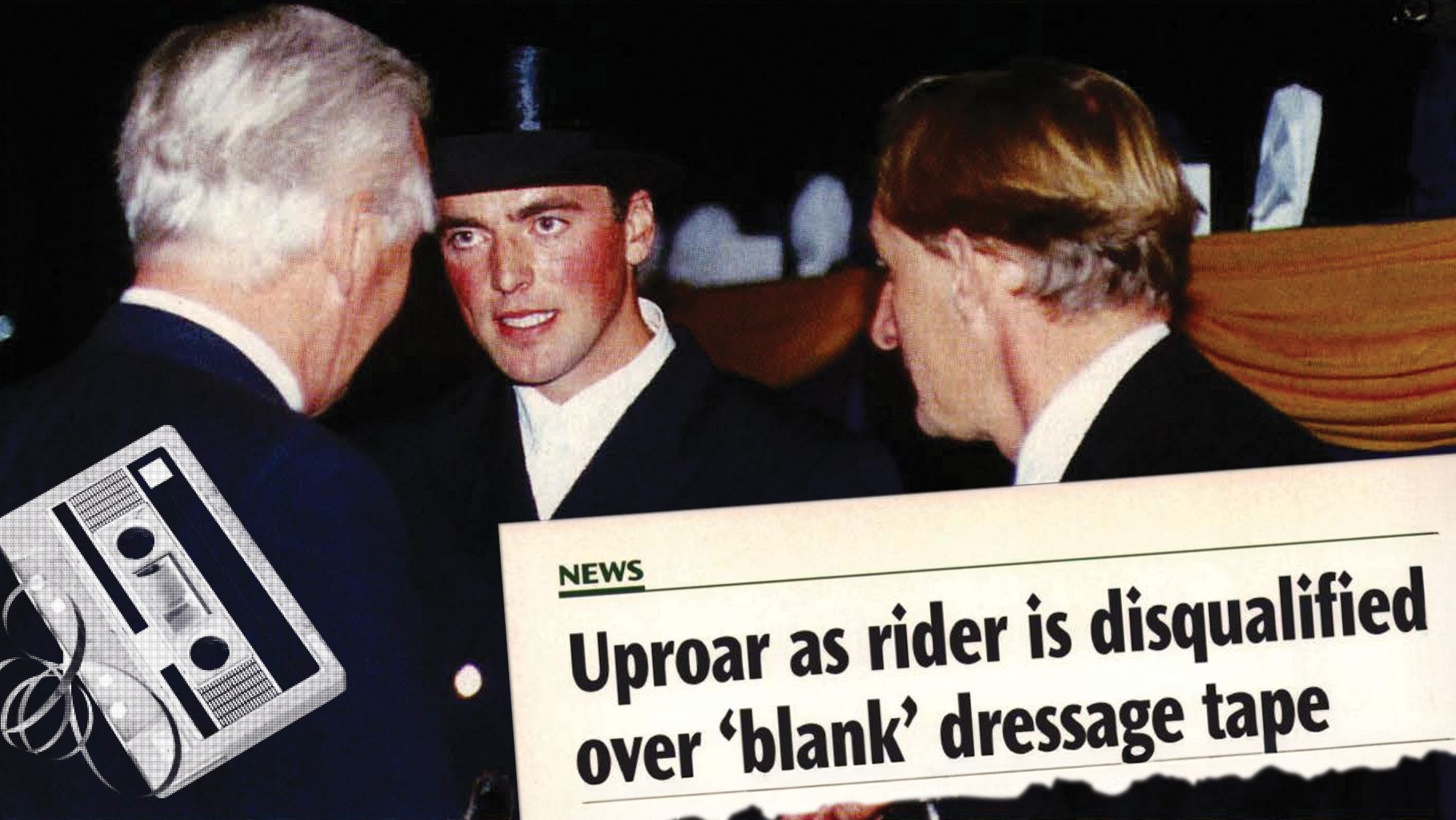
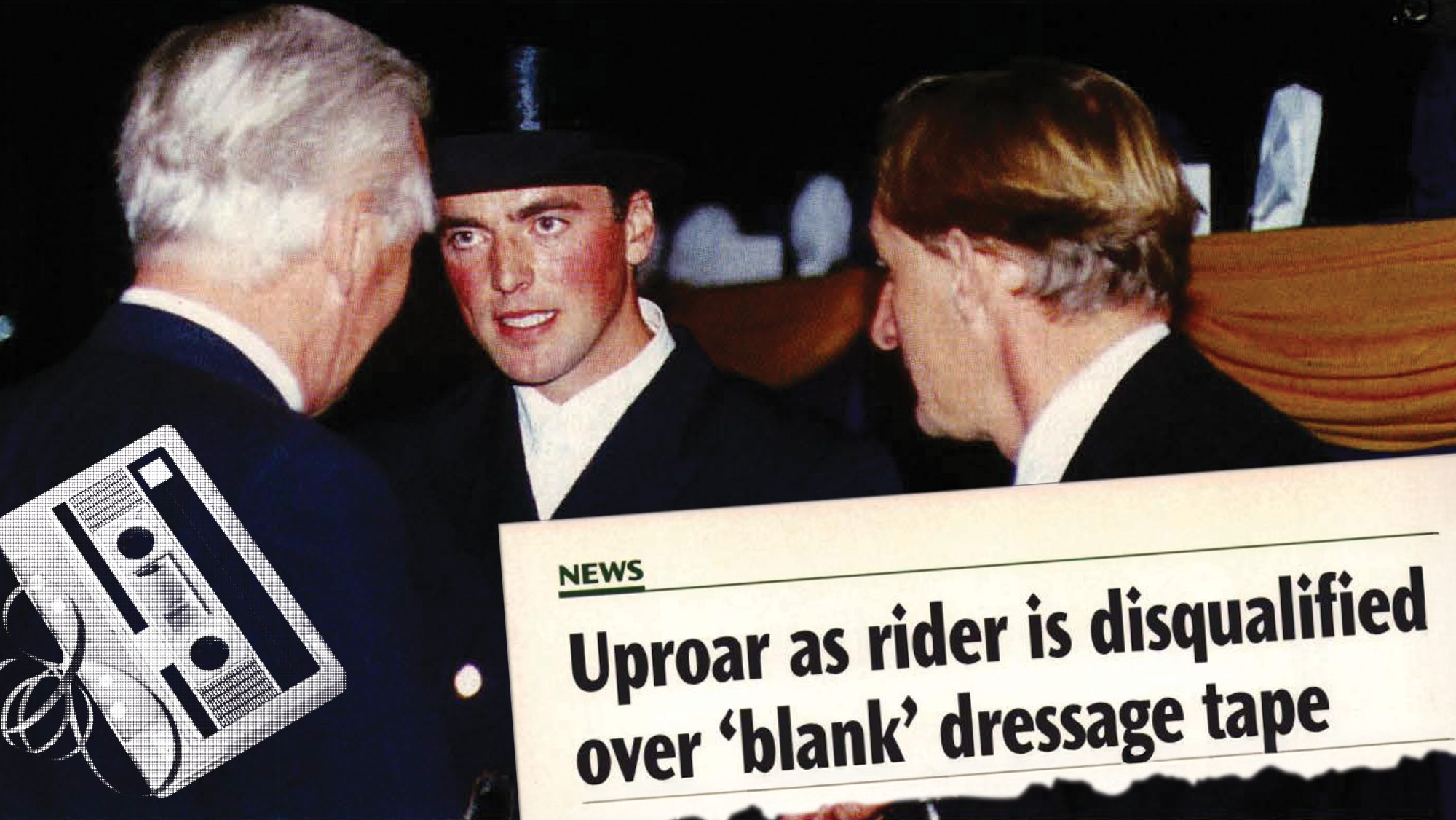
The disqualification sent immediate ripples through the competition. While the placings for the remaining competitors were adjusted, the overriding sentiment among many was one of disbelief and a sense of injustice. The image of Schiergen, a respected figure in the sport, shaking his head in disbelief as he was escorted from the arena, became an enduring symbol of the controversy. The headline in Horse & Hound, "Uproar as rider is disqualified over ‘blank’ dressage tape," succinctly captured the sentiment of the equestrian community.
Understanding the Rules and the Allegations
Freestyle dressage, also known as Grand Prix Freestyle or Kür, is a discipline that requires riders to perform a program set to music of their own choosing. This segment of dressage is judged not only on the technical execution of movements but also on the harmony between horse, rider, and music, as well as the overall artistic impression. The music is an integral part of the performance, enhancing the choreography and emotional impact. Consequently, the rules governing the music are stringent.
According to FEI regulations, riders are required to submit their music on a standardized format, typically a CD or a digital file, well in advance of their competition slot. This music is then loaded onto a central playback system managed by the event organizers. The rules stipulate that the music must be of a certain quality, free from static or disruptions, and must be audible throughout the arena. The purpose of these regulations is to ensure a consistent and fair playing field, preventing any potential advantages derived from superior sound quality or disruptive audio elements.
The allegation that Schiergen’s tape was "blank" implies that either the file submitted was empty, contained no discernible audio, or was otherwise technically non-compliant. If the music failed to play at all, or was so distorted as to be inaudible, it would indeed constitute a breach of the rules. However, the immediate reaction from Schiergen and his team suggested a misunderstanding or a technical glitch rather than a deliberate attempt to circumvent the rules.
Sources close to the rider have indicated that the music was meticulously prepared and tested. There are suggestions that a technical issue with the arena’s sound system or the playback equipment at the specific moment of Schiergen’s performance may have been the root cause. The rider’s prompt signal to halt could be interpreted as an attempt to rectify a technical problem rather than to gain an unfair advantage. The nature of the "blank" tape, whether it was an issue with the file itself or a playback failure, remains a point of contention.
Reactions and Ramifications within the Equestrian Community
The disqualification of Heiner Schiergen has ignited a firestorm of discussion and debate across the equestrian world. Social media platforms, equestrian forums, and professional circles have been abuzz with impassioned commentary, ranging from outright condemnation of the decision to staunch defense of the rider and calls for a review of the incident.
Many prominent figures within the sport have expressed their dismay and called for greater transparency and a thorough investigation. While official statements from governing bodies have been measured, the undercurrent of dissatisfaction is palpable. The image of Schiergen remonstrating with officials, including the chairman of the FEI dressage committee, Eric Lette, and Joep Bartels, a respected figure in the sport, underscores the gravity of the situation and the intensity of the rider’s protest. These visual cues, captured by equestrian photographers, have amplified the narrative of a rider fighting against what he perceives as an unjust ruling.
The broader implication of this incident extends beyond the immediate competition results. It highlights the increasing reliance on technology in modern sport and the potential pitfalls associated with it. While technology is intended to enhance fairness and accuracy, any failure in these systems can lead to significant disruptions and, as demonstrated here, potentially devastating consequences for athletes.
Expert Analysis and Broader Impact
The incident raises critical questions about the balance between strict adherence to rules and the recognition of extenuating circumstances. In high-stakes competitions, where fractions of points can determine victory, technicalities can have a profound impact. However, when those technicalities arise from issues beyond the athlete’s direct control, the fairness of the outcome is called into question.
From a technical standpoint, the investigation into the "blank" tape would likely involve examining the submitted music file, the playback equipment used at the venue, and the logs of the audio system. If it is definitively proven that the issue stemmed from a failure of the venue’s equipment or the playback system, then the disqualification of the rider would be seen as a severe misapplication of the rules.
The FEI, as the international governing body, faces the challenge of addressing this controversy while upholding the integrity of its regulations. A comprehensive review of the incident, including an independent technical assessment, would be crucial in restoring confidence in the officiating and the fairness of the sport. Such a review could also lead to revised protocols for music submission and playback, incorporating fail-safes to mitigate the impact of technological malfunctions.
The ripple effects of this disqualification are significant. For Heiner Schiergen, it represents a potential loss of a major title and a significant blow to his competitive standing. For the sport, it serves as a stark reminder of the complexities inherent in modern elite competition and the need for robust systems that are both technologically advanced and resilient to failure. The "blank tape" controversy, therefore, is not merely an isolated incident but a case study that could inform future policy and practice within equestrian sports, aiming to ensure that technology serves as an enabler of fair play, rather than an architect of its undoing. The discussions and debates sparked by this event will undoubtedly continue to shape how technical regulations are interpreted and enforced in the years to come, with a renewed emphasis on ensuring that the spirit of the sport, and the dedication of its athletes, are not overshadowed by the fallibility of machines. The question remains whether the outcome will lead to a more nuanced approach to technical rule enforcement or a reinforcement of rigid adherence, regardless of the circumstances. The equestrian world watches and waits for a resolution that acknowledges both the letter and the spirit of the law.







