The Historical Evolution and Federal Recognition of Indigenous Peoples’ Day
Indigenous Peoples’ Day represents a significant paradigm shift in national commemoration, emerging from decades of dedicated advocacy to reframe the historical narrative traditionally associated with Columbus Day. For generations, the second Monday in October was observed as Columbus Day, a federal holiday established in 1937 to honor Christopher Columbus’s arrival in the Americas. However, over time, a growing movement of Indigenous activists, scholars, and allies challenged this narrative, highlighting the devastating impact of European colonization on Indigenous populations, including widespread genocide, land dispossession, the introduction of diseases, and systematic cultural suppression. Critics argued that celebrating Columbus ignored the brutal realities faced by Native peoples and perpetuated a Eurocentric, often celebratory, view of history that overlooked the suffering and resilience of those already inhabiting the continent.

The push for Indigenous Peoples’ Day gained substantial momentum in the late 20th century, with cities and states beginning to adopt the alternative observance. Berkeley, California, was among the first municipalities to officially declare Indigenous Peoples’ Day in 1992, a move strategically timed to coincide with the 500th anniversary of Columbus’s arrival. This pioneering decision sparked a nationwide trend. Over the subsequent decades, an increasing number of municipalities, counties, and states formally replaced Columbus Day with Indigenous Peoples’ Day or chose to recognize both holidays concurrently. By 2020, at least 14 states and over 130 cities had officially adopted Indigenous Peoples’ Day, reflecting a growing societal awareness and a commitment to historical truth.
The culmination of these grassroots efforts arrived in 2021 when President Joe Biden issued the first-ever presidential proclamation of Indigenous Peoples’ Day. This landmark federal declaration acknowledged the profound sacrifices and enduring contributions of Native peoples. The proclamation stated, in part, that "For generations, Federal policies systematically sought to assimilate and dispossess Native Americans of their land and culture. Today, we recognize Indigenous Peoples’ resilience and strength, and the immeasurable positive impact that they have made on every aspect of American society." This federal endorsement solidified the holiday’s standing, transforming it from a localized movement into a nationally recognized day of reflection, celebration, and education. It urged all Americans to learn about and honor Indigenous heritage, symbolizing a broader national reckoning with historical injustices and a commitment to fostering a more inclusive and accurate understanding of the nation’s past and present. This timeline of transition underscores a significant cultural and political evolution in the United States.

Cultural Revitalization and Economic Impact: A New Era of Indigenous Influence
Indigenous Peoples’ Day serves as a powerful reminder of the thriving and dynamic nature of Native American cultures, which are not static relics of the past but vibrant forces actively shaping contemporary society. This resurgence is particularly evident in the realms of food, media, and fashion, where Indigenous creators are reclaiming narratives, innovating traditions, and driving significant cultural and economic impact.
The Indigenous Food Revolution: Decolonizing Diets and Savoring Heritage
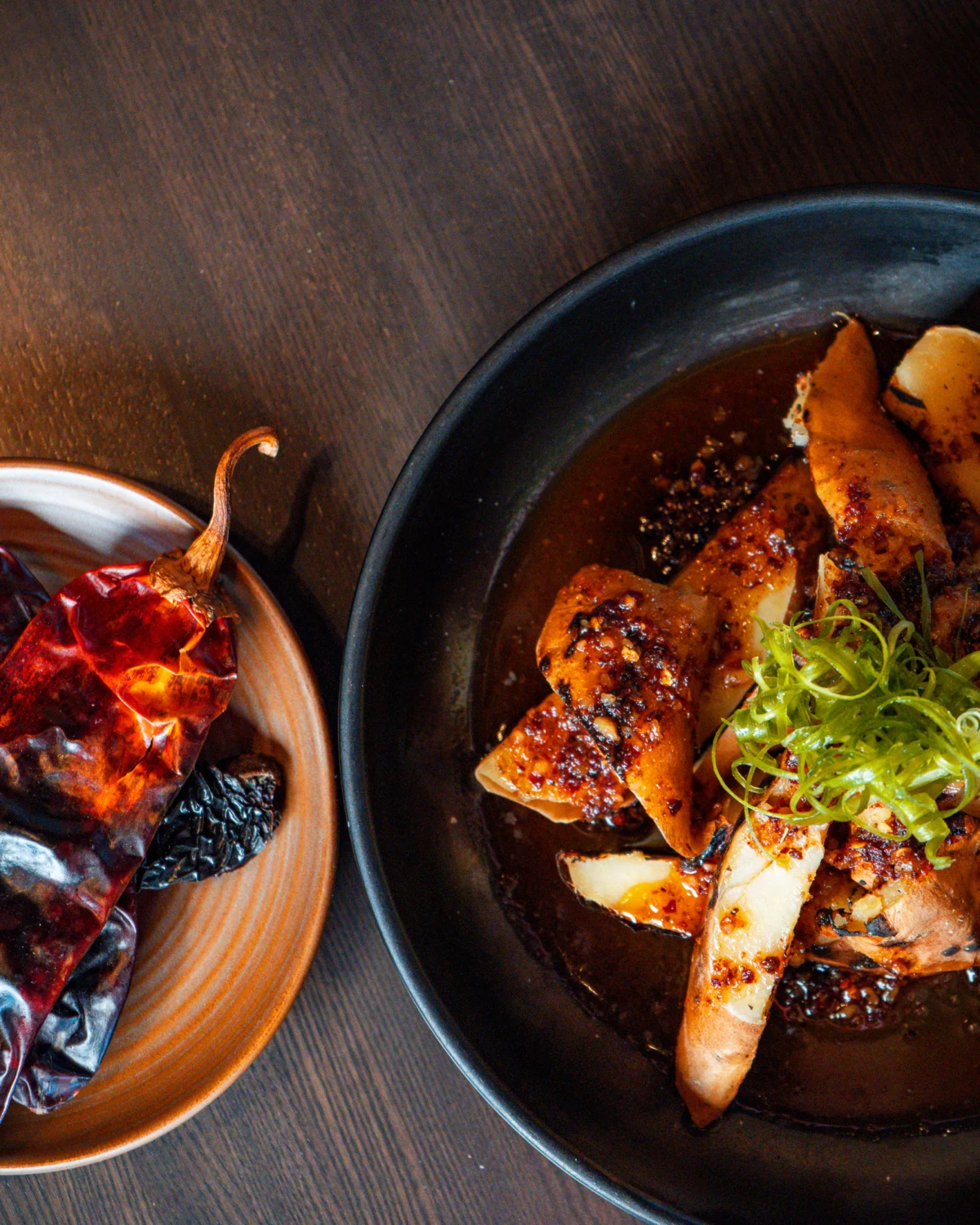
The culinary world is currently experiencing a profound transformation led by Indigenous chefs and food activists who are revolutionizing American gastronomy. Figures like Sean Sherman (Oglala Lakota), widely known as "The Sioux Chef," Loretta Barrett Oden (Potawatomi), and Alana Yazzie (Navajo) are at the forefront of this movement. Their work extends beyond mere cooking; it embodies a mission to decolonize diets, revive ancestral foodways, and reconnect people with the indigenous ingredients and culinary traditions of North America. Sherman’s oft-quoted philosophy, "We’re not cooking like it’s 1491," emphasizes an approach that respects historical ingredients and techniques while adapting them to modern palates and sustainable practices, thereby creating contemporary Indigenous cuisine.

This movement champions nutritious, culturally significant ingredients such as bison, salmon, corn, beans, squash, wild rice, and native berries, which formed the foundational diets of Indigenous peoples for millennia. These chefs are not only preserving culinary heritage but also educating the public about the historical context and ecological benefits of these food systems. The economic impact is tangible: restaurants like Indígena by Owamni in Minneapolis (co-founded by Sean Sherman), Tocabe in Denver, Javelina in Portland, Oregon, and Wahpepah’s Kitchen in Oakland, California, have become celebrated destinations. These establishments offer unique dining experiences that invite food enthusiasts from all backgrounds to savor the authentic flavors of this land, often featuring ingredients sourced directly from Indigenous producers.
Beyond restaurants, the Indigenous food movement is expanding into publishing and product development. Recent cookbooks such as Turtle Island by Sean Sherman, A Feather and a Fork by Crystal Wahpepah, and Rooted in Fire by Pyet DeSpain provide accessible pathways for home cooks to explore and incorporate Indigenous ingredients and recipes into their daily lives. This sector is not only generating revenue and creating jobs within Indigenous communities but also fostering food sovereignty and promoting healthier eating habits, contributing to a broader understanding of sustainable food systems. The market for Indigenous-sourced ingredients and products is experiencing significant growth, reflecting a wider consumer interest in ethical, locally sourced, and culturally authentic food options. This culinary renaissance contributes significantly to local economies and strengthens cultural identity.

Reclaiming Narratives in Media and Storytelling: Authentic Voices Emerge
For far too long, the stories of Native communities were predominantly told by non-Native voices, often resulting in misrepresentation, perpetuation of harmful stereotypes, or outright erasure from mainstream consciousness. Indigenous Peoples’ Day underscores the ongoing and highly successful efforts by Native authors, actors, directors, and culture bearers to reclaim and redefine their narratives. This era marks a groundbreaking period for authentic Indigenous storytelling across various media platforms.
Television has seen a surge in critically acclaimed shows created by and starring Indigenous talent. Dark Winds, a noir thriller set on the Navajo Nation, offers a complex and nuanced portrayal of Indigenous life and law enforcement. Reservation Dogs, a groundbreaking comedy-drama, provides a humorous yet poignant look at the lives of four Indigenous teenagers in rural Oklahoma, widely celebrated for its authentic voice and an Indigenous creative team behind and in front of the camera. North of North on Netflix further exemplifies the diverse storytelling emerging from Native communities. These productions are not merely entertainment; they are vital cultural touchstones that challenge existing perceptions, offer nuanced perspectives, and demonstrate the richness and diversity of Indigenous experiences, fostering empathy and understanding among broader audiences.

In film, productions like Prey, which reimagines the Predator franchise with a Comanche protagonist and significant use of the Comanche language, and Rez Ball, a film centered on Native American basketball, have garnered widespread attention and critical acclaim. These films showcase strong Indigenous characters and narratives while achieving commercial success, proving the market for authentic Native stories. The literary world has also flourished with bestselling books like Tommy Orange’s There There, which explores the urban Native experience with powerful prose, and Angeline Boulley’s Firekeeper’s Daughter, a gripping Young Adult thriller deeply rooted in Ojibwe culture. These works provide deep insights into contemporary Indigenous life, history, and identity, enriching the American literary canon.
The collective goal of these projects is consistent: to tell stories through an authentic Indigenous lens, fostering a deeper understanding of tribal cultures among broader audiences. This contemporary wave of media builds upon the foundational work of earlier Indigenous titans, such as the late actor Graham Greene, whose impactful career paved the way for future generations. The increasing visibility and success of these Indigenous-led productions signal a profound shift in mainstream media, contributing to greater cultural understanding, empathy, and challenging long-held misconceptions. The economic impact includes substantial job creation for Indigenous artists, writers, directors, and technicians, while the cultural impact is immeasurable, empowering Native communities and enriching the national cultural landscape.

Defying Fashion Expectations: Where Tradition Meets Modernity
Indigenous fashion is a vibrant testament to cultural continuity and contemporary innovation, definitively moving beyond static historical portrayals. While deeply rooted in rich traditions, Native fashion is anything but stuck in the past; it is a dynamic field where established and emerging designers are pushing stylistic boundaries and gaining international recognition. Designers like Lauren Good Day (Arikara, Hidatsa, Blackfeet, and Plains Cree), Himikalas Pamela Baker (Kwakiutl/Squamish), Jason Baerg (Métis), and Ty LodgePole (Crow) exemplify this creative energy, showcasing a diverse range of styles from haute couture to streetwear.
These designers ingeniously blend traditional elements—such as intricate beadwork, quillwork, dentalium shells, fringe, and symbolic tribal motifs—with modern silhouettes, textiles, and contemporary design sensibilities. A notable example of this fusion is the recent collaboration between the famed Canadian Indigenous footwear brand Manitobah and House of Sutai by Peshawn Bread, which reimagined traditional mukluks with contemporary flair, incorporating pearls and elaborate beadwork. This partnership exemplifies how ancestral designs can be elevated for a global luxury market while retaining their cultural significance. This blend of heritage and innovation makes Indigenous fashion distinctive and globally appealing.

The growing prominence of Indigenous fashion is also amplified by dedicated events like Indigenous New York Fashion Week and SWAIA Native Fashion Week in Santa Fe. These platforms provide crucial visibility for designers, allowing them to showcase their diverse creative expressions across different geographies, generations, and genres. These events are not just fashion shows; they are cultural celebrations that foster community, facilitate economic opportunities, and educate audiences about the depth and breadth of Indigenous artistry and design principles. The garments and goods presented—adorned with symbolic patterns and crafted with meticulous skill—are increasingly sought after and designed for everyone to respectfully appreciate and wear. This engagement promotes genuine cultural exchange and actively combats cultural appropriation by centering Indigenous creators and ensuring fair compensation for their work. The economic impact includes supporting Indigenous artists and entrepreneurs, fostering small businesses, and contributing to the broader fashion industry, while simultaneously strengthening cultural identity and pride within Native communities.
Breaking Down Barriers in Sports: Legacy and Modern Achievements
Indigenous Peoples’ Day also highlights the enduring legacy and contemporary achievements of Native athletes who have consistently broken barriers and excelled across various sports. The monumental figure of Jim Thorpe (Sac and Fox Nation), an Olympian who won both the pentathlon and decathlon at the 1912 Stockholm Games (a feat he remains the only person to accomplish in those specific events), set an unparalleled standard for athletic prowess. Though controversially stripped of his medals due to archaic professionalism rules of the era, his titles were posthumously reinstated in 2022, reaffirming his rightful status as one of the greatest athletes of all time and symbolizing a broader recognition of historical injustices.

Today’s Indigenous athletes continue to forge new paths, representing their tribal nations with immense pride on national and international stages. In women’s soccer, Madison Hammond (Navajo/San Felipe Pueblo) made history as the first and only Afro-Indigenous player in the National Women’s Soccer League (NWSL), embodying strength, skill, and breaking both racial and ethnic barriers in professional sports. In basketball, players like Lindy Waters III (Kiowa/Cherokee) in the NBA and Aaliyah Nye (Ojibwe) in collegiate basketball exemplify dedication and serve as powerful role models for Native youth, often using their platforms to advocate for their communities and inspire future generations.
In track and field, hammer thrower Janee’ Kassanavoid (Comanche/Kiowa) has made significant strides on the international stage and has her sights set firmly on the 2028 Los Angeles Olympics, demonstrating the continued pursuit of excellence at the highest levels of global sport. Beyond professional leagues, Indigenous communities are actively revitalizing beloved traditional pastimes. The resurgence