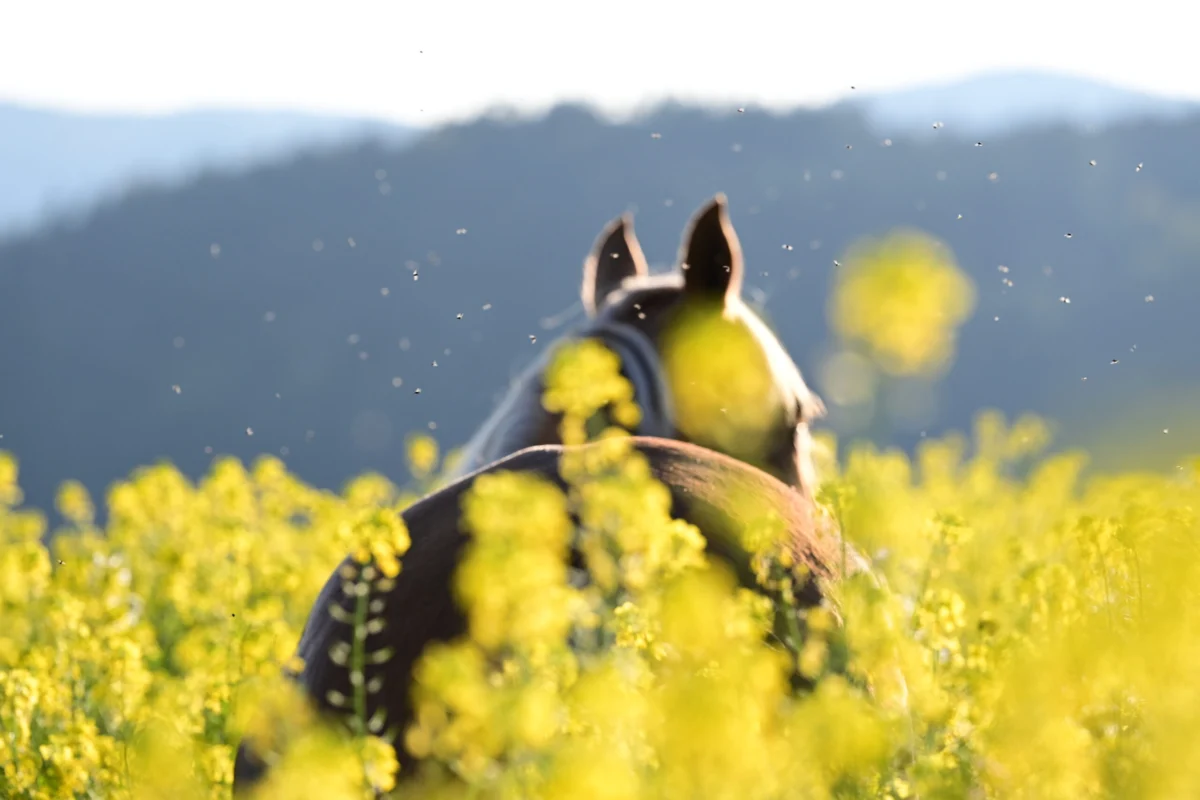
The Oregon State Department of Agriculture (OSDA) has issued a critical health alert for the equine community, confirming four new cases of pigeon fever, also known as dryland distemper, across Deschutes and Crook counties. This recent surge includes one new confirmed case and five new suspected cases in Deschutes County, alongside three new confirmed cases and three additional suspected cases reported in Crook County. The contiguous nature of these counties, both known for their vibrant equestrian communities and semi-arid landscapes, raises concerns about the potential for wider dissemination of this bacterial infection as the peak season for transmission continues through the late summer and fall months. The OSDA’s swift dissemination of this information underscores the importance of vigilance and robust biosecurity measures among horse owners and equine professionals throughout the region.
Understanding Pigeon Fever: A Detailed Overview
Pigeon fever is a bacterial infection caused by Corynebacterium pseudotuberculosis, a gram-positive, facultative intracellular bacterium. While historically prevalent in arid and semi-arid regions, particularly the southwestern United States and California, its incidence has been observed to be expanding geographically, including into the Pacific Northwest. The bacteria are soil-borne, meaning they naturally reside in the environment, particularly in areas with poor drainage or where livestock congregate. Horses typically become infected when the bacteria enter the body through compromised skin, such as minor scrapes, cuts, insect bites, or other small wounds. Flies, especially stable flies (Stomoxys calcitrans) and horn flies (Haematobia irritans), play a significant role as mechanical vectors, transmitting the bacteria from contaminated soil or infected lesions to open wounds on susceptible horses.
The disease manifests primarily in three forms: external abscesses, internal abscesses, and ulcerative lymphangitis. External abscesses are the most common presentation, typically appearing on the chest (giving rise to the "pigeon" chest appearance due to swelling), ventral abdomen, udder/sheath, and pectoral muscles. These abscesses can grow quite large, sometimes reaching the size of a grapefruit or larger, and are filled with thick, yellowish-green pus. They cause significant pain, lameness if near joints, and systemic signs such as fever, lethargy, and loss of appetite.
Internal abscesses, while less common, represent a more severe and potentially life-threatening form of the disease. These can develop in various organs, including the lungs, liver, spleen, and kidneys, often without any external signs until the disease is advanced. Symptoms can be vague and non-specific, ranging from chronic weight loss, recurrent fever, and colic to respiratory distress or neurological signs, depending on the affected organ. Diagnosis of internal abscesses often requires advanced imaging techniques such as ultrasonography or endoscopy, and sometimes exploratory surgery. Prognosis for horses with internal abscesses is guarded to poor, even with aggressive treatment.
Ulcerative lymphangitis is the least common form, characterized by chronic inflammation and swelling of the lymphatic vessels, typically in one or more limbs. This leads to severe limb edema, thickening of the skin, and multiple draining tracts that exude purulent discharge. This form is often chronic and challenging to treat effectively, leading to significant lameness and discomfort.
Diagnosis of pigeon fever is typically confirmed through bacterial culture of pus samples from abscesses. Serological tests, such as the synergistic hemolysin inhibition (SHI) test, can detect antibodies to C. pseudotuberculosis and are particularly useful for screening herds or diagnosing internal forms of the disease. PCR (polymerase chain reaction) testing can also be employed for rapid detection of bacterial DNA in clinical samples.
Treatment primarily involves supportive care and management of the abscesses. For external abscesses, hot packing, poultices, and eventual lancing and drainage are crucial once the abscess has matured. It is vital to allow abscesses to rupture naturally or be lanced by a veterinarian to ensure complete drainage and reduce the risk of internal spread. Antibiotics are often prescribed, particularly for internal abscesses or severe external cases, but their efficacy for external abscesses can be debated as they may delay maturation and drainage. Long-term antibiotic therapy is often required for internal forms. Supportive care includes pain management, anti-inflammatory medications, and wound care. Recovery time can be extensive, often requiring several weeks to months for complete resolution.
Chronology and Geographic Context of the Current Outbreak
The current cluster of cases in Deschutes and Crook counties aligns with the typical seasonal pattern for pigeon fever, which sees a peak incidence from late summer through fall, coinciding with increased fly populations and environmental conditions conducive to bacterial survival. While specific dates of initial detection for these particular cases have not been released, the OSDA’s announcement indicates recent confirmations, likely within the past few weeks.
Deschutes County, home to Bend and Redmond, is a hub for equestrian activities, featuring numerous ranches, boarding facilities, and trail riding opportunities. Similarly, Crook County, with Prineville as its county seat, boasts a strong agricultural base and an active horse community. Both counties share a high desert climate, characterized by warm, dry summers and significant dust, which can contribute to minor skin abrasions on horses. This environment, coupled with the presence of livestock and potentially increased fly populations during these months, creates an ideal breeding ground for C. pseudotuberculosis. The contiguous nature of these counties means that horse movement between properties and shared environmental factors could facilitate the spread of the pathogen.
Historically, Oregon has experienced sporadic cases of pigeon fever, but the concentration of confirmed and suspected cases within these two counties suggests a localized increase in transmission. State agricultural departments like the OSDA play a crucial role in monitoring such outbreaks, collecting data, and disseminating timely information to prevent further spread. Their surveillance efforts are critical for identifying emerging disease patterns and advising the equine industry on best practices.
Supporting Data and Broader Epidemiology
Pigeon fever is endemic in many parts of the United States. While precise national incidence figures are challenging to obtain due to variations in reporting, studies and veterinary observations indicate a significant presence, particularly in the western states. California, in particular, has reported thousands of cases annually. The economic impact on the equine industry is substantial, encompassing direct veterinary costs for diagnosis and treatment, extended recovery periods leading to lost training or competition time, and potential for permanent disfigurement or long-term health complications. For a single case, veterinary bills can easily range from hundreds to several thousands of dollars, depending on the severity and form of the disease, and whether internal abscesses require extensive diagnostic work-up and prolonged treatment.
The pathogen C. pseudotuberculosis can survive in soil for extended periods, potentially up to two months, making environmental contamination a significant factor in disease persistence and recurrence on affected properties. Research indicates that the bacteria are particularly resilient in dry, dusty conditions. While primarily affecting horses and cattle (where it causes "caseous lymphadenitis," a similar abscess-forming disease), sheep and goats can also be infected. This highlights the importance of integrated livestock management and understanding potential cross-species transmission, although direct equine-to-bovine transmission is less common.
The Equine Disease Communication Center (EDCC) serves as a vital national resource, aggregating and disseminating verified equine disease reports, including those related to pigeon fever. This independent non-profit organization, supported by industry donations, ensures open access to infectious disease information, enabling horse owners, veterinarians, and state animal health officials to stay informed and react promptly to outbreaks. The EDCC’s role is critical in providing a centralized platform for early warnings and fostering a coordinated response to equine health threats across the country.
Official Responses and Prevention Strategies
The Oregon State Department of Agriculture, in conjunction with veterinary practitioners, is actively monitoring the situation and advising horse owners on critical preventative measures. Good horse health safety practices are paramount to limiting the spread of pigeon fever. These practices include:
- Rigorous Fly Control: Since flies are primary vectors, comprehensive fly control programs are essential. This includes consistent use of fly repellents, fly masks, and fly sheets. Implementing effective manure management strategies, such as frequent removal and proper composting or disposal, reduces fly breeding sites. Traps and premise sprays can also supplement these efforts.
- Diligent Wound Care: Any skin abrasions, cuts, or insect bites, no matter how minor, should be promptly cleaned with an antiseptic solution and monitored closely. Prompt wound care helps to prevent bacterial entry. Protecting horses from thorny bushes, sharp objects in pastures, and ensuring proper fitting of tack can minimize the occurrence of wounds.
- Strict Biosecurity Protocols: For properties experiencing cases or in high-risk areas, enhanced biosecurity is crucial. This involves isolating affected horses to prevent contact with healthy animals and using separate equipment (grooming tools, tack, feed buckets, water troughs) for sick horses. Thorough disinfection of stalls, trailers, and equipment that may have come into contact with infected horses or contaminated soil is also recommended.
- Environmental Management: Minimizing dusty conditions in barns, arenas, and turnout areas can reduce skin irritation and potential entry points for bacteria. Proper drainage to prevent standing water, which can attract flies, is also beneficial.
- Veterinary Consultation: Horse owners who suspect their animal may be affected by pigeon fever should contact their veterinarian immediately. Early diagnosis and intervention can significantly improve outcomes, especially for internal abscesses. Veterinarians can provide accurate diagnosis, recommend appropriate treatment plans, and advise on specific biosecurity measures tailored to the individual farm.
- Quarantine for New Arrivals: Implementing a standard 30-day quarantine for all new horses entering a property allows for observation and detection of any incubating diseases, including pigeon fever, before they can potentially expose resident horses.
While there is a vaccine for C. pseudotuberculosis available for small ruminants (sheep and goats) to prevent caseous lymphadenitis, there is currently no commercially available vaccine specifically for horses against pigeon fever. Therefore, prevention relies entirely on robust management and biosecurity practices.
Broader Impact and Implications
The current increase in pigeon fever cases in Oregon carries several broader implications for the state’s equine industry and beyond. Economically, beyond the direct veterinary costs, prolonged treatment and recovery can lead to significant financial strain for horse owners. Performance horses may miss crucial training periods or competitions, potentially impacting their value and earning potential. Local equestrian events, such as shows, rodeos, and trail rides, may face reduced participation or even cancellations if the outbreak escalates, affecting local economies that rely on these activities.
From an animal welfare perspective, pigeon fever can cause considerable pain and distress to affected horses. The large, often debilitating abscesses, and the systemic illness associated with internal forms, necessitate intensive care and can have a lasting impact on a horse’s health and usability. Chronic cases, especially ulcerative lymphangitis, can lead to permanent lameness and require ongoing management.
While C. pseudotuberculosis is primarily an animal pathogen, it is important to note its rare zoonotic potential. Human infections, though infrequent, can occur, usually in individuals with compromised immune systems or those who have direct contact with infected animals or pus from abscesses, such as veterinarians or horse handlers. These infections typically manifest as skin abscesses. This underscores the importance of stringent hygiene practices, including wearing gloves and thorough handwashing, when handling sick animals or their environment.
Environmentally, the resilience of C. pseudotuberculosis in soil means that once a property is contaminated, the risk of recurrence can persist for some time. This necessitates long-term strategies for environmental sanitation and disease management. Furthermore, changing climate patterns, which can influence insect populations and environmental conditions like drought and dust, might play a role in the shifting geographical distribution and prevalence of diseases like pigeon fever.
The role of collaborative efforts cannot be overstated. Effective disease control relies on a robust network comprising informed horse owners, vigilant veterinarians, and responsive state agricultural agencies. The EDCC’s continuous work in providing a centralized information hub further empowers this network, facilitating rapid response and informed decision-making across the entire equine community. This latest alert from the OSDA serves as a timely reminder for all stakeholders to prioritize preventative measures and remain proactive in safeguarding equine health. The sustained health and vitality of Oregon’s equine population depend on a collective commitment to biosecurity and disease surveillance.