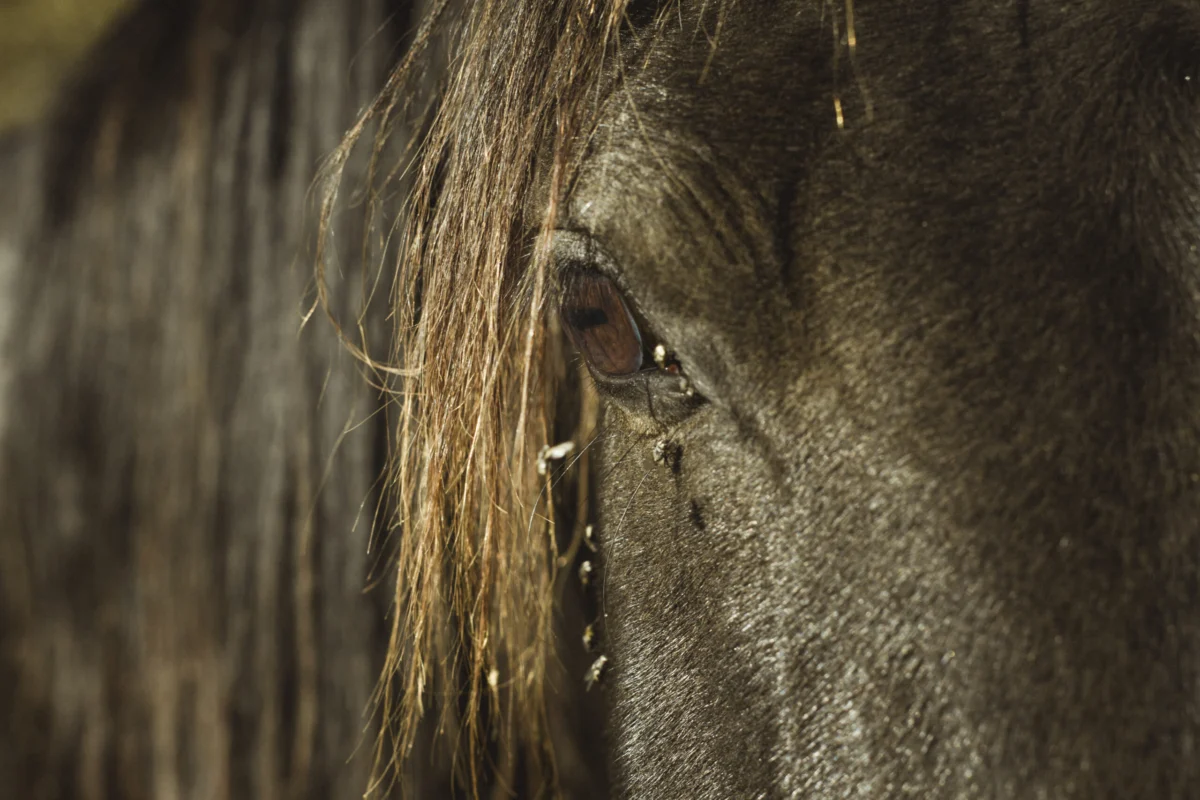
The Equine Disease Communication Center (EDCC) has recently reported three new confirmed cases of West Nile Virus (WNV) in horses, underscoring the persistent threat of this mosquito-borne disease across various regions. These latest reports include two cases in Tennessee, specifically in Knox and Washington Counties, and one in California, involving an 8-year-old Quarter Horse gelding in Siskiyou County. The California case, confirmed on October 8, marks the state’s 16th equine WNV positive for 2026, with the affected horse currently alive and recovering. These recent detections highlight the ongoing necessity for rigorous preventative measures and vigilant monitoring within the equine community, even as some areas transition into the cooler months that typically signify a reduction in mosquito activity.
Understanding West Nile Virus: A Persistent Threat
West Nile Virus is a neurotropic arbovirus that primarily circulates between birds and mosquitoes, with horses and humans acting as incidental or "dead-end" hosts. This means that while horses can contract the virus and develop severe clinical signs, they do not produce enough virus in their bloodstream to infect new mosquitoes, thus preventing onward transmission from horse to horse or from horse to human. The virus first emerged in the Western Hemisphere in 1999, quickly spreading across the continental United States and becoming an endemic concern for equine health. Its rapid dissemination and the severity of disease in susceptible hosts necessitated the swift development of diagnostic tools and preventive strategies, primarily centered around vaccination and mosquito control.
Transmission occurs exclusively through the bite of an infected mosquito, primarily species within the Culex genus. Mosquitoes acquire the virus by feeding on infected birds, which serve as the primary reservoir hosts. Once infected, mosquitoes can then transmit the virus to other birds, or to incidental hosts like horses and humans, during subsequent blood meals. The incubation period in horses typically ranges from 3 to 15 days following exposure. Clinical signs, when present, can vary widely in severity but often include neurological symptoms due to the virus’s impact on the central nervous system. These can manifest as ataxia (incoordination), muscle tremors, paresis (weakness) or paralysis, hypersensitivity to touch and sound, changes in mentation (e.g., depression, apprehension, excitability), and recumbency (inability to stand). In some severe cases, seizures and coma can occur. It is crucial to note that a significant percentage of infected horses (estimated at up to 70-80%) may remain asymptomatic, further complicating surveillance efforts and underscoring the importance of preventative vaccination programs. For those horses that do exhibit clinical signs, the mortality rate can be substantial, often ranging from 30% to 40%, even with intensive supportive care. There is currently no specific antiviral treatment for WNV in horses; management focuses on supportive care, including anti-inflammatory medications, intravenous fluids, and nursing support, to help the horse recover from the neurological effects.
Geographical and Temporal Context of Recent Cases
The recent cases reported by the EDCC provide a critical snapshot of WNV activity across different regions of the United States. In Tennessee, the confirmed cases in Knox and Washington Counties are consistent with the state’s historical experience with WNV. Tennessee, located in the southeastern U.S., possesses a climate conducive to mosquito breeding for a prolonged period each year, making it an area where WNV is regularly detected. These cases, while not individually alarming, serve as a reminder that the virus remains active in the environment and necessitates ongoing vigilance from horse owners and veterinarians.
California, a geographically diverse state with varying climates, often experiences WNV activity well into the fall, particularly in its warmer southern and central regions. The case in Siskiyou County, located in northern California, indicates that even areas typically associated with cooler temperatures are not immune to late-season transmission. The confirmation on October 8, 2026, places this event firmly within what can be considered an extended WNV season. California’s 16th confirmed equine case for 2026 reflects a sustained presence of the virus throughout the year, necessitating year-round preventative strategies in some parts of the state. Historical data from the California Department of Food and Agriculture (CDFA) and other public health agencies consistently show WNV detections occurring from spring through late fall, with peaks typically observed in late summer to early fall. The sustained activity into October highlights how climatic factors, such as prolonged warm spells or unusual rainfall patterns, can influence mosquito populations and, consequently, virus transmission dynamics.
The Role of the Equine Disease Communication Center (EDCC)
The Equine Disease Communication Center (EDCC) plays an indispensable role in safeguarding equine health across North America. As an independent nonprofit organization, the EDCC serves as a central hub for the collection and dissemination of verified infectious disease reports affecting horses. Supported by industry donations, it provides open access to crucial information, enabling horse owners, veterinarians, and industry stakeholders to stay informed about disease outbreaks in real-time. This timely communication is vital for implementing effective biosecurity measures, initiating appropriate diagnostic testing, and facilitating rapid responses to minimize disease spread and impact.
The EDCC’s "Health Watch" program, an Equine Network marketing initiative, leverages this information to create and distribute actionable disease reports. By centralizing data from state animal health officials and diagnostic laboratories, the EDCC transforms raw data into understandable and accessible alerts. This system allows for a broader understanding of disease prevalence, geographical distribution, and emerging trends, which is critical for both individual horse management and broader public health planning. The EDCC’s commitment to transparency and verified reporting ensures that the equine community receives reliable information, fostering a proactive approach to disease prevention and control.
Preventative Strategies: Vaccination and Mosquito Control
Given the lack of a specific cure for WNV, prevention remains the cornerstone of equine health management. Two primary strategies are crucial: vaccination and aggressive mosquito control.
Vaccination: Vaccines are highly effective tools in mitigating the risk and severity of WNV infection in horses. The WNV vaccine is considered a core vaccine by the American Association of Equine Practitioners (AAEP) due to the widespread nature of the virus and the potential for severe disease. Studies have consistently demonstrated that vaccination significantly reduces the incidence of clinical disease and mortality rates in exposed horses.
For previously vaccinated horses, an annual booster shot is essential to maintain protective immunity. Veterinarians often recommend strategic timing for these boosters, typically in the spring, well in advance of the peak mosquito season. However, in areas with prolonged mosquito seasons or year-round activity, such as parts of California or the Gulf Coast states, veterinarians might advise two boosters annually—one in the spring and another in the fall—to ensure continuous protection. This tailored approach recognizes regional variations in mosquito activity and disease risk.
Horses that have never been vaccinated against WNV require an initial two-shot vaccination series, administered three to six weeks apart. It is critical to understand that horses do not develop immediate protection after vaccination. It typically takes several weeks following the completion of the primary series or booster administration for a horse to mount a sufficient immune response to confer protection against the disease. This immunological lag period underscores the importance of planning vaccinations well in advance of anticipated mosquito exposure. Owners acquiring unvaccinated horses or foals should consult with their veterinarian immediately to establish an appropriate vaccination schedule.
Mosquito Control: Beyond vaccination, reducing mosquito populations and limiting horses’ exposure to these vectors is paramount. This involves a multi-faceted approach to environmental management:
- Eliminate Breeding Sites: Mosquitoes require standing water to lay their eggs. Horse owners should regularly inspect their properties and eliminate any potential breeding grounds. This includes emptying water from old tires, buckets, wheelbarrows, and other containers. Water troughs should be cleaned and refilled frequently, ideally every few days. Drainage ditches should be maintained to prevent water accumulation, and stagnant ponds or low-lying areas should be addressed through proper landscaping or drainage solutions.
- Larvicides: For standing water that cannot be eliminated, such as large water tanks or decorative ponds, larvicides can be used. These products, often containing Bacillus thuringiensis israelensis (Bti) or methoprene, specifically target mosquito larvae without harming other animals or the environment.
- Insect Repellents: Applying equine-approved insect repellents to horses, particularly during dawn and dusk when mosquitoes are most active, can significantly reduce bites. Products containing pyrethrins, pyrethroids, or picaridin are commonly used.
- Stabling During Peak Hours: Whenever possible, horses should be stabled in barns during peak mosquito activity hours, typically from dusk to dawn. Well-ventilated barns with screens on windows and doors can create a barrier against mosquitoes.
- Fans: Strategic placement of fans in stalls can help deter mosquitoes, as they are weak fliers and struggle against air currents.
- Manure Management: While not directly related to mosquito breeding, proper manure management reduces other insect populations (like flies) and contributes to overall barn hygiene, creating a less hospitable environment for pests.
- Traps and Sprays: In some larger facilities or high-risk areas, professional mosquito control services may deploy adulticides (sprays targeting adult mosquitoes) or utilize mosquito traps. These methods should be part of a comprehensive integrated pest management (IPM) strategy.
Broader Implications and Ongoing Vigilance
The continued reporting of WNV cases in horses carries several broader implications for the equine industry and public health. For horse owners, these cases serve as a critical reminder of the ongoing threat and the necessity of proactive disease management. Failure to vaccinate or implement adequate mosquito control can result in severe illness or death for their animals, leading to significant emotional and financial burdens. The cost of treating a WNV-affected horse can be substantial, often running into thousands of dollars for veterinary care, diagnostics, and extended nursing. Beyond individual animal health, widespread outbreaks can impact equestrian events, trade, and even tourism if perceptions of disease risk become elevated.
From a public health perspective, while horses are dead-end hosts for WNV, their infection serves as a sentinel indicator for virus activity in the environment. An increase in equine cases often signals a heightened risk of WNV transmission to humans, as both species are susceptible to infection from the same mosquito vectors. Public health agencies closely monitor equine WNV cases to inform their own mosquito surveillance and control programs, and to issue warnings to the general public about personal protection measures.
The 2026 WNV season, as evidenced by these recent reports, demonstrates the virus’s persistent and adaptable nature. Climate change, with its potential for longer warm seasons and altered precipitation patterns, could further influence mosquito populations and expand the geographical reach and duration of WNV activity. This necessitates continuous research into vaccine efficacy, mosquito biology, and advanced diagnostic tools. Veterinarians, researchers, and public health officials work collaboratively to track the virus, develop new prevention methods, and educate the public.
In conclusion, the latest WNV confirmations in Tennessee and California are not isolated incidents but rather part of an ongoing battle against an endemic disease. They underscore the critical importance of a multi-pronged approach to prevention, combining diligent vaccination protocols with comprehensive mosquito control strategies. Through sustained vigilance, proactive management, and timely information sharing facilitated by organizations like the EDCC, the equine community can collectively strive to minimize the impact of West Nile Virus and protect the health and well-being of horses across the nation.