 rifanmuazin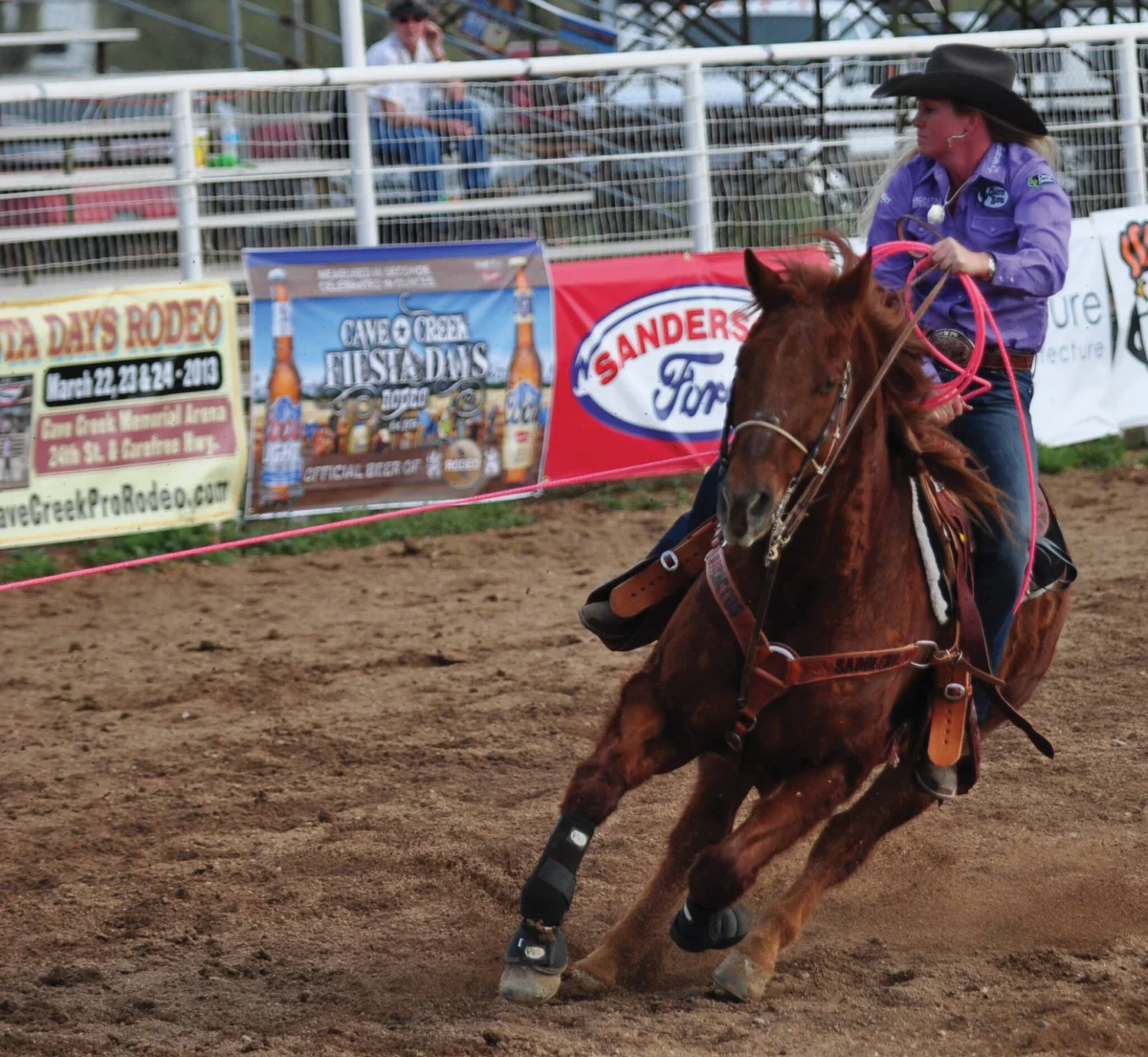
Mary Ann Miller stands as a pivotal figure in the contemporary landscape of Western sports, embodying a rich four-generation legacy of rodeo excellence while simultaneously championing the future of women’s opportunities and the broader evolution of the team roping industry. A world champion roper herself, Miller’s insights offer a unique perspective, bridging historical reverence with forward-thinking advocacy. Her lineage traces back to the very foundations of professional rodeo, establishing a familial narrative that intertwines deeply with the sport’s development in America.
A Dynasty Forged in Dust and Grit: The Miller-Johnson Legacy
The roots of Mary Ann Miller’s exceptional career are deeply embedded in a storied family tradition of rodeo champions, a legacy that has profoundly shaped her outlook and commitment to the Western way of life. Her great-grandfather, Ben Johnson Sr., set the precedent by becoming a world champion steer roper in the 1920s, an era when rodeo was still in its nascent stages, characterized by raw skill and an intimate connection to ranching life. This pioneering spirit continued with her great-uncle, Ben Johnson Jr., who clinched the world champion team roping title in 1953, further solidifying the family’s place in rodeo history. Both Ben Johnson Sr. and Ben Johnson Jr. were celebrated for their extraordinary horsemanship and roping prowess, contributing significantly to the burgeoning sport. Ben Johnson Jr., in particular, was recognized for his enduring impact by being inducted into the inaugural Class of 1979 of the ProRodeo Hall of Fame in Colorado Springs, alongside Mary Ann’s father, John Miller.
Her father, John Miller, continued this illustrious tradition, earning the world champion team roping title in 1970-71. His career was marked by an impressive nine qualifications for the National Finals Rodeo (NFR) – in 1963 and an unbroken streak from 1965 to 1972 – as well as competing in the National Finals Steer Roping in 1972 and 1973. John Miller’s consistency and competitive drive made him a formidable force in the arena for over a decade. Complementing this, Mary Ann’s mother, Barbara Bell Miller, was an accomplished NFR barrel racer in 1972. The couple’s meeting at a rodeo in Tucson, Arizona, blossomed into a marriage of 53 years, forming a powerful partnership that embodied the spirit of rodeo.
The family’s rodeo heritage also extended to Mary Ann’s younger brother, Trey Miller, who, in 1995, became the National High School Rodeo Association team roping champion, heeling for Clay Kelton. Clay Kelton, brother to Chance Kelton and uncle to Ketch Kelton, represents another branch of interconnected rodeo families, highlighting the close-knit community within the sport. While Trey Miller now serves as a vice president at a bank in Texas, balancing his professional life with his passion for roping whenever possible, his early championship underscores the pervasive influence of rodeo in their upbringing.
Mary Ann Miller’s formative years were a blend of diverse Western experiences. While Cave Creek, Arizona, remains her long-standing home, she spent significant time in Oklahoma when her father assisted Ed Gaylord in establishing the renowned Lazy E Ranch. This period, lasting five to six years, provided her with unique insights into the operational side of large-scale rodeo enterprises. She recalls being present during the conceptualization of the Lazy E Arena logo and cherishes fond memories of learning to rope on the ranch. "The first steer I ever roped in my life was in the practice pen behind the mare barn," she recounts, illustrating the hands-on, authentic immersion she experienced. This dual upbringing in both Arizona’s desert landscapes and Oklahoma’s ranching heartland endowed her with a comprehensive understanding of Western culture and the multifaceted demands of the rodeo lifestyle.
Mary Ann Miller’s Championship Ascent and the Evolution of Women’s Rodeo
Mary Ann Miller’s personal achievements in the arena are a testament to her inherent talent and dedication, cementing her place within her family’s legendary lineage. She achieved back-to-back Women’s Professional Rodeo Association (WPRA) team roping titles in 2006 and 2007, an accomplishment that underscores her prowess as a world-class competitor. In her first championship year (2006), she headed for Tammy Lewis, a respected figure in women’s rodeo. The following year (2007), she partnered with Lari Dee Guy, another iconic name synonymous with excellence in women’s roping. These victories were not merely personal triumphs; they were hard-won achievements in an era that presented considerably different challenges for female rodeo athletes than those observed today.
Miller vividly recalls the landscape of women’s rodeo during her championship years: "When I won the world, we would drive 10 hours to a $200-added rodeo to get qualified for the finals. That’s a lot of winning you have to do when you’re winning $300 to $400 at a time." This statement highlights the stark contrast with the contemporary rodeo environment. In the mid-2000s, opportunities for women to earn significant prize money and qualify for major finals were scarce. Competitors often faced grueling travel schedules, considerable expenses, and relatively low payouts, demanding an extraordinary level of commitment and financial sacrifice. The path to a world title was paved with countless hours on the road, meticulous planning, and an unyielding belief in one’s abilities, often for minimal monetary reward.
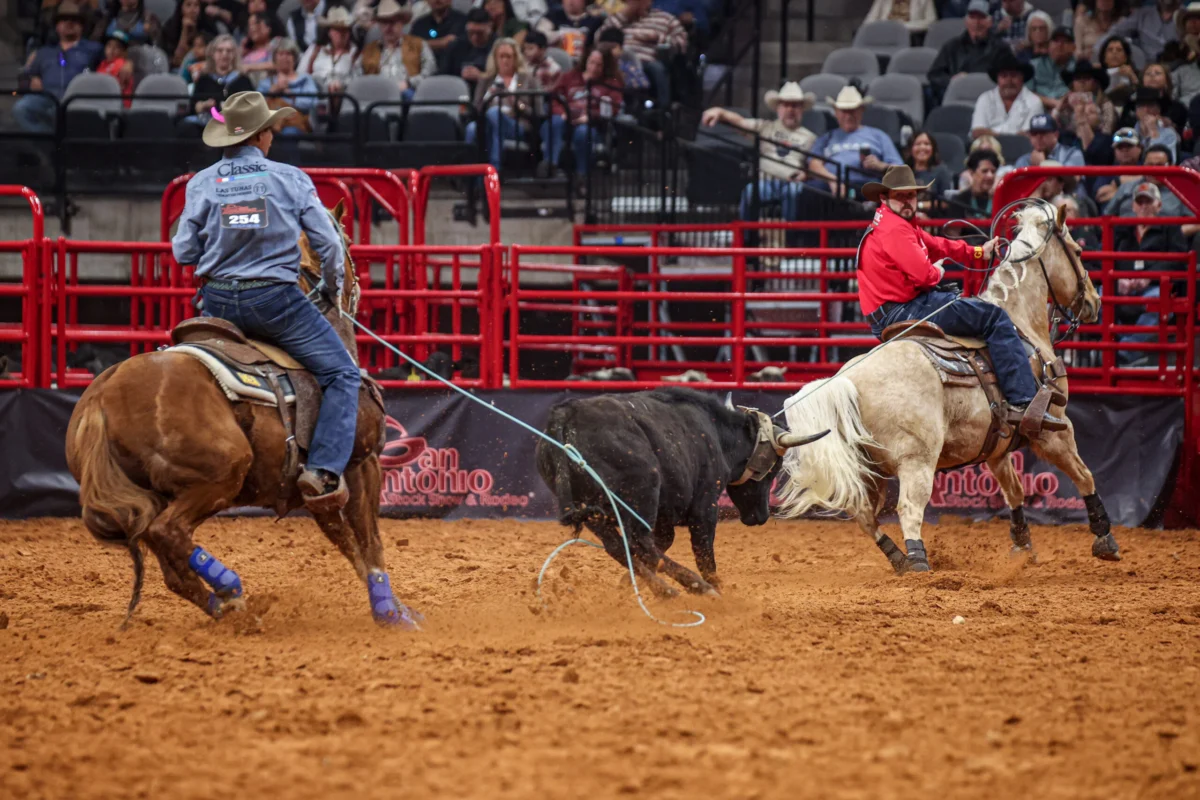
Fast forward to the present, and the transformation in women’s rodeo is nothing short of revolutionary. Industry experts and participants, including Miller herself, widely acknowledge that "Women’s rodeo has come a million miles since then." This evolution is supported by significant data and visible changes across the sport. Prize money in women’s events has surged dramatically, with major events now offering purses in the tens of thousands, and even hundreds of thousands, of dollars. The number of dedicated women’s ropings and barrel racing events has proliferated, providing more frequent and lucrative opportunities. Organizations like the Women’s Professional Rodeo Association (WPRA) have expanded their reach and influence, while newer entities like the Women’s Rodeo World Championship (WRWC) and initiatives within the Ariat World Series of Team Roping (AWSTR) have further elevated the platform for female athletes.
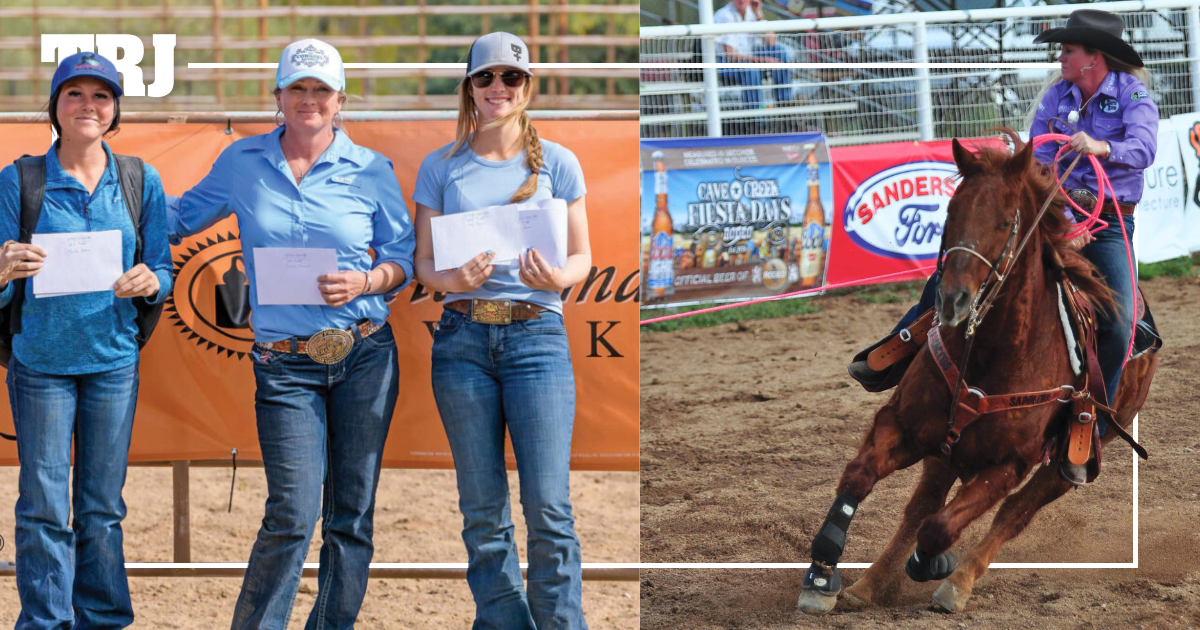
This growth is not just about prize money; it encompasses increased media coverage, sponsorship opportunities, and a greater professionalization of women’s rodeo. Female stars are now household names, inspiring a new generation of cowgirls. The economic impact is substantial, fueling growth in related industries such as equine breeding, training, equipment manufacturing, and Western fashion. What was once often considered a supplementary or niche aspect of rodeo has blossomed into a mainstream, high-stakes competitive arena, offering women genuine pathways to make a living from their sport.
Pioneering the Future: Advocacy, Philanthropy, and Industry Influence
Mary Ann Miller’s profound understanding of the challenges and opportunities within women’s rodeo has naturally led her to a prominent role in shaping its future. Recognizing the critical need for robust support systems, she actively contributes to the sport’s development, particularly for women. Her involvement in developing the Tito’s Handmade Vodka rodeo program is a prime example of this commitment. In her role, she was initially tasked with creating a comprehensive rodeo marketing strategy for THV, a program that continues to bolster the Tito’s brand within and beyond the arena. Crucially, a significant component of this initiative is dedicated to supporting women in rodeo. "I started helping develop the Tito’s rodeo program by helping support the women in our sport, because it needs to be done," Miller states, underscoring her conviction that sustained growth requires active and targeted support. Through this platform, she champions efforts to provide higher-money ropings and improved qualification pathways, directly addressing the struggles she experienced during her own championship years.
Beyond corporate partnerships, Miller’s dedication to the Western community manifests powerfully through her philanthropic endeavors. In 2023, she founded the Miller Johnson Foundation, an initiative driven by a broad and inclusive mission: "to support and promote the financial health of Western heritage families." This foundation is designed to be a comprehensive safety net, extending its reach to a diverse array of individuals vital to the Western way of life. Its beneficiaries include ranchers, farmers, junior rodeo competitors, horseshoers, and many others. The support offered is equally varied, ranging from assistance after injuries, to fundraising for community events, and aid for natural disaster recovery. Miller emphasizes its universal applicability, stating, "it’s for everyone, and includes anything from helping after an injury to fundraising for events and natural disaster recovery. It’s for everyone." This foundation addresses a critical need within the Western community, which often operates with limited traditional safety nets and where livelihoods can be particularly vulnerable to unforeseen circumstances.
Miller’s entrepreneurial spirit and leadership qualities are deeply rooted in her rodeo upbringing. She articulates a core principle learned from her family and the sport: "The one thing every rodeo person has in common is the buck stops with you. You make or break your workday and your goals by the amount of effort you put out. Rodeo people take ownership." This ethos of personal responsibility, accountability, and relentless effort has been instrumental in her business career. Furthermore, the collaborative nature of team roping instilled in her the importance of collective effort: "I also learned in my family how to work as a team to achieve goals. Nobody does it by themselves. Goals aren’t achieved without a team in your corner." These invaluable lessons, honed in the competitive arena and within a tight-knit family unit, have translated directly into her effective leadership in both the corporate world and her philanthropic ventures.
Despite her extensive professional and philanthropic commitments, Miller remains deeply connected to the arena. Her role with Tito’s Handmade Vodka is structured to allow her to continue competing and representing the company at Western events. "My Tito’s team is very supportive of me staying in the arena, whether it’s competing or representing the company," she explains. This ongoing presence allows her to maintain a direct pulse on the sport’s grassroots level, enabling her to identify and support communities where needs are most pressing. This hands-on approach reinforces her commitment to fostering growth and opportunity from the ground up, aligning her professional responsibilities with her personal passion.
The Future of Roping: A Vision for Growth and Authentic Leadership
Mary Ann Miller possesses a unique vantage point from which to assess the future trajectory of team roping and the broader professional rodeo circuit. Her perspective emphasizes the profound, often underestimated, influence of team roping within the Western industry. While acknowledging the "huge money involved" in high-profile rodeos, driven by television rights and ticket sales, Miller points to a different, yet equally powerful, economic engine. "But by the numbers, team roping in general is so much bigger. The contestant involvement and economics are obvious. There are a lot of trucks and trailers at every team roping," she observes. This keen insight highlights the sheer volume of participation and the substantial grassroots economic activity generated by team roping, from entry fees and prize money to the sale of horses, equipment, and related services. She posits that "team roping has more of an influence on the Western industry than anyone has been able to quantify," suggesting its impact extends far beyond mere spectator numbers, deeply embedding itself into the economic and cultural fabric of rural America.
Looking ahead, Miller still harbors competitive aspirations. "I’d like to win the world again. I did it 20 years ago. How cool would it be to still be able to compete in a day and age where the industry is changing to allow more women to make a living roping?" This goal is not just about personal glory; it is a powerful statement about the increased opportunities for women in the sport. The fact that "More women are making a living roping now than ever before" underscores the significant progress made and the validation of her advocacy efforts. Alongside her competitive drive, a paramount goal is to expand the Miller Johnson Foundation, enabling it to "help as many people as I can." This dual focus on personal achievement and community welfare exemplifies her holistic vision for the sport.
Miller’s hopes and dreams for the future of roping and professional rodeo extend to the fundamental decision-making processes within the industry. She advocates for greater representation of competitors in leadership roles: "I want more competitors to be in charge of decision-making for us. Because the city people they bring in just don’t get it." This plea reflects a common sentiment among rodeo professionals that authentic understanding of the sport’s nuances, challenges, and needs can only truly come from those who have lived and competed within it. Bringing "city people" – those without direct experience in the arena or the Western lifestyle – into critical decision-making positions can often lead to policies and strategies that are disconnected from the realities faced by competitors and the broader Western heritage community. Her vision champions a future where the governance and direction of rodeo are informed by the genuine experiences and insights of its participants, ensuring the sport evolves in a way that respects its traditions while embracing progressive opportunities.
In essence, Mary Ann Miller stands as a multifaceted force: a world champion who honors a profound family legacy, a businesswoman who strategically fosters growth, and a philanthropist who passionately supports her community. Her life and work serve as a powerful testament to the enduring spirit of the American West and its vibrant, evolving rodeo culture. Through her efforts, the future of team roping, particularly for women, appears brighter and more inclusive than ever before, guided by the wisdom of experience and the courage of conviction.