 rifanmuazin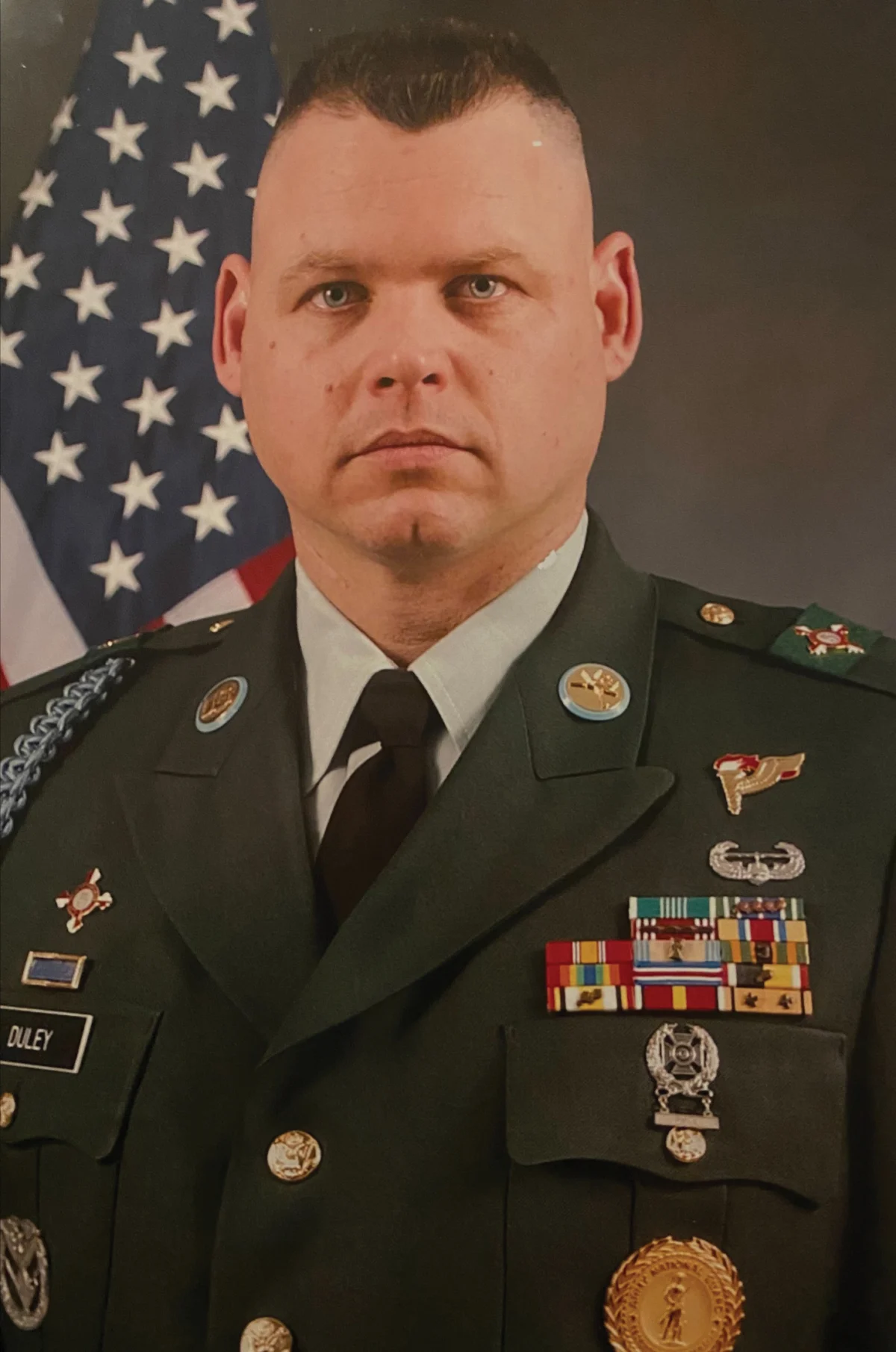
After four decades dedicated to national defense and public safety, Steve Duley, a decorated Army veteran and retired Baltimore County police officer, has embarked on an unexpected journey, discovering a profound sense of camaraderie and purpose in the world of Texas team roping. His transition from the high-stakes environments of military service and urban law enforcement to the serene yet challenging rhythm of the rodeo arena exemplifies a universal quest for belonging and a meaningful post-service life.
A Legacy of Service: The Duley Family Tradition
Born and raised in Baltimore, Maryland, Steve Duley’s path into public service was deeply ingrained in his family’s heritage. The concept of duty and protecting one’s community wasn’t merely an abstract ideal but a lived reality passed down through generations. "People in your family serve, and they tell the stories and you just get interested in it," Duley reflected, highlighting the powerful influence of familial narratives. His lineage boasted an impressive roster of service members and law enforcement officers: both his uncles and all five cousins were veterans, his father served as a police officer, and his grandfather and great-uncle distinguished themselves in both military and police roles. This rich tapestry of service undoubtedly shaped Duley’s early aspirations, leading him to dedicate his entire adult life to the protection of others.
A Distinguished Career: Two Decades in the Army, Two in Law Enforcement
Duley’s career in uniform spanned an impressive forty years, divided equally between military service and law enforcement. His initial two decades were spent in the U.S. Army, where he rose to the rank of first sergeant. During his military tenure, Duley was involved in critical security operations, including guarding America’s airports in the aftermath of the September 11, 2001, terrorist attacks, protecting Air Force bases, and frequently securing Air Force One, the presidential aircraft. This period placed him at the forefront of national security efforts, demanding unwavering vigilance and dedication.
Following his distinguished military career, Duley transitioned to the Baltimore County Police Department, where he served for another two decades. His roles within the department were diverse and often demanding, reflecting the multifaceted challenges of urban policing. He spent approximately six years as a patrolman, engaging directly with the community and responding to a wide array of incidents. Subsequently, he joined the mobile crisis team for another six years. In this specialized unit, Duley’s primary responsibility was to protect mental-health clinicians during interventions, assessing individuals in crisis to determine their safety and need for hospitalization. "If things were slow, we’d deliver food or medicine to the homeless," he recalled, underscoring the humanitarian aspect of their work.
Duley’s final eight years on the force saw him serve as a firearms instructor and a detective assigned to the FBI’s Joint Terrorism Task Force (JTTF). This role placed him at the intersection of local law enforcement and federal intelligence, combating threats to national security at a regional level. His wife, Meredith, also served on the police force but was twice injured in the line of duty, leading to her transfer to the crime lab. Their shared experiences in law enforcement provided a unique bond, understanding the inherent risks and profound sacrifices demanded by the profession.
The Shifting Tides of Public Perception
Duley’s lengthy career in law enforcement spanned periods of significant societal change, particularly concerning public attitudes towards the police. He vividly recounted the dramatic shift in perception over the years. When he first became a police officer in 2004, not long after the 9/11 attacks, there was a widespread outpouring of public support for law enforcement. "Everybody loved the police. I mean, here we were in the same uniforms—we were the same guys," Duley observed, highlighting a period of national unity and respect for first responders.
However, this sentiment began to erode, reaching critical points during major social unrest. The riots following the 2015 death of Freddie Gray in Baltimore and the widespread protests after George Floyd’s death in 2020 presented immense challenges for officers like Duley. "It was kind of hairy," he admitted, describing a palpable shift in public sentiment. "More people were against the police than I ever thought would be, even friends and family." This experience was deeply disheartening for many officers who had dedicated their lives to service, leading to a crisis of morale within departments nationwide.
The impact on police forces was profound and tangible. By 2024, Duley witnessed a significant exodus of officers from careers they would have otherwise pursued for longer. "I bet we lost a couple hundred officers in the past couple years," he stated. "In Baltimore, we had a 2,400-officer department and now it has about 1,800." This decline in force numbers reflects a national trend, with many departments struggling to recruit and retain personnel amidst increased scrutiny, reduced public trust, and rising dangers. The Police Executive Research Forum (PERF) reported a 45% increase in officer resignations between 2019 and 2021 and a nearly 18% increase in retirements during the same period, underscoring the challenges faced by law enforcement agencies across the United States.
A New Horizon: The Lure of Texas Hospitality
Anticipating his retirement at the end of 2024, Duley and Meredith spent several years scouting for a new place to call home, seeking a change of pace and a different community environment. Duley had fond memories of a previous visit to the Fort Worth Stockyards, a historic district steeped in Western heritage, and was particularly struck by the genuine friendliness of Texans. "In New York, Boston or Baltimore, if you say hi to somebody, they look at you like you just took their money," Duley quipped, contrasting the perceived reserve of East Coast urban centers with the open hospitality he encountered in the South.
The couple embarked on multiple trips to Texas, often renting the same Airbnb in Cleburne, a city southwest of Fort Worth, as they explored potential retirement locations stretching from Nacogdoches in East Texas to the vast Panhandle. It was during one of these scouting missions that fate intervened, guiding them toward an entirely new chapter.
The Catalyst: Charly Crawford’s American Hero Celebration
A pivotal moment occurred when one of their final scouting trips coincided with Charly Crawford’s American Hero Celebration at NRS, a renowned Western lifestyle retailer and event center. Crawford, a celebrated professional team roper, established the event to honor military members, veterans, and first responders, recognizing their sacrifices and providing them with an opportunity to engage with the Western lifestyle. The Duleys attended the roping competition and stayed for the subsequent auction, captivated by the atmosphere and the sense of community. Since then, they have become regulars at all affiliated activities, including the spring branding event.
It was at the branding event that Steve Duley had a serendipitous encounter with Bill Force, a fellow team roper who not only shared Duley’s military background but had also served as a Baltimore police officer. This immediate connection, rooted in shared experiences of high-stakes service, quickly blossomed into a mentorship and friendship. Force generously lent Duley an excellent horse, allowing him to participate fully in the branding activities. Duley admitted to being utterly exhausted after a full day of gathering, dragging, castrating, and branding calves—a physically demanding process that was entirely new to him.
Yet, despite the physical exertion, the experience was profoundly liberating. "I wasn’t thinking about work or the cases I had—I wasn’t stressed about anything," Duley recalled. "I felt so good at the end of the day. Roping is the same way. When you go rope, your brain is occupied; that helps a lot of us who are hypervigilant." This realization was a turning point, revealing the therapeutic power of engagement in an activity that demanded complete focus and offered a reprieve from the mental burdens accumulated over decades of intense service.
From First Responder to Roper: A Newfound Passion
In January 2025, the Duleys’ Texas dream solidified when the owners of their Cleburne Airbnb agreed to rent the home to them indefinitely. Steve Duley officially retired from the Baltimore County Police Department and began a new civilian role as a security supervisor for Trinity Industries in Saginaw, Texas. Meanwhile, Meredith, equally embracing their new Texan life, found her own passion in the world of rodeo. Initially drawn to bull riding, her interest quickly expanded to encompass the entire spectrum of rodeo events. "Then she went to the rodeo and fell in love with that," Steve recounted. "Now we’re going to the stock show. We’ve been to San Antonio. We’ve been to the rodeos in Cheyenne and Pendleton. She’s got a list!"
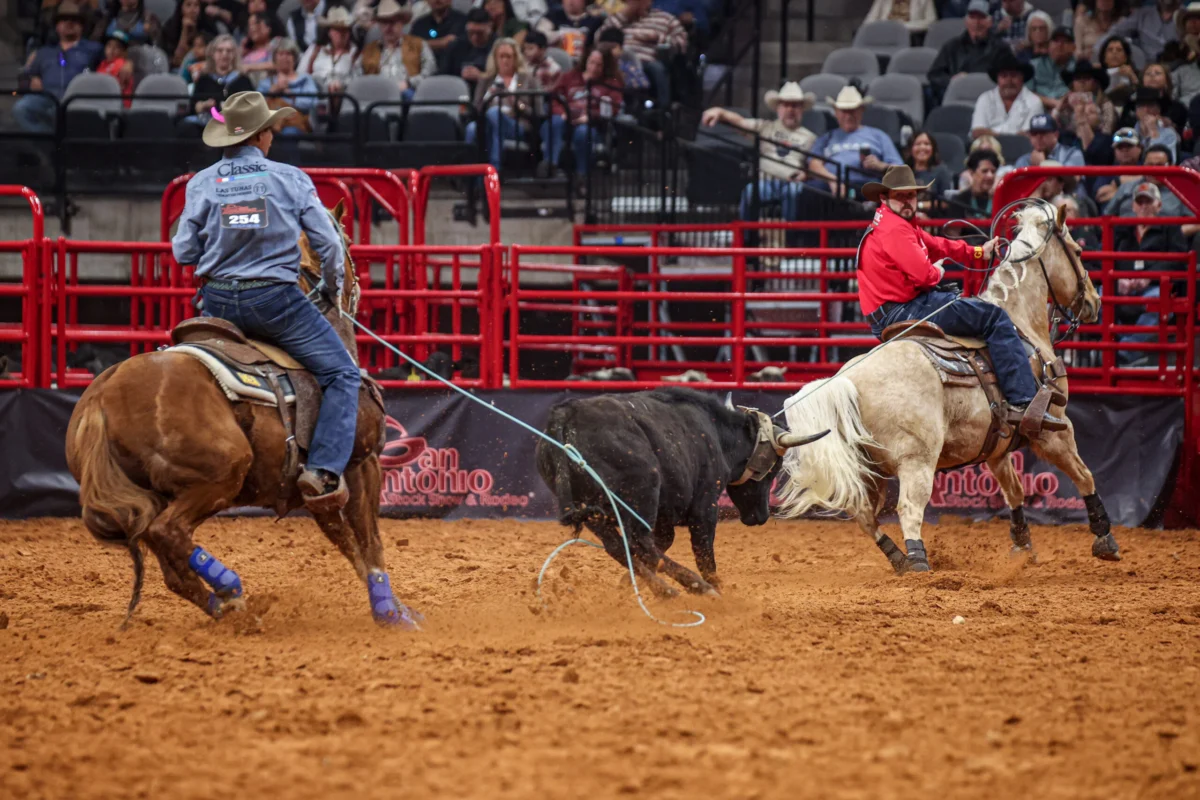
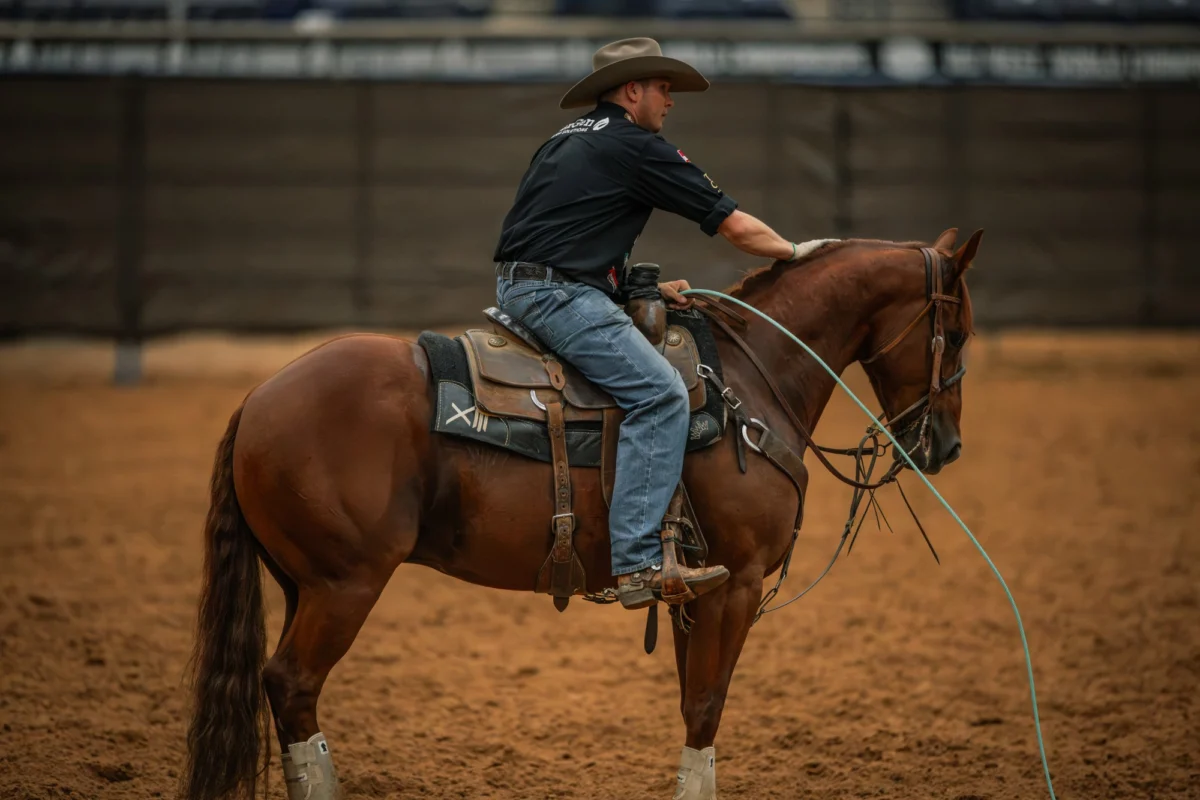
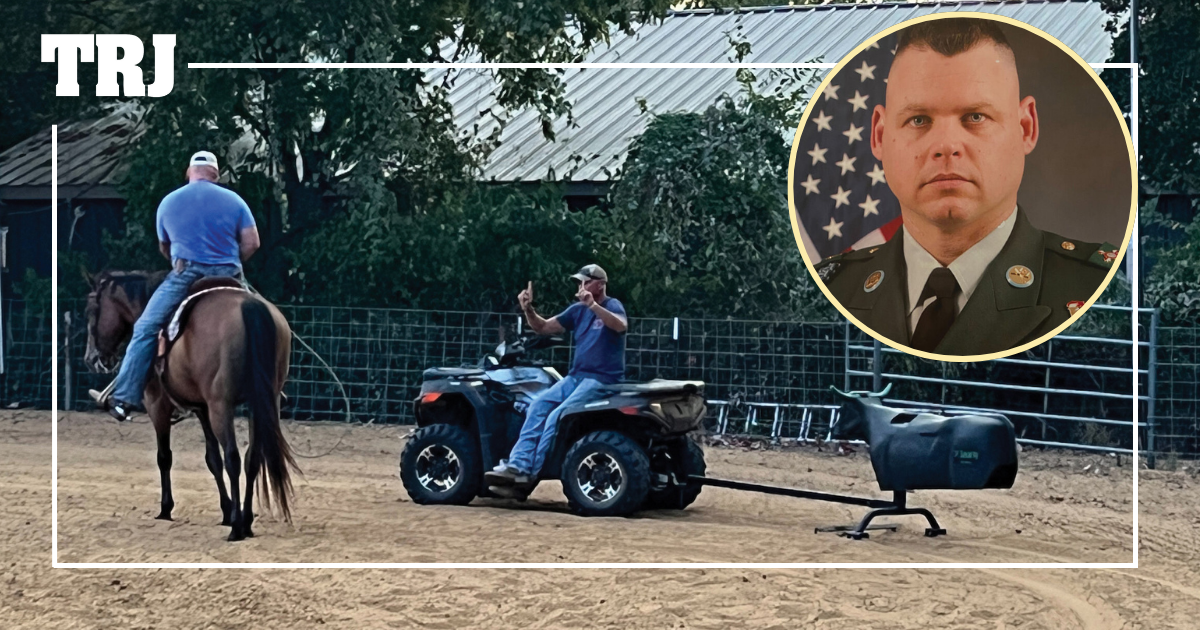
For Steve, the past year has been largely dedicated to learning the intricacies of team roping. Under the patient guidance of Bill Force, he has spent countless hours roping the sled using Force’s horse, Preacher. His dedication has paid off, as he proudly noted that just last month, he was finally able to consistently "catch horns." His aspirations for 2026 include improving his skills sufficiently to apply for Charly Crawford’s esteemed clinic, a significant step in his journey to master the sport.
The Brotherhood of the Rope: A New Form of Camaraderie
What truly resonates with Duley in the team roping community, particularly at events like Crawford’s Celebration, isn’t solely the competitive aspect but the profound sense of camaraderie. "To me, it’s not the competition of Charly’s event that we love, but the camaraderie," Duley emphasized. "It’s like being back in military mode or police mode—we’ve got each other’s backs." This sentiment speaks to a fundamental human need for belonging and mutual support, a need that is often deeply ingrained in individuals who have served in high-stakes professions.
The transition from military or police service to civilian life can often be challenging, marked by a loss of the tight-knit "brotherhood" or "sisterhood" that defines these careers. Veterans and first responders frequently struggle with the absence of a shared mission, a common language, and the inherent trust that develops when lives depend on one another. Activities like team roping, with their emphasis on teamwork, mutual reliance, and shared challenges, offer a powerful antidote to this sense of isolation.
Duley’s journey into team roping was truly unexpected for an East Coast first responder. He initially expressed his unfamiliarity with the sport to Force, stating, "I don’t even know how to make a loop." Force’s immediate and welcoming response—"I’ll teach you"—encapsulated the spirit of the Western community and the mentorship that has been so crucial to Duley’s integration. And indeed, Force has taught him, not just the mechanics of roping, but also the unspoken rules of this new brotherhood.
Broader Implications: Healing and Community for Those Who Serve
Steve Duley’s story is a compelling illustration of how recreational activities, particularly those that foster community and demand mental engagement, can provide significant therapeutic benefits for veterans and first responders. The hypervigilance developed over years in demanding roles, while essential for survival and effective performance, can become a burden in civilian life, contributing to stress, anxiety, and even Post-Traumatic Stress Disorder (PTSD). Engaging in activities like team roping, which require intense focus on the task at hand—reading the cattle, coordinating with a partner, executing precise movements—can act as a powerful mental reset, redirecting the mind from past traumas or daily stressors.
Moreover, the structured environment and supportive social network found within the team roping community offer a sense of purpose and belonging that can be invaluable for individuals transitioning out of service. It replaces the camaraderie of the military unit or police squad with a new, equally strong bond built on shared passion, mutual respect, and the collective pursuit of skill mastery. Organizations like Equinety, which sponsor initiatives like the "Equinety Military Salute," play a vital role in highlighting these stories and supporting the integration of military members, veterans, and first responders into the broader community, particularly within the Western sports world.
Duley’s journey from the urban landscapes of Baltimore to the dusty arenas of Texas underscores a universal truth: the human need for connection, purpose, and a supportive community persists, regardless of one’s background or past profession. For those who have dedicated their lives to serving others, finding a new "brotherhood" in an unexpected place can be a profound and healing experience, paving the way for a fulfilling post-service life. His story is not just about learning to rope; it is about finding a new home, a new passion, and a renewed sense of belonging in the heart of Texas.