 rifanmuazin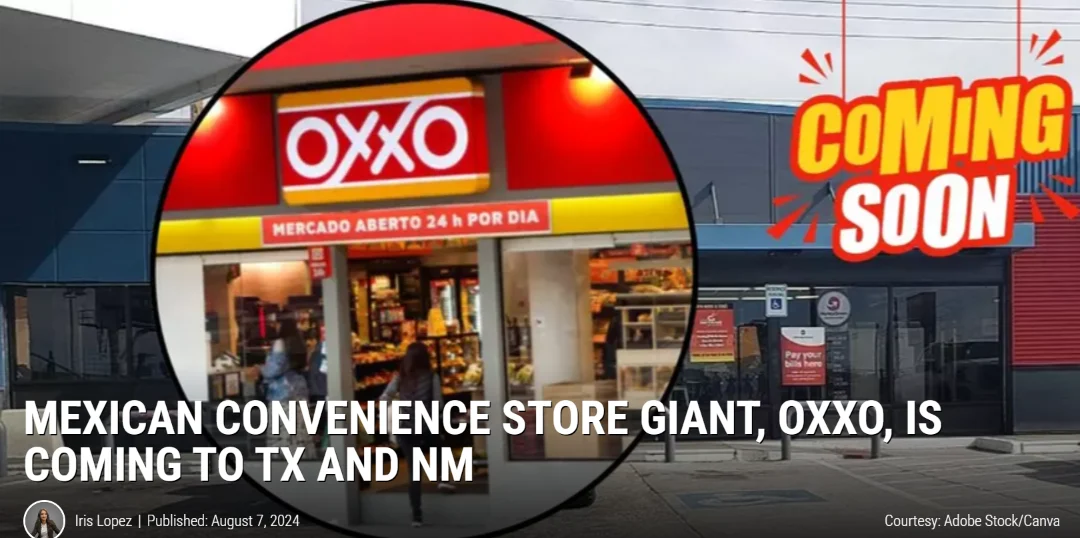
FEMSA, the Monterrey, Mexico-based multinational beverage and retail company and the corporate powerhouse behind the iconic OXXO convenience store chain, has officially announced a monumental acquisition. The company has finalized a definitive agreement with Delek U.S. Holdings, Inc., a diversified downstream energy company, to acquire 249 convenience stores operating under the DK brand across the strategically important states of Texas and New Mexico. This significant transaction, valued at approximately $385 million, marks a pivotal moment in OXXO’s ambitious international expansion strategy, establishing a substantial foothold for the Mexican retail giant within the lucrative and competitive U.S. market.
A Strategic Entry into the U.S. Market
The acquisition represents OXXO’s most significant direct entry into the United States, following a more measured presence in certain border areas. For years, OXXO has been a ubiquitous presence across Mexico, boasting a network of over 20,000 stores that serve as critical community hubs, offering everything from snacks and beverages to bill payment services and mobile top-ups. Beyond its home country, OXXO has successfully expanded its footprint into other Latin American nations, including Chile, Colombia, Peru, and Brazil, adapting its successful operational model to diverse consumer preferences. The move into Texas and New Mexico is a natural progression, leveraging the cultural and economic ties that exist across the U.S.-Mexico border.
The states of Texas and New Mexico were undoubtedly chosen for their demographic profiles, which include a significant and growing Hispanic population that is already familiar with the OXXO brand and its product offerings. This built-in brand recognition could provide OXXO with a distinct competitive advantage as it navigates the highly saturated U.S. convenience store market. The acquisition is not merely about adding locations; it’s about strategically positioning OXXO to cater to a demographic that values convenience, diverse product selections, and potentially, a touch of familiar cross-border cultural elements.
Details of the $385 Million Transaction
The $385 million deal encompasses 249 convenience stores currently operating under the DK banner, alongside the associated land and real estate for the majority of these locations. Delek U.S. Holdings, through its retail segment, has operated these stores, many of which are co-located with their branded fuel stations. The transaction structure indicates a clear intent by FEMSA to assume full operational control and integrate these stores into the OXXO ecosystem.
According to financial disclosures, the purchase price reflects a valuation of approximately $1.5 million per store, a figure that analysts are evaluating against market comparables in the U.S. convenience retail sector. This valuation takes into account the existing infrastructure, established customer bases, and prime real estate locations that many of the DK stores occupy. For Delek U.S. Holdings, the divestiture represents a strategic decision to streamline its operations and focus on its core downstream energy businesses, which include refining, logistics, and asphalt. The capital generated from this sale is expected to be redeployed into these core segments, potentially strengthening Delek’s balance sheet or funding future growth initiatives within its primary areas of expertise.
The Regulatory Road Ahead and Expected Timeline
While the agreement has been signed, the completion of the acquisition is contingent upon receiving standard regulatory approvals. These approvals typically involve reviews by antitrust authorities, such as the Federal Trade Commission (FTC) in the United States, to ensure that the transaction does not unduly lessen competition in the relevant markets. Given the fragmented nature of the U.S. convenience store market, with numerous regional and national players, significant antitrust hurdles are not widely anticipated, though the process can be thorough.
FEMSA and Delek U.S. Holdings anticipate that the deal will secure the necessary regulatory clearances and close in the second half of 2024. Following regulatory approval, the rebranding process is expected to commence, with the familiar red and yellow OXXO logo and distinctive store layouts gradually replacing the DK branding across the acquired locations. This transition will involve not only cosmetic changes but also the integration of OXXO’s operational systems, supply chains, and product assortments. Consumers in Texas and New Mexico can soon expect to see a transformation, bringing a new retail experience to their neighborhoods.
OXXO: A Mexican Retail Phenomenon
OXXO’s success in Mexico is built on a foundation of convenience, ubiquity, and a diverse range of products and services tailored to local needs. Unlike many U.S. convenience stores primarily focused on fuel and basic snacks, OXXO stores in Mexico often serve as micro-hubs for community life. They offer:
- Wide Product Selection: A mix of local and international snacks, beverages, groceries, and sometimes even fresh produce.
- Financial Services: A crucial aspect of OXXO’s appeal, including bill payments for utilities, mobile phone top-ups, remittances, and even small cash withdrawals. These services are particularly valuable in communities with limited access to traditional banking.
- Food Service: A growing emphasis on prepared food items, coffee, and grab-and-go options, competing with fast-food chains for quick meal solutions.
- Strategic Locations: Often found on busy intersections, within residential areas, and along major thoroughfares, ensuring maximum accessibility.
This comprehensive approach has made OXXO an indispensable part of daily life for millions of Mexicans. As it enters the U.S. market, OXXO will likely adapt its model, potentially introducing some of its unique service offerings and product lines while also integrating popular American convenience store staples. The challenge will be to find the right balance between maintaining its distinct brand identity and meeting the expectations of U.S. consumers.

Delek U.S. Holdings’ Strategic Divestiture
For Delek U.S. Holdings, the sale of its retail segment represents a calculated strategic move. Headquartered in Brentwood, Tennessee, Delek is a prominent player in the downstream energy sector, with assets primarily in refining, logistics through Delek Logistics Partners, LP, and asphalt. The retail convenience store business, while contributing to revenue, has been considered a non-core asset for some time, requiring significant capital and management attention that could otherwise be directed towards its primary operations.
The divestiture aligns with a broader trend among integrated energy companies to shed non-core assets to focus on areas of competitive advantage, improve capital efficiency, and deliver enhanced shareholder value. By selling the DK stores, Delek can simplify its corporate structure, reduce operational complexities, and concentrate resources on refining crude oil into various petroleum products, marketing and distributing fuels, and expanding its logistics network. This move is expected to be positively received by investors who often favor companies with clear strategic focus.
Market Dynamics and Competitive Landscape in the U.S.
The U.S. convenience store market is a formidable arena, characterized by intense competition from established giants such as 7-Eleven, Circle K, Casey’s, and regional powerhouses like Stripes (owned by 7-Eleven). The market is highly fragmented but also features sophisticated operational models, advanced loyalty programs, and an increasing focus on fresh food and digital integration.
OXXO’s entry will undoubtedly shake up the competitive landscape, particularly in Texas and New Mexico. Its potential competitive advantages could include:
- Brand Recognition: Instant familiarity among the significant Hispanic population.
- Unique Product Mix: The introduction of popular Mexican snacks, beverages, and household items could attract a diverse customer base seeking novelty and cultural connection.
- Service Offerings: If OXXO successfully implements its bill payment and remittance services in the U.S., it could carve out a distinct niche, especially in underserved communities.
- Operational Efficiency: FEMSA’s vast experience in high-volume retail operations could translate into efficient store management and supply chain optimization.
However, OXXO will also face challenges, including adapting to U.S. consumer regulations, labor laws, diverse purchasing habits, and the sophisticated marketing strategies of incumbent players. The initial focus on border states will allow OXXO to test its model and gradually adapt before potentially considering broader expansion.
Economic and Cultural Implications for Texas and New Mexico
The arrival of OXXO stores is expected to have multi-faceted economic and cultural implications for the communities in Texas and New Mexico.
- Job Creation and Retention: While existing DK employees may be retained, OXXO’s operational changes and potential expansion could lead to new hiring, contributing to local employment.
- Supply Chain Impacts: The integration of OXXO’s supply chain could open opportunities for new local and regional suppliers, particularly those offering products that align with OXXO’s distinct cultural offerings.
- Consumer Choice and Diversity: Consumers will benefit from increased choice, potentially encountering new product lines and services that were previously unavailable. This could enrich the retail landscape and cater to a wider array of tastes.
- Cultural Integration: The visible presence of a major Mexican brand could further enhance cultural exchange and recognition in these border states, providing a sense of familiarity and home for many residents. It signifies a continued blurring of economic and cultural lines across the border, reflecting the deep ties between the two nations.
Analyst and Industry Perspectives
Industry analysts are largely viewing this acquisition as a strategic positive for FEMSA. It diversifies their revenue streams geographically and taps into a large, affluent market. The move into the U.S. aligns with FEMSA’s long-term vision of becoming a global leader in convenience retail. For Delek, the divestiture is seen as a prudent financial move, allowing them to unlock capital from a non-core asset and reinvest in their more profitable and strategically aligned energy businesses.
The valuation of $385 million for 249 stores is considered reasonable within the current M&A landscape for convenience retail, reflecting the strong underlying asset value of the real estate and the potential for future growth under OXXO’s management. Experts will be closely watching OXXO’s integration strategy and how quickly it can establish its brand identity and operational efficiencies in the competitive U.S. market.
Conclusion: A New Chapter in Cross-Border Retail
The acquisition of 249 DK convenience stores by OXXO represents more than just a corporate transaction; it signifies a significant new chapter in cross-border retail and the evolving commercial landscape of the U.S. Southwest. For FEMSA, it is a bold and strategic leap into one of the world’s largest consumer markets, building upon OXXO’s proven success in Latin America. For Delek U.S. Holdings, it’s a decisive move to sharpen its corporate focus and optimize its asset portfolio. And for the communities in Texas and New Mexico, it heralds the arrival of a familiar and dynamic retail brand, promising a blend of traditional convenience with a distinct cultural flair. As regulatory approvals are finalized and the iconic red and yellow OXXO signs begin to appear, the impact of this major investment will reshape the convenience retail experience for millions.