 rifanmuazin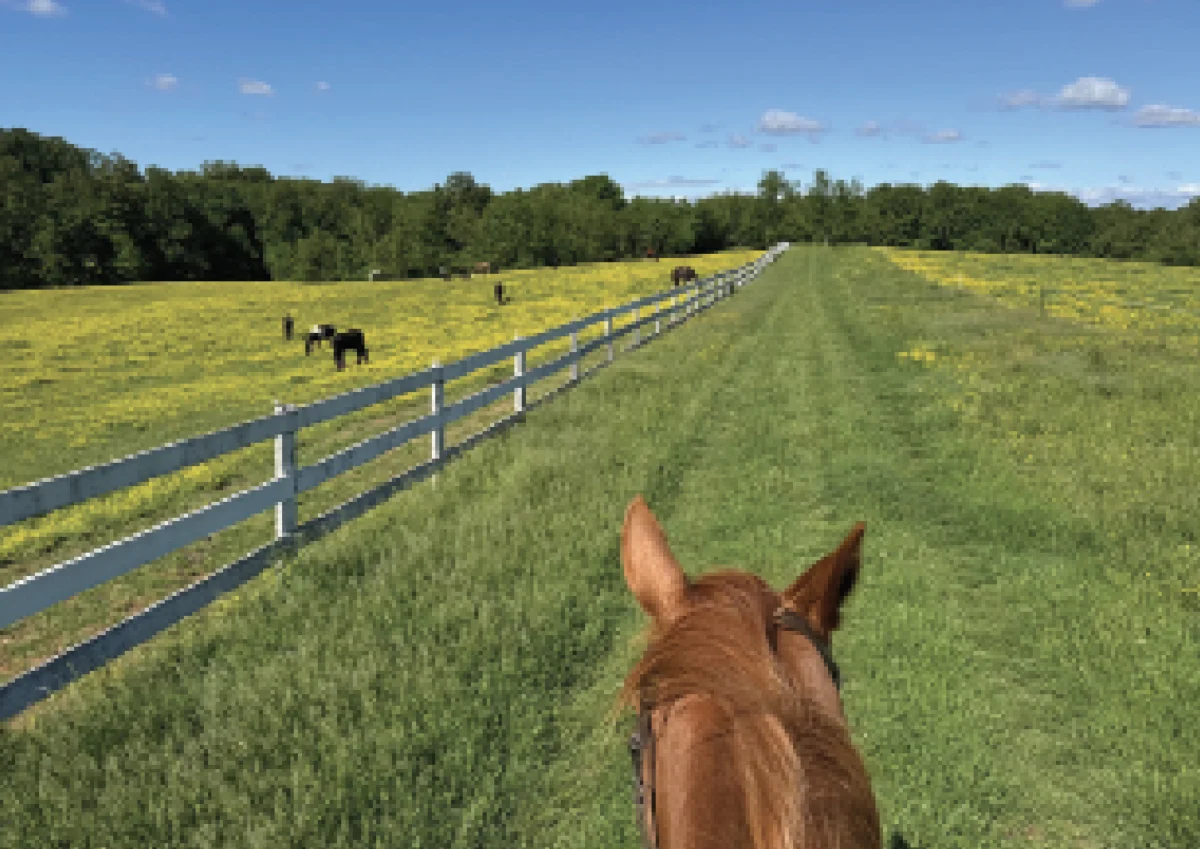
Equestrian circles worldwide often exhibit a curious phenomenon: a pervasive inclination among riders, from casual enthusiasts to seasoned Olympians, to downplay their abilities when asked about their discipline. The common query, "What type of riding do you do?" frequently elicits a self-effacing response such as, "Oh, nothing too special." This understated demeanor, rather than an overestimation of skill, is a widely observed trait within the equine community, deeply rooted in experience and practical wisdom. Many riders have, through firsthand encounters, learned that disclosing significant expertise can lead to an unwitting assignment to a barn’s most challenging or "rascally" mounts, a situation often best avoided in social or casual settings.
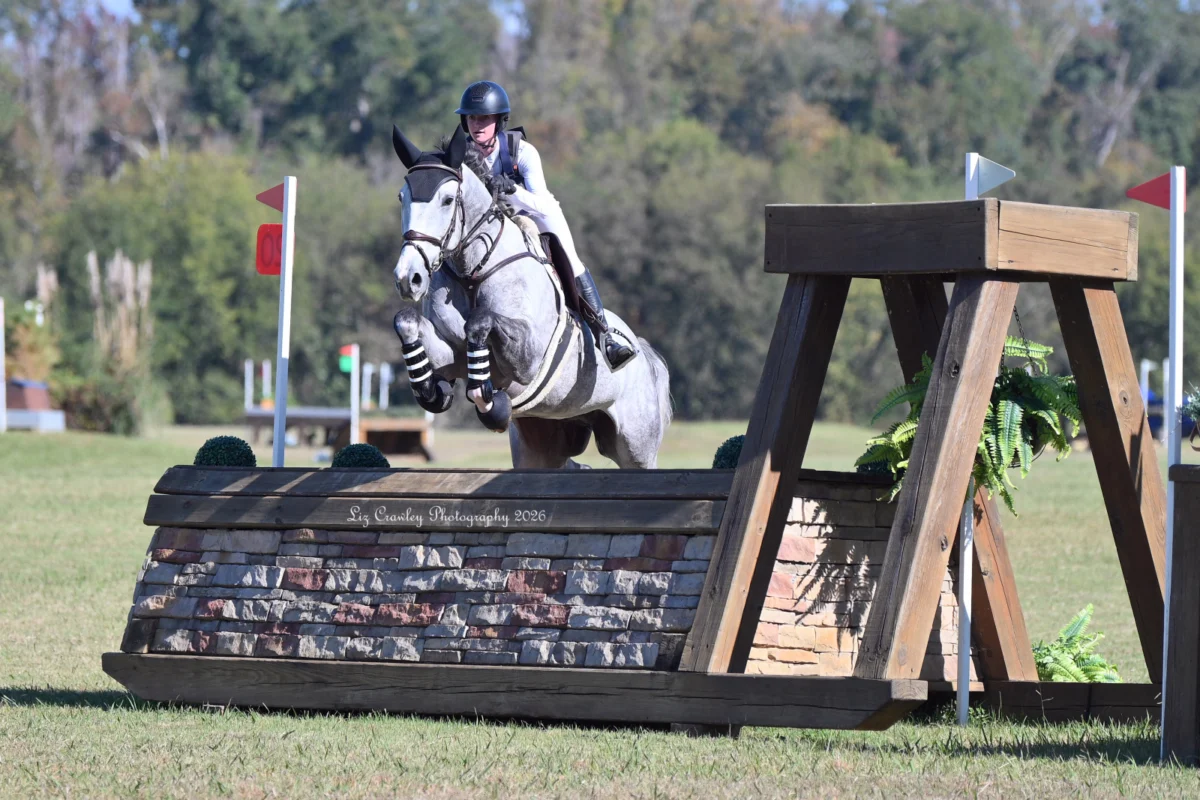
However, social interactions inevitably lead to more specific inquiries, necessitating a more detailed answer than a simple dismissal. Riders might eventually specify "hunter-jumpers" or "Western pleasure." Increasingly, a broad and seemingly unassuming response like "just some trail riding" serves as a catch-all. Yet, the term "trail riding" itself encompasses a vast spectrum of activities, ranging from hourly rentals on guided paths to rigorous competitive endurance events. For many, including one rider and her Paint mare, Audie, this phrase describes a primary equestrian pursuit that often defies conventional definitions, morphing into an almost meditative exploration of open fields rather than traditional trails.
The Psychology of Equestrian Understatement
The tendency for equestrians to modest about their skills is a fascinating aspect of the community’s culture. Equine psychologists and veteran instructors often attribute this humility to several factors. Firstly, working with horses is an inherently unpredictable endeavor. Even the most experienced rider understands that a horse, being a sentient animal with its own instincts and personality, can present unexpected challenges. This constant learning curve fosters a perpetual sense of humility; one is always a student in the saddle. Secondly, there’s a practical self-preservation aspect. As noted, a reputation for high skill can attract requests to handle difficult horses, which, while potentially flattering, can also lead to increased risk or responsibility in casual settings. Finally, the equestrian world often values quiet competence and a deep, respectful partnership with the horse over ostentatious displays of prowess. This cultural emphasis on the horse-human bond, rather than individual achievement alone, naturally leads to a more understated approach to one’s own capabilities.
Deconstructing "Trail Riding": A Spectrum of Engagement
The term "trail riding" is perhaps one of the most broadly interpreted in the equestrian lexicon. At its most basic, it refers to riding a horse outside of an arena or designated schooling area, typically in natural environments. This can include:
- Guided Tourist Rides: Often hourly rentals, these rides typically follow well-worn paths with a guide, catering to novices.
- Recreational Hacking: More experienced riders venturing out alone or with companions on established bridle paths, often in parks or rural areas.
- Endurance Riding: A highly competitive discipline involving long distances (25 to 100 miles or more) over varied terrain, testing the fitness of both horse and rider.
- Competitive Trail Riding: Similar to endurance but with an emphasis on horsemanship, soundness, and pace control over sheer speed.
- Field Riding/Wandering: A less formal practice, as exemplified by the rider and Audie, where the absence of a defined trail leads to exploration of open spaces.
Historically, riding outside of structured environments was simply a means of transportation or work. With the advent of modern transportation and the professionalization of equestrian sports in the 20th century, trail riding evolved into a leisure activity. The establishment of national parks, designated bridle paths, and equestrian trail systems further formalized the pursuit, providing dedicated spaces for riders to enjoy the outdoors. However, the essence of trail riding—connecting with nature from horseback—remains a core appeal, regardless of its specific manifestation.
The Genesis of Field Exploration: Adapting to Equine Needs
The specific practice of wandering in open fields, as described by the rider, often originates from a deep understanding of and adaptation to the individual horse’s temperament. In the case of Audie, the Paint mare, a distinct reluctance to enter wooded areas alone became a defining factor. Her "Bureau of Complaints"—a series of plaintive whinnies and backward steps—signaled a strong preference for companionship when venturing into denser foliage. This behavior is common among horses, who are herd animals with an innate instinct for safety in numbers. Solitary exploration, particularly into unfamiliar or visually obstructed environments like dense woods, can trigger their flight response or heighten their sense of vulnerability.
Rather than consistently push through Audie’s resistance, which could turn each ride into a training skirmish, the rider wisely chose to adapt. This decision highlights a crucial aspect of horsemanship: knowing when to challenge and when to accommodate. The availability of vast, unoccupied pastures at Audie’s boarding farm proved to be a fortunate alternative. These expansive fields offered a safe, open environment where Audie felt less isolated. Even meandering along the margin of her own pasture, within sight of her herdmates, provided a sense of security, despite her occasional dramatic gestures of longing for their company. This adaptation underscores the empathetic approach many equestrians take, prioritizing the horse’s comfort and well-being to foster a harmonious partnership.
The Unfenced Classroom: A Sanctuary for Observation
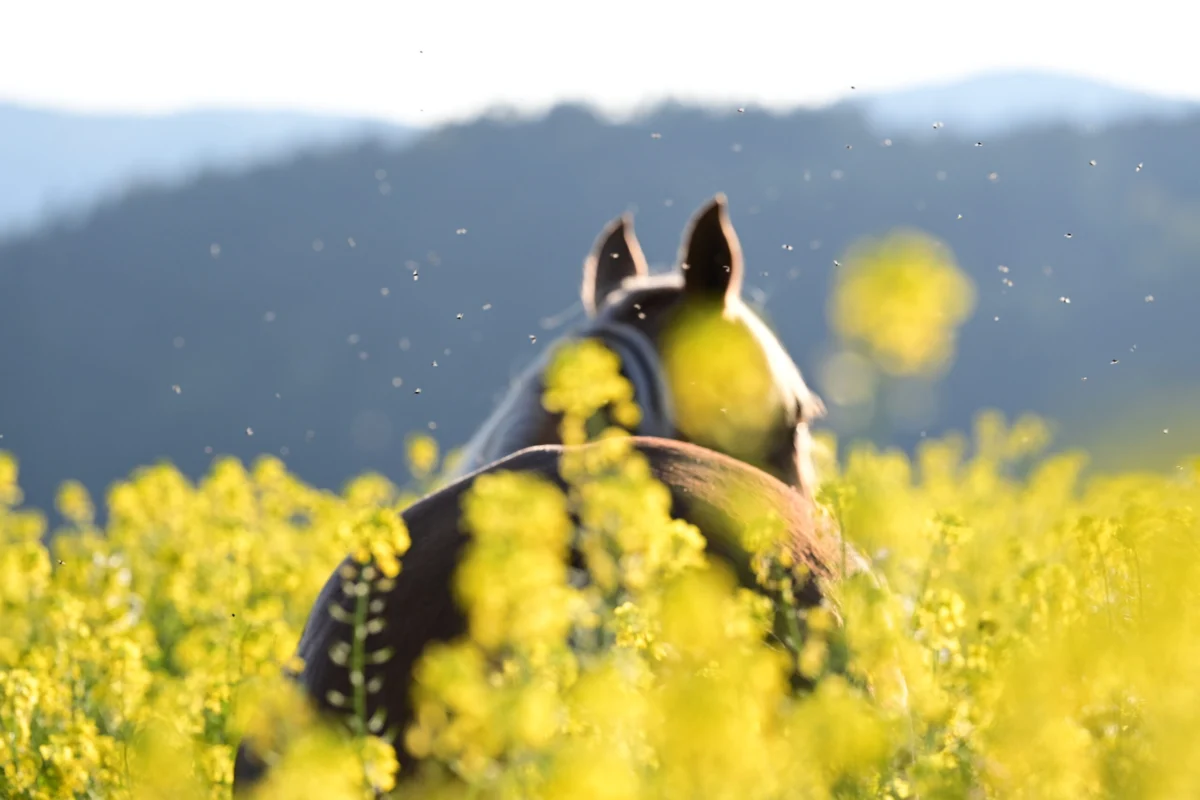
Riding in these rolling, open fields, without the constraints of a predefined trail, transforms the experience into an unfenced classroom for both horse and rider. The absence of a fixed path encourages a different kind of attentiveness and allows for a unique perspective on the natural world. The rider notes profound differences in how the environment is perceived from horseback compared to on foot. Trees, for instance, appear less as solid trunks and more as intricate networks of branches and leaves, their canopy becoming a prominent feature. This elevated vantage point allows for observations that might otherwise be missed.
Encounters with wildlife are also distinctly different. While deer often bolt at the approach of a human on foot, their reaction to a horse and rider is frequently one of cautious retreat rather than immediate flight. They might simply "fling their white tails and step slowly away," allowing for a shared moment of quiet observation before silently disappearing into the adjoining forest. These interactions highlight the horse’s role as a natural filter, often perceived as less threatening by other animals.
Beyond visual stimuli, the auditory landscape also comes into sharper focus. The rhythmic sound of Audie’s footfalls—the distinct landing of her shod front feet contrasting with her barefoot rear ones—becomes a subtle symphony, a constant reminder of the physical connection between horse and ground. This heightened sensory awareness, fostered by the quiet intimacy of field riding, allows for a deeper immersion in the present moment and a richer appreciation of the surrounding ecosystem.
The Deepening Bond: Horse, Rider, and Nature
These seemingly simple rides contribute significantly to the deepening of the horse-human bond. When the pressure of performance or strict adherence to a training regimen is removed, the focus shifts to mutual companionship and shared experience. Equine behaviorists and therapists often emphasize the importance of varied environments and relaxed interactions for a horse’s psychological well-being. Field riding provides this diversity, preventing the monotony that can sometimes arise from exclusive arena work. For the rider, it offers a respite from daily stressors, a chance to disconnect from technology and reconnect with nature and their animal partner.
The act of navigating open fields together, adapting to the terrain, and sharing quiet observations of wildlife, fosters a unique form of communication and trust. It’s a non-verbal dialogue built on subtle cues, shared sensations, and an unspoken understanding. This kind of partnership extends beyond technical riding skills; it taps into the fundamental connection between humans and horses that has existed for millennia. It’s in these moments that the profound therapeutic benefits of horseback riding—stress reduction, improved mood, enhanced mindfulness—are most keenly felt.
Echoes of "Lonesome Dove": The Quintessence of Horsemanship
The profound sentiment articulated in Larry McMurtry’s 1985 novel Lonesome Dove resonates deeply with the experience of field riding: "I wouldn’t have missed coming up here," Gus McCrae tells a young companion. "I can’t think of nothing better than riding a fine horse into a new country. It’s exactly what I was meant for." While Gus’s journey involves vast, unexplored territories, the spirit of his words applies equally to the intimate explorations of open pastures.
In the context of field riding, the "new country" isn’t necessarily a geographically uncharted frontier but rather a continually renewed perception of the familiar. The sun playing over the pasture, the mockingbirds bouncing from branch to branch—these elements, though constant, are experienced afresh each time from Audie’s back. The horse, in this scenario, is always "fine," a steadfast companion whose presence elevates the ordinary into something extraordinary. This perspective transforms a local field into a boundless landscape of discovery, where every ride offers a fresh perspective and a renewed sense of purpose. It captures the essence of what many equestrians seek: not just the act of riding, but the profound sense of belonging and harmony found in partnership with a horse in the natural world.
The Broader Significance: Accessibility, Well-being, and the Future of Equestrianism
The understated art of field riding, and recreational trail riding in general, holds significant implications for the broader equestrian landscape and societal well-being.
- Accessibility: It offers a more accessible entry point into equestrianism for many, as it often requires less specialized equipment or intensive training compared to competitive disciplines. This can broaden participation and introduce more individuals to the joys of horsemanship.
- Horse Welfare: Diverse riding environments and a balanced routine of arena work and field rides contribute positively to horse welfare. It provides mental stimulation, physical variety, and opportunities for natural behaviors, reducing boredom and stress.
- Rider Well-being: Beyond the physical benefits of exercise, riding in natural settings is a powerful antidote to modern stressors. Studies consistently show that time spent in nature, especially with animals, can significantly reduce anxiety, improve mood, and enhance cognitive function. For many riders, the quiet contemplation and sensory immersion of field riding are vital for mental health.
- Environmental Stewardship: The demand for recreational riding spaces encourages the preservation of green spaces, trails, and open fields. Equestrian communities often play a vital role in advocating for and maintaining these natural areas, contributing to broader conservation efforts.
- Evolution of Equestrianism: As equestrianism evolves, there’s a growing recognition of the value of non-competitive pursuits. While competitive sports continue to thrive, there’s an increasing emphasis on mindful horsemanship, natural riding techniques, and the simple pleasure of connection. Field riding perfectly embodies this trend, challenging the notion that only high-stakes competition constitutes "real" riding.
In conclusion, the seemingly humble act of "just some trail riding," particularly the informal exploration of open fields, represents a profound and enriching dimension of equestrianism. It is a practice born of empathy, adaptation, and a deep appreciation for the horse-human bond. Far from being "nothing too special," these quiet journeys offer a unique lens through which to experience the natural world, foster a deeper connection with our equine partners, and find a timeless sense of peace and purpose. It is a testament to the enduring appeal of horsemanship in its purest, most understated form.